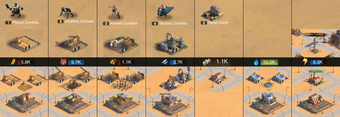
Are you ready to make every resource count in Last Shelter Survival? One of the biggest challenges you face is managing food consumption across your buildings.
Understanding which buildings consume food—and how much—can make the difference between thriving and struggling. If you want to keep your shelter running smoothly and avoid unexpected shortages, you need to know exactly where your food is going. Keep reading, and you’ll discover the key buildings that drain your food supplies and how to manage them smartly.
This knowledge will help you stay ahead and keep your survivors strong.
Key Buildings Using Food
Understanding which buildings consume food in Last Shelter Survival is crucial for managing your resources effectively. Food is a limited resource that powers many aspects of your base. Knowing where it goes helps you plan better and avoid shortages that can stall your progress.
Farms And Food Production
Farms are the primary source of food but also the first to consume it. They use food to maintain production cycles and increase output. Upgrading farms boosts efficiency but demands more food, so you need to balance growth and consumption carefully.
Have you noticed how upgrading a farm sometimes feels like a catch-22? You need more food to grow your food supply, which means managing your other buildings smartly.
Barracks And Troop Training
Barracks consume food steadily to keep your troops fed and ready. Training new troops requires a larger food supply, which can quickly drain your reserves. If you focus heavily on troop training without enough food production, your army’s growth will slow down.
Think about your last troop rush—did you run out of food halfway through? It’s a common hurdle that can be avoided by monitoring your food balance closely.
Research Labs And Upgrades
Research Labs use food to power upgrades and experiments that improve your base and troops. Advanced research projects often demand significant food resources, especially at higher levels. Prioritize food supply before pushing too far into research to keep your progress smooth.
What research upgrades have you delayed due to food shortages? Planning your food usage can help you avoid putting your development on hold.
Hospital And Medical Supplies
The hospital consumes food to support healing and medical treatments for your wounded troops. Food usage here increases with the number of injured soldiers. Keeping a steady food supply ensures your troops recover faster and stay battle-ready.
Have you ever struggled with a full hospital and low food? Managing food for recovery is as important as feeding your troops in the field.
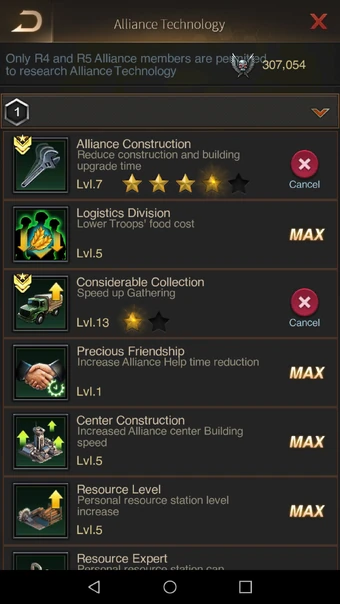
Credit: lss.fandom.com
Food Consumption In Troop Management
Managing food consumption effectively is key to maintaining a strong and ready troop in Last Shelter Survival. Every building that trains, heals, or supports your troops consumes food, which makes understanding where your resources go crucial. If you want your army to thrive, you must pay close attention to how your food is used in troop management.
Training New Units
Training new units is one of the biggest food consumers in your base. Each unit requires a certain amount of food to be recruited, and as you add more troops, your daily food consumption increases rapidly.
Have you noticed how training multiple high-level units at once can drain your food reserves? Balancing the number of units you train simultaneously with your food production is essential to avoid shortages.
Try prioritizing units that give you the best advantage in battles instead of training everything at once. This strategy helps you stretch your food supply further and build a more effective army.
Troop Recovery And Healing
After battles, your troops need to recover, and this process consumes food as well. Healing wounded units requires continuous food supplies, which can add up quickly if you have many injured soldiers.
Ignoring troop recovery can weaken your army, but overspending on food for healing can leave you vulnerable in other areas. Finding the right balance is key.
Consider setting up healing schedules or rotating troops to manage food consumption while keeping your army battle-ready.
Resource Allocation Strategies
Smart resource allocation can help you control food consumption across your buildings. Allocating food to critical buildings that boost troop strength or speed up training is a practical way to maximize your resources.
Think about using a priority list for food distribution—train essential units first, allocate food for healing only when necessary, and avoid overproducing food-consuming units.
Have you experimented with adjusting your resource flow to see which setup keeps your food stable while growing your army? Small tweaks can lead to big improvements in your game performance.
Balancing Food Supply And Demand
Balancing food supply and demand is essential in Last Shelter Survival. Buildings consume food continuously to keep your population alive and productive. Managing this balance helps prevent shortages and keeps your community strong.
Improving Farm Efficiency
Farms are the main source of food production. Upgrade farms to increase their output. Use workers and technology to speed up farming. Plant crops that grow faster or yield more food. Efficient farms reduce the risk of food scarcity.
Food Storage And Preservation
Food storage buildings hold your food safely. Upgrade storage to increase capacity and prevent spoilage. Proper storage keeps food fresh longer. This helps during times of low production or attacks. Always monitor storage levels to avoid waste.
Trade And Resource Exchange
Trade helps balance food supply by exchanging resources. Use the market or alliances to trade surplus food for needed items. Trading can fill gaps when farms cannot meet demand. Good trade strategies support a steady food flow.

Credit: www.youtube.com
Impact Of Food Consumption On Gameplay
Food consumption in Last Shelter Survival plays a critical role in shaping your gameplay experience. Managing food resources efficiently affects how well your shelter thrives and withstands challenges. Understanding the impact of food consumption can help you make smarter decisions to keep your base running smoothly.
Survival During Attacks
Your troops need food to stay strong during attacks. If your food supply drops too low, your army’s effectiveness decreases, making it easier for enemies to overpower you. Have you noticed how a well-fed army lasts longer on the battlefield? Keeping your food production buildings upgraded ensures your defense stays solid.
Expanding Your Shelter
Every new building and soldier you add demands more food. Expansion without managing food consumption can quickly lead to shortages, slowing down growth. Focus on balancing your shelter’s size with a steady increase in food production to avoid bottlenecks.
Long-term Resource Planning
Food isn’t just for the short term; it’s a resource you must plan for far into the future. Building up food reserves can protect you during unexpected raids or events that spike consumption. Think about how you can schedule upgrades and troop training around your food availability to maintain steady progress.

Credit: www.youtube.com
Frequently Asked Questions
Which Buildings Consume Food In Last Shelter Survival?
In Last Shelter Survival, buildings like Headquarters, Barracks, and Hospital consume food. These structures require food to keep troops and staff active and healthy during gameplay.
How Does Food Consumption Affect Building Efficiency?
Food consumption directly impacts building efficiency. If food supply is low, troop training and healing slow down, reducing overall base performance and defense capability.
Can Upgrading Buildings Reduce Food Consumption?
Upgrading buildings does not reduce food consumption. Instead, higher-level buildings often increase food demand due to more troops or advanced functions requiring nourishment.
Why Is Managing Food Important For Building Operations?
Managing food ensures continuous operation of key buildings. Without enough food, troop production halts, healing stops, and base defense weakens, risking survival in the game.
Conclusion
Buildings in Last Shelter Survival need food to keep running. Knowing which ones use food helps manage your resources well. Keep an eye on these buildings to avoid shortages. Feeding your troops and workers keeps your shelter strong. Plan your food supply carefully to support growth and defense.
Smart food use means a better chance to survive. Balance your food with other resources for success. Stay prepared and your shelter will stand firm.


