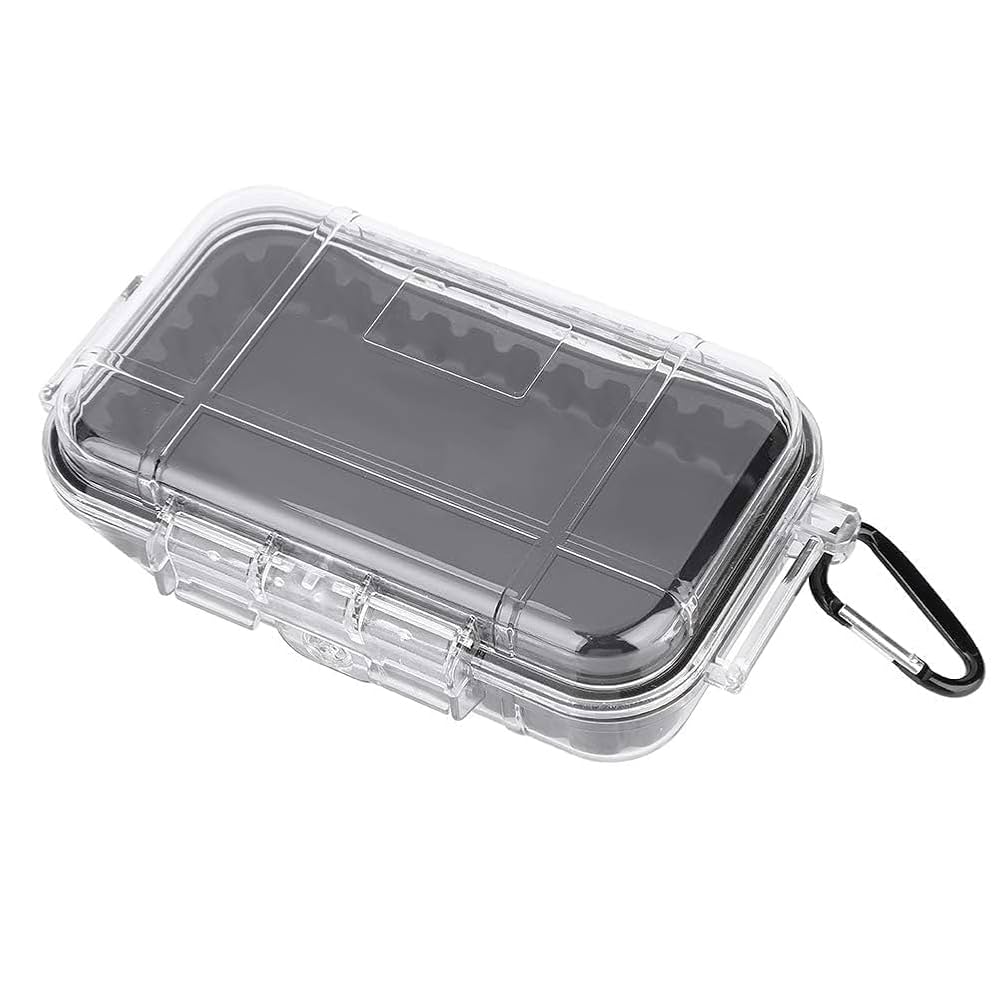
Have you ever wondered how long your clothes could last if stored in an airtight, waterproof container? Whether you’re preparing for emergencies, planning long-term storage, or simply want to protect your favorite outfits from damage, knowing the lifespan of clothes in such conditions is crucial.
You’ll discover the surprising factors that affect clothing durability and how to make your garments last longer than you ever expected. Keep reading to find out exactly what happens to your clothes inside those sealed containers—and how you can maximize their survival.

Credit: www.amazon.com
Factors Affecting Clothes Preservation
Several factors influence how long clothes last inside an airtight waterproof container. These factors determine the condition of fabric over time. Understanding them helps in preserving clothes effectively. Each element affects the material differently, shaping its durability and appearance.
Material Types And Durability
Different fabrics react differently to storage conditions. Natural fibers like cotton and wool break down faster than synthetic ones. Synthetic materials resist moisture and pests better. Some fabrics fade or weaken more quickly under stress. Choosing the right material impacts how long clothes stay fresh.
Moisture And Humidity Impact
Moisture inside the container causes mold and mildew growth. Even small amounts of humidity harm fabrics over time. Airtight containers reduce moisture but do not eliminate it completely. Using moisture absorbers can help keep humidity low. Dry environments extend clothes’ lifespan significantly.
Temperature Influence
High temperatures speed up fabric degradation. Heat can cause colors to fade and fibers to weaken. Cooler, stable temperatures slow down damage. Avoid storing clothes near heat sources or in direct sunlight. Temperature control inside the container is crucial for preservation.
Light Exposure Effects
Light, especially UV rays, fades fabric colors quickly. Airtight containers block most light, protecting clothes. Transparent containers allow light to pass through. Keeping containers in dark places prevents color loss. Reducing light exposure helps maintain fabric quality longer.
Airtight Container Benefits
Using an airtight waterproof container to store your clothes can greatly extend their lifespan. These containers create a controlled environment that shields your garments from common threats. Understanding the benefits of airtight storage helps you protect your wardrobe more effectively.
Protection From Airborne Pollutants
Airborne pollutants like dust, smoke, and dirt can settle on your clothes and degrade fabric quality over time. An airtight container stops these particles from reaching your garments, keeping them clean and fresh. Have you ever noticed how clothes stored openly tend to smell stale or look dull? Airtight storage prevents that by blocking contaminants completely.
Barrier Against Pests
Insects such as moths and silverfish love to damage fabrics, especially natural fibers like wool and cotton. An airtight container acts as a strong barrier, denying pests access to your clothes. If you’ve ever found holes in your favorite sweater, you know how frustrating this can be. Sealing clothes tightly keeps these unwanted guests away without the need for chemical repellents.
Reduction Of Oxidation
Oxidation causes colors to fade and fabrics to weaken over time. Oxygen in the air reacts with fibers, leading to this gradual breakdown. By removing air from the container, you reduce oxygen exposure significantly. This slows down aging and helps maintain the original look and feel of your clothes for much longer.
Potential Deterioration Processes
Storing clothes in an airtight, waterproof container might sound like a foolproof way to keep them safe. However, certain deterioration processes can still take place inside, affecting your garments over time. Understanding these risks helps you make better choices and extend the life of your clothes while in storage.
Mold And Mildew Growth
Even in airtight conditions, mold and mildew can develop if moisture is trapped inside. Clothes that aren’t completely dry before sealing are especially vulnerable.
These fungi thrive in dark, damp environments and can cause musty odors and visible spots. Have you ever opened a container and found that unpleasant smell? That’s a clear sign of mold growth, which damages fabric fibers and poses health risks.
To avoid this, ensure clothes are fully dry and consider adding moisture absorbers like silica gel packs. Regular checks can help you catch early signs before serious damage occurs.
Fabric Degradation
Fabric fibers can weaken or break down over time due to trapped moisture, temperature changes, or chemical reactions within a sealed container.
Natural fibers like cotton and wool are more prone to degradation compared to synthetic ones. You might notice your clothes becoming brittle or losing softness after long storage periods.
Think about your last storage experience—did your sweaters feel rough or fragile afterward? This can happen if the environment inside the container isn’t perfectly controlled.
Color Fading And Staining
Colors can change or fade when clothes are stored tightly sealed. Lack of air circulation and exposure to residual moisture can cause dyes to bleed or fade unevenly.
Stains that were not fully cleaned might set deeper in such conditions, making them harder to remove later. Have you found old stains looking worse after storage?
Protect your clothes by washing and drying them thoroughly before packing. Using acid-free tissue paper between layers can reduce color transfer and staining risks.

Credit: www.thermapparel.com
Estimated Survival Timeframes
Clothes stored in an airtight, waterproof container can last much longer than those kept in regular storage. The container blocks moisture, air, and insects, which cause damage. Knowing how long different fabrics last helps in planning storage and care.
Natural Fibers Lifespan
Natural fibers like cotton, wool, silk, and linen have limited lifespans even in sealed containers. These materials can last from 1 to 5 years if stored correctly. Over time, natural fibers may yellow, weaken, or develop odors. Moisture trapped inside can cause mold growth, damaging the fabric quickly.
Synthetic Fibers Longevity
Synthetic fabrics such as polyester, nylon, and acrylic last longer than natural fibers. They resist moisture and pests better. In airtight, waterproof containers, synthetics can survive 5 to 10 years or more without major damage. However, extreme heat or sunlight exposure before storage can reduce their lifespan.
Effects Of Storage Conditions
Temperature, humidity, and light affect fabric survival inside containers. Cooler, dry places help extend lifespan. Constant temperature prevents fiber breakdown. Avoid storing containers in direct sunlight or near heat sources. Regularly checking the container for leaks or moisture build-up keeps clothes fresh longer.
Best Practices For Long-term Storage
Storing clothes in an airtight waterproof container can keep them safe for years. Proper steps help maintain fabric quality and prevent damage. Following best practices ensures clothes stay fresh and wearable over long periods.
Pre-storage Cleaning
Always wash clothes before storing. Dirt and oils attract pests and cause stains. Dry clothes completely to stop mold and mildew growth. Clean fabrics last longer and stay odor-free.
Use Of Desiccants
Desiccants absorb moisture inside containers. They prevent dampness that damages fabric fibers. Silica gel packets or moisture absorbers work well. Replace them regularly to keep humidity low.
Container Material Selection
Choose containers made of durable, non-reactive materials. Plastic or metal containers with airtight seals work best. Avoid cardboard or fabric bags that allow air and moisture in. Clear containers help check contents without opening.
Periodic Inspection
Check stored clothes every few months. Look for signs of moisture, mold, or pests. Replace desiccants if damp or saturated. Air out clothes briefly to maintain freshness. Early detection prevents long-term damage.

Credit: www.ebay.com
Frequently Asked Questions
How Long Can Clothes Last In Airtight Containers?
Clothes can last several years in airtight, waterproof containers. The absence of moisture and air slows fabric degradation and mold growth.
Does Airtight Storage Prevent Fabric Damage?
Yes, airtight storage limits exposure to oxygen and humidity, reducing fabric wear and discoloration over time.
Can Airtight Containers Stop Mold On Clothes?
Airtight containers greatly reduce mold risk by blocking moisture. However, clothes must be dry before storage to prevent mold.
What Materials Best Protect Clothes In Airtight Containers?
Use acid-free tissue paper and sealed plastic bags inside containers. These materials prevent fabric yellowing and damage during long storage.
Conclusion
Clothes stored in airtight, waterproof containers stay dry and clean longer. They resist damage from moisture and pests well. Over time, fabric quality may slowly change but lasts much longer than usual. Proper storage helps keep clothes fresh and wearable for months or even years.
Choosing the right container is key to protecting your clothes. This simple step can save money and reduce waste. Keep your garments safe by using airtight, waterproof storage today.

