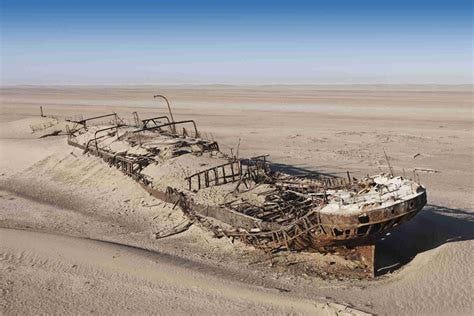
Imagine standing on the edge of one of the most remote and mysterious places on Earth—the Skeleton Coast in Namibia. The harsh winds, endless dunes, and rugged coastline might make you wonder: where can you find shelter to survive here?
If you’re planning a trip or just curious about this unique landscape, understanding the shelter options is crucial for your safety and comfort. You’ll discover exactly what kind of shelter can protect you from the elements of the Skeleton Coast and how it can turn a challenging environment into an unforgettable adventure.
Keep reading to learn how to stay safe and enjoy this wild, beautiful place.
Skeleton Coast Overview
The Skeleton Coast in Namibia is a place unlike any other. It stretches along the Atlantic Ocean, where the desert meets the sea in a dramatic, haunting landscape. Understanding this unique region helps you appreciate why shelters here are crucial for survival in such an extreme environment.
Location And Landscape
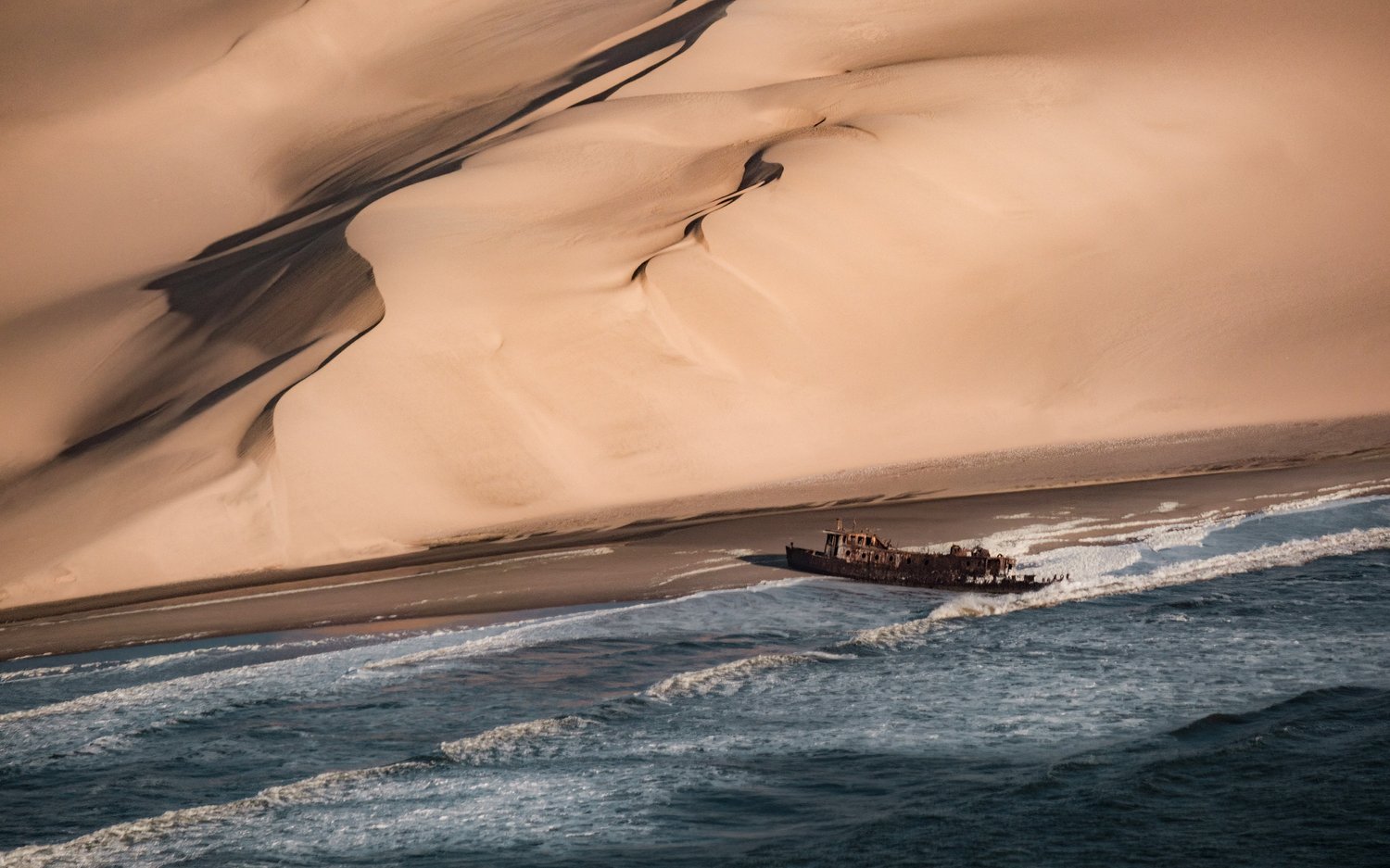
The Skeleton Coast runs along the northwest shore of Namibia, covering roughly 500 kilometers of coastline. This area is known for its vast sandy beaches, towering dunes, and rocky outcrops. The landscape feels both raw and remote, making it a challenging place to navigate without proper shelter or guidance.
Have you ever wondered how people survive in a place that looks so barren and unforgiving? The answer lies in understanding the land’s secrets and respecting its power.
Climate And Weather
The climate here is arid and harsh. Fog often rolls in from the Atlantic, providing a rare source of moisture in this desert zone. Temperatures can swing dramatically—hot during the day and surprisingly cold at night.
These weather extremes make shelter not just a comfort but a necessity. Without protection, you risk dehydration, heatstroke, or hypothermia.
Wildlife And Vegetation
Despite its tough conditions, the Skeleton Coast supports a surprising variety of life. You’ll find desert-adapted animals like oryx, jackals, and hyenas. Coastal waters attract seals and seabirds, creating a unique ecosystem.
Vegetation is sparse but resilient, with hardy shrubs and grasses managing to survive in sandy soils. This delicate balance shows how life finds a way, even in the most unlikely places.

Credit: www.wildernessdestinations.com
Survival Challenges
Surviving in the Skeleton Coast of Namibia is no easy task. The region pushes your limits with its unforgiving nature and scarce resources. Understanding these survival challenges is crucial if you ever find yourself seeking shelter here.
Harsh Environmental Conditions
The Skeleton Coast is known for its extreme temperatures that swing dramatically from scorching heat during the day to freezing cold at night. The relentless wind adds another layer of difficulty, making it hard to maintain body temperature and conserve energy.
These conditions can drain your strength quickly. Have you thought about how you’d protect yourself from such drastic weather shifts without proper gear?
Limited Water Sources
Water is incredibly scarce along the Skeleton Coast. You won’t find rivers or lakes, and groundwater is often salty or contaminated. This scarcity forces you to carefully manage any water you have and search for alternative sources like morning dew or succulents.
Without reliable water, dehydration sets in fast. Would you know how to identify safe water sources or ration your supply effectively when every drop counts?
Navigational Hazards
The landscape is a confusing mix of vast sand dunes, rocky outcrops, and dense fog that can roll in unexpectedly. These features make it easy to lose your sense of direction even if you have a compass.
Getting lost here can be dangerous. How would you navigate through such a disorienting environment while conserving your energy and staying on course?
Types Of Shelter
The Skeleton Coast in Namibia is known for its harsh environment. Shelter is vital for survival here. Different types of shelter provide protection from wind, sun, and cold. Understanding these options helps travelers and adventurers prepare well.
Natural Shelters
Natural shelters use the environment for protection. Rock formations offer shade and block strong winds. Large dunes can shield from sandstorms. Trees and bushes provide cover and a cooler spot. Using natural shelters means less need to carry gear.
Man-made Shelters
Man-made shelters are built for safety and comfort. Tents are common for travelers and explorers. They are easy to carry and set up quickly. Wooden huts or cabins offer stronger protection. Some campsites have permanent structures for rest and supplies. These shelters help survive the tough climate.
Temporary Vs Permanent Options
Temporary shelters are quick and flexible. They suit short trips or emergencies. Tents and tarps fall under this category. Permanent shelters are sturdy and long-lasting. They provide better protection from weather. Camps or lodges on the Skeleton Coast offer permanent shelter. Choosing the right type depends on the trip length and needs.
Credit: www.catalystplanet.com
Building A Shelter
Building a shelter on the Skeleton Coast in Namibia is essential for survival against harsh weather and wildlife. It’s not just about putting up walls; it’s about creating a safe, stable refuge that protects you from relentless winds and scorching sun. Your shelter becomes a lifeline, so every choice matters.
Choosing The Right Location
Look for natural windbreaks like large rocks or dunes to reduce exposure to fierce coastal winds. Avoid low-lying areas that might flood during rare rains. Think about proximity to fresh water sources, but not so close that animals might frequent your spot.
Have you considered how the sun moves throughout the day? Position your shelter so it gets shade during the hottest hours. This small detail can make a huge difference in comfort and energy conservation.
Materials To Use
The Skeleton Coast offers surprising resources for shelter building. Driftwood is scattered along the shore, providing sturdy frames. You can also find tough grasses and thorny bushes useful for walls or roofing.
Using materials that blend with the environment helps your shelter stay hidden from wildlife or unwanted attention. Remember, the right materials aren’t just about strength—they affect insulation and camouflage too.
Construction Techniques
Start by creating a strong frame with driftwood or branches, securing them tightly to withstand wind gusts. Layer thorny bushes or grass mats on the frame to block wind and insulate.
Try weaving grasses or flexible branches to form walls that let air pass without losing warmth. If you’ve got a tarp or cloth, use it to cover the roof, but weigh it down carefully to prevent it from flying off.
Have you tested how your shelter stands after a windstorm or a chilly night? Adjusting the design based on these experiences ensures your shelter truly supports your survival.
Essential Survival Gear
Essential survival gear is your lifeline when facing the harsh conditions of the Skeleton Coast in Namibia. Without the right items, even the most experienced adventurers can find themselves in serious trouble. Preparing your shelter and packing smart gear can make all the difference between a tough experience and a life-saving one.
Tools And Equipment
Having reliable tools can keep you safe and comfortable. A sturdy multi-tool, a sharp knife, and a durable hatchet are invaluable for building shelter or cutting firewood. Don’t forget a high-quality flashlight or headlamp with extra batteries—darkness arrives quickly in the desert.
Personal experience taught me that a compact emergency whistle saved valuable time when signaling for help. What tools would you rely on if you had to craft a shelter from scratch?
Clothing And Protection
Protect your skin from relentless sun and biting winds with the right clothing. Lightweight, long-sleeve shirts and pants made of breathable fabric shield you from UV rays without overheating. A wide-brimmed hat and UV-blocking sunglasses guard your face and eyes.
When I underestimated the wind chill one evening, a windbreaker and thermal layers proved lifesavers. Are you prepared for the temperature swings that come with desert nights?
Water And Food Storage
Storing and carrying water efficiently can’t be overlooked. Use sturdy, leak-proof containers that are easy to refill and clean. Collapsible water bladders save space when empty but hold plenty of liquid when needed.
For food, pack lightweight, high-energy options like nuts, dried fruits, and energy bars. Proper storage in airtight containers keeps your supplies fresh and safe from pests. How will you ensure your food and water last as long as your journey?
Safety Tips
Visiting the Skeleton Coast in Namibia demands careful attention to safety. The environment is wild and often harsh. Following safety tips helps protect you from risks and ensures a better experience. Learn how to avoid dangers related to wildlife, heat, and emergencies.
Avoiding Wildlife Encounters
Wild animals roam freely along the Skeleton Coast. Keep a safe distance from all animals. Never approach or feed them. Stay inside your vehicle during drives. Make noise to alert animals of your presence. Avoid walking alone, especially near water or dense bushes. Carry a whistle or noise maker for emergencies.
Dealing With Extreme Heat
Temperatures can rise quickly under the desert sun. Wear light, loose clothing to stay cool. Use a wide-brimmed hat and sunglasses for sun protection. Apply sunscreen frequently on exposed skin. Drink plenty of water throughout the day. Avoid physical activity during midday heat. Rest in shaded areas whenever possible.
Emergency Communication
Cell phone signals may be weak or missing in remote areas. Carry a satellite phone or a GPS device with emergency features. Inform someone about your travel plans and expected return time. Keep a list of emergency contacts handy. Know the locations of nearby ranger stations or help centers. Always carry a first aid kit for minor injuries.
Guided Tours And Facilities
The Skeleton Coast in Namibia is a rugged and remote destination that demands careful planning and expert guidance. Guided tours provide a safe and insightful way to experience this harsh yet captivating landscape. Alongside these tours, a range of facilities and services ensure your visit is both comfortable and unforgettable.
Available Accommodation
Accommodation options near the Skeleton Coast are limited but thoughtfully designed to blend with the environment. You can find lodges and campsites that offer basic amenities along with spectacular views of the desert and ocean.
Some lodges provide guided safari packages, allowing you to stay close to nature without sacrificing comfort. Would you prefer a rustic tent under the stars or a cozy cabin with modern facilities? Your choice will shape the kind of experience you have here.
Tour Operators
Several specialized tour operators focus exclusively on Skeleton Coast adventures. These companies employ experienced guides who know how to navigate the challenging terrain and share stories about the area’s history and wildlife.
Choosing a reputable operator can make a huge difference in your trip’s success and safety. Look for tours that include vehicle support, expert guides, and small group sizes to get the most personalized experience.
Local Support Services
Local services play a crucial role in supporting travelers to this remote area. From vehicle rentals to emergency medical aid, these services ensure your journey is smooth and secure.
Engaging with local communities not only helps you access necessary support but also enriches your understanding of the region. Have you considered how local knowledge might enhance your adventure in ways you hadn’t expected?
Preparing For The Journey
Preparing for the journey to the Shelter to Survive the Skeleton Coast in Namibia demands careful planning. The region’s harsh environment requires visitors to be ready both physically and mentally. Understanding what to bring and knowing the rules helps ensure a safe and enjoyable experience. Preparation reduces risks and makes the adventure more rewarding.
Physical Fitness
The Skeleton Coast is tough. Visitors need good stamina and strength. Walking on sand and rocky terrain can be tiring. Heat and wind add extra challenges. Regular exercise before the trip helps. Focus on cardio, leg strength, and flexibility. Being fit reduces fatigue and injury chances. Simple daily walks or light runs work well.
Packing Essentials
Packing smart is vital. Bring items for safety, comfort, and survival. Here is a list of must-haves:
- Sturdy hiking boots
- Lightweight, breathable clothing
- Wide-brimmed hat and sunglasses
- High SPF sunscreen
- Plenty of water and a water filter
- Basic first aid kit
- Portable shelter or tent
- Navigation tools such as maps and GPS
- Non-perishable snacks
Pack light but cover all essentials. Overpacking can slow you down.
Permits And Regulations
Visitors must get proper permits before entering the Skeleton Coast. The area is protected by Namibian law. Permits help control the number of people and protect wildlife. Check with local authorities or tour operators for the latest rules. Follow all guidelines strictly. Respecting regulations keeps the environment safe for everyone.

Credit: www.youtube.com
Frequently Asked Questions
What Is The Skeleton Coast Known For?
The Skeleton Coast is famous for its shipwrecks and treacherous coastline. It stretches along Namibia’s northern Atlantic coast. The area is known for its desolate beauty and unique wildlife. Visitors can explore the harsh environment while learning about the region’s history and conservation efforts.
How Do You Survive On The Skeleton Coast?
Surviving the Skeleton Coast requires preparation and respect for the environment. It’s crucial to travel with a guide. Bring sufficient supplies, including water and food. Stay informed about weather conditions and follow safety guidelines. Ensure your vehicle is equipped for off-road terrain and emergencies.
Are There Accommodations On The Skeleton Coast?
Yes, there are accommodations available on the Skeleton Coast. Options range from basic campsites to luxury lodges. These lodgings offer a base for exploring the coastline. Visitors can enjoy guided tours, wildlife sightings, and breathtaking landscapes. Booking in advance is recommended due to limited availability.
What Wildlife Can You See On The Skeleton Coast?
The Skeleton Coast is home to unique wildlife, including desert-adapted elephants and lions. Seals inhabit the coastal areas, and birdwatchers can spot various bird species. The harsh environment supports a surprising diversity of life. Visitors can experience the delicate balance of nature in this remote location.
Conclusion
Surviving in the Skeleton Coast of Namibia needs smart shelter choices. Strong, reliable shelters protect you from harsh winds and sandstorms. They keep you safe from extreme heat and cold nights. Simple materials and good planning make a big difference.
Always prepare well before exploring this wild area. Remember, safety and shelter go hand in hand here. Respect nature and stay alert. With the right shelter, your adventure becomes safer and more enjoyable. Stay safe, stay prepared, and enjoy the unique beauty of the Skeleton Coast.


