Have you ever wondered how humans managed to survive without clothes? It’s hard to imagine facing cold nights, harsh sun, or rough terrain without the protection we take for granted today.
Yet, long before fabric and fashion, our ancestors found ways to stay safe and comfortable. You’ll discover surprising facts about human survival, the clever tricks nature provided, and how your own body once played a vital role in keeping you alive.
Keep reading, and you’ll see just how resourceful humans really are—even without a single stitch of clothing.
Early Human Adaptations
Before clothes became a part of human life, early humans had to rely on their natural bodies to face the challenges of various environments. Their survival depended on several adaptations that helped protect them from cold, heat, and injuries. These physical traits acted as the first line of defense and kept them thriving long before fabrics and garments existed.
Skin As Natural Armor
Your skin is more than just a covering; it’s a powerful shield. Early humans had thicker and tougher skin in many areas, which helped protect against cuts, scrapes, and insect bites. The skin also played a role in blocking harmful UV rays, reducing the risk of sunburn and damage.
Think about how you’ve experienced sunburn or scratches—now imagine dealing with those without any clothing to protect you. The skin’s natural resilience was crucial to avoid infections and wounds that could slow early humans down or lead to serious health problems.
Body Hair And Protection
Body hair served as a natural barrier against the elements. It provided warmth during cold nights and shielded the skin from direct sunlight during the day. Although humans eventually lost much of their body hair, the hair that remained in key areas like the scalp and underarms helped regulate temperature and offered some protection.
Have you noticed how animals use their fur for warmth and protection? Our ancestors’ body hair worked similarly, creating a microclimate close to the skin that helped maintain comfort and safety.
Sweat And Temperature Control
Sweating was an essential adaptation for managing body heat. Early humans had more sweat glands than many other animals, allowing them to cool down efficiently through evaporation. This gave them an advantage, especially during long hunts or physical exertion in hot climates.
Imagine running across open savannas under the sun without the ability to sweat properly—it would be exhausting and dangerous. Your body’s cooling system kept you moving and surviving where others might have overheated and given up.
Environmental Challenges
Humans survived without clothes by adapting to the many environmental challenges they faced daily. Nature demanded quick thinking and clever use of surroundings to stay safe and comfortable. Understanding how early humans managed these challenges can give you new ideas about resilience and resourcefulness.
Cold Climate Survival
Imagine waking up on a chilly morning with no jacket or blanket. Early humans used their bodies wisely to generate heat—huddling together for warmth and using their breath to warm their hands.
They also learned to move actively to keep blood flowing, preventing frostbite. Your own body reacts similarly when cold; staying still is the real danger. How often do you underestimate the power of simple movement to stay warm?
Heat And Sun Exposure
Surviving intense heat without clothes meant finding ways to protect the skin from burning. Early humans sought shade during peak sunlight hours and used mud or clay as natural sunblock.
They drank water frequently to avoid dehydration and rested during the hottest parts of the day. You might think clothes are the only barrier against sun damage, but nature offers many alternatives worth trying.
Shelter And Natural Cover
Without fabric, shelter became a vital form of protection. Caves, dense forests, and overhanging rocks provided natural cover against weather extremes.
Building simple windbreaks from branches and leaves helped block harsh winds and rain. Have you ever noticed how much better you feel after finding a sheltered spot outdoors? It’s a direct connection to how survival instincts still shape your comfort today.
Behavioral Strategies
Before humans wore clothes, they used smart behaviors to survive cold and harsh environments. These behavioral strategies helped them stay warm and safe. People relied on their actions and social skills more than physical protection. These strategies were key to facing cold nights and difficult weather.
Fire Use And Warmth
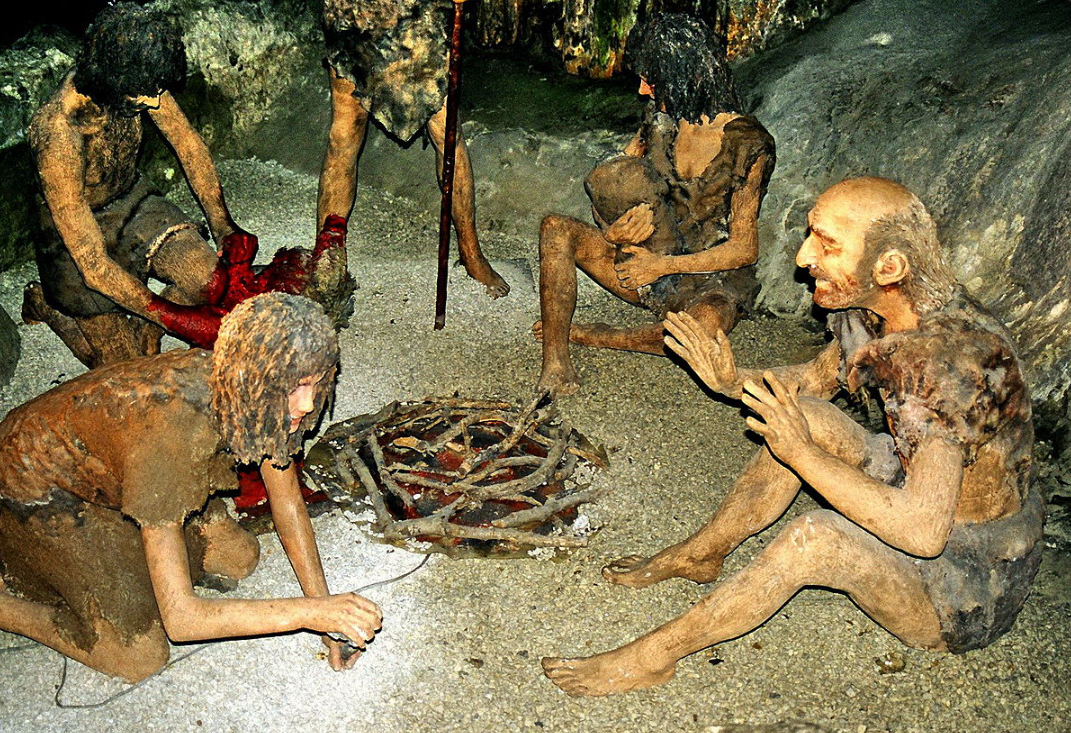
Early humans learned to make and keep fire. Fire gave them warmth during cold nights. It helped cook food, making it easier to eat and digest. Fire also kept dangerous animals away. Sitting close to a fire was a simple way to stay warm without clothes.
Social Cooperation
Humans lived in groups to help each other survive. Sharing body heat by huddling together was common. Groups worked as teams to hunt and gather food. They built shelters together for protection. Helping each other made survival easier in cold weather.
Migration Patterns
Humans moved to find better climates and food sources. Traveling to warmer places helped avoid harsh winters. Migration allowed them to follow animals and plants for food. Moving often was a natural way to stay safe without clothes.

Credit: www.newindianexpress.com
Diet And Physical Fitness
Humans survived without clothes by relying heavily on their diet and physical fitness. Their food choices and activity levels shaped their ability to endure harsh environments. Proper nutrition provided energy and strength. Physical fitness helped regulate body temperature and improve survival chances.
Nutrition For Endurance
Early humans ate a variety of foods that gave long-lasting energy. They consumed:
- Roots and tubers for carbohydrates
- Meat and fish for protein
- Fruits and nuts for vitamins and fats
This balanced diet supported sustained energy release. High-protein foods helped muscle repair and growth. Healthy fats insulated the body and stored energy. Water and minerals kept the body hydrated and functioning well.
Physical Activity And Strength
Daily physical activity kept early humans strong and fit. They walked long distances hunting and gathering. Climbing and running built muscle and improved endurance. Their active lifestyle increased blood flow and body heat.
Strong muscles helped protect against cold without clothes. Fitness improved the body’s ability to recover from injuries. Physical strength was vital for survival tasks and adapting to changing climates.
Cultural And Symbolic Beginnings
Before humans wore clothes as we know them, they expressed themselves and navigated the world through cultural and symbolic practices. These early behaviors shaped social bonds and personal identity, helping communities survive and thrive. Understanding these beginnings reveals much about human nature and our need for connection beyond mere survival.
Body Decoration And Identity
Humans used body decoration to show who they were and where they belonged. Painting skin, tattooing, or wearing beads helped people communicate without words. This kind of expression built trust and set individuals apart within groups.
Think about your own experience with style or accessories. They say something about you, right? Early humans did the same, using natural materials to craft these signals. This helped them form alliances or warn others of danger.
- Colors made from plants or minerals highlighted status or role.
- Patterns and symbols marked achievements or group membership.
- Adornment created a sense of belonging and safety.
Early Tools And Clothing Origins
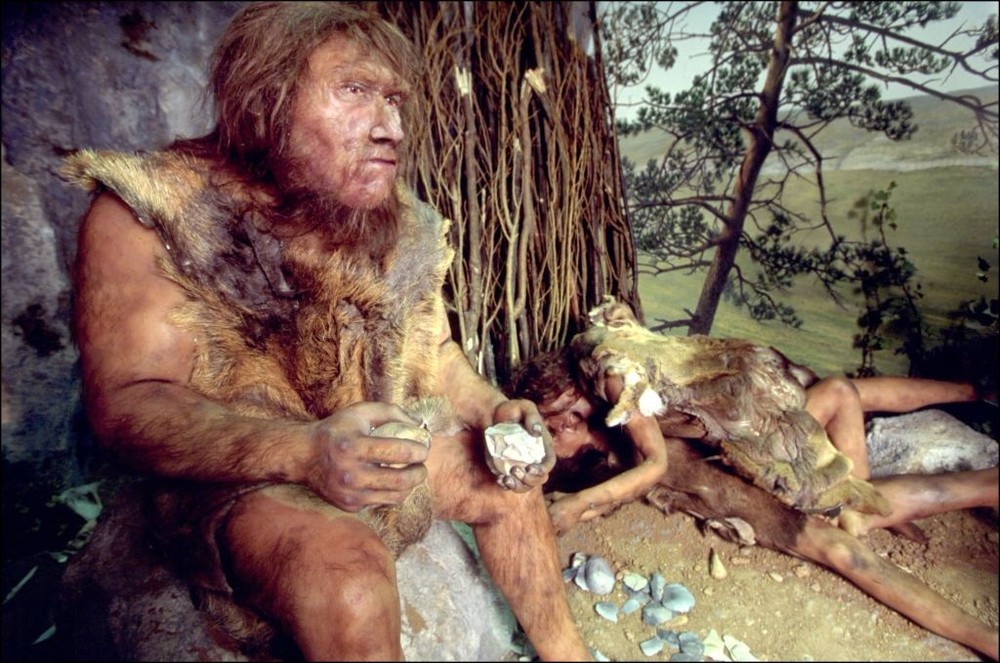
Before sewn clothes existed, early humans used simple tools to protect themselves. Sharp stones and bones helped them cut animal skins for warmth and shelter. These rudimentary items marked the start of clothing development.
Imagine trying to survive cold nights without anything to cover yourself. Early humans used what they had—animal hides, plant fibers—to create basic coverings. This wasn’t just about comfort; it was a survival strategy born from necessity and ingenuity.
| Tool Type | Purpose | Material |
|---|---|---|
| Flint Knife | Cutting animal skins | Stone |
| Bone Needle | Sewing hides together | Animal bone |
| Awl | Making holes in leather | Sharp bone or stone |
What does your choice of clothing say about you today? Early humans began answering this question through practical tools and cultural expression. Their creativity laid the foundation for the complex relationship between humans and clothing that continues now.

Credit: uk.news.yahoo.com
Credit: www.gbnews.com
Frequently Asked Questions
How Did Early Humans Protect Themselves Without Clothes?
Early humans used natural resources like animal hides and plant fibers to shield their skin. They also relied on body hair for warmth and camouflage. Shelter and fire provided essential protection from cold and predators, ensuring survival before clothing was invented.
What Strategies Helped Humans Survive Without Wearing Clothes?
Humans adapted by using fire for warmth and cooked food for nutrition. They developed social cooperation for hunting and gathering. Physical adaptations like sweat glands helped regulate body temperature, enabling survival in diverse environments without clothing.
How Did Humans Stay Warm Without Clothes In Cold Climates?
Humans built shelters from wood, leaves, and animal skins to trap heat. They used fire constantly for warmth and cooked food to maintain energy. Group living helped share body heat, and behavioral changes like huddling improved cold endurance.
Did Humans Use Any Natural Materials Before Making Clothes?
Yes, early humans used animal hides, leaves, and bark as primitive coverings. These materials provided basic protection from weather and insects. Over time, they learned to process and sew these materials, leading to the creation of actual clothing.
Conclusion
Humans survived without clothes by adapting to nature’s challenges. They used natural materials like leaves and animal skins for warmth and protection. Their bodies adjusted to different climates over time. Communities worked together to find shelter and keep safe. Survival depended on creativity and learning from the environment.
This shows how strong and resourceful early humans were. Clothes came later, making life easier but not always necessary. Understanding this helps appreciate human history and resilience.

