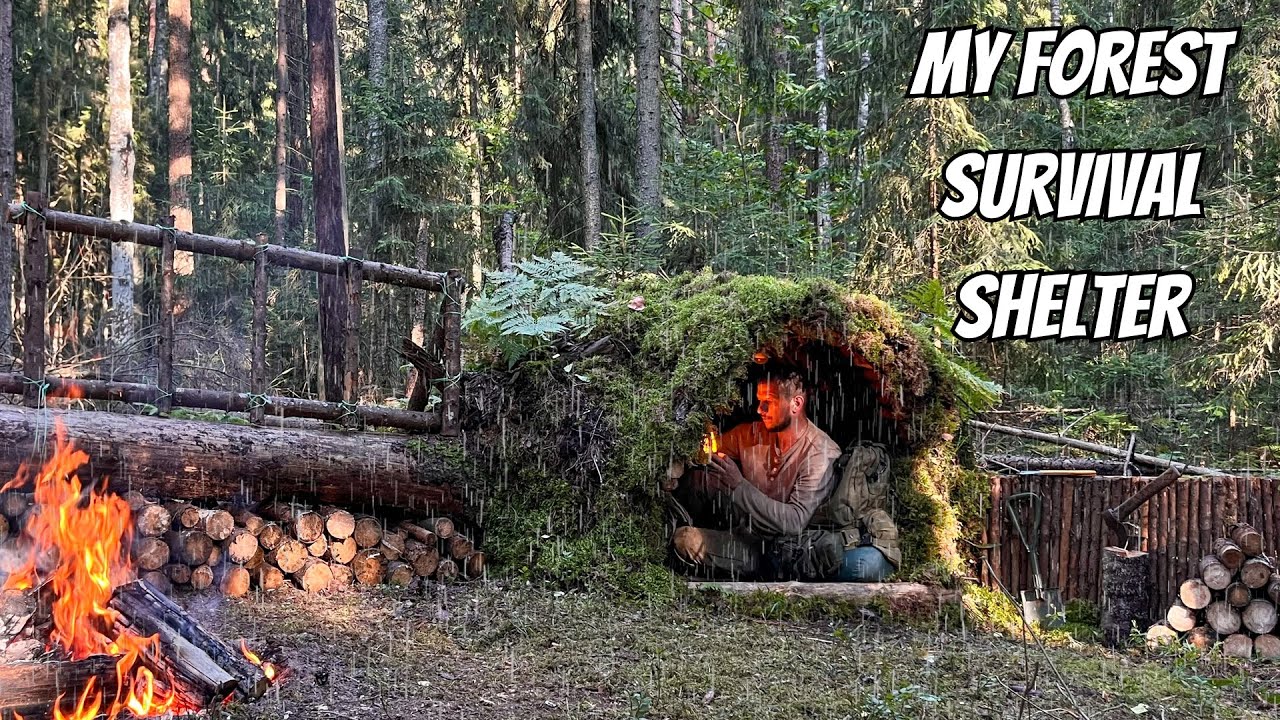
Imagine you’re alone in the wilderness. Night is falling, temperatures are dropping, and you need a safe place to stay.
Where do you go? Choosing the right spot for shelter can mean the difference between staying warm and dry or facing danger and discomfort. You’ll discover simple, proven tips to help you find the perfect shelter location. By the end, you’ll know exactly where to set up and how to protect yourself from the elements.
Keep reading—your survival depends on it.
Choosing Shelter Location
Choosing the right location for your shelter can make all the difference between comfort and danger in the wilderness. The spot you pick affects your safety, warmth, and access to resources. Think carefully about where you set up—your choice will impact how well you survive.
Assessing Terrain Features
Look for flat ground to build your shelter; uneven or sloped areas can cause discomfort and drainage problems. Natural formations like rock outcrops or dense trees can offer wind protection. But watch out for places where water might pool after rain—low spots can turn into mud traps or flood zones.
Have you ever noticed how a small hill can block a chilling wind? Use the land’s shape to your advantage. Avoid open ridges and exposed peaks that leave you vulnerable to the elements.
Avoiding Hazards
Safety is critical. Steer clear of areas under dead or unstable trees—they can fall without warning. Also, avoid setting up near animal trails or insect nests to minimize unwanted encounters.
Check the ground for signs of recent flooding or rockslides. These hints can save you from waking up in a dangerous situation. Ask yourself: Is this spot truly safe for the night?
Considering Weather Conditions
Think about the weather patterns in your area. If cold winds are common, position your shelter with a natural barrier on the windward side. In rainy conditions, ensure your shelter has good drainage and is not in a depression.
Sunlight is another factor. Morning sun can warm your shelter early, helping you dry out damp gear. But too much sun in hot climates might make your shelter uncomfortable, so find a balance that suits your needs.
Proximity To Water Sources
Water is essential, but being too close can bring risks. Staying within a reasonable distance—about 200 feet—is ideal to avoid insects and flooding while keeping water access easy. Always choose a spot uphill or away from the water’s edge to prevent unexpected rises.
Think about how you will collect and purify water. Is the nearby source reliable and clean? Planning your shelter location with water in mind can save you time and effort later.
Natural Shelter Options
Natural shelter options offer immediate protection from weather and wildlife. They can save energy and keep you safe. Choosing the right one depends on your environment and available resources.
Caves And Rock Overhangs
Caves and rock overhangs provide solid protection from rain and wind. They keep you dry and shielded from cold air. Check for signs of animals before entering. Use leaves or pine needles to create a soft sleeping area. Avoid deep caves that may trap air or water.
Dense Vegetation And Trees
Dense vegetation and trees form natural walls against wind and sun. Thick bushes block cold drafts and offer camouflage. Lean tree branches to create a simple roof. Use large leaves or moss for insulation. Avoid dead trees that might fall in strong wind.
Snow And Ice Structures
Snow and ice can be shaped into shelters like igloos or snow caves. These shelters trap body heat inside and block wind outside. Compact snow by hand or foot before building. Make a small entrance to keep warmth inside. Use a smooth floor to prevent heat loss.
Building A Shelter
Building a shelter is essential for survival in the wilderness. It protects from weather, insects, and wild animals. A well-built shelter keeps you warm and dry. Choosing the right location and materials makes a big difference. Comfort and safety depend on how you construct your shelter. Understanding insulation and ventilation improves your shelter’s effectiveness.
Materials To Use
Use natural materials found nearby. Wood, branches, leaves, and grass work well. Dry materials keep moisture away. Avoid using wet or rotten wood. Rocks can help stabilize the structure. Pine boughs make soft bedding. Use bark for walls and roofs. Collect enough materials before starting.
Shelter Types
- Lean-to:Simple, built against a tree or rock. Good for wind protection.
- Debris Hut:Made from sticks and covered with leaves. Great for insulation.
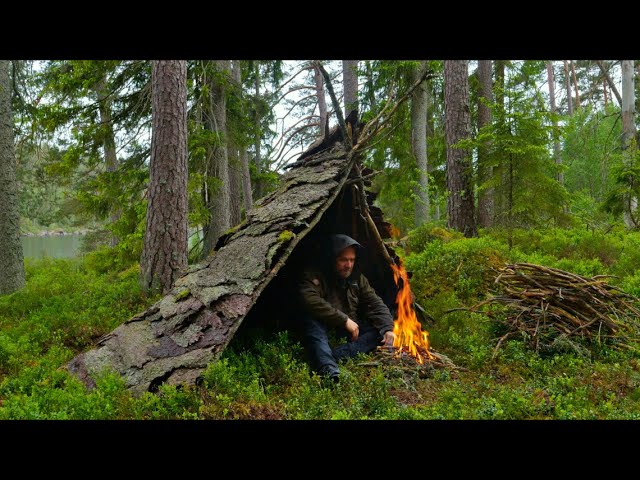
- A-frame:Triangular shape, strong and easy to build.
- Snow Cave:Suitable in snowy areas for warmth.
Insulation And Ventilation
Insulation keeps heat inside. Use leaves, moss, or pine needles. Add thick layers on the floor and walls. Ventilation lets fresh air in and smoke out. Create small gaps at the top or sides. Avoid sealing the shelter completely. Balance warmth and airflow for comfort.

Credit: www.youtube.com
Safety And Comfort
Safety and comfort are the foundation of a good shelter in the wilderness. Your shelter must protect you from harsh weather and keep you secure. It should also feel comfortable enough to rest and regain strength. Choosing the right spot and building properly ensures survival and well-being.
Keeping Warm And Dry
Staying warm and dry is crucial for survival. Find a location that is sheltered from wind and rain. Use natural materials like leaves, moss, or pine needles to insulate the floor. Avoid low spots where water can collect after rain. A dry shelter helps prevent hypothermia and illness.
Protecting From Wildlife
Wildlife can pose danger or disturb your rest. Set your shelter away from animal trails and water sources. Clear the area of sharp sticks and debris that could attract insects or small animals. Use natural barriers like thorny bushes or rocks to deter wildlife. Keep food stored securely away from your sleeping area.
Maintaining Shelter Stability
Your shelter must stand firm against wind and weather. Build on flat, firm ground to avoid collapse. Use strong branches or poles for the frame and tie them tightly with cord or vines. Check the structure regularly and reinforce weak spots. A stable shelter protects you through harsh conditions.
Emergency Shelter Tips
Building a reliable emergency shelter is one of the most important steps when you find yourself in the wilderness unexpectedly. Your shelter protects you from the elements, keeps you warm, and can even boost your morale. Knowing how to quickly create a safe space with limited resources can make a huge difference in your survival chances.
Improvised Shelter Ideas
Look around for natural features like fallen trees, rock overhangs, or dense bushes to form the base of your shelter. Using branches, leaves, and pine needles, you can create a lean-to or debris hut that blocks wind and rain. Don’t forget to build your shelter off the ground by piling leaves or pine boughs to stay dry and insulated.
Have you ever tried making a simple shelter from just sticks and leaves? It’s surprising how sturdy and warm these can be with the right layering. Try to face your shelter entrance away from prevailing winds to keep the inside cozy.
Using Survival Gear
Survival gear can speed up shelter construction significantly. A tarp, emergency blanket, or poncho can become a waterproof roof in minutes. Use paracord or strips of cloth to tie materials together securely.
For example, I once used a space blanket and some cord to create a reflective shelter that kept me warm through a chilly night. If you have a multi-tool, it can help you cut branches or dig a shallow trench to divert rainwater away from your shelter.
Quick Shelter Construction
Time is critical in an emergency, so focus on shelters that don’t require complex building. A simple A-frame shelter made by leaning two poles together and covering them with leaves or a tarp can be constructed in under 30 minutes. Remember to clear the ground of sharp rocks and debris before you start.
Think about how you can use nearby materials efficiently without wasting energy. Could you use a large fallen branch as a ridgepole? How about weaving smaller branches to create walls? Quick decisions like these can save you precious time and keep you safe.
Credit: www.youtube.com

Credit: www.youtube.com
Frequently Asked Questions
Where Is The Safest Place To Build Shelter In The Wilderness?
The safest shelter is near fresh water but above flood zones. Choose elevated ground to avoid flooding and wildlife paths. Natural barriers like trees provide wind protection and camouflage. Avoid valleys or low spots where cold air and moisture collect.
How Close Should Shelter Be To A Water Source?
Shelter should be 200 to 300 feet from water. This distance ensures easy access while reducing insect and animal encounters. It also prevents flooding risks and water contamination. Always prioritize clean, flowing water sources for drinking and cooking.
What Natural Materials Work Best For Wilderness Shelters?
Use sturdy branches, leaves, and bark for walls and roofing. Pine boughs and moss offer insulation and water resistance. Avoid brittle or rotting wood. Combining materials creates a durable, weather-resistant shelter that blends into the environment.
Why Avoid Building Shelter Near Animal Trails?
Animal trails increase risk of wildlife encounters and damage. Animals use these paths for food and water access. Building away ensures safety and reduces noise disturbances. Choose quiet spots to maintain your shelter’s integrity and your personal security.
Conclusion
Choosing the right place for shelter can save your life in the wild. Find a spot that offers safety from wind and rain. Look for natural protection like trees or rocks nearby. Avoid low areas where water can collect after rain.
Keep your shelter close to water, but not too close. Stay aware of animals and insects that may live nearby. A good shelter keeps you warm, dry, and safe. Practice these tips to increase your chances of survival. Shelter matters more than you might think.
Stay prepared, stay alive.