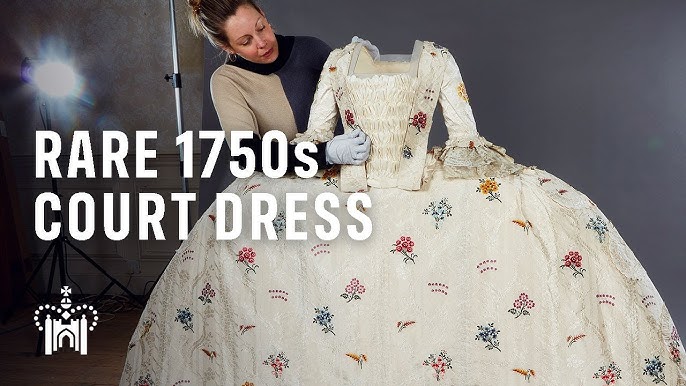
Have you ever wondered if any clothes from the Tudor era still exist today? Imagine holding a piece of history, something worn by people who lived hundreds of years ago.
It’s a fascinating thought, isn’t it? You might think that all Tudor clothing is long gone, lost to time. But what if I told you that some garments have actually survived? You’ll discover where these rare treasures are hidden, how they have lasted so long, and what they can tell us about life during the Tudor period.
Keep reading, and you might be surprised by what you learn about these incredible pieces of history.
Credit: www.rmg.co.uk
Tudor Clothing Materials
Tudor clothing materials reflect the wealth and status of the wearer. The choice of fabric showed social rank and taste. Rich fabrics were prized by the nobility. Simpler materials served common folk. The textures and colors of Tudor clothes reveal much about the era’s culture and economy.
Fabrics Used In Tudor Era
Wool was the most common fabric in Tudor England. It kept people warm and was easy to dye. Fine wool, like broadcloth, was popular among the rich. Linen was used for shirts and undergarments because it was soft and breathable. Silk was rare and expensive, often imported from Italy and Asia. Velvet and satin showed high status and wealth. Cotton was scarce but began to appear late in the period.
Common Colors And Dyes
Colors showed rank and power in Tudor society. Bright reds, blues, and greens were popular among the wealthy. These colors came from natural dyes like madder, woad, and weld. Black was a favored color for nobility because it looked rich and sober. It was made with expensive dyes like logwood and oak galls. Pale and dull colors were common among peasants due to cheaper dyes. Dyes could fade quickly, so bright colors were a sign of fresh, costly clothes.
Embroidery And Ornamentation
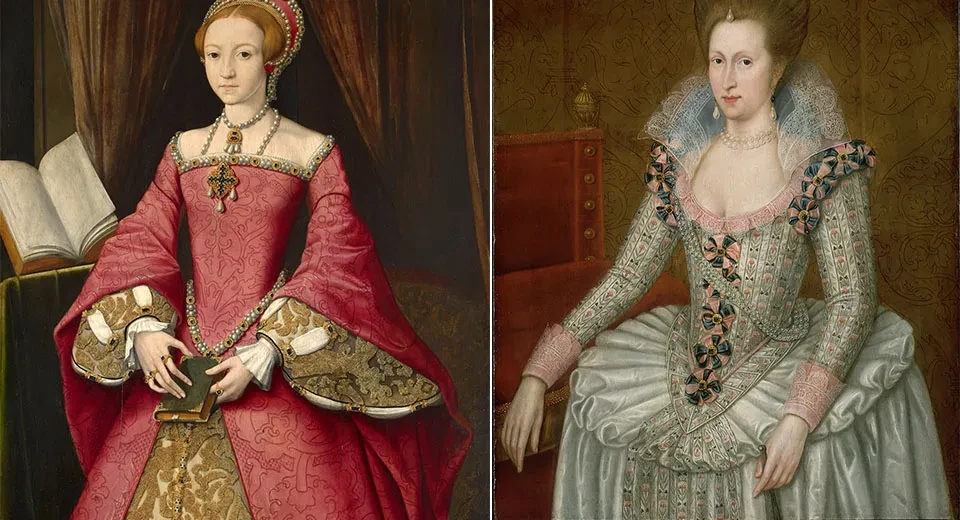
Embroidery was a key part of Tudor clothing decoration. Patterns of flowers, animals, and religious symbols were common. Gold and silver threads added sparkle and status. Pearls and jewels were sewn into garments for extra luxury. Decoration showed wealth and taste, especially in court clothes. Even commoners added simple embroidery to personalize their garments. Embellishments made clothes unique and visually impressive.
Preservation Challenges
Preserving Tudor clothes poses many challenges. The garments are over 400 years old. Their survival depends on many delicate factors. The materials used in Tudor times were fragile. They degrade over time and need special care. Environmental conditions also play a big role. Many historical events caused damage or loss. Understanding these challenges helps explain why few Tudor clothes remain today.
Fragility Of Tudor Textiles
Tudor clothes were made from natural fibers like wool, linen, and silk. These fibers weaken over centuries. Silk, especially, loses strength and can tear easily. Wool can become brittle and break down. The dyes used then were organic and fade over time. Handling old textiles can cause damage. Even small movements can create tears or holes. Conservators must use gentle techniques to avoid further harm.
Environmental Factors
Light, temperature, and humidity affect textile preservation. Bright light causes fading and weakens fibers. High humidity encourages mold and mildew growth. Low humidity can make fabrics dry and brittle. Fluctuating temperatures stress the materials. Dust and pollution also contribute to deterioration. Proper storage in controlled environments is essential. Museums use special cases and climate control to protect garments.
Historical Events Impacting Survival
Many Tudor clothes were lost due to wars and fires. The English Civil War and other conflicts caused destruction. Fires in historic homes and churches destroyed many items. Clothes were often recycled or repurposed. Some were cut into smaller pieces for different uses. Social changes led to fashions being discarded quickly. These events reduced the number of surviving garments.
Known Surviving Garments
The Tudor period, spanning from 1485 to 1603, left behind a fascinating array of garments that offer a glimpse into the fashion and culture of the time. While many clothes from that era have been lost, some pieces have remarkably survived, either through careful preservation or by being hidden away in unexpected places. These surviving garments help you understand how Tudors dressed across different social classes and occasions.
Royal Wardrobe Examples
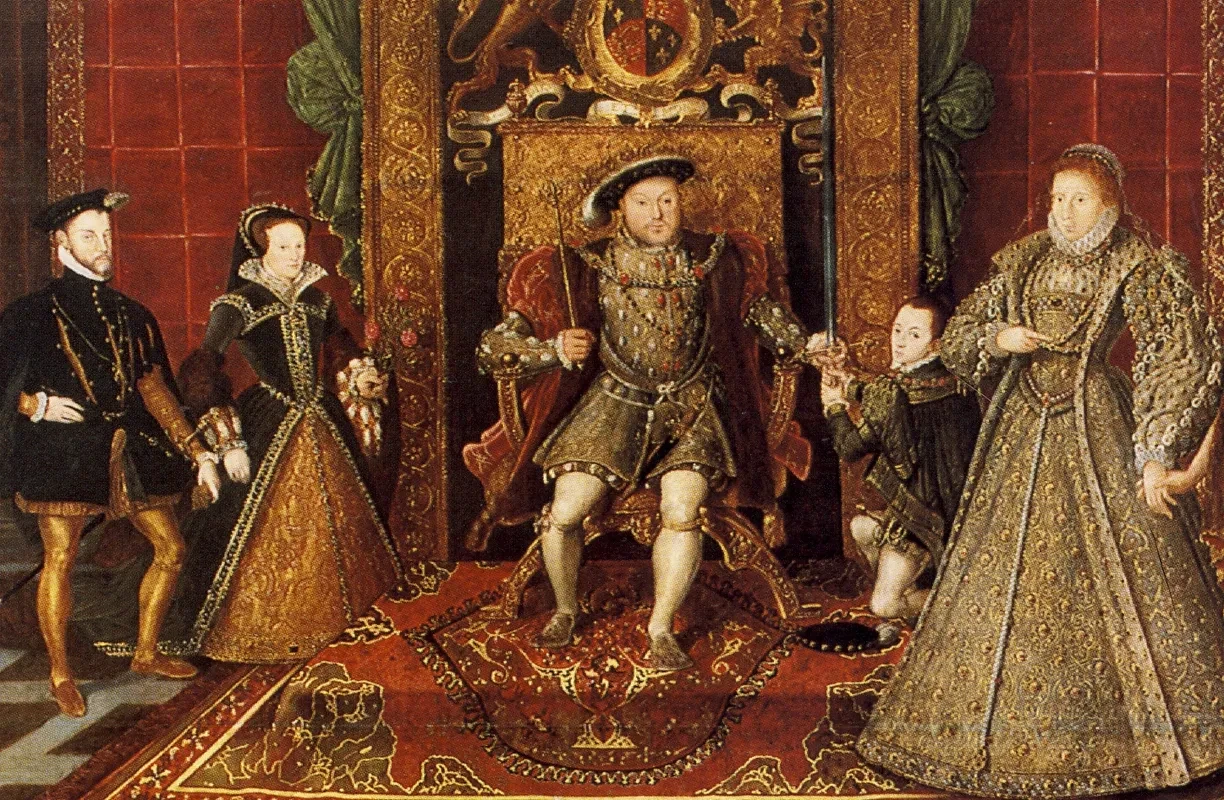
Some of the most impressive surviving Tudor clothes come from the royal wardrobe. These garments were made from luxurious fabrics like velvet, silk, and brocade, often adorned with intricate embroidery and jewels.
The famous “Armada Portrait” of Queen Elizabeth I showcases her wearing an elaborate gown that resembles some preserved royal dresses. One standout example is a silk velvet gown belonging to Queen Elizabeth I, kept at the Victoria and Albert Museum in London. It demonstrates the skill and detail put into royal fashion, including delicate lace trims and gold embellishments.
Everyday Clothing Finds
Surprisingly, not only the elite left behind clothing items. Archaeologists have uncovered everyday Tudor clothing in burial sites and old homes. These pieces were made from wool and linen, reflecting the practical needs of common people.
For example, fragments of woolen doublets and simple linen shirts have been found, showing how ordinary Tudors dressed for work and daily life. These finds reveal a contrast between the lavish royal attire and the more functional clothing worn by the majority of the population.
Accessories And Footwear
Accessories and footwear from the Tudor period also survive and provide insight into the details of Tudor fashion. Items like leather shoes, gloves, and hats have been preserved in museums.
One notable find includes richly decorated leather shoes with pointed toes, common among the wealthy. Gloves embroidered with silk thread show how accessories were not just practical but also a status symbol. Have you ever thought about how these small pieces could tell as much about a person’s status and lifestyle as their main outfit?
Museum Collections
Museum collections hold some of the rarest surviving Tudor clothes. These garments offer a glimpse into the fashion and culture of the 16th century. Preserving such delicate textiles requires special care and expertise. Museums also use modern technology to share these treasures with the public.
Prominent Tudor Clothing Exhibits
Several museums showcase impressive Tudor clothing collections. The Victoria and Albert Museum in London displays original gowns and accessories. The Museum of London holds pieces worn by nobility and commoners alike. Hampton Court Palace exhibits costumes worn by King Henry VIII and his court. These exhibits highlight the materials and styles popular in Tudor times.
Conservation Techniques
Preserving Tudor clothes demands careful conservation. Experts control light, humidity, and temperature to prevent damage. Special mounts support fragile fabrics without stress. Cleaning is done gently to avoid harm. These techniques help keep the clothes intact for future generations.
Digitization And Virtual Displays
Museums digitize Tudor clothing to reach a wider audience. High-resolution photos capture fine details of fabric and embroidery. Virtual tours allow visitors to explore exhibits online. Interactive displays show clothing layers and construction. This digital access makes Tudor fashion history available worldwide.
Reconstruction And Replicas
Reconstruction and replicas play a crucial role in bringing Tudor clothing back to life. Since original garments rarely survive the wear and tear of centuries, experts rely on meticulous efforts to recreate the styles and fabrics of the era. These reconstructions help us experience the look and feel of Tudor fashion firsthand, deepening our understanding of history beyond just pictures and texts.
Historical Research Methods
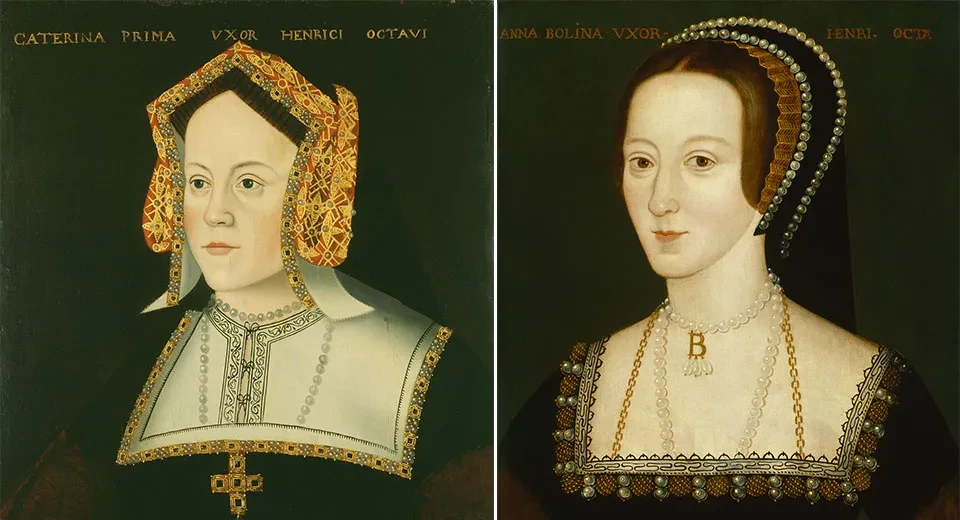
Research starts with studying portraits, paintings, and written descriptions from the Tudor period. Tailors and historians analyze these sources to identify clothing shapes, patterns, and materials used.
You might be surprised how much information is hidden in the smallest details—like the cut of a sleeve or the way a collar folds. This detective work involves comparing multiple sources to create the most accurate representation possible.
Use Of Surviving Textiles
Although original Tudor garments are rare, fragments of textiles have survived in museums and private collections. These pieces offer invaluable clues about fabric types, weaving techniques, and dye colors.
Working with these textiles helps recreate authentic replicas that match the texture and color of original clothing. Handling these fabrics also gives you a tangible connection to the past, something no painting or description can fully convey.
Role In Education And Media
Replicas serve as powerful tools in education and entertainment. Museums display them to illustrate daily life in Tudor times, while theaters and films use them to bring historical stories to life.
Have you ever noticed how a well-made costume can transport you to another era during a play or movie? These reconstructions not only enhance the visual appeal but also encourage deeper engagement with history, making it accessible and memorable for everyone.
Credit: www.rmg.co.uk
Credit: www.rmg.co.uk
Frequently Asked Questions
Are There Any Original Tudor Clothes Surviving Today?
Yes, a few original Tudor garments still exist. They are rare and mostly preserved in museums. These clothes offer valuable insights into 16th-century fashion and craftsmanship.
Where Can I See Surviving Tudor Clothing Collections?
Surviving Tudor clothes are mainly displayed in British museums. The Victoria and Albert Museum in London has a notable collection. Other museums also hold textiles and accessories from the Tudor era.
What Materials Were Used In Tudor Clothing?
Tudor clothes were made from wool, silk, linen, and velvet. Rich fabrics indicated wealth and status. Embroidery and jewels were common decorations on noble attire.
How Well-preserved Are Surviving Tudor Garments?
Most surviving Tudor garments are fragmentary or partial. Preservation depends on climate, storage, and fabric type. Despite damage, they reveal important details about Tudor dress styles.
Conclusion
Tudor clothes rarely survive because of fragile materials and wear. Museums hold a few pieces, mostly accessories or fragments. These items show us old styles and craftsmanship. They help us imagine life in Tudor times. Though rare, surviving clothes connect us to history.
They remind us how people dressed long ago. Studying them keeps Tudor fashion alive today. History feels closer through these preserved fabrics.

