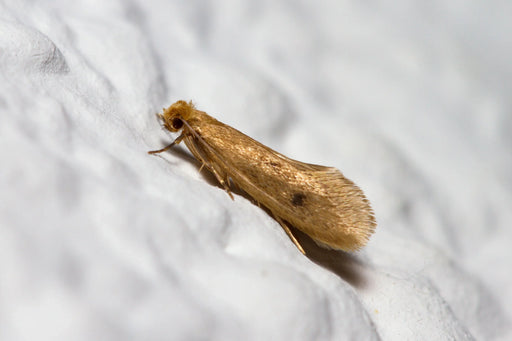
Have you ever found tiny holes in your favorite clothes and wondered where those pesky moths came from? You might be asking yourself, “Can clothes moths survive outside, or are they only a problem indoors?” Understanding where these moths live and how they survive can help you protect your wardrobe and home.
You’ll discover the surprising truth about clothes moths’ survival skills and learn simple steps to keep them away for good. Keep reading—your clothes will thank you!
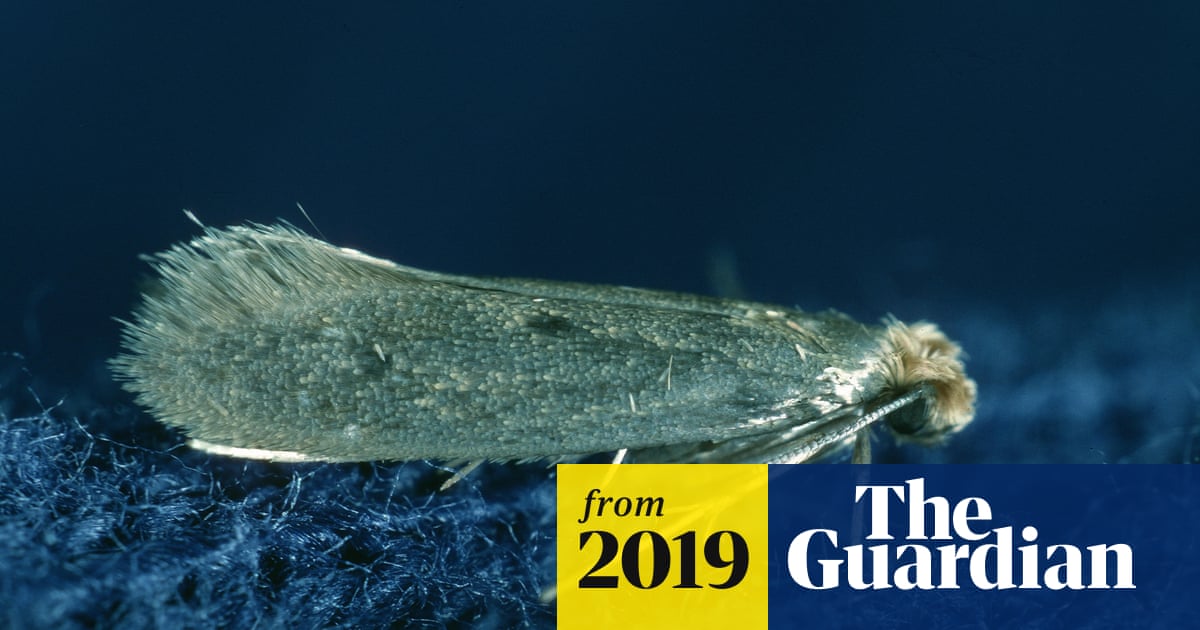
Credit: www.theguardian.com
Clothes Moth Basics
Understanding the basics of clothes moths is key to protecting your wardrobe. These tiny pests can cause surprising damage, especially to natural fibers like wool and silk. Knowing what they are and how they live helps you spot them early and stop an infestation before it starts.
Types Of Clothes Moths
There are mainly two types of clothes moths that you should watch out for:
- Webbing Clothes Moth: This moth creates silken tunnels or webs on fabrics as it feeds. They prefer dark, undisturbed areas like closets and drawers.
- Case-Bearing Clothes Moth: This type carries a small protective case made of fibers as it moves. It tends to be less common but equally destructive to your clothes.
Have you ever noticed tiny holes in your sweaters but never saw the culprit? These moths are usually the reason.
Life Cycle Of Clothes Moths
Clothes moths go through four stages: egg, larva, pupa, and adult. The larvae stage is the most damaging since they feed on natural fibers.
Larvae hatch from eggs laid in hidden places like folds of fabric. They can stay in the larval stage for several weeks or months, depending on conditions like temperature and humidity.
Adults don’t eat your clothes—they only lay eggs to continue the cycle. This means that catching an infestation early, while larvae are still few, is crucial.

Credit: www.sheepers.co.uk
Habitat Preferences
Clothes moths have specific habitat preferences that affect where they thrive. Understanding these preferences helps control their presence. Their survival depends largely on the environment’s temperature, humidity, and food availability.
Indoor Environment
Clothes moths prefer indoor spaces where it stays warm and humid. They thrive in dark closets, drawers, and storage boxes. Natural fibers like wool, silk, and fur attract them the most.
These moths avoid bright light and airflow. They hide in undisturbed areas with little movement. Indoor heat from heating systems supports their growth year-round.
Outdoor Conditions
Outside, clothes moths face harsher conditions. They rarely survive in direct sunlight or cold temperatures. Dry, windy weather also reduces their chances of survival.
They may hide in bird nests, animal dens, or under tree bark. These places offer some warmth and protection. Still, outdoors is not their preferred habitat for breeding or feeding.
Survival Factors Outside
Clothes moths face many challenges outside their usual indoor habitats. Their survival depends on several key factors. Understanding these helps explain why moths rarely thrive outdoors.
Temperature And Humidity Effects
Clothes moths prefer warm, stable temperatures. Outdoor weather often changes quickly. Cold or hot extremes can kill them. High humidity supports their growth, but dry air dries out their eggs and larvae. Sudden rain or frost harms their survival chances.
Food Source Availability
These moths feed mainly on natural fibers like wool and silk. Outside, such materials are scarce and often exposed to the elements. Without constant access to these food sources, larvae cannot develop properly. Outdoor fabrics usually lack the conditions moth larvae need to survive.
Predators And Threats
Outside, clothes moths face many predators. Birds, spiders, and ants hunt them actively. Parasites and diseases are also common outdoors. These natural enemies reduce moth populations quickly. This high risk limits the moths’ ability to establish outdoors.
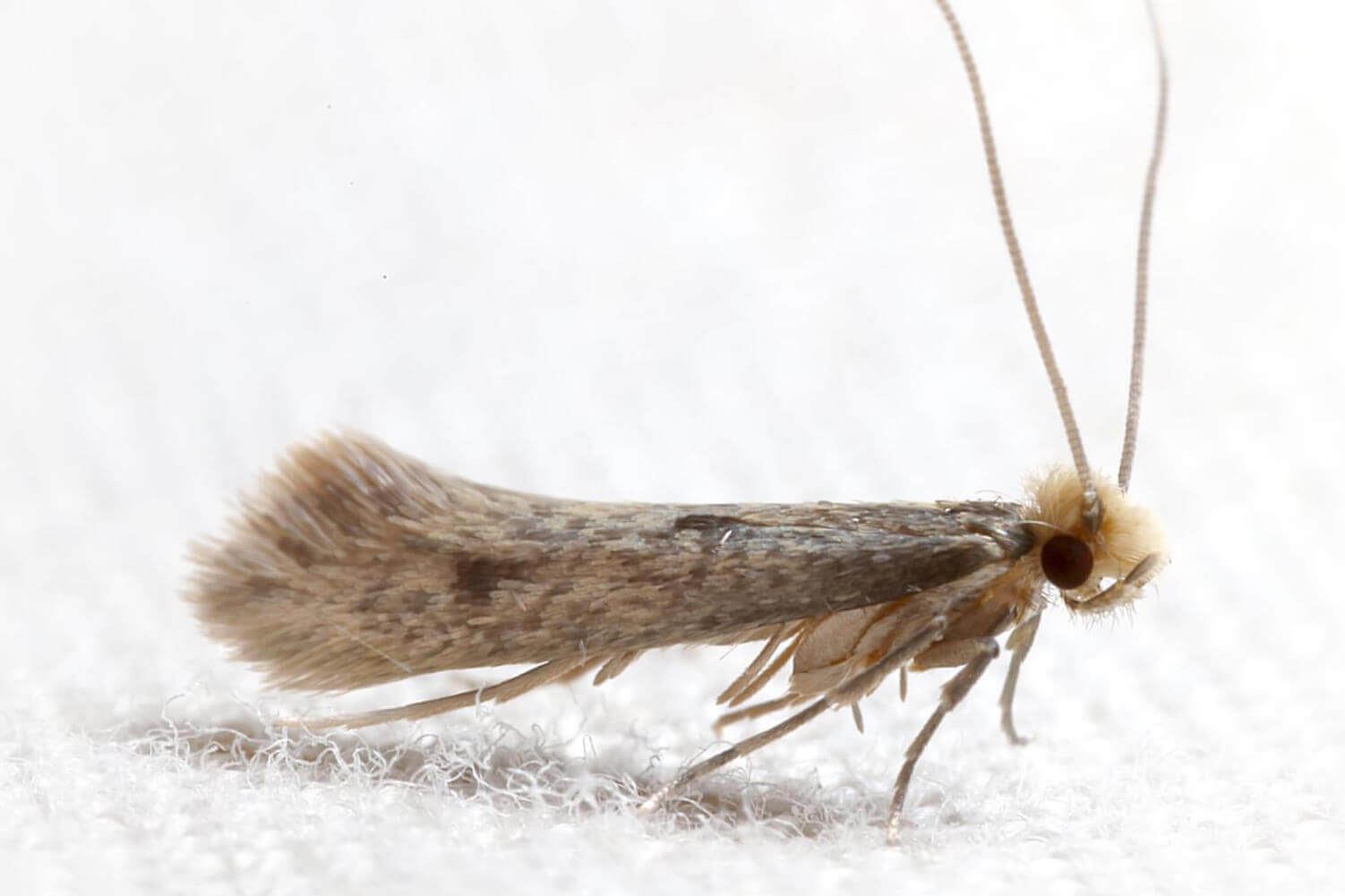
Credit: www.walthamservices.com
Behavior In Natural Settings
Understanding the behavior of clothes moths in natural settings helps explain their survival outside homes. These moths do not just live in wardrobes. They can adapt to outdoor conditions but prefer specific environments. Their actions in nature affect how they spread and find shelter.
Migration Patterns
Clothes moths rarely migrate long distances. They tend to stay near food sources like animal fibers. Outdoors, they move slowly and in small groups. Warm weather encourages more movement. Moths usually travel short distances to find new habitats. Wind can carry them farther, but this is uncommon. Their migration is mainly driven by the need for food and suitable places to lay eggs.
Sheltering Habits
Outside, clothes moths seek sheltered, dark places. They hide in animal nests, bird nests, and under tree bark. These spots protect them from predators and harsh weather. Moths prefer dry areas with little sunlight. They avoid open spaces and damp locations. Shelters help keep their eggs safe. Larvae find food easily in these protected sites. Clothes moths stay hidden during the day and become active at night.
Impact On Outdoor Fabrics
Outdoor fabrics seem tough, built to handle sun, rain, and wind. But can clothes moths survive outside and damage these materials? Understanding their impact on outdoor fabrics helps you protect your gear and investments effectively.
Damage Potential
Clothes moths prefer dark, undisturbed places, which makes outdoor fabrics less attractive at first glance. However, if your outdoor cushions, tents, or blankets stay stored in damp, shaded areas, moths can find their way and cause harm.
The larvae feed on natural fibers, leaving holes and weakening the fabric’s structure. This damage not only ruins the look but can shorten the life of your outdoor items significantly.
Have you ever found small holes in your patio cushions and wondered where they came from? Moths might be the hidden culprits, especially if those items were stored without proper care.
Commonly Affected Materials
- Wool:Often used in outdoor blankets and some upholstery, wool is highly attractive to moth larvae.
- Cotton:Though less favored, cotton blends can still suffer damage if mixed with other natural fibers.
- Silk:Rare in outdoor gear but vulnerable if present in linings or trims.
- Leather:Not eaten by moths, but can be indirectly affected if moth larvae damage attached fabric parts.
Many outdoor fabrics contain synthetic fibers that moths avoid. But if natural fibers are included, you need to stay vigilant. Does your storage method keep these materials dry and exposed enough to deter moths?
Preventing Outdoor Infestations
Preventing outdoor infestations of clothes moths requires a mix of smart habits and environmental awareness. These tiny pests can survive outside, especially if they find suitable conditions near your home. Taking action before they settle can save your clothing and outdoor fabrics from damage.
Protective Measures For Clothing
Keep your outdoor clothes clean and dry. Moths are attracted to sweat, food stains, and natural fibers, so washing clothes regularly reduces the risk. Storing them in airtight containers or garment bags when not in use adds a strong layer of protection.
Have you ever found holes in your favorite outdoor jacket after a weekend camping trip? This often happens because clothes were left in damp or shaded areas where moths thrive. Consider using cedar blocks or lavender sachets in your outdoor gear storage—they repel moths naturally.
Environmental Controls
Outdoor environments that are dark, damp, and undisturbed invite moths. You can reduce these conditions by trimming overgrown bushes and keeping the area around your home tidy. Sunlight and airflow disrupt moth breeding grounds, so let your outdoor spaces breathe.
Using outdoor-safe insect repellents or traps can also help monitor and reduce moth populations. Think about your garden or patio—could better lighting or regular cleaning make a difference? Small changes in your outdoor environment can prevent a big infestation.
Frequently Asked Questions
Can Clothes Moths Live Outdoors Naturally?
Clothes moths prefer dark, warm indoor spaces with fabrics. They rarely survive long outside due to predators and weather conditions.
Do Clothes Moths Damage Outdoor Fabrics?
Clothes moths primarily target indoor natural fibers. Outdoor fabrics are less vulnerable as moths avoid open, exposed environments.
How Do Clothes Moths Enter Homes From Outside?
Clothes moths can enter through open windows, doors, or on secondhand clothing. They seek sheltered places to lay eggs.
Can Cold Weather Kill Clothes Moths Outdoors?
Yes, cold temperatures reduce moth survival outdoors. Extreme cold kills larvae and eggs, limiting their outdoor lifespan.
Conclusion
Clothes moths struggle to survive long outside homes. They need warmth and food, like wool or fabric. Outside, weather and predators make life hard for them. This means moths rarely live long outdoors. Keeping clothes clean and dry helps stop moths inside.
Regular checks can catch moths before damage starts. Understanding moth habits helps protect your clothes better. Stay aware and act quickly to keep moths away. This simple knowledge saves your wardrobe from harm.

