Have you ever wondered how safe your clothes are after being out in public? You might be asking yourself, “How long does Covid-19 survive on clothing?” Knowing this can help you protect yourself and your loved ones better.
Imagine touching your jacket or shirt, not knowing if the virus is still there. This article will clear up the confusion and give you easy, practical tips to keep your wardrobe safe. Keep reading, because understanding this could change the way you handle your clothes every day.
Virus Survival On Fabrics
Understanding how long Covid-19 survives on clothing can help you make smarter choices about handling and washing your fabrics. The virus doesn’t behave the same way on all materials, and several factors can change its lifespan. Knowing these details empowers you to reduce risk effectively in everyday situations.
Factors Affecting Virus Lifespan
The survival of Covid-19 on fabric depends on several key factors. The amount of virus initially present plays a big role—more virus means it can last longer. How the fabric is handled after exposure, such as frequent touching or movement, also affects the virus’s lifespan.
Humidity and temperature around the fabric can speed up or slow down virus decay. Dry, warm conditions usually reduce the virus’s survival time, while cooler, damp environments help it last longer. Have you noticed how your jacket feels damp after a rainy day? That moisture can make a difference in virus persistence.
Types Of Fabrics And Virus Persistence
The kind of fabric matters more than you might think. Smooth, non-porous materials like polyester tend to allow the virus to survive longer compared to porous, breathable fabrics like cotton. The rough texture and fibers in cotton absorb moisture and trap viral particles, causing them to dry out faster.
Think about your workout clothes versus a silk scarf. The latter can hold the virus longer because it doesn’t absorb moisture well. If you’re concerned about virus survival, choosing fabrics that dry quickly and can be washed frequently is key.
Environmental Influence On Survival
Environmental conditions around your clothing impact virus survival dramatically. Exposure to sunlight, especially UV rays, can break down the virus quickly. This means hanging your clothes outside to dry isn’t just good for freshness—it can also reduce viral presence.
Conversely, storing clothes in dark, cool places may allow the virus to remain active longer. Think about your closet or drawers—these might be spots where the virus can linger if fabrics aren’t cleaned promptly. How often do you wash clothes that have been sitting untouched for days?
Research Findings On Covid-19 And Clothing
Understanding how long Covid-19 survives on clothing helps us take better safety steps. Researchers have studied this to find clear answers. Their work covers both controlled lab tests and real-life situations. The results reveal important details about virus survival on different fabric types and under various conditions.
Laboratory Studies Results
Lab studies test virus survival on specific fabrics under controlled conditions. Scientists apply virus samples to cotton, polyester, and other materials. They then measure how long the virus remains active.
- Covid-19 can survive on some fabrics for a few hours to several days.
- On smooth synthetic materials, the virus tends to last longer.
- Natural fibers like cotton absorb moisture and reduce virus survival time.
- Temperature and humidity affect virus lifespan on clothing.
- Higher heat and sunlight speed up virus decay.
These studies use high virus amounts, which might not match real exposure. Still, they give a baseline for how the virus behaves on different clothes.
Real-world Case Observations
Real-life cases show how Covid-19 spreads through clothing contact. Most infections occur through close person-to-person contact or touching contaminated surfaces. Clothing plays a smaller role in spreading the virus.
- Virus particles on clothes often drop quickly and lose activity.
- There is little evidence of Covid-19 transmission via clothing.
- Washing clothes with regular detergent effectively removes the virus.
- Frequent hand washing after touching clothing reduces any risk.
People should focus on common safety habits like masks and hand hygiene. Clothing contamination is possible but less likely to cause infection.
Virus Transmission Through Clothing
Understanding how Covid-19 spreads through clothing helps you protect yourself and others better. Clothes can carry the virus if they come into contact with infected droplets. But how risky is this compared to touching other surfaces? Let’s look deeper into the details.
Risk Levels And Scenarios
The risk of catching Covid-19 from clothing is generally low but varies by situation. If you are in close contact with someone coughing or sneezing, droplets can land on your clothes. This makes it possible to transfer the virus to your hands when you touch the fabric.
Think about a busy public place where people brush past each other. Your jacket might pick up virus particles from an infected person’s sneeze. However, the virus on fabric tends to lose its strength faster than on hard surfaces.
Here are some common scenarios to consider:
- Wearing clothes in a crowded indoor event
- Handling laundry from a household member who is sick
- Changing clothes after outdoor activities where social distancing was difficult
In these cases, washing clothes soon after use reduces any chance of virus transmission. It’s a simple step that can keep you and your family safer.
Comparing Clothing To Other Surfaces
How does clothing stack up against surfaces like plastic, metal, or wood? Research shows Covid-19 survives longer on smooth, non-porous surfaces. On plastic and stainless steel, the virus can live for days.
Clothing, made from porous fibers, absorbs droplets. This absorption speeds up the virus’s breakdown. It usually survives for just a few hours on fabric.
| Surface | Virus Survival Time |
|---|---|
| Plastic / Stainless Steel | Up to 3 days |
| Cardboard | Up to 24 hours |
| Clothing / Fabric | Few hours |
Knowing this, you might ask yourself: How often do you wash your clothes after being in public places? Regular washing with detergent helps remove and kill the virus effectively. It’s more practical and safer than worrying about every fabric surface you touch.
Credit: health.clevelandclinic.org
Effective Cleaning Methods
Keeping your clothes free from Covid-19 involves more than just tossing them in the laundry. Effective cleaning methods are essential to reduce the virus’s survival on fabrics. Let’s look at practical ways you can clean your clothing to keep yourself and your loved ones safer.
Washing Techniques
Use the warmest water setting that’s safe for your fabric. Hot water helps break down the virus more effectively than cold water. If your fabric allows, aim for at least 60°C (140°F).
Adding detergent is crucial. Detergents contain ingredients that can disrupt the virus’s lipid layer, making it inactive. Don’t skimp on detergent — use the recommended amount for your load size.
Have you tried washing clothes separately after potential exposure? Keeping contaminated items apart prevents cross-contamination. You might be surprised how this simple step can improve hygiene at home.
Disinfectants Suitable For Fabrics
Not all disinfectants are safe for clothing. Look for fabric-safe options like hydrogen peroxide or diluted bleach solutions. Always check the label to avoid damaging your clothes.
Spraying disinfectants directly on dry clothes before washing can add an extra layer of protection. However, do a spot test first to prevent discoloration or fabric weakening. Some people find this step reassuring, especially for frequently worn outer layers.
Have you considered using disinfectant sprays designed specifically for fabrics? They can be a quick fix when washing isn’t immediately possible. Just ensure they are proven effective against viruses and safe for your material.
Drying Practices
Heat is a powerful tool against viruses. Using a dryer on high heat can help kill remaining virus particles after washing. If you can’t use a dryer, hanging clothes in direct sunlight is a natural alternative.
Air drying inside might not be enough to fully eliminate the virus. Sunlight’s UV rays have germicidal properties that help break down viral particles. So, a sunny balcony or patio can be your friend when drying clothes.
Think about your drying habits — could switching to high heat or sunlight drying reduce your risk? Small changes like these add up when you’re managing potential Covid-19 exposure through your clothing.
Preventive Measures For Clothing Safety
Clothing can carry viruses like Covid-19 for a limited time. Taking the right steps keeps you and others safe. Proper care of clothes reduces the risk of virus spread. Simple habits help maintain hygiene during the pandemic.
Handling Clothes During Pandemic
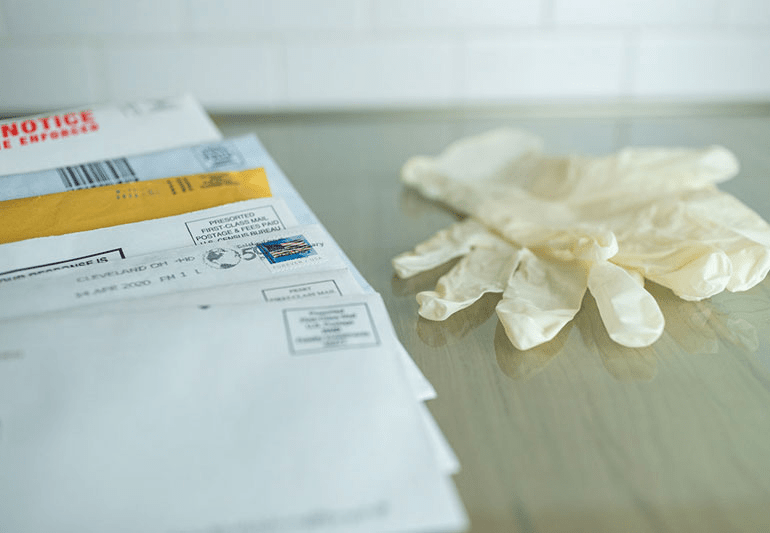
Always wash hands before and after touching dirty clothes. Avoid shaking clothes to stop virus particles from spreading in the air. Use gloves if you handle clothes of someone who is sick. Keep dirty clothes separate from clean ones. Wash clothes in warm water with detergent to kill germs.
Storage And Handling Tips
Store clean clothes in dry, clean places to avoid contamination. Use sealed bags or containers if you cannot wash clothes immediately. Do not mix clean and dirty clothes in the same storage space. Dry clothes completely before putting them away. Keep laundry areas well-ventilated and clean.
Personal Protective Practices
- Wear a mask when handling clothes outside your home.
- Wash hands with soap after handling laundry.
- Use gloves if you are caring for someone with Covid-19.
- Change clothes immediately after returning home from public places.
- Disinfect laundry baskets and hampers regularly.

Credit: www.theguardian.com
Myths And Facts About Covid-19 On Clothing
There’s a lot of confusion around how long Covid-19 can survive on clothing, leading to many myths and false beliefs. Sorting fact from fiction is crucial to avoid unnecessary fear or unsafe habits. Understanding what really happens when the virus lands on your clothes can help you protect yourself better without overreacting.
Common Misconceptions
Many people think that Covid-19 can live on clothes for days, making every outfit a potential danger zone. Some even avoid wearing certain fabrics or refuse to go out without changing clothes immediately after returning home. Others believe that washing clothes multiple times is the only way to stay safe.
Have you ever found yourself hesitating to touch your jacket or wondering if your favorite shirt might carry the virus? These worries are normal but often based on incomplete information. Another common myth is that drying clothes in the sun can completely kill the virus instantly, which isn’t entirely accurate.
Scientific Clarifications
Research shows that while the virus can survive on fabrics, it usually lasts only a few hours to a couple of days, depending on fabric type, humidity, and temperature. Porous materials like cotton tend to trap the virus, reducing its lifespan compared to smooth, non-porous surfaces.
Washing clothes with regular detergent at the usual temperature is effective at removing and inactivating the virus. There’s no need for excessive washing or special detergents. Drying clothes thoroughly also helps reduce any remaining risk.
Think about your daily routine: Do you really need to change clothes immediately after every outing? Probably not, if you practice good hand hygiene and wash your clothes regularly. Focus on practical steps instead of worrying about every fiber in your wardrobe.

Credit: www.jacc.org
Frequently Asked Questions
How Long Does Covid-19 Survive On Fabric?
Covid-19 can survive on clothing for up to 1-2 days, depending on fabric type and environmental conditions. Porous fabrics like cotton reduce virus survival time compared to synthetic materials.
Can Washing Clothes Kill The Covid-19 Virus?
Yes, washing clothes with detergent and hot water effectively kills Covid-19. Proper laundering removes and inactivates the virus, making clothes safe to wear.
Does Covid-19 Spread Through Contaminated Clothing?
The risk of spreading Covid-19 through clothing is low. Virus transmission mainly occurs via respiratory droplets, not fabric contact, especially after proper hygiene practices.
What Factors Affect Covid-19 Survival On Clothing?
Temperature, humidity, and fabric type impact Covid-19 survival on clothing. Higher temperatures and porous fabrics reduce virus longevity, lowering infection risk from contaminated clothes.
Conclusion
Covid-19 can survive on clothing for a short time, usually hours to days. Washing clothes with soap and water helps remove the virus. Drying clothes thoroughly also lowers risk. Avoid touching your face after handling worn clothes. Clean hands often with soap or sanitizer.
Staying careful helps keep you and others safe. Simple steps make a big difference. Stay informed and follow health advice. Your actions protect everyone around you.

