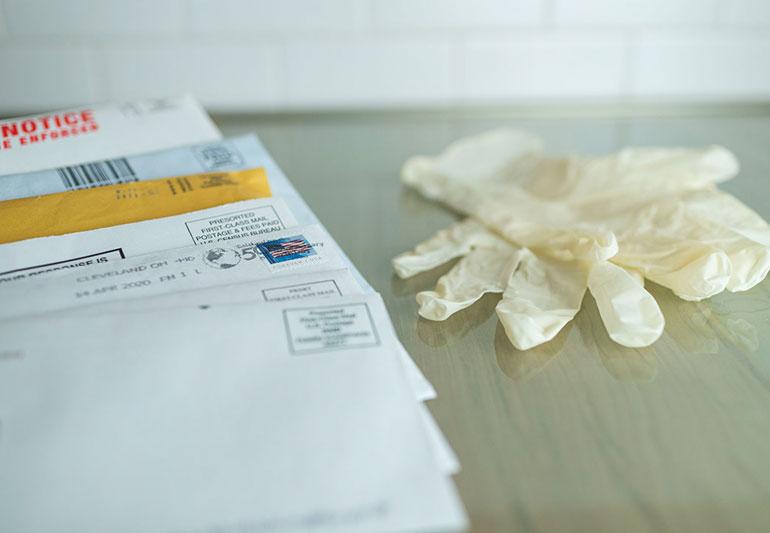
Have you ever wondered how long the coronavirus can survive on your clothes? Understanding this can help you stay safer and protect your loved ones.
Knowing the facts about virus survival on cloth can guide you in handling your laundry and daily activities with confidence. Keep reading to discover clear, easy-to-follow information that will empower you to reduce risks and keep your environment clean.
Virus Survival On Fabrics
Understanding how long the coronavirus can survive on fabrics is crucial for managing your daily routines safely. Fabrics are everywhere—in your clothes, upholstery, and even face masks. Knowing the virus’s behavior on these materials helps you decide how often to wash or replace them and how to handle items that come from outside your home.
Factors Affecting Longevity
The survival time of the coronavirus on cloth depends on several key factors. The amount of virus initially deposited plays a big role—more virus means longer survival. Another factor is how porous the fabric is; loosely woven materials tend to dry faster, reducing virus lifespan.
Consider your own experience: if you’ve noticed some clothes dry very quickly in sunlight, they might not hold the virus as long as damp or thick fabrics. How often do you wash your clothes after returning from a public place? This habit can significantly reduce any risk.
Types Of Cloth Materials
Not all fabrics are equal when it comes to virus survival. Studies show that natural fibers like cotton often allow the virus to survive for shorter periods—sometimes just a few hours. Synthetic fabrics such as polyester or nylon can hold the virus longer, sometimes up to a day or more.
Think about your wardrobe: are you wearing mostly natural or synthetic materials? It might be worth prioritizing natural fabrics when you’re in environments where contamination risk is higher. Also, blended fabrics can behave unpredictably, so extra caution is wise.
Environmental Conditions Impact
Temperature, humidity, and sunlight all affect how long coronavirus stays active on cloth. Higher temperatures and direct sunlight can reduce virus survival drastically—sometimes to just a few minutes. On the other hand, cooler and more humid conditions allow the virus to linger longer.
Have you noticed how your clothes feel different after being outside on a hot, sunny day versus a cool, damp evening? That difference can influence virus survival. This means hanging clothes outside to dry can be an effective way to reduce risk, especially in warm weather.
Research Findings On Virus Lifespan
Understanding how long the coronavirus survives on cloth is vital for safety. Scientists have studied this extensively. Their findings help us know the risks and how to reduce them. Research divides into two main areas: controlled laboratory studies and real-world observations. Both offer important insights.
Laboratory Studies
Laboratory experiments test the virus on different fabrics under set conditions. These studies show the virus can live on cloth from a few hours up to two days. The exact time depends on fabric type and temperature. Smooth, tightly woven fabrics tend to hold the virus longer than rough or porous ones. Higher temperatures and sunlight reduce virus survival. Scientists use these controlled tests to understand potential risks in ideal conditions.
Real-world Observations
In everyday life, many factors affect virus survival on cloth. Exposure to air, humidity, and sunlight all play a role. Real-world data shows the virus rarely survives more than a day on clothing. Movement and washing also remove or kill the virus quickly. Studies suggest virus particles on cloth lose strength fast outside the lab. This means normal use and regular washing keep risks low.
Implications For Daily Life
Understanding how long coronavirus survives on cloth has practical effects on daily habits. Clothes can carry the virus, so handling them carefully helps reduce risk. This knowledge guides how people manage laundry and fabric use at home and outside.
Handling And Washing Clothes
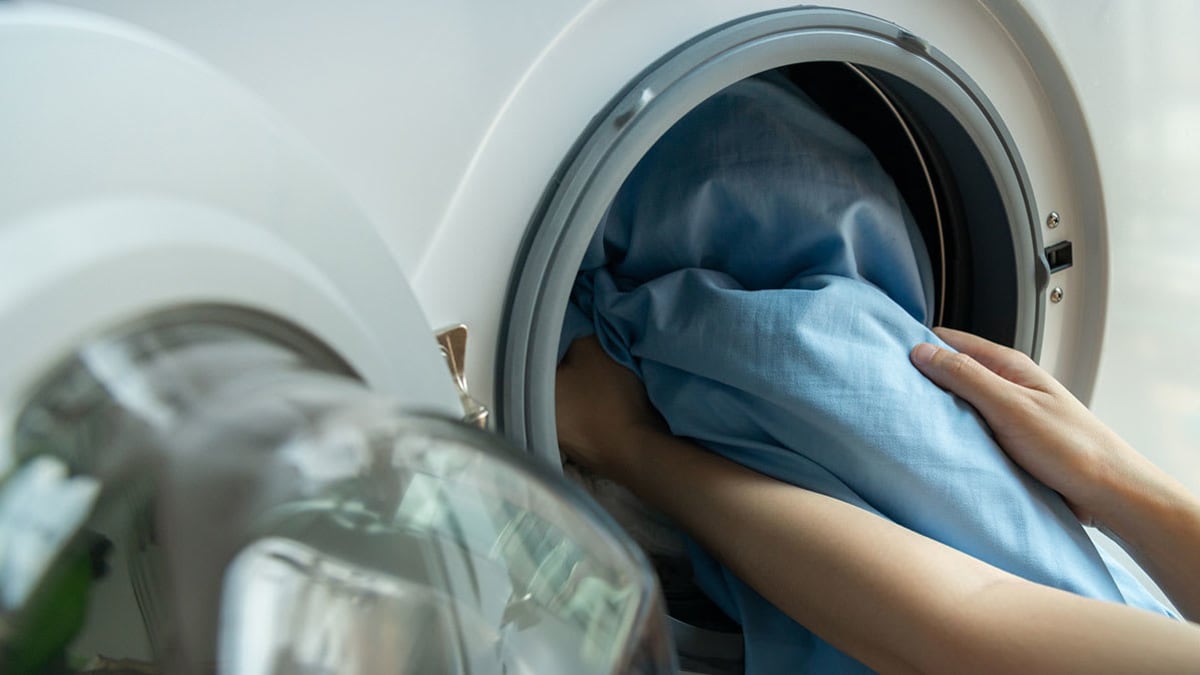
Wear gloves or wash hands after touching potentially contaminated clothes. Avoid shaking dirty laundry to stop spreading virus particles in the air. Use hot water and regular detergent to wash clothes thoroughly. Drying clothes completely in a dryer or under sunlight kills most germs. Clean laundry baskets and surfaces often to keep them virus-free.
Safe Practices For Fabric Use
Choose fabrics that dry quickly and do not hold moisture long. Avoid sharing towels, masks, or clothes with others. Store clean clothes in a dry, clean place to prevent contamination. Regularly clean reusable fabric masks following health guidelines. Replace worn-out fabrics that are harder to clean properly.

Credit: health.clevelandclinic.org
Disinfection Methods For Cloth
Disinfecting cloth effectively is key to reducing the risk of coronavirus lingering on your fabrics. It’s not just about washing; the right agents and drying techniques play a crucial role in making your cloth safe to use again. Let’s dive into practical ways you can ensure your cloth is properly disinfected.
Effective Cleaning Agents
Soap and detergent are your first line of defense. They break down the virus’s protective layer, making it easier to wash away. Using warm water enhances this effect, but you don’t need boiling water to get the job done.
Adding a disinfectant like bleach can kill remaining viruses. Just make sure to follow the instructions carefully to avoid damaging your fabric. If you prefer a gentler option, hydrogen peroxide or alcohol-based solutions (at least 70% alcohol) also work well.
Have you ever noticed how your regular laundry detergent doesn’t always make your clothes feel completely fresh during a viral outbreak? That’s because not all detergents are equally effective at killing viruses. Choosing one with antiviral properties can make a big difference.
Drying And Heat Treatments
Heat is a natural enemy of viruses. Drying your cloth in a hot dryer for at least 30 minutes can significantly reduce viral presence. If you don’t have a dryer, hanging your cloth in direct sunlight is a great alternative, as UV rays help kill germs.
Ironing your cloth after washing adds another layer of protection. The heat from the iron can destroy any leftover virus particles, especially on thicker fabrics. Just make sure the fabric can handle high temperatures without damage.
Think about the last time you left your clothes to dry outside on a sunny day—did you realize that simple act was also disinfecting them? It’s an easy habit that can boost your fabric safety without extra cost or effort.
Preventing Virus Spread Via Clothing
Clothing can carry the coronavirus for hours to days, depending on fabric and conditions. Preventing virus spread through clothes is vital to reduce infection risk. Simple habits and public guidelines help keep you and others safe.
Personal Hygiene Tips
- Wash clothes regularly with hot water and detergent.
- Change clothes immediately after returning from public places.
- Avoid touching your face while handling dirty clothes.
- Use gloves when washing clothes of sick family members.
- Dry clothes completely before wearing or storing.
- Disinfect laundry baskets and hampers frequently.
- Keep clean clothes separate from used ones.
Public Health Recommendations
- Wear masks and avoid crowded places to reduce contamination.
- Follow local guidelines on clothing and fabric care.
- Maintain physical distance in public areas.
- Use hand sanitizer after touching public surfaces or clothes.
- Stay informed about virus survival on various fabrics.
- Seek medical advice if symptoms appear after exposure.
Credit: www.consumerreports.org

Credit: health.clevelandclinic.org
Frequently Asked Questions
How Long Does Coronavirus Survive On Cloth Surfaces?
Coronavirus can survive on cloth for up to 2 days. The exact time depends on fabric type and environmental conditions like temperature and humidity.
Does Washing Cloth Remove Coronavirus Effectively?
Yes, washing cloth with detergent and hot water kills coronavirus. Proper washing eliminates the virus and reduces transmission risk significantly.
Can Coronavirus Spread Through Contaminated Clothes?
Coronavirus spread via clothes is possible but less common. Proper hygiene and washing reduce this transmission route effectively.
What Factors Affect Coronavirus Survival On Fabric?
Virus survival on fabric depends on material, temperature, humidity, and exposure to sunlight. Higher heat and sunlight reduce virus longevity on cloth.
Conclusion
Coronavirus does not live long on cloth surfaces. It usually stays active for a few hours to a day. Washing clothes regularly with soap helps remove the virus. Drying clothes fully also lowers the risk. Avoid touching your face after handling unwashed fabrics.
Keeping fabric clean helps protect you and others. Simple steps make a big difference in safety. Stay informed and keep your clothes clean. Stay safe and healthy every day.

