Have you ever wondered if the clothes you wear can carry the Covid-19 virus? You might touch your jacket, your favorite shirt, or even a mask and ask yourself, “Is this safe?” Understanding how long Covid-19 can survive on clothing is key to keeping you and your loved ones protected.
You’ll discover simple facts that can ease your worries and practical tips to stay safe every day. Keep reading to learn what you really need to know about Covid-19 and your clothes.

Credit: www.goodrx.com
Virus Survival On Fabrics
Understanding how long Covid-19 survives on fabrics helps reduce infection risks. Clothes can carry virus particles for hours or days. The survival time depends on the type of fabric and conditions around it. This knowledge guides safe handling and washing of clothes during the pandemic.
How Long Covid-19 Lasts On Different Materials
The virus does not survive equally on all fabrics. Studies show different survival times for various materials:
- Cotton:Virus survives up to 1 day.
- Polyester:Virus can last up to 2 days.
- Silk:Virus survives less than 24 hours.
- Denim:Virus may remain for about 2 days.
- Non-woven fabrics (like masks):Virus can last 1-3 days.
Virus particles fade faster on porous materials like cotton. Smooth, synthetic fabrics hold the virus longer.
Factors Affecting Virus Longevity On Clothes
Several factors influence how long Covid-19 stays active on clothing:
- Temperature:Higher temperatures reduce virus survival time.
- Humidity:Dry conditions can increase virus lifespan.
- Sunlight:UV rays from sunlight quickly inactivate the virus.
- Fabric type:Natural fibers absorb moisture, lowering virus survival.
- Virus load:The amount of virus deposited affects longevity.
Washing clothes with detergent removes and kills the virus effectively. Proper drying under sunlight also helps eliminate virus particles.

Credit: www.goodrx.com
Transmission Risks From Clothing
Clothing can carry viruses, but its role in spreading Covid-19 is unclear. Understanding how the virus interacts with fabric helps reduce fears. The risk of transmission depends on several factors like virus survival time and contact type. This section explores whether clothes can spread Covid-19 and reviews real-world evidence.
Can Clothes Spread Covid-19?
Covid-19 mainly spreads through droplets from coughs or sneezes. These droplets can land on clothing. The virus may survive on fabric for a short time, but it tends to die quickly.
Touching contaminated clothes and then touching your face could cause infection. The risk is lower than direct person-to-person contact. Washing clothes with detergent usually removes or kills the virus.
Experts say transmission from clothing is possible but uncommon. Avoiding touching your face and washing clothes regularly helps reduce risk.
Real-world Cases And Evidence
Studies show limited evidence of Covid-19 spreading via clothing. Most infections come from close contact and airborne droplets.
Healthcare workers wear protective gear and change clothes often to prevent contamination. No major outbreaks link clothes to virus spread outside hospitals.
Cases of transmission through fabric in daily life remain rare. Public health advice focuses more on masks, hand hygiene, and social distancing.
Effective Cleaning Methods
Keeping your clothes virus-free is crucial during the Covid-19 pandemic. Effective cleaning methods can significantly reduce the risk of virus transmission from fabrics. Understanding the right washing techniques and detergents helps you protect yourself and your loved ones.
Washing Clothes To Eliminate The Virus
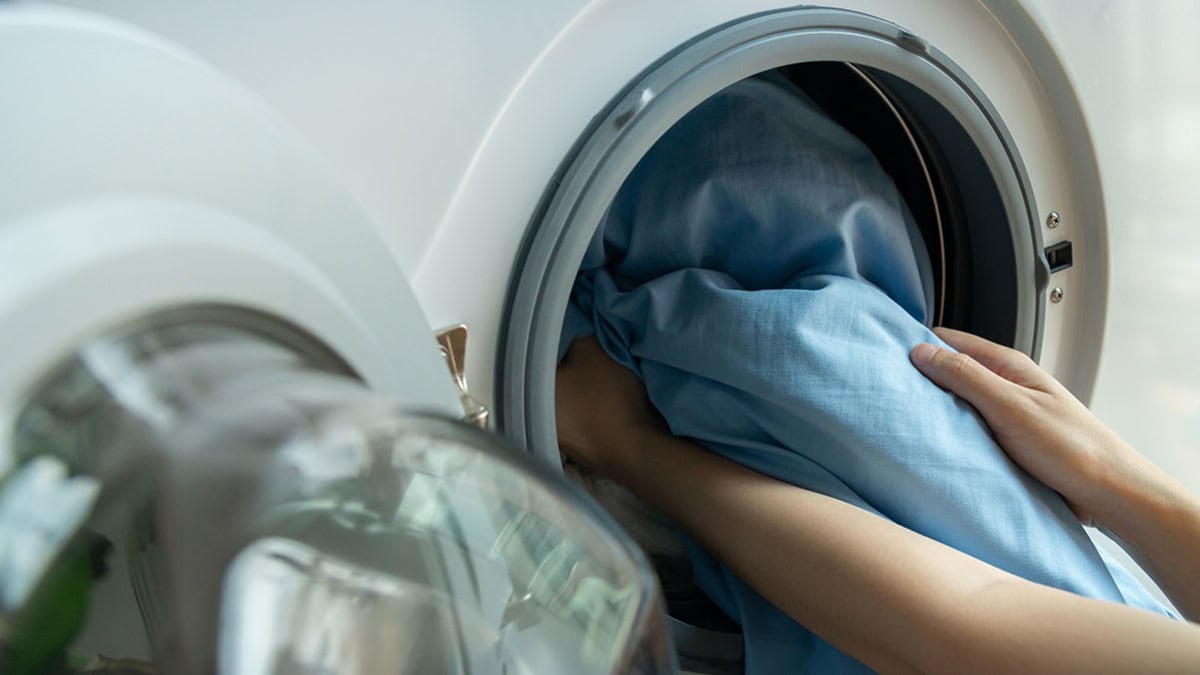
Washing your clothes with water and detergent is one of the most effective ways to remove the Covid-19 virus. The virus cannot survive long on fabrics when exposed to soap and water. Make sure to wash clothes thoroughly and avoid shaking dirty laundry to prevent spreading the virus particles into the air.
Consider washing clothes immediately after returning from public spaces or after contact with potentially contaminated surfaces. Adding an extra rinse cycle can help remove any remaining detergent and particles. Have you noticed how fresh your clothes feel after a good wash? That freshness also means fewer germs.
Best Detergents And Temperatures
Using the right detergent plays a key role in killing the virus on your clothes. Most regular laundry detergents are effective because they break down the virus’s protective layer. You don’t necessarily need harsh chemicals; a good quality detergent is enough for everyday washing.
Temperature matters as well. Washing clothes at 60°C (140°F) or higher can kill the virus faster. However, if your clothes require cold water washing, the detergent still helps eliminate the virus. Have you tried adjusting your washing machine settings for better hygiene?
- Use detergents labeled for heavy-duty or antibacterial properties for extra protection.
- Wash cloth masks, towels, and bed linens more frequently at higher temperatures.
- Dry clothes completely, as moisture can help viruses survive longer.
Preventive Measures For Clothing
Preventive measures for clothing play a key role in reducing Covid-19 transmission. The virus can survive on fabric surfaces for varying times. Taking simple, safe steps helps protect you and others. Proper care of clothes prevents the virus from spreading.
Handling Clothes Safely During A Pandemic
Handle clothes with clean hands only. Avoid touching your face while dealing with worn items. Use separate laundry baskets for dirty clothes. Wash clothes regularly at the highest temperature safe for the fabric. Dry clothes completely before wearing or storing them.
- Do not shake clothes to avoid spreading the virus.
- Wear gloves if handling clothes of someone infected.
- Dispose of or wash reusable masks after each use.
Using Protective Gear And Hygiene Practices
Wear gloves when handling laundry from sick individuals. Use hand sanitizer after touching clothes. Wash hands thoroughly with soap and water. Clean laundry baskets and hampers regularly. Keep clean and dirty clothes separate to avoid cross-contamination.
- Disinfect surfaces where clothes are sorted or folded.
- Use a face mask if caring for someone with Covid-19.
- Maintain good personal hygiene alongside clothing care.
Myths Vs Facts
Many people worry about catching Covid-19 from their clothes. Myths spread quickly about how long the virus can live on fabric. It is important to separate facts from fiction. Understanding the truth helps reduce fear and guides safe habits.
Common Misconceptions About Covid-19 On Clothing
- Covid-19 can survive on clothes for days and infect you.
- Wearing the same clothes all day increases your risk of catching the virus.
- Disinfecting clothes with harsh chemicals is necessary after every use.
- Only new or clean clothes are safe to wear during the pandemic.
Scientific Findings Debunking Myths
Studies show the virus does not last long on porous surfaces like fabric. The virus dies quickly because fabric absorbs moisture and traps particles. Researchers found Covid-19 survives only a few hours on clothing.
Normal washing with detergent and warm water removes and kills the virus effectively. No need for special disinfectants or excessive washing. The risk of catching Covid-19 from clothes is very low.
Experts advise focusing on hand hygiene and mask-wearing instead. Clothes carry less risk compared to touching contaminated surfaces or close contact with people.
Credit: health.clevelandclinic.org
Frequently Asked Questions
Can Covid-19 Survive On Fabric Surfaces?
Yes, Covid-19 can survive on fabric but usually for a shorter time than on hard surfaces. Survival depends on fabric type and environmental conditions like temperature and humidity.
How Long Does Covid-19 Last On Clothes?
Covid-19 may last from a few hours up to two days on clothes. Porous materials like cotton tend to reduce virus survival time compared to synthetic fabrics.
Is Washing Clothes Enough To Kill Covid-19?
Washing clothes with regular detergent in warm water effectively kills Covid-19. High temperatures and thorough drying further reduce any viral particles on clothing.
Can Touching Contaminated Clothes Spread Covid-19?
Touching contaminated clothes can potentially spread Covid-19 if you then touch your face. Hand hygiene after handling laundry is important to reduce infection risk.
Conclusion
Covid-19 can survive on clothes for a short time only. Washing clothes with soap and water helps remove the virus. Drying clothes in the sun or a dryer makes them safer. Avoid touching your face after handling clothes outside. Clean hands reduce the risk of infection.
Keeping good hygiene protects you and others. Stay aware, stay safe, and follow health advice. Simple actions make a big difference in stopping the virus.

