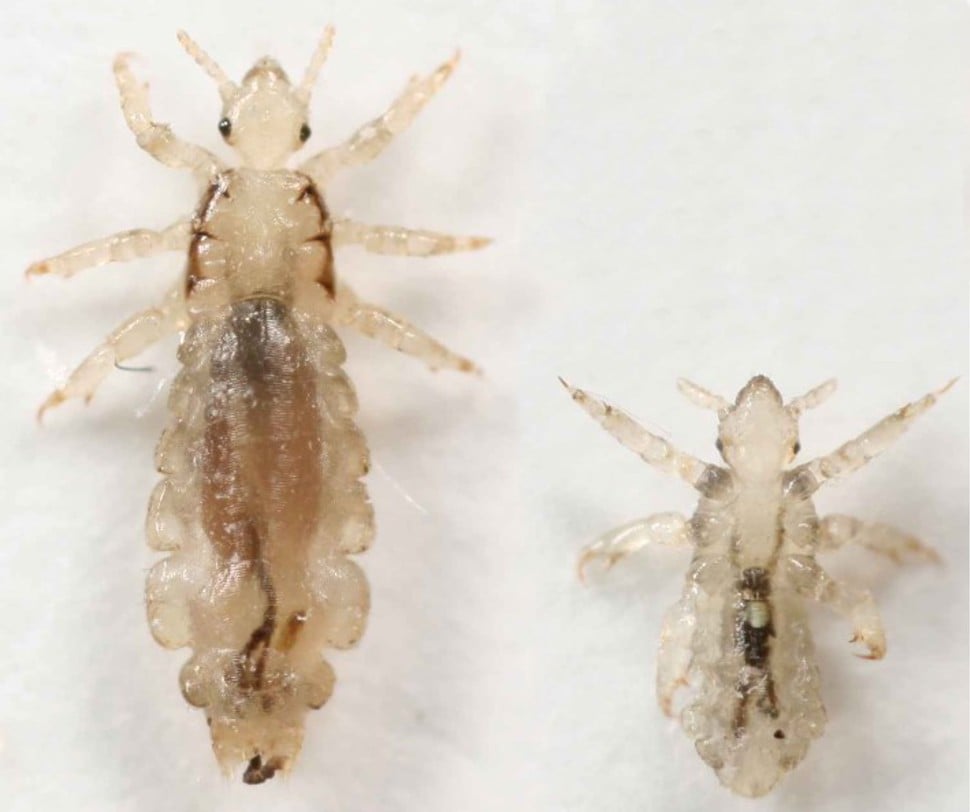
Have you ever wondered how long lice can live on your clothes? If you’re dealing with a lice problem or want to prevent one, knowing this can make all the difference.
Lice are tiny but tough, and understanding how long they survive on fabrics can help you keep your home and family safe. You’ll discover exactly how long lice can cling to your clothes—and what you can do to stop them in their tracks.
Keep reading to protect yourself and your loved ones from unwanted lice infestations.

Credit: www.medicalnewstoday.com
Lice Life Cycle
The life cycle of lice is short but important to understand. It shows how lice grow and survive. Knowing this helps prevent their spread, especially through clothes.
Stages Of Development
Lice have three main stages in their life:
- Eggs (Nits):Tiny, oval, and attached to hair shafts. They hatch in 7-10 days.
- Nymphs:Young lice that look like adults but smaller. They mature in about 7 days.
- Adults:Full-grown lice that can lay eggs. They live up to 30 days on a person’s scalp.
Each stage depends on the scalp for warmth and food. Without these, lice cannot grow well.
Survival Outside The Scalp
Lice need blood to live. They die quickly without it.
On clothes, lice survive only a short time. Usually, they live less than 2 days away from the scalp.
Eggs can stick to fabric but do not hatch without warmth. Cold or dry places stop their growth.
Washing clothes in hot water kills lice and eggs. Drying on high heat also helps remove them.
Lice Survival On Clothes
Lice do not live on clothes the same way they do on the scalp. They need human blood to survive. Yet, they can cling to fabric for a short time. Understanding how long lice survive on clothes helps prevent spread.
Duration On Fabric
Lice can survive on clothes for about 1 to 2 days. Without a human host, their lifespan shortens. They cannot feed, so they weaken quickly. Nits (lice eggs) may stay attached longer but do not hatch off the scalp. Thus, clothes are less risky than direct head-to-head contact.
Factors Affecting Survival
- Temperature:Warm temperatures help lice stay alive longer.
- Humidity:Higher humidity allows lice to survive better.
- Fabric Type:Rough or thick fabrics may protect lice more.
- Exposure Time:The longer lice are away from the scalp, the weaker they become.
These factors influence lice survival but they rarely live more than two days off the scalp. Washing clothes in hot water kills lice effectively. Drying on high heat also helps remove lice quickly.
Types Of Clothes And Survival Rates
Lice survival on clothes depends on the type of fabric and environment. Clothes provide a place for lice to hide and survive outside the scalp. Different fabrics affect how long lice can live. Some materials hold moisture better, helping lice survive longer. Others dry quickly, making it harder for lice to stay alive. Understanding these factors helps in managing lice on clothing and stopping their spread.
Natural Vs Synthetic Fabrics
Natural fabrics like cotton and wool absorb moisture well. This can create a humid space where lice survive longer. Cotton clothes can keep lice alive for up to 24 hours. Wool, being thicker, may protect lice even more. Synthetic fabrics such as polyester and nylon do not absorb moisture easily. They dry quickly, reducing the time lice can live on them. Lice usually survive less than 12 hours on synthetic clothes.
Effect Of Moisture And Temperature
Moisture plays a key role in lice survival on clothes. Wet or damp clothes help lice stay alive longer. Dry clothes cause lice to die faster. Temperature also affects survival rates. Warm environments, around 70°F to 90°F, help lice live longer. Cold or very hot temperatures shorten their life span. Keeping clothes dry and at low temperatures reduces lice survival chances.
Preventing Lice Transfer Through Clothes
Clothes can easily become a hidden carrier for lice, making it crucial to handle them carefully to stop the bugs from moving from one person to another. Understanding how to manage your clothing after exposure can save you from repeated treatments and frustration. You might wonder, how exactly can you make sure lice don’t survive on your clothes and spread further?
Proper Washing Techniques
Washing clothes at the right temperature is one of the most effective ways to kill lice. Use hot water—at least 130°F (54°C)—to wash your garments. This temperature is high enough to eliminate lice and their eggs.
If you’re dealing with delicate fabrics that can’t handle hot water, try using a dry cleaner or sealing the clothes in a plastic bag for two weeks. Lice cannot survive without a blood meal for more than 48 hours, so sealing them off starves them out.
Don’t forget to use a strong detergent. It helps break down the lice’s protective outer layer, making the washing process even more effective.
Safe Storage Tips
After washing, store clothes in a clean, dry place. Avoid piling up worn clothes where lice can hide and multiply. Instead, hang or fold them neatly in a well-ventilated area.
If you’re not ready to wash clothes immediately, put them in sealed plastic bags for at least two weeks. This cuts off oxygen and food sources, ensuring lice cannot survive.
Consider having a separate laundry basket or bag for potentially infested clothes. This reduces the chance of lice jumping onto your clean garments.
Myths About Lice And Clothes
Lice have long been misunderstood pests. Many myths spread about how they live on clothes. These myths often cause unnecessary worry. It is important to know the truth about lice and clothes. Understanding facts helps prevent wrong actions and fear.
Common Misconceptions
- Lice can live for days on clothes without a host.
- Wearing someone else’s clothes always leads to lice.
- Lice jump from clothes to people easily.
- Freezing or sealing clothes kills lice immediately.
- Lice eggs hatch anywhere on fabric.
Scientific Facts
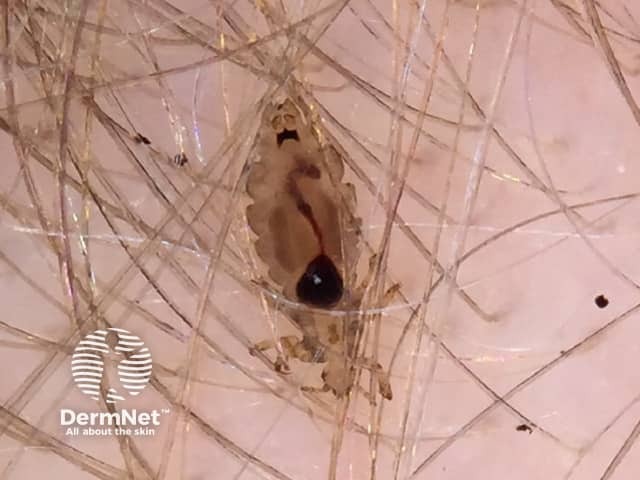
Lice need human scalp to survive. They cannot live long without blood. On clothes, lice usually die within 1 to 2 days. Lice do not jump or fly. They crawl slowly and move only by direct contact.
Lice eggs only hatch on the scalp. Temperature and moisture on clothes are not suitable for eggs. Washing clothes in hot water kills lice and eggs. Drying clothes on high heat also removes lice effectively.
Sealing clothes in plastic bags for 2 weeks kills lice by starvation. Freezing clothes is less effective because lice survive cold better than heat. The best way to avoid lice is not sharing hats, scarves, or hairbrushes.

Credit: globalnews.ca
Credit: www.rch.org.au
Frequently Asked Questions
How Long Can Lice Survive On Clothes?
Lice can survive on clothes for up to 24-48 hours. They need human scalp warmth and blood to live. Without a host, their lifespan is limited, making timely washing crucial to prevent re-infestation.
Can Lice Eggs Hatch On Clothing?
Lice eggs, or nits, rarely hatch on clothing. They require the warmth and humidity of the scalp to develop. Washing clothes in hot water effectively kills any eggs present, stopping the infestation cycle.
What Is The Best Way To Clean Clothes From Lice?
Washing clothes in hot water above 130°F (54°C) kills lice and eggs. Drying on high heat for 20 minutes also ensures removal. Sealing unwashable items in plastic bags for 2 weeks is effective against lice survival.
Can Lice Transfer Through Shared Clothing?
Yes, lice can transfer through shared clothing if lice or eggs are present. Avoid sharing hats, scarves, or coats during an outbreak to reduce the risk of spreading lice.
Conclusion
Lice cannot live long on clothes without a human host. They usually die within 1-2 days off the scalp. Washing clothes in hot water helps remove lice effectively. Drying clothes on high heat kills any remaining lice or eggs. Keep personal items separate during treatment to stop spread.
Regular cleaning and care reduce the chance of reinfestation. Understanding lice survival helps protect your family better. Stay calm and follow steps to clear lice from clothes fast.

