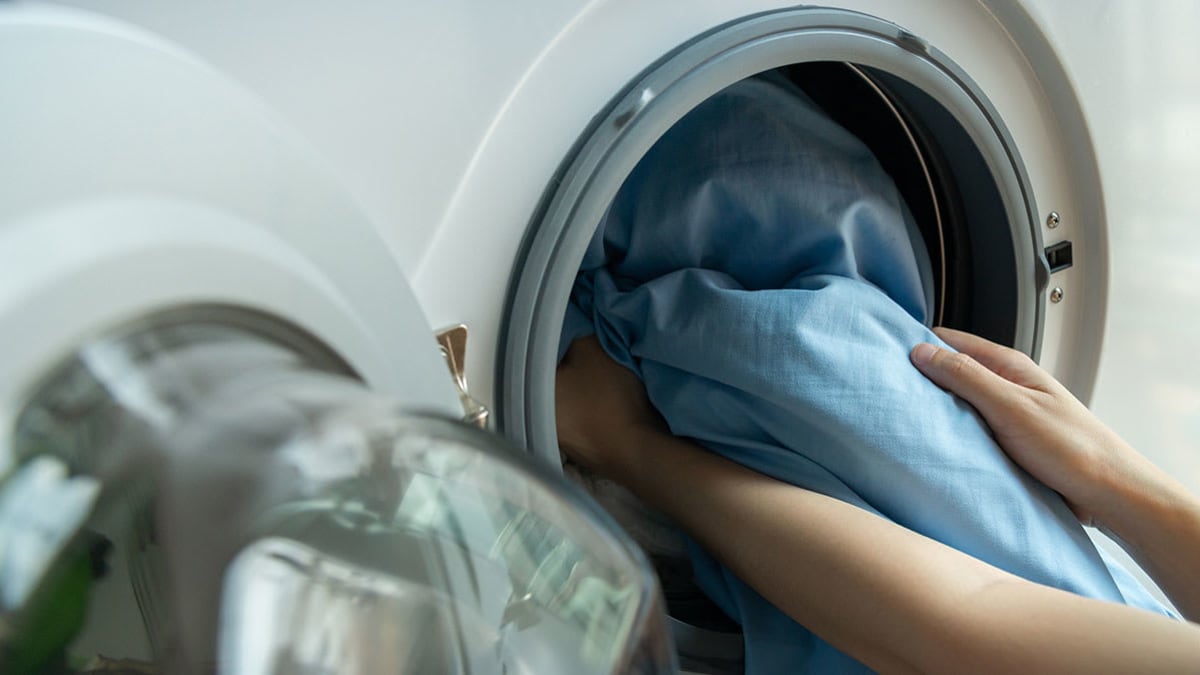
Have you ever wondered how long the Covid virus can live on your clothes? Knowing this can help you stay safer and protect your loved ones.
You might think that once you take off your jacket or shirt, the risk is gone—but that’s not always true. Understanding how many days Covid survives on fabrics can change how you handle laundry, clean your wardrobe, and even what you wear outside.
Keep reading to discover simple facts that can keep you and your family healthier every day.
Virus Survival On Different Fabrics
Virus survival on different fabrics varies widely. The type of fabric affects how long Covid-19 remains infectious. Understanding this helps in managing risks in daily life. Some fabrics absorb moisture quickly, while others repel it. This difference influences virus lifespan on surfaces.
Cotton And Natural Fibers
Cotton and other natural fibers absorb moisture well. This property causes the virus to dry out faster. Studies show Covid-19 survives on cotton for a shorter time. Usually, it stays active for a few hours to one day. Natural fibers also trap the virus inside, reducing surface exposure.
Synthetic Materials
Synthetic fabrics like polyester and nylon do not absorb moisture. They keep the virus on the surface longer. Covid-19 can survive up to two or three days on these materials. Smooth surfaces of synthetics allow the virus to stay infectious. Regular cleaning is important to reduce risks on these fabrics.
Blended Fabrics
Blended fabrics combine natural and synthetic fibers. Their virus survival time falls between the two extremes. Survival depends on the percentage of each fiber in the blend. Blended fabrics may allow the virus to live from a few hours to a day. Washing blended fabrics frequently helps remove the virus effectively.

Credit: www.goodrx.com
Factors Affecting Virus Longevity
Several factors influence how long the Covid virus can survive on clothes. These factors affect the virus’s ability to stay active and infectious. Understanding these helps in reducing the risk of contamination from fabrics. The virus does not last the same on all types of clothes or in every environment.
Temperature And Humidity
Higher temperatures usually reduce the virus’s survival time. Heat can break down the virus’s outer layer quickly. Low temperatures help the virus last longer on fabric surfaces. Humidity also plays a role; dry conditions can cause the virus to die faster. Moist environments may allow it to stay active for more days.
Exposure To Sunlight
Sunlight, especially UV rays, damages the virus’s structure. Direct sunlight can kill the virus within minutes to hours. Clothes left in the sun dry faster, which also lowers virus survival. Indoor or shaded areas protect the virus from UV damage. Therefore, sunlight exposure is a natural disinfectant for fabrics.
Fabric Thickness And Weave
Thicker and tightly woven fabrics trap moisture longer, helping the virus survive. Thin and loosely woven fabrics dry out quickly, reducing virus lifespan. Materials like cotton absorb moisture, which can lower virus activity faster. Synthetic fibers may hold the virus longer due to less absorption. Fabric type and structure greatly affect how long the virus stays alive.
Risk Of Transmission From Clothes
Clothes can carry the Covid virus for some time after exposure. Understanding the risk of transmission from fabrics helps in taking smart safety steps. The virus does not live forever on clothes, but it can survive for hours or days depending on fabric type and conditions.
Touching contaminated clothes may transfer the virus to your hands. If hands touch your face afterward, infection can occur. Knowing how the virus moves from fabrics to people reduces fear and guides proper hygiene.
Touching Contaminated Fabrics
The virus can stay on clothes after contact with droplets or surfaces. Soft fabrics like cotton hold the virus for less time than smooth surfaces. Still, touching clothes that have virus particles can lead to contamination on your skin.
Risk increases if clothes are damp or not washed for long periods. The virus prefers moist, cool places to survive. Dry and warm fabrics reduce virus survival.
Virus Transfer To Hands And Face
Hands can pick up the virus after touching contaminated fabrics. If you touch your eyes, nose, or mouth, the virus can enter your body. This transfer is the main way Covid spreads from clothes to people.
Washing hands often and avoiding face-touching lowers infection chances. Using hand sanitizer after handling clothes can kill the virus on your skin.
Real-world Infection Cases
Studies show few Covid cases come directly from clothes. Most infections happen through close contact and droplets. Clothes are a less common source but still a possible risk.
Healthcare workers and laundry staff face higher risk handling infected clothes. Proper protective gear and washing practices reduce this risk greatly.
Credit: www.ccohs.ca
Safe Handling And Cleaning Practices
Safe handling and cleaning of clothes help reduce the risk of Covid spreading. The virus can survive on fabrics for a short time. Proper washing and drying remove or kill the virus. Careful storage and handling keep clothes safe after cleaning. These steps protect you and your family.
Washing Temperature And Detergents
Use warm or hot water to wash clothes. Temperatures above 60°C (140°F) kill most viruses, including Covid. Choose detergents with strong cleaning power. Detergents break down the virus’s outer layer. Avoid cold water, as it may not remove the virus fully. Washing clothes for at least 30 minutes is best.
Drying Methods
Dry clothes completely after washing. Use a dryer on high heat if possible. Heat helps destroy remaining virus particles. Sunlight also helps kill viruses on fabrics. Hang clothes outside in direct sun to dry. Avoid leaving damp clothes in piles to prevent virus survival.
Storage And Handling Tips
- Handle dirty clothes with gloves if possible.
- Wash hands after touching unwashed clothes.
- Store clean clothes in a dry, clean space.
- Keep laundry baskets separate for dirty clothes.
- Use sealed bags for transporting clothes to avoid contamination.
Preventive Measures For Clothing
Clothes can carry the Covid virus for several hours to days. Taking steps to protect your clothing helps lower infection risks. Small habits make a big difference.
Cleaning and handling clothes carefully keeps you and others safe. Use protective gear, wash clothes often, and avoid touching surfaces unnecessarily. These actions reduce virus spread through fabrics.
Use Of Protective Gear
Wear masks and gloves in crowded or high-risk places. Protective gear limits direct contact with contaminated surfaces. It stops the virus from settling on your clothes.
Choose clothing that covers most of your skin. Long sleeves and pants act as a barrier. Change outer layers after exposure to busy places.
Regular Laundry Routine
Wash clothes regularly with hot water and detergent. Heat and soap kill the virus effectively. Avoid shaking dirty clothes to prevent virus particles from spreading.
Dry clothes completely under sunlight or in a dryer. Sunlight helps destroy viruses on fabric surfaces. Keep laundry areas clean and ventilated.
Minimizing Contact In Public Spaces
- Keep distance from others to avoid airborne droplets.
- Carry a small bag for your used clothes or masks.
- Avoid sitting or placing bags on public benches or floors.
- Limit touching your clothes in public to reduce contamination.
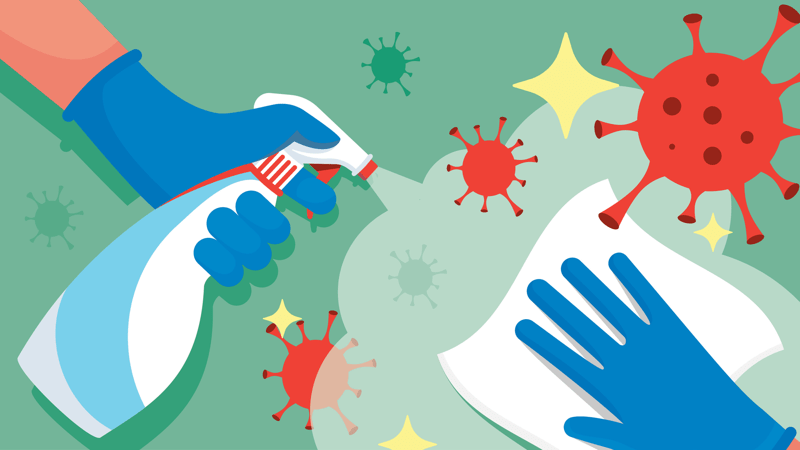
These simple actions cut down the chance of virus transferring to your clothes. Being mindful helps protect your health every day.
Credit: health.clevelandclinic.org
Frequently Asked Questions
How Long Does Covid-19 Survive On Fabric?
COVID-19 can survive on clothes for up to 1-2 days. Survival depends on fabric type and environmental conditions like temperature and humidity.
Can Washing Clothes Kill The Covid Virus?
Yes, washing clothes with detergent and hot water effectively kills the COVID virus. Proper drying also helps eliminate the virus.
Does Covid-19 Spread Through Clothing Contact?
Transmission through clothes is rare. The virus mainly spreads via respiratory droplets, but touching contaminated fabric and then face can pose a risk.
Which Fabrics Retain The Virus Longer?
Smooth, non-porous fabrics like polyester may retain the virus longer than porous fabrics like cotton, which absorb and trap viral particles.
Conclusion
Covid can survive on clothes for a few hours to several days. This depends on fabric type and environment conditions like temperature and humidity. Washing clothes regularly helps remove the virus effectively. Avoid touching your face after handling unwashed clothes.
Keep good hygiene to lower infection risks. Stay informed and take simple steps to stay safe every day. Clean clothes, clean hands—simple but important.

