When you’re facing the need to build a survival shelter, one question stands out: What size tarp do you really need? Choosing the right tarp size can make the difference between staying dry and safe or struggling in the elements.
You want a tarp that’s big enough to protect you but not so large that it becomes a burden to carry. You’ll discover exactly how to pick the perfect tarp size for your survival shelter, so you’re ready for whatever nature throws your way.
Keep reading to find out how to make your shelter strong, simple, and reliable.

Credit: www.amazon.com
Choosing The Right Tarp Size
Choosing the right tarp size is vital for building a strong survival shelter. The right size offers enough coverage to protect you from rain, wind, and sun. It also ensures you can set it up easily and carry it without trouble. Picking a tarp that is too small leaves you exposed. Too big, and it becomes heavy and bulky. Understanding what size fits your needs helps you stay safe and comfortable outdoors.
Factors Influencing Tarp Size
Several factors affect the size of tarp needed for a survival shelter. The number of people it must cover is important. A tarp for one person can be smaller than one for a group. Weather conditions also matter. Heavy rain or strong wind requires a larger tarp for better protection. The type of shelter you plan to build impacts size. For example, an A-frame shelter needs a different size than a lean-to. Portability is another key factor. A larger tarp weighs more and takes up space in your pack. Consider your carrying capacity before choosing a big tarp.
Common Tarp Dimensions
Tarps come in several standard sizes. These sizes fit most survival shelter needs.
- 6 x 8 feet:Compact size for one person or emergency use.
- 8 x 10 feet:Suitable for solo or small group shelters.
- 10 x 12 feet:Good for two or three people, offers more coverage.
- 12 x 16 feet:Ideal for larger groups or complex shelters.
Choose a tarp size that matches your shelter type, weather, and group size. This helps balance protection, weight, and ease of setup.

Credit: www.amazon.com
Shelter Types And Tarp Sizes
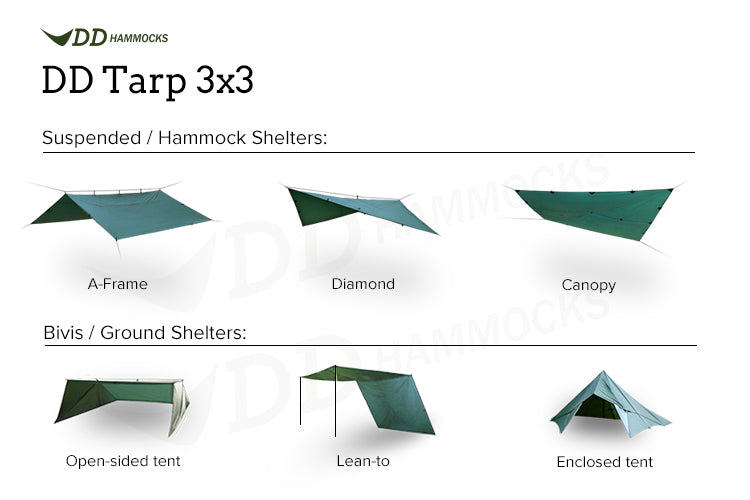
Choosing the right tarp size depends on the shelter type you plan to build. Each shelter design requires different tarp dimensions for proper coverage and protection. Understanding the common shelter types helps select the best tarp size for survival situations. This guide explains popular shelters and their ideal tarp sizes.
A-frame Shelter
An A-frame shelter uses a ridge line between two points. The tarp folds over the line to create a triangular roof. For a small A-frame, a 6×8 feet tarp works well. Larger A-frames need 8×10 or 10×12 feet tarps. The longer side covers the ridge, and the shorter sides form the walls.
Lean-to Shelter
A lean-to shelter leans one side against a support like a tree. It offers quick cover from wind and rain. A tarp size of 6×8 feet fits a basic lean-to for one person. For more space, use 8×10 feet or larger. The tarp covers the sloped roof and extends to the ground.
Teepee Shelter
The teepee shelter is a cone shape built around a center pole. The tarp wraps around the pole and overlaps at the edges. A 10×10 feet tarp is good for a single-person teepee. Bigger tarps, like 12×12 feet, suit more people or extra gear. The tarp’s shape provides good rain runoff and wind resistance.
Flat Roof Shelter
A flat roof shelter uses a tarp stretched over poles or branches. It creates a simple, horizontal cover. For a small flat roof, 6×8 feet tarp fits well. Larger shelters need 8×10 or 10×12 feet tarps. Make sure the tarp is tight to prevent sagging and water pooling.
Material And Weight Considerations
Choosing the right material and weight for your tarp is vital for a reliable survival shelter. The material affects strength, weather protection, and ease of carrying. Weight influences how easy it is to transport and set up your shelter quickly. Understanding these factors helps you pick a tarp that fits your needs and environment.
Lightweight Vs Heavy Duty Tarps
Lightweight tarps weigh less and are easier to carry. They are ideal for backpacking and short trips. These tarps use thin materials like ripstop nylon or polyethylene. They pack small but may tear easily under stress.
Heavy duty tarps use thicker materials such as canvas or reinforced polyethylene. They offer better protection against rough terrain and strong winds. These tarps last longer but add bulk and weight to your gear. Heavy duty tarps suit longer stays or harsh environments.
Durability And Weather Resistance
Durability depends on material type and weave quality. Look for tarps with strong seams and reinforced corners. These features prevent rips and leaks during use. Tarps made from waterproof or water-resistant materials keep you dry in rain or snow.
Consider UV resistance for sun protection. Some tarps fade or weaken under constant sunlight. Weather-resistant coatings improve tarp lifespan and shelter performance. Choose a tarp that matches the climate and season of your trip.

Credit: www.amazon.com
Setting Up Your Tarp Shelter
Setting up your tarp shelter correctly can make a huge difference in your comfort and safety during survival situations. The right setup provides protection from wind, rain, and cold, while also conserving heat. Knowing how to use the tools and techniques effectively will help you create a reliable shelter no matter where you are.
Essential Tools And Accessories
Before you start pitching your tarp, gather a few key items to make the process smoother and your shelter stronger. A sturdy rope or paracord is vital for tying your tarp securely. Tent stakes or strong sticks help anchor your shelter to the ground.
Other handy accessories include:
- Carabiners or clips for quick attachments
- A small hammer or rock for driving stakes into hard soil
- A knife or multitool for cutting ropes or adjusting materials
Do you have these tools ready? Without them, setting up can become frustrating and unstable.
Basic Tarp Pitching Techniques
Start by choosing a flat, clear spot to pitch your tarp. The most common setup is the A-frame, which creates a strong, rain-resistant shelter. Simply tie your rope between two trees and drape the tarp over it, securing the edges to the ground.
Another option is the lean-to, where one edge of the tarp is tied high and the opposite edge is staked low to form a sloped roof. This provides good wind protection on one side and easy access.
Remember to keep the tarp taut. Loose fabric can flap in the wind and let water in. How tight is tight enough? Pull the tarp until it feels firm but not overstretched.
Securing Your Shelter In Different Terrains
Not all ground is the same, so adjust your setup based on the terrain. On rocky or sandy soil, regular stakes may not hold well. Use heavier rocks or dig small trenches to anchor your tarp edges.
In dense forest areas, tie your tarp to trees or sturdy branches. If you’re in an open field without trees, consider using trekking poles or branches as supports.
Wind direction matters too. Position your shelter entrance away from prevailing winds to reduce drafts. Have you checked which way the wind blows before pitching your tarp?
Adjusting Tarp Size For Group Shelters
Adjusting the size of your tarp is crucial when planning a survival shelter for a group. The right tarp size ensures enough coverage, comfort, and protection from the elements. It also allows flexibility in setup, adapting to different terrains and weather conditions.
Solo Vs Group Shelter Needs
Your tarp size depends heavily on how many people it needs to cover. A solo shelter typically requires a tarp around 6×8 feet, enough for one person and some gear. But when you add more people, the tarp size must increase significantly to avoid cramped conditions and provide adequate protection.
For example, a group of three might need a tarp at least 10×12 feet. This extra space lets everyone fit comfortably and keeps gear dry. Without enough tarp, you risk exposure to rain, wind, or cold, which can turn a survival situation dangerous quickly.
Ask yourself: How many people will be sharing this shelter? Do you need extra space for gear or cooking? These questions help you decide the perfect tarp size.
Multipurpose Tarp Uses
A tarp isn’t just for shelter—its size affects how you can use it beyond covering people. Larger tarps can serve multiple purposes like creating a communal cooking area, a rain catchment system, or ground cover to keep moisture away. Smaller tarps might limit your options but are easier to pack and set up.
Consider a 12×12 feet tarp. It can be folded or sectioned off to create separate zones for sleeping, cooking, and storage. This kind of versatility is invaluable in survival situations where space and resources are limited.
Think about your survival scenario: Will you need one large tarp for everything, or several smaller ones for different tasks? Planning your tarp size with multipurpose use in mind makes your shelter more functional and adaptable.
Tips For Maximizing Shelter Coverage
Maximizing your survival shelter coverage is vital for protection against harsh weather. Smart use of your tarp ensures better safety and comfort. Small adjustments can increase the shelter’s size and warmth.
Use natural surroundings and simple layering tricks to improve your shelter’s effectiveness. These tips help you make the most of the tarp you have.
Using Natural Features
Place your tarp near trees, rocks, or hills to block wind and rain. Natural barriers reduce tarp size needs and add strength. Position the tarp so it leans against a tree or rock face. This adds stability and saves rope or stakes.
Use the ground shape to create a tight shelter. Slopes can help rain run off quickly. Hollow areas can give extra protection from wind and cold.
Layering And Insulation Tricks
Layer your tarp with leaves, branches, or pine boughs to trap heat. Adding insulation below the tarp stops cold from the ground. Use dry leaves or grass as padding for extra warmth.
Double tarp setups increase protection. One tarp covers the shelter, the second acts as a groundsheet or windbreak. This method improves waterproofing and insulation.
Frequently Asked Questions
What Factors Influence Tarp Size For Shelters?
The size of your tarp for a survival shelter depends on factors like the number of occupants, weather conditions, and available space. Larger tarps offer more protection and versatility, while smaller ones are lightweight and easier to carry. Consider your specific needs when selecting the right tarp size.
How To Choose Tarp Size For One Person?
For a solo shelter, a tarp measuring 6×8 feet is generally sufficient. It provides adequate coverage for sleeping and protection from the elements. Ensure it is lightweight yet durable, so it is easy to carry and set up in various environments.
Is A Larger Tarp Always Better For Shelter?
A larger tarp offers more coverage and flexibility but may be heavier and bulkier. It is ideal for group shelters or harsh weather. However, for solo adventures or lightweight setups, a smaller tarp may be more practical and efficient.
Can Tarp Size Affect Shelter’s Durability?
Yes, the size of the tarp can impact its durability. Larger tarps may face more wind resistance and strain. Opt for high-quality materials and reinforced edges to ensure durability. Balance size with material strength for optimal performance in your survival shelter.
Conclusion
Choosing the right tarp size makes building a shelter easier. A tarp too small won’t protect you well. Too big, and it may be hard to handle. Think about how many people need shelter. Consider the weather and space you have.
A good fit keeps you dry and safe. Remember, simple and practical works best. Prepare with the right tarp size to stay comfortable outdoors. Keep your shelter strong and ready for any situation.