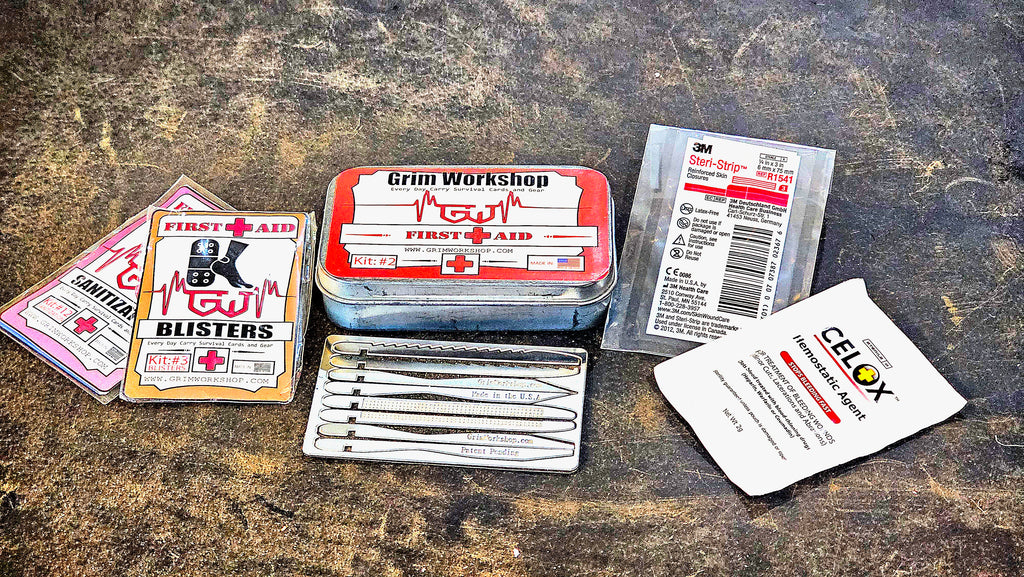
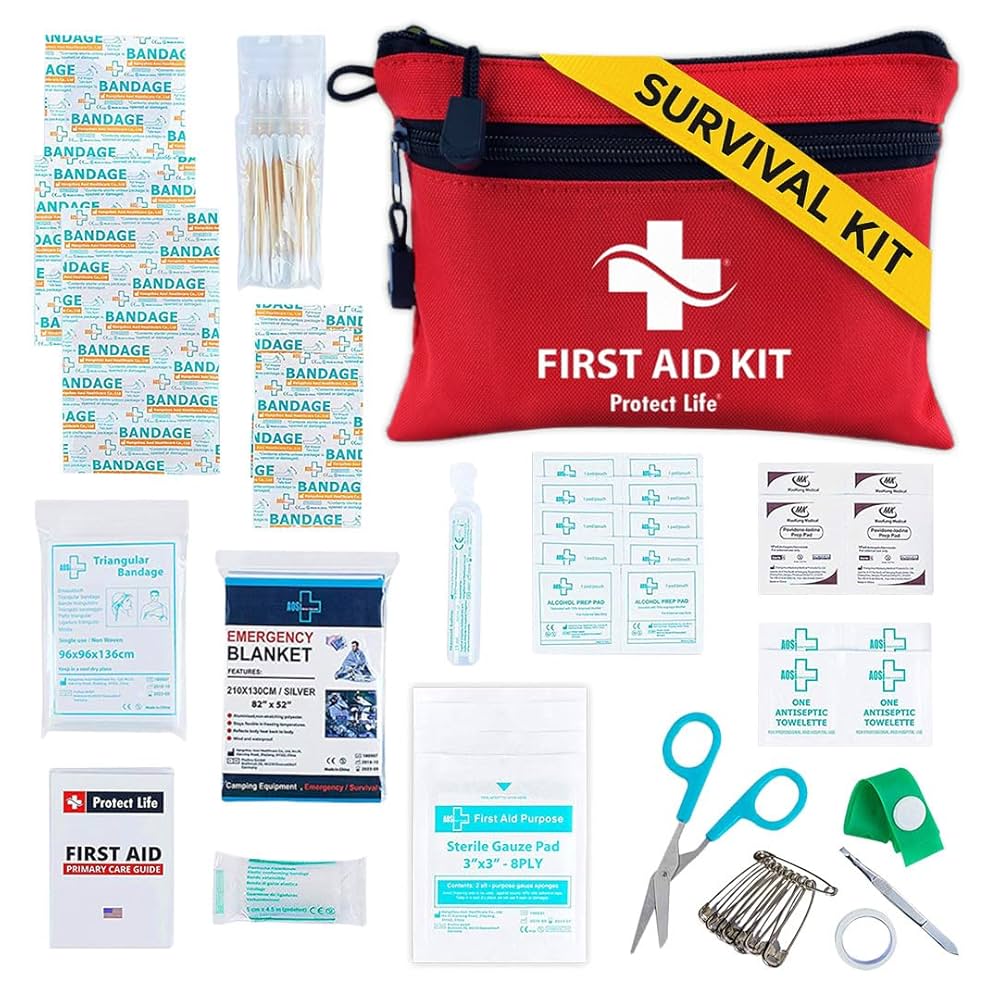
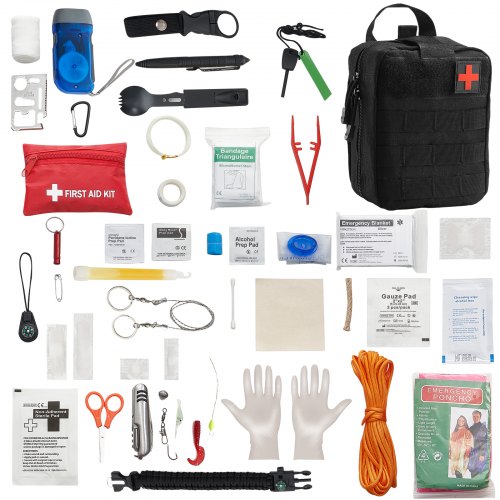
Imagine being in a tough situation where help is far away, and every second counts. Your survival kit could be the difference between staying safe or facing serious trouble.
But do you know which first aid items are essential to include? Picking the right supplies isn’t just about stuffing a bag—it’s about preparing yourself to handle injuries and emergencies with confidence. You’ll discover exactly what first aid items should be in your survival kit to keep you and your loved ones protected when it matters most.
Keep reading, because being prepared starts with the right choices.
Basic First Aid Supplies
Basic first aid supplies are essential for any survival kit. They help treat minor injuries quickly. These items prevent infections and promote faster healing. Having them ready saves time and reduces pain.
Prepare for cuts, scrapes, and small wounds with these basics. Each item serves a clear purpose. Together, they cover common emergencies.
Adhesive Bandages
Adhesive bandages protect small cuts and scrapes. They keep dirt and germs out. Choose different sizes for various wounds. Flexible and waterproof types last longer. Change bandages regularly to avoid infections.
Sterile Gauze Pads
Sterile gauze pads absorb blood and fluids. They cover larger wounds that need more protection. Use them to stop bleeding. Sterility prevents bacteria from entering the wound. Secure gauze pads with medical tape for best results.
Medical Tape
Medical tape holds bandages and gauze pads in place. It sticks well but removes without pain. Choose skin-friendly tape to avoid irritation. Cut tape into strips for easy use. Tape helps keep wounds clean and protected.
Antiseptic Wipes
Antiseptic wipes clean wounds and kill germs. Use them before applying bandages or gauze. They reduce infection risk significantly. Pack individually wrapped wipes for convenience. Always use fresh wipes for each injury.
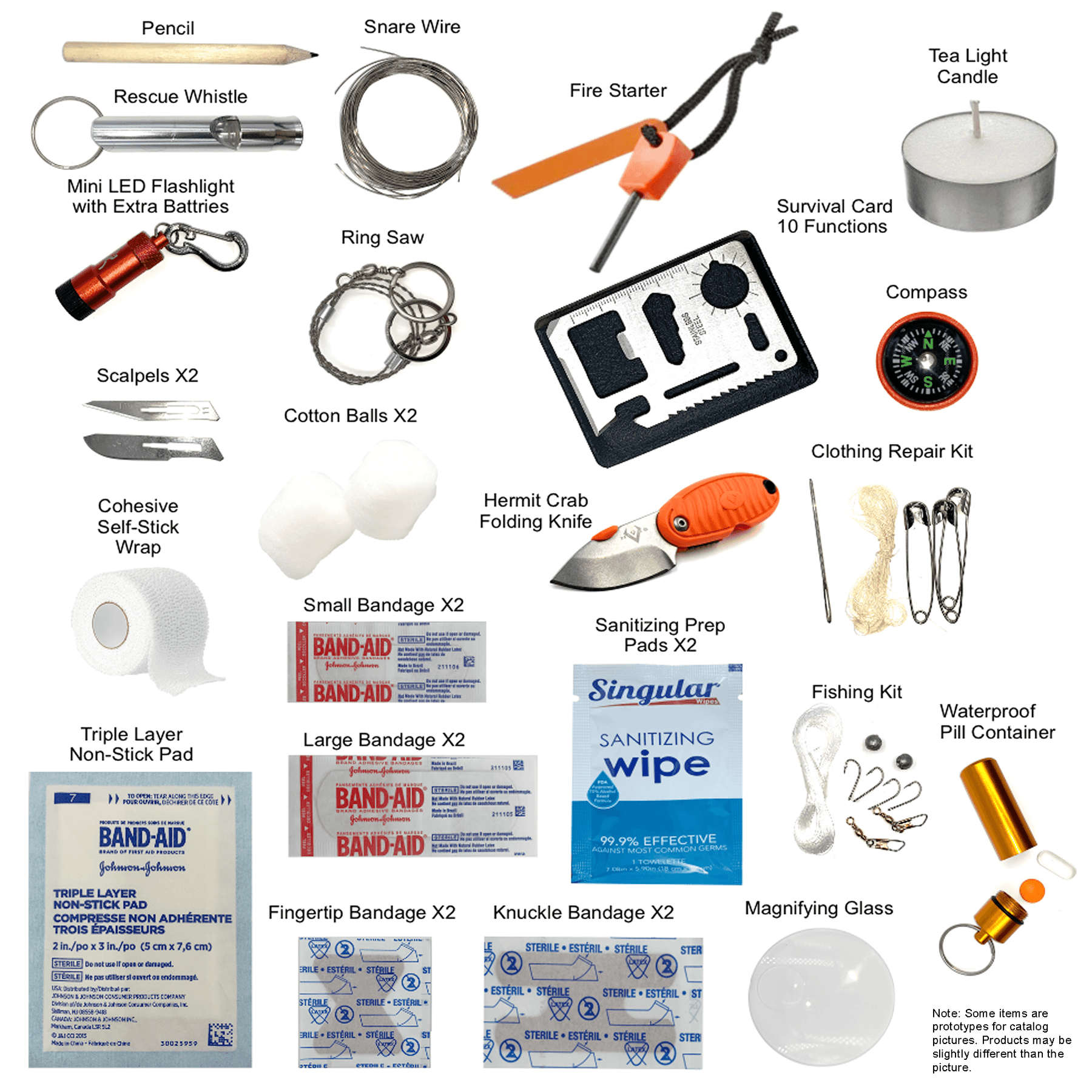
Credit: www.vnives.com
Wound Care Essentials
Wound care essentials form the backbone of any survival kit. Cuts, scrapes, and injuries happen easily in emergencies. Proper care prevents infection and speeds healing. Including key items ensures readiness for common wounds.
Antibiotic Ointments
Antibiotic ointments stop germs from growing in wounds. They reduce the risk of infection effectively. Apply a thin layer on clean cuts or scrapes before covering. This simple step helps wounds heal faster and safer.
Hydrocolloid Dressings
Hydrocolloid dressings keep wounds moist and protected. They create a barrier against dirt and bacteria. These dressings also reduce pain by cushioning the injury. Ideal for blisters, burns, and slow-healing wounds.
Elastic Bandages
Elastic bandages provide support and compression to injured areas. They help control swelling and secure dressings in place. These bandages stretch easily and adjust to different body parts. Essential for sprains, strains, and joint injuries.
Tools And Instruments
Essential first aid tools include bandages, antiseptic wipes, and tweezers for treating minor injuries. Basic instruments like scissors and safety pins help manage wounds quickly and safely. Keeping these items in a survival kit ensures readiness for emergencies.
In the realm of survival, every tool in your kit should be like a trusted ally, ready to assist when you need it most. The tools and instruments in your first aid kit are no exception. These items not only aid in medical emergencies but also help manage minor issues that could become major problems if left unchecked.Tweezers And Scissors
Imagine you’re on a hike, and a thorn embeds itself in your skin. Without tweezers, that small irritation could become infected. A good pair of tweezers is essential for removing splinters, thorns, or ticks. Opt for stainless steel for durability and precision. Scissors, on the other hand, are indispensable for cutting bandages, gauze, or clothing in emergency situations. Compact yet efficient, they should be sharp and easy to handle. Consider a pair with blunt tips to ensure safety in your kit.Safety Pins
Safety pins might seem trivial, but their utility is immense. They can secure bandages, create a makeshift sling, or even replace a zipper pull in a pinch. In a survival situation, flexibility is key, and safety pins offer just that. These small items occupy minimal space in your kit. Yet, they provide maximum versatility. Keep a handful in various sizes to tackle a range of unexpected tasks.Thermometer
Monitoring your body temperature in a survival scenario can be critical. A thermometer helps you quickly assess if a fever is developing. It’s a small tool with a big role in identifying infections early. Choose a digital thermometer for ease of use and accuracy. Its compact size won’t weigh down your kit, and the digital readout is straightforward and easy to understand. Does your survival kit have these essential tools and instruments? If not, it’s time to rethink your preparedness. Having these items at hand could mean the difference between a minor inconvenience and a major issue. Make sure you’re ready for whatever nature throws your way.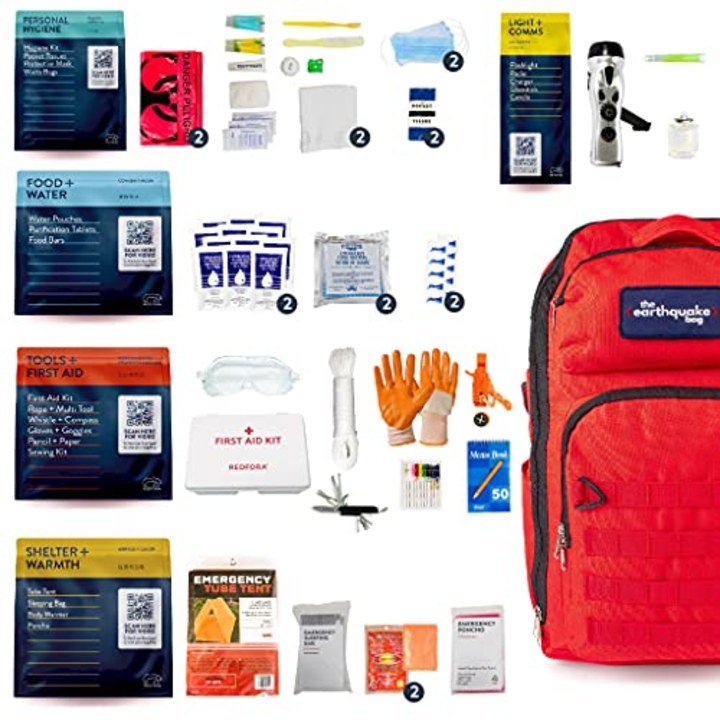
Credit: www.nbcnews.com
Medications To Include
Medications are essential in a survival kit. They help manage common health issues during emergencies. Having the right medicines can ease pain, reduce allergic reactions, and control digestion problems. Choose medications that suit your needs and conditions. Store them properly to keep them effective and safe.
Pain Relievers
Pain relievers reduce headaches, muscle aches, and fevers. Common options include acetaminophen and ibuprofen. These medicines also help with minor injuries. Keep both types in your kit to cover different needs. Follow dosage instructions carefully to avoid side effects.
Antihistamines
Antihistamines treat allergic reactions like itching, swelling, and rashes. They can also help with insect bites and stings. Choose non-drowsy formulas for daytime use. Include fast-acting options for severe allergies if possible. Always check expiration dates and replace expired items.
Anti-diarrheal Medications
Diarrhea can cause dehydration and weakness quickly. Anti-diarrheal medicines help control symptoms and maintain strength. Options like loperamide are easy to carry and use. Pair these with oral rehydration salts for better results. Keep enough supply for several days if needed.
Additional Survival Items
Additional survival items can make a big difference in emergencies. These tools help protect you and others during first aid. Keep them in your survival kit for better safety and care.
Cpr Face Shield
A CPR face shield protects you while giving rescue breaths. It prevents contact with blood and saliva. This item is small and easy to carry. It adds a layer of safety during CPR. Everyone should have one in their kit.
Emergency Blanket
An emergency blanket keeps a person warm and prevents shock. It is lightweight and folds into a small size. This blanket reflects body heat back to the person. Use it after injuries or in cold weather. It helps maintain body temperature quickly.
Instant Cold Packs
Instant cold packs reduce swelling and pain from injuries. They activate when squeezed or hit. No ice or water is needed. Keep several cold packs in your kit. They provide fast relief for sprains, bruises, and burns.

Credit: www.amazon.com
Storage And Maintenance Tips
Proper storage and maintenance keep your first aid kit ready for emergencies. A well-kept kit saves time and reduces stress during critical moments. Careful attention ensures your supplies stay effective and easy to find. Follow simple steps to organize, check, and replace items regularly.
Organizing Your Kit
Use a sturdy, waterproof container to protect your supplies. Separate items into clear bags or compartments. Group similar items like bandages, ointments, and tools together. Label each section for quick access. Keep sharp objects in a separate pouch to avoid damage. Arrange items by priority, placing essentials on top.
Regularly Checking Expiry Dates
Check expiration dates on all medicines and ointments every three months. Discard expired items immediately to avoid using ineffective or harmful products. Write the date you opened each item on the container. Remember, some supplies lose strength after opening. Keep a list of expiry dates to track updates easily.
Replacing Used Items
Replace any items you use during an emergency right away. Keep extra supplies on hand for quick replenishment. Inspect your kit after each use to spot missing or damaged items. Restock bandages, antiseptics, and medications as needed. Keeping your kit fully stocked ensures it is ready when you need it most.
Frequently Asked Questions
What Essential First Aid Items Should A Survival Kit Include?
A survival kit should include bandages, antiseptic wipes, adhesive tape, scissors, tweezers, pain relievers, and gloves. These items help treat wounds, prevent infections, and manage minor injuries effectively in emergencies.
How To Choose First Aid Supplies For Outdoor Survival Kits?
Select compact, lightweight, and multi-use first aid supplies. Prioritize items that address common outdoor injuries like cuts, burns, and insect bites. Also, include personal medications and allergy treatments for better preparedness.
Why Are Antiseptic Wipes Important In A Survival Kit?
Antiseptic wipes clean wounds and reduce infection risks. They are easy to use, portable, and essential for maintaining hygiene when medical help is unavailable. This makes them a critical first aid item.
Can Pain Relievers Be Included In Survival Kits?
Yes, pain relievers like ibuprofen or acetaminophen are vital. They help manage pain, reduce inflammation, and improve comfort during emergencies. Always store them in original packaging with clear labels.
Conclusion
A well-stocked first aid kit saves lives in emergencies. Include bandages, antiseptics, and pain relievers. Don’t forget tools like tweezers and scissors. Keep your kit organized and check it often. Being prepared helps you act fast and stay calm. A good survival kit brings peace of mind.
Ready for any situation. Stay safe and take care.