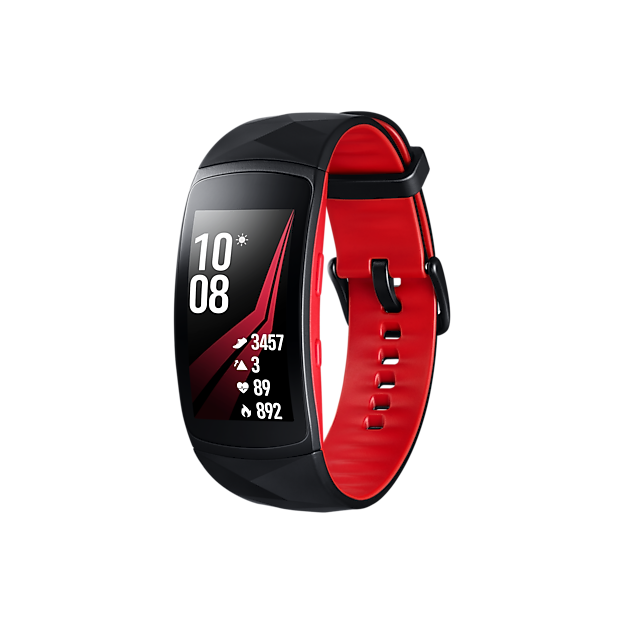
Are you curious if your Gear Fit 2 can help you understand your sleep better? Sleep is key to feeling your best, and tracking it can reveal important insights about your health.
But does the Gear Fit 2 really track your sleep accurately? You’ll discover exactly how your device monitors your rest, what data it provides, and how you can use that information to improve your nights. Keep reading to unlock the truth about your Gear Fit 2 and sleep tracking.
Gear Fit 2 Sleep Tracking Features
The Gear Fit 2 is more than just a fitness tracker; it’s designed to give you insights into your sleep patterns to help improve your rest. Its sleep tracking features work quietly in the background, monitoring your nighttime activity without interrupting your comfort. Understanding how it tracks sleep and the type of data it records can help you make better decisions for your health.
How Sleep Tracking Works
The Gear Fit 2 uses built-in sensors to monitor your movements and heart rate while you sleep. It detects when you fall asleep, how often you wake up, and the overall duration of your rest. The tracker combines this information to estimate the quality of your sleep.
Wearing the device snugly on your wrist is key for accurate tracking. I noticed a big difference when I adjusted the strap to fit better—it picked up my sleep phases more precisely. Have you ever wondered if your sleep tracker really knows when you’re awake or asleep?
Types Of Sleep Data Recorded
Gear Fit 2 records several types of sleep-related data to give a comprehensive view of your night:
- Total Sleep Duration:The total hours and minutes you sleep each night.
- Light Sleep:Periods of lighter rest when your body is still but not deeply asleep.
- Deep Sleep:The restorative stage important for physical recovery.
- Awake Time:How often and how long you wake up during the night.
This detailed breakdown helps you see patterns, like if you spend too much time awake or not enough in deep sleep. It’s like having a sleep coach on your wrist, guiding you to better rest. What would you change about your sleep if you had these insights every morning?
Accuracy Of Gear Fit 2 Sleep Tracking
The accuracy of Gear Fit 2 sleep tracking has been a topic of interest among users and experts. This wearable device uses sensors to monitor movement and heart rate during sleep. It aims to provide insights into sleep duration and quality. Understanding its accuracy helps users trust the data for better sleep habits.
Comparison With Medical Devices
Medical devices like polysomnography offer highly precise sleep analysis. Gear Fit 2 uses less complex technology, focusing on movement and heart rate. Studies show Gear Fit 2 can track total sleep time fairly well. It sometimes struggles to detect light and deep sleep stages accurately. The device may miss brief awakenings during the night. It is useful for general sleep patterns but not medical diagnosis.
User Experience And Feedback
Many users find Gear Fit 2 easy to use for sleep tracking. The device provides daily summaries that are simple to understand. Some users report the sleep data matches how they feel. Others notice differences between their perception and the recorded data. Battery life and comfort affect how consistently people wear it. Overall, feedback shows it helps raise sleep awareness.
Factors Affecting Sleep Tracking Accuracy
When it comes to tracking sleep, the accuracy of your Gear Fit 2 can be influenced by several factors. Understanding these elements can help you get the most reliable data from your device. Let’s explore two key aspects that might affect the performance of your sleep tracker.
Device Placement And Fit
The way your Gear Fit 2 is positioned on your wrist plays a crucial role in how accurately it can track your sleep. A snug fit ensures that the sensors maintain constant contact with your skin, capturing essential data without interruption. If it’s too loose, the device might miss movements or confuse them with other activities.
Imagine waking up and realizing that your sleep data doesn’t reflect how you feel. Could a poorly fitted device be the culprit? Ensuring a comfortable yet secure fit might just be the key to unlocking accurate sleep insights.
Sleep Environment Influences
Your sleeping environment can also impact the accuracy of your sleep tracking. Factors like room temperature, noise levels, and even the type of mattress can affect your sleep quality, thereby influencing the data recorded by your Gear Fit 2. Does your environment mimic a restful oasis or a bustling city street?
Consider optimizing your sleep environment for both comfort and quiet. You might find that the improvements not only enhance your sleep quality but also provide more accurate insights from your tracker. Are you curious about how small changes in your environment could make a big difference?

Credit: newatlas.com
Improving Sleep Tracking Results
Improving the accuracy of your Gear Fit 2’s sleep tracking can make a big difference in understanding your rest patterns. The device relies on movement and heart rate data, so small changes in how you wear and use it can lead to clearer insights. Here are practical ways to get better data and make your sleep analysis more reliable.
Tips For Better Data Accuracy
Make sure the Gear Fit 2 fits snugly but comfortably on your wrist. If it’s too loose, the sensors can lose contact with your skin, causing gaps in data.
Charge your device fully before bedtime. Low battery levels may limit the sensor’s ability to track consistently throughout the night.
Try to keep a consistent sleep schedule. Your body’s rhythms become easier to track when you go to bed and wake up around the same time daily.
Turn on the “Sleep Mode” feature to minimize disruptions and optimize tracking during your rest.
Using Complementary Apps
Pairing your Gear Fit 2 with dedicated sleep apps can provide deeper analysis and better visualization of your sleep data. Apps like Samsung Health offer additional insights such as sleep stages and trends over time.
Some apps allow manual input of factors affecting sleep, like caffeine intake or stress levels. This helps correlate lifestyle habits with your sleep quality more effectively.
Consider syncing your data with third-party platforms that specialize in sleep coaching. These tools often suggest personalized tips based on your tracked patterns.
Have you noticed patterns in your sleep after using apps alongside your Gear Fit 2? Tracking both automatically and manually can uncover details you might otherwise miss.
Alternatives To Gear Fit 2 For Sleep Tracking
Many people want to track their sleep to improve rest and health. The Gear Fit 2 offers basic sleep tracking, but other options provide different features. These alternatives can help users find the best fit for their needs and budget.
Other Wearable Devices
Wearable devices are popular for sleep tracking. They monitor movement, heart rate, and sleep stages. Here are some well-known options:
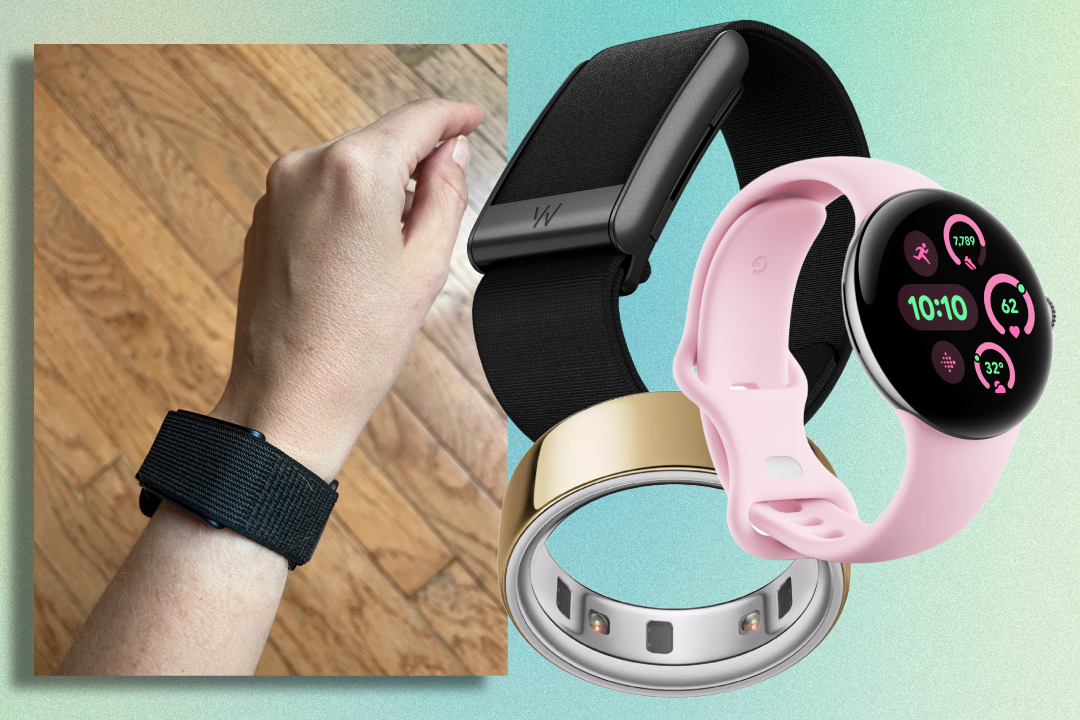
- Fitbit Charge series – Offers detailed sleep stages and daily sleep scores.
- Garmin Vivosmart – Tracks sleep patterns and provides insights on rest quality.
- Apple Watch – Uses advanced sensors to track sleep and heart rate variability.
- Oura Ring – Small and discreet, focusing on sleep quality and readiness scores.
These wearables provide easy-to-understand data and sync with phone apps. They can motivate better sleep habits.
Non-wearable Sleep Trackers
Non-wearable trackers do not need to be worn on the body. They use sensors placed near the bed or under the mattress. Key options include:
- Withings Sleep Mat – Tracks sleep cycles and detects breathing disturbances.
- ResMed S+ – Uses radio waves to monitor breathing and movement without contact.
- SleepScore Max – Analyzes sleep environment and sleep quality from the bedside.
These devices offer a comfortable way to track sleep without wearing anything. They suit those who dislike wristbands or rings at night.

Credit: www.amazon.com
Credit: www.androidpolice.com
Frequently Asked Questions
Does Gear Fit 2 Track Sleep Automatically?
Yes, Gear Fit 2 tracks sleep automatically when worn during sleep. It monitors total sleep time and sleep stages without manual input.
What Sleep Data Does Gear Fit 2 Provide?
Gear Fit 2 provides data on total sleep duration, light sleep, deep sleep, and awake time. It offers insights to improve sleep quality.
How Accurate Is Gear Fit 2 Sleep Tracking?
Gear Fit 2 sleep tracking is reasonably accurate for general use. It may not match medical-grade devices but helps identify sleep patterns effectively.
Can I View Sleep Data On My Phone?
Yes, sleep data from Gear Fit 2 syncs to the Samsung Health app. You can view detailed sleep reports and trends on your phone.
Conclusion
The Gear Fit 2 can track your sleep with basic details. It records how long you sleep and when you wake up. The data helps you see patterns in your sleep habits. It is not as detailed as some other devices.
Still, it gives a good idea of your rest quality. Sleep tracking can guide small changes for better sleep. Using the Gear Fit 2 makes monitoring sleep easy. This feature can support healthier daily routines over time.