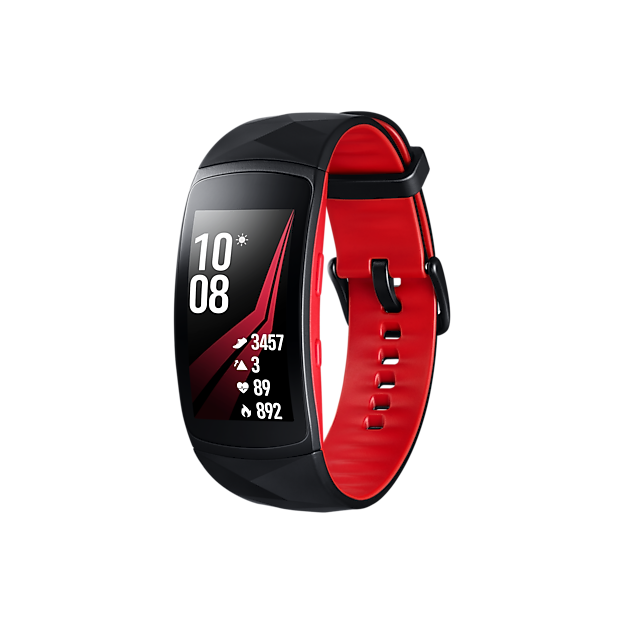
Are you frustrated because your Gear Fit 2 isn’t tracking your sleep properly? You rely on it to monitor your rest, but the data just isn’t showing up.
This can be confusing and disappointing, especially when good sleep tracking is key to improving your health. You’ll discover the common reasons why your Gear Fit 2 might not be registering your sleep pattern and simple steps you can take to fix it.
Keep reading to get your device working the way it should and start getting the accurate sleep insights you deserve.

Credit: www.reddit.com
Common Reasons For Sleep Tracking Issues
Sleep tracking issues with your Gear Fit 2 can be frustrating, especially when you rely on accurate data to improve your rest. Several common factors can cause the device not to register your sleep pattern correctly. Understanding these reasons helps you troubleshoot effectively and get your sleep monitoring back on track.
Sensor Malfunctions
The sensors in your Gear Fit 2 detect movement and heart rate to track sleep. If these sensors malfunction, your device might miss important signals. Dirt, sweat, or damage can block sensor accuracy, causing incomplete or incorrect sleep data.
Have you noticed your device missing sleep periods after a workout? Sweat residue can interfere with sensor function, so cleaning the sensors gently with a soft cloth can help restore accuracy.
Software Glitches
Software bugs or outdated firmware can disrupt sleep tracking. Sometimes the app fails to sync properly with the device, leading to missing or wrong data. Restarting your Gear Fit 2 or updating its software often fixes these glitches.
If your sleep data suddenly disappears or looks off, check for updates in the Samsung Health app. Are you syncing your device regularly? Skipping this can cause data mismatches.
Worn Out Device
Over time, the Gear Fit 2’s hardware components can degrade. A worn out battery or internal chip problems affect sensor sensitivity. This wear can cause inconsistent sleep recordings or complete failure to track.
Think about how long you’ve used your device. If it’s several years old, hardware aging might be the culprit. In this case, considering a repair or replacement may be the best option.
Incorrect Wear Position
Wearing your Gear Fit 2 too loose or too tight can impact sleep tracking. The device needs firm skin contact to monitor heart rate and motion accurately. Wearing it on the wrist bone instead of just above it also reduces sensor effectiveness.
Try adjusting the strap so it feels snug but comfortable. Have you checked that your device sits above your wrist bone? Small changes in placement can significantly improve sleep data accuracy.

Credit: www.reddit.com
Basic Troubleshooting Steps
Basic troubleshooting helps fix common issues with the Gear Fit 2 sleep tracking. Simple checks can often restore proper function. Follow these steps to find and solve the problem quickly.
Restarting The Device
Restarting the Gear Fit 2 refreshes its system and clears temporary glitches. Press and hold the power button until the screen turns off. Wait a few seconds, then press the button again to turn it back on. This quick reset can solve many tracking issues.
Checking Device Settings
Sleep tracking may stop if settings are off or incorrect. Open the Gear Fit 2 app and ensure sleep tracking is enabled. Verify that permissions for health data are granted. Also, check if Do Not Disturb or power-saving modes block tracking features.
Updating Firmware
Outdated firmware can cause bugs and errors. Connect the Gear Fit 2 to your phone and open the Samsung Wearable app. Look for firmware updates and install them if available. Updated software improves performance and fixes known sleep tracking problems.
Ensuring Proper Fit
The device must fit snugly on your wrist to detect sleep accurately. Wear the Gear Fit 2 just above the wrist bone. Avoid loose or too tight straps. A proper fit helps sensors monitor heart rate and movement during sleep effectively.
Advanced Fixes For Sleep Tracking
Advanced fixes for sleep tracking tackle deeper issues in your Gear Fit 2. These solutions improve the device’s ability to record accurate sleep data. They target software glitches and sensor calibration problems that basic fixes might miss.
Trying these steps can restore proper sleep pattern registration. Each method focuses on a specific aspect of the device or app. Follow these carefully to enhance your sleep tracking experience.
Resetting The Gear Fit 2
Resetting your Gear Fit 2 clears temporary bugs affecting sleep data. This process returns the device to its default settings without deleting your stored data.
- Open the Settings menu on your Gear Fit 2.
- Navigate to the General or Device option.
- Select Reset or Factory Reset.
- Confirm the action and wait for the device to restart.
After resetting, reconnect the device to your phone. This refresh often resolves tracking failures and sensor errors.
Reinstalling The Health App
The Samsung Health app handles sleep data syncing and analysis. Reinstalling it can fix syncing issues and corrupted files.
- Uninstall the Samsung Health app from your phone.
- Restart your phone to clear background processes.
- Download and install the latest version from your app store.
- Log in with your account and sync the Gear Fit 2 again.
This simple step ensures the app works smoothly with your device for accurate sleep tracking.
Calibrating Sensors Manually
Calibrating sensors aligns the Gear Fit 2’s hardware for better sleep detection. Manual calibration fixes sensor drift and improves data accuracy.
- Wear the Gear Fit 2 snugly on your wrist.
- Open the Samsung Health app and go to device settings.
- Find the sensor calibration option, usually under advanced settings.
- Follow on-screen instructions to complete calibration.
After calibration, test the sleep tracking feature during your next sleep cycle. Proper sensor alignment enhances the detection of sleep stages and movements.

Credit: www.reddit.com
Preventive Measures For Accurate Tracking
Ensure the Gear Fit 2 fits snugly on your wrist for better sensor contact. Regularly update the device software to fix tracking bugs and improve accuracy. Clean the sensors gently to avoid dirt interference with sleep detection.
To ensure your Gear Fit 2 accurately tracks your sleep pattern, taking preventive measures can make a significant difference. With just a few tweaks in your routine and habits, you can improve the accuracy of your sleep data. Let’s dive into some practical strategies that can help you get the most out of your device.Regular Device Maintenance
Keeping your Gear Fit 2 in top-notch condition is crucial. Regularly cleaning the device, especially the sensors, can prevent dirt or sweat from interfering with its performance. It’s also wise to ensure that the software is up-to-date, as updates often fix bugs and improve tracking accuracy.Avoiding Interference
External factors can disrupt your Gear Fit 2’s ability to track sleep accurately. Avoid placing your device near electronics like smartphones or laptops while you sleep, as they can cause interference. Consider this: could your bedside gadgets be the reason your sleep tracking is off?Consistent Wearing Habits
Wearing your Gear Fit 2 consistently and correctly is essential. Ensure it’s snug but comfortable on your wrist, as a loose fit can lead to inaccurate data. Make it a habit to wear it every night; consistency is key in collecting reliable sleep data.When To Seek Professional Help
Knowing when to seek professional help for your Gear Fit 2 not registering sleep patterns can save you time and frustration. If you’ve tried basic troubleshooting like restarting the device or updating the software and still see no improvement, it might be time to get expert assistance. Ignoring persistent issues could mean missing out on accurate health insights your device is meant to provide.
Contacting Samsung Support
Samsung Support is your go-to resource when your Gear Fit 2 doesn’t track sleep properly despite your efforts. They can guide you through specific diagnostic steps tailored to your device model. Sometimes, the problem could be software-related, and a firmware update or reset might fix it quickly.
Reaching out to Samsung Support also connects you to experienced technicians who can identify less obvious issues like sensor malfunctions. Don’t hesitate to ask detailed questions about your device’s sleep tracking feature—it’s their job to help you get it working accurately again.
Warranty And Repair Options
If your Gear Fit 2 is still under warranty, you could be eligible for a free repair or replacement. Check your purchase date and warranty status before moving forward. Samsung often covers hardware defects that affect sleep tracking under their warranty terms.
Out-of-warranty devices might require paid repairs, but assessing the cost versus buying a new device is important. You can also explore authorized service centers for reliable repair options. Have you considered how much accurate sleep data is worth to your health routine? Sometimes, investing in professional repair is the best way to maintain your wellness goals.
Frequently Asked Questions
Why Is Gear Fit 2 Not Tracking My Sleep?
Gear Fit 2 may miss sleep tracking due to improper wear or sensor issues. Ensure the device fits snugly. Check if the sleep tracking feature is enabled in the app. Restart the device to refresh its sensors and software.
How To Fix Gear Fit 2 Sleep Pattern Errors?
To fix errors, update the Gear Fit 2 firmware and the Samsung Health app. Clean the sensors gently. Reset the device if issues persist. Verify the sleep tracking settings and sync your data regularly for accurate results.
Can Low Battery Affect Sleep Tracking On Gear Fit 2?
Yes, low battery can hinder sleep tracking performance. When battery is low, sensors may not function optimally. Charge your Gear Fit 2 fully before sleep. This ensures continuous and accurate monitoring throughout the night.
Does Wearing Gear Fit 2 Loosely Affect Sleep Data?
Wearing the Gear Fit 2 loosely can cause inaccurate sleep data. The sensors need close contact with your skin to detect movement and heart rate. Adjust the strap for a snug, comfortable fit to improve sleep tracking accuracy.
Conclusion
Sleep tracking issues with Gear Fit 2 can frustrate many users. Checking settings and updating software often solves the problem. Make sure the device fits well on your wrist. Restart the tracker if sleep data still doesn’t show. Sometimes, syncing with the app fixes the issue fast.
Keep the firmware updated for best performance. Small steps can improve your sleep tracking experience. Stay patient and try these tips to get accurate results. Your Gear Fit 2 can track sleep properly with a little care.