
What is Last Shelter Survival, and why should you care? If you’re looking for a game that challenges your strategy skills while keeping you on the edge of your seat, this might be exactly what you need.
Imagine building your own base, managing resources, and leading your people through a world full of dangers. You’ll face tough decisions, unexpected threats, and thrilling battles. Keep reading to discover how Last Shelter Survival can turn you into a true leader and test your survival instincts like never before.
Game Basics
Last Shelter Survival drops you into a post-apocalyptic world where every decision shapes your survival. You begin with a small shelter and limited resources, facing constant threats from zombies and rival players. Understanding the game basics helps you build a strong foundation to grow your base and defend it effectively.
Core Gameplay Mechanics
The game revolves around managing your shelter, training troops, and battling enemies. You’ll gather resources, upgrade buildings, and research technologies to improve your defenses and attack power. Combat happens both in real-time and through strategic planning, requiring you to balance offense and defense carefully.
Have you ever wondered how to balance your time between building and fighting? The key is to prioritize tasks that boost your resource production while preparing your troops for inevitable attacks.
Resource Types
Resources are the lifeblood of your shelter. The main types include:
- Food:Feeds your troops and supports population growth.
- Wood:Used for constructing and upgrading buildings.
- Stone:Essential for fortifying structures and crafting equipment.
- Iron:Needed to train advanced troops and develop weapons.
- Oil:Powers vehicles and special units for strategic advantages.
Managing these resources efficiently prevents bottlenecks that can stall your progress. Think about which resources are scarce in your current setup and focus on improving those production lines first.
Building And Upgrading
Building your shelter isn’t just about stacking walls; it’s about creating a balanced infrastructure. Start by upgrading your headquarters to unlock new features and buildings. Each structure has a unique role, from barracks for troops to resource production facilities.
Upgrading buildings boosts their efficiency, but it takes time and resources. You must decide whether to focus on upgrading your defenses or enhancing your economy first. What’s your current strategy—defense or growth?
By carefully planning your building and upgrading path, you set yourself up to survive longer and fight stronger against threats. This strategic depth keeps the gameplay engaging and rewarding.

Credit: www.youtube.com
Survivor Management
Survivor management is crucial in Last Shelter Survival because your survivors are the backbone of your base’s growth and defense. Managing them well can mean the difference between thriving and barely surviving. You need to focus on recruiting the right people, assigning them to roles where they shine, and continuously training them to improve their skills.
Recruiting Survivors
Recruiting survivors isn’t just about numbers; it’s about quality. You want survivors with diverse skills to cover all your needs, from resource gathering to combat. Prioritize those with high stats in areas important to your current goals.
Have you ever rushed to recruit anyone available, only to regret it later? Take your time and scout survivors carefully. Look for those with useful traits like leadership or combat skills, which can boost your team’s overall performance.
Assigning Roles
Once you have survivors, you must assign them to roles that fit their strengths. Some are better at scouting, others excel in resource gathering, and a few are perfect for defending your base. Matching roles to skills maximizes efficiency.
Think about your current needs. Is your base under frequent attack? Focus on defense roles. Need more materials? Assign more survivors to gathering. The right role assignment can save you time and resources.
Training And Leveling Up
Training survivors boosts their stats and unlocks new abilities. Don’t leave them at basic levels; invest in leveling them up regularly. This investment pays off by making your survivors faster, stronger, and more effective.
Remember, training isn’t just about combat skills. Improving leadership and gathering abilities can speed up your entire operation. Are you focusing your training on balanced growth or just combat power? A well-rounded team adapts better to challenges.
Combat Strategies
Combat in Last Shelter Survival demands more than just raw power; it requires thoughtful strategies that adapt to different battle situations. Understanding how to defend effectively, attack with precision, and organize your troops can turn the tide in your favor. Let’s break down these essential combat strategies that can help you survive and dominate.
Defensive Tactics
Strong defenses can save your resources and keep your shelter intact during enemy raids. Focus on upgrading walls and traps to slow down attackers. Positioning your troops inside the shelter rather than outside gives you better protection.
Have you ever noticed how a well-timed counterattack after a solid defense can surprise your enemies? Defending isn’t just about holding ground; it’s about creating opportunities to strike back.
Offensive Approaches
Attacking with a clear goal helps you avoid unnecessary losses. Scout your enemy first to identify weak points and choose your target wisely. Use a mix of troops to exploit those weaknesses—archers for ranged attacks, cavalry for quick strikes, and infantry to hold the line.
Consider timing your attacks when your enemy is least prepared. Have you tried hitting during their resource gathering or when their troops are away? Such moments increase your chances of a successful raid.
Using Troop Formations
Arranging your troops in smart formations can maximize their effectiveness. For example, placing tanks or heavily armored units at the front protects your weaker ranged units behind them. This setup allows your archers and artillery to attack safely from a distance.
Try experimenting with different formations to see what works best against various opponents. Are you adapting your troop layout based on the enemy’s composition? Small changes here can lead to big wins on the battlefield.
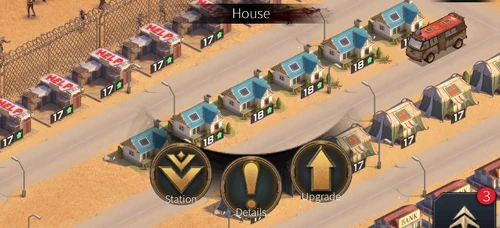
Credit: last-shelter-survival.fandom.com
Alliance Benefits
Alliance Benefits in Last Shelter Survival bring a new dimension to the game, turning solo play into a team effort. Being part of an alliance means you gain access to resources, support, and strategies that can dramatically improve your chances of survival. These benefits not only help you grow stronger but also make the gameplay more exciting and social.
Joining Alliances
Joining an alliance is simple but impactful. You get to connect with players who share similar goals and can offer guidance or backup when you need it most.
Choosing the right alliance can affect your gameplay experience. Look for active members and clear communication to make sure you’re part of a team that supports each other effectively.
Cooperative Gameplay
Playing with an alliance means you don’t have to fight alone. You can coordinate attacks, share resources, and defend each other against enemy raids.
Cooperation helps you learn new strategies and adapt quickly. Have you ever tried launching a joint attack? The thrill and success rate are much higher when you work as a team.
Alliance Rewards
Being in an alliance unlocks exclusive rewards that you can’t get solo. These include daily bonuses, event prizes, and special gear that boost your progress.
Rewards motivate you to stay active and contribute to your alliance’s success. Think about how these bonuses could speed up your development and give you an edge over other players.
Resource Optimization
Resource optimization is key to surviving in Last Shelter Survival. Efficient use of resources keeps your base strong and growing. Waste can slow progress and leave you vulnerable. Smart players gather and use resources wisely to maintain a steady flow. Balancing resource collection, trade, and supply management improves your chances of success.
Efficient Gathering
Gathering resources quickly and safely is essential. Focus on areas with high resource yields. Use scouts to find rich resource zones. Assign troops to collect multiple resource types at once. Avoid wasting time on low-value spots. Upgrade gathering speed through technology and equipment.
Resource Trading
Trading lets you exchange surplus resources for what you need. Look for fair trades with other players. Use the market to find good deals. Prioritize trading resources that are hard to gather. Keep track of market prices to avoid losses. Trade regularly to balance your resource pool.
Managing Supply Lines
Supply lines connect your base with resource points and allies. Protect supply routes from enemy attacks. Use scouts to monitor supply line safety. Send reinforcements if supply lines are under threat. Plan supply routes to avoid bottlenecks. Strong supply lines ensure steady resource flow to your base.

Credit: lss.fandom.com
Event Participation
Event participation in Last Shelter Survival is more than just a way to pass time—it’s a key strategy to grow stronger and secure valuable resources. These events challenge your skills, teamwork, and strategic planning. Engaging actively can set you apart from many players who miss out on crucial rewards.
Types Of Events
Last Shelter Survival offers a variety of events, each with unique goals and rewards. Some popular events include:
- Alliance Events:Tasks that require working closely with your alliance to achieve common objectives.
- Solo Challenges:Missions that test your individual skills and resource management.
- Resource Hunts:Events focused on gathering specific materials or items under time limits.
- Combat Tournaments:PvP events where you compete against other players or alliances.
Knowing the types helps you prepare the right troops, resources, and tactics to succeed.
Maximizing Rewards
Simply participating in events isn’t enough—you want to get the most out of them. Focus on events that align with your current needs, whether it’s upgrading your base, strengthening troops, or gathering resources.
Don’t ignore small daily events; they often stack up and provide a steady flow of rewards. I once missed a resource event thinking it was minor, only to regret it later when I needed those materials desperately.
Communicate with your alliance regularly to coordinate efforts—many events give bonus rewards for teamwork. Use event guides and past results to plan your participation and avoid wasting energy on low-yield activities.
Event Scheduling Tips
Events often run on tight schedules, so managing your time is crucial. Check the event calendar daily to avoid missing out on key opportunities.
Set reminders for event start and end times to ensure you can participate actively rather than logging in randomly. Planning your gameplay around event timings allows you to join at peak moments when rewards are highest.
Balance event participation with your regular gameplay to avoid burnout. Sometimes skipping a less rewarding event can save energy and resources for a more valuable one later.
Advanced Tips
Advanced tips help improve your gameplay in Last Shelter Survival. These tips focus on strategy and smart choices. They make your base stronger and your heroes more effective. Avoid common errors that slow your progress. Use these ideas to build a better game plan.
Base Layout Advice
A good base layout protects your resources and troops. Place resource buildings inside walls for safety. Put defense towers near the base edges to stop attacks early. Keep your headquarters in the center. Space out buildings to reduce damage from enemy bombs. Use walls to create compartments. This slows down enemy troops and helps your defenses.
Hero Selection
Choose heroes with skills that fit your play style. Some heroes boost resource gathering. Others excel in combat or defense. Upgrade heroes regularly to keep them strong. Pair heroes with troops that match their abilities. This combination increases your battle power. Pay attention to hero special skills and cooldown times. Balance your team for both attack and defense.
Avoiding Common Mistakes
Don’t rush upgrades without enough resources. This wastes time and slows progress. Avoid attacking stronger players early in the game. Focus on building your base and training troops first. Don’t ignore research; it provides useful bonuses. Manage your speed-ups wisely; use them on important tasks. Keep your builders working at all times. Neglecting these areas can cause setbacks and frustration.
Frequently Asked Questions
What Is Last Shelter Survival Game About?
Last Shelter Survival is a strategy game set in a post-apocalyptic world. Players build bases, train troops, and fight zombies to survive.
How Do You Start Playing Last Shelter Survival?
Begin by building your shelter, gathering resources, and training soldiers. Follow in-game tutorials for efficient base development and defense.
What Are Key Features Of Last Shelter Survival?
The game offers real-time strategy, alliance building, resource management, and zombie battles. It emphasizes teamwork and strategic planning.
Can You Play Last Shelter Survival Offline?
No, Last Shelter Survival requires an internet connection to access multiplayer features and real-time events.
Conclusion
Last Shelter Survival offers a world full of challenges and strategy. Players build shelters, gather resources, and fight enemies. Teamwork plays a big role in winning battles. The game keeps you thinking and planning every move. It is easy to learn but hard to master.
You can enjoy it alone or with friends. Survival depends on smart choices and quick action. This game is a good way to test your skills. Try it and see how long you can last.


