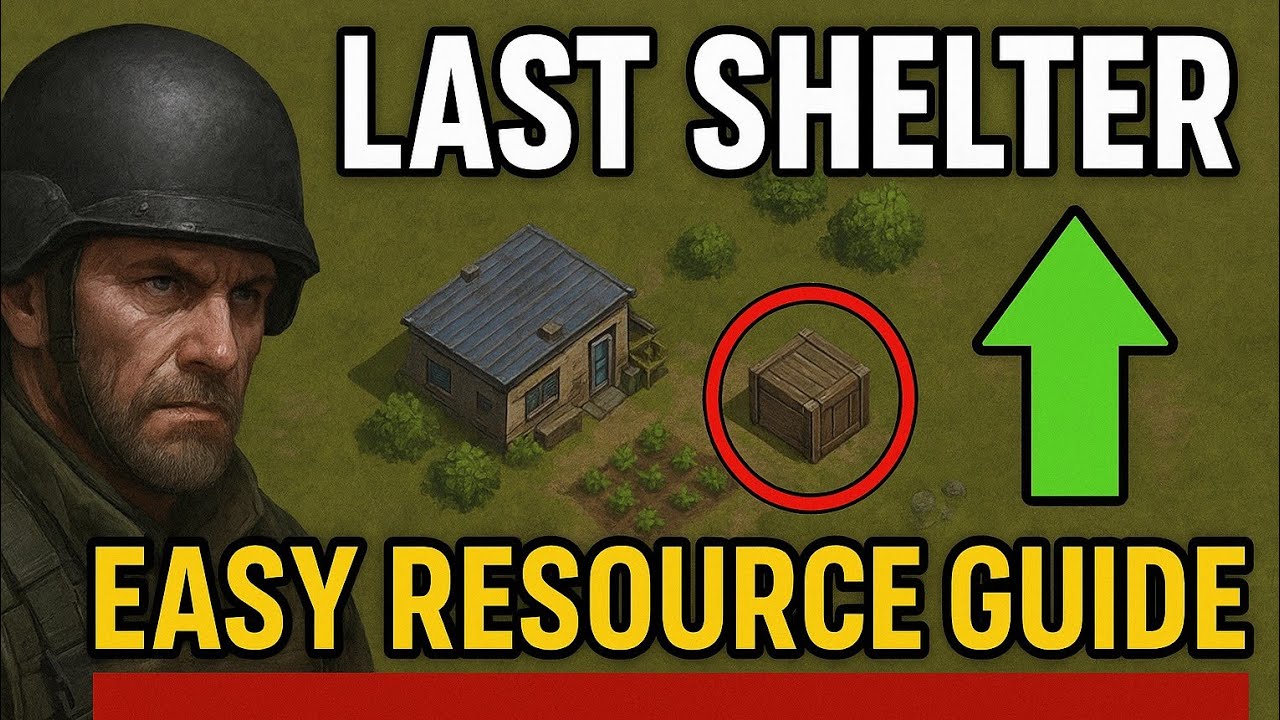
Are you curious about what RSS means in Last Shelter Survival and how it can change your game? Understanding RSS is key to managing your resources wisely and building a strong base.
If you want to rise faster and outsmart your opponents, knowing how to use RSS can give you a real edge. Keep reading, and you’ll discover simple tips that will help you master this crucial part of the game. Your path to survival just got easier!

Credit: www.reddit.com
Basics Of Rss
Understanding the basics of RSS in Last Shelter Survival is essential to improving your gameplay. RSS, or resources, are the lifeblood of your base and army. Managing them well can mean the difference between thriving and struggling in the game.
What Rss Means In Last Shelter Survival
RSS stands for resources in Last Shelter Survival. These include vital materials like food, wood, steel, and oil. Each resource plays a specific role in building, upgrading, and maintaining your shelter and troops.
Resources are collected from your base and the surrounding map. You can also acquire them by attacking resource points or trading with allies. Without enough RSS, your progress will slow down drastically.
How Rss Affects Gameplay
Your ability to gather and protect RSS directly affects your strength. A steady supply lets you build stronger defenses and train more powerful troops. On the other hand, running low can leave you vulnerable to attacks.
Balancing resource collection and spending is key. If you focus too much on upgrading buildings without enough resources saved, you’ll stall. Think about how much you need for upgrades and always keep a safety margin.
Have you ever lost a raid because you underestimated your resource needs? Planning your RSS management can prevent such setbacks and keep your progress smooth.

Credit: www.youtube.com
Types Of Rss Resources
Resources, or RSS, play a vital role in Last Shelter Survival. Different types of resources help players build, upgrade, and defend their bases. Knowing each type lets players plan better and survive longer. The main resource types include food, water, wood, stone, iron, and oil. Each resource serves a unique purpose and is needed for different tasks.
Food And Water
Food and water keep your survivors alive and active. Food is used to train troops and heal wounded soldiers. Water supports the health and stamina of your people. Running out of these resources can slow down your progress and weaken your army. Farming and collecting water are essential daily activities.
Wood And Stone
Wood and stone are basic building blocks in the game. Wood is needed to construct buildings and craft tools. Stone strengthens walls and helps build defensive structures. Both resources are gathered from the environment by sending workers to the right locations. Balancing wood and stone collection ensures your base remains strong and secure.
Iron And Oil
Iron and oil are advanced resources used for technology and weapon development. Iron helps produce weapons and upgrade gear. Oil powers vehicles and machinery, boosting your military strength. These resources are often harder to find and require careful management. Controlling iron and oil supply can give you an edge over enemies.
Gathering Rss Efficiently
Gathering RSS efficiently is crucial in Last Shelter Survival. It ensures your base grows stronger and your troops stay active. Efficient resource gathering helps maintain a steady supply of materials like food, wood, iron, and oil. Smart gathering can save time and improve your overall gameplay.
Best Resource Spots
Choose spots rich in resources to gather faster. Look for areas with high resource density. Scout nearby zones to find less crowded locations. Use the map to identify special resource fields. These spots provide more materials per trip.
Using Troops For Gathering
Send different types of troops to gather specific resources. Infantry is good for food and wood. Cavalry works well for iron and oil. Upgrade your troops to increase gathering speed and capacity. Keep troops safe by avoiding enemy zones during collection.
Resource Collection Tips
- Always send troops in large groups to maximize haul.
- Use speed boosts to reduce gathering time.
- Keep your gathering points close to your base.
- Check your gathering troops regularly to send them back.
- Balance resource types to avoid shortages.

Credit: lss.fandom.com
Managing Rss In Your Base
Managing RSS (resources) in your base is crucial for maintaining steady growth and defense in Last Shelter Survival. Without proper handling, your resources can quickly deplete or become vulnerable to enemy raids. Understanding how to upgrade, balance, and protect your resources will help you build a stronger, more resilient base.
Storage Upgrades
Upgrading your storage buildings is the first step to managing RSS effectively. Higher storage capacity means you can hold more resources without waste, especially after intense gathering or rewards from battles.
Think about your last raid—did you lose resources because your storage was full and excess was left uncollected? Upgrading prevents that and lets you stockpile for future needs.
Focus on upgrading all types of storage: food, wood, iron, and oil. This keeps your resource growth balanced and ready for whatever the game throws at you next.
Balancing Resource Use
Balancing how you spend resources keeps your base running smoothly. Don’t put all your resources into one area like troops or buildings; spreading them out prevents bottlenecks.
Ask yourself: Are you overspending on upgrades that don’t bring immediate benefits? Or are you neglecting vital research that can improve resource production?
Keep a close eye on your resource income versus expenditure. Adjust your focus regularly based on what your current goals are, whether it’s defense, attack, or expansion.
Protecting Resources From Attacks
Resources are prime targets for other players. Protecting them means setting up strong defenses and being strategic about what you store and where.
Consider using shields or alliance help when you know an attack is coming. Also, avoid hoarding too many resources in your base without protection; spend or invest them to minimize losses.
Think about your last resource loss—what could you have done differently to keep those resources safe? Sometimes, smarter resource management means less risk and more steady growth.
Trading And Alliances
Trading and alliances play a key role in Last Shelter Survival. They help players grow their bases faster and protect their resources. Building strong partnerships with other players leads to better defense and resource management. Working together creates a stronger community and increases chances of survival in the game.
Resource Trading Strategies
Trade resources to balance your base needs. Focus on trading excess resources for those in shortage. Always check the market rates to get fair deals. Trading wood, food, iron, and oil smartly can speed up development.
- Trade with players who have surplus resources.
- Offer rare items to get valuable materials.
- Trade regularly to keep your stock balanced.
Keep track of your resources and plan trades ahead. Avoid hoarding one type while lacking others. Smart trading keeps your base growing steadily.
Helping And Receiving From Allies
Allies provide essential support in many ways. They help speed up building and healing by sending help. Ask allies for resources when in need. Sharing resources strengthens your team’s overall power.
- Send help to allies during attacks.
- Request resources during shortages.
- Coordinate attacks and defenses together.
Being active in your alliance builds trust. Help from allies can save your base in tough times. A strong alliance means better protection and faster growth.
Advanced Rss Strategies
Mastering advanced RSS strategies in Last Shelter Survival can significantly boost your gameplay. These strategies focus on managing your resources smartly to support both immediate needs and future growth. Knowing how to balance and deploy your resources can put you ahead in the game.
Planning For Long-term Resource Needs
Think about the resources you will need not just today, but weeks from now. Your base upgrades, troop training, and technology research all depend on steady resource flow.
Create a resource schedule that prioritizes critical upgrades first. For example, focus on improving your farms and lumber mills early to increase food and wood production over time.
Don’t forget to protect your resource stash. Use shields or station troops near your storage buildings to prevent enemy raids from wiping out your hard-earned supplies.
Using Rss For Speeding Up Progress
RSS items can dramatically cut down build and research times. Instead of saving them for emergencies, consider using some to speed up key projects.
Focus on speeding up tasks that unlock new features or units—this gives you a lasting advantage. For instance, speeding up your hospital upgrades means faster healing times for your troops.
Ask yourself: Which projects will give me the best return on investment if completed faster? Use your RSS wisely to maintain steady progress and stay ahead of competitors.
Frequently Asked Questions
What Does Rss Mean In Last Shelter Survival?
RSS stands for resources in Last Shelter Survival. It includes essential materials like food, wood, stone, and iron. These resources help players build, upgrade, and train troops. Managing RSS efficiently is key to progressing in the game.
How To Gather Rss Quickly In Last Shelter Survival?
To gather RSS quickly, upgrade your resource buildings and send out gatherers. Join an alliance for resource help and participate in events. Using heroes with gathering skills also boosts resource collection speed.
Why Is Rss Management Important In The Game?
Proper RSS management ensures steady growth and military strength. It prevents resource shortages during battles or upgrades. Balancing RSS spending and saving is crucial for long-term success in Last Shelter Survival.
Can You Trade Rss With Other Players?
Yes, players can trade RSS through alliance help and market exchanges. This allows you to acquire needed resources and support allies. Trading RSS strengthens alliances and improves overall gameplay.
Conclusion
Resources, or RSS, play a key role in Last Shelter Survival. They help you build, upgrade, and defend your shelter. Managing RSS well keeps your shelter strong against attacks. Collecting and using resources smartly saves time and effort. Always watch your resources to avoid running out.
This way, you stay ready for any challenge. Understanding RSS makes the game more fun and easier. Keep gathering, protecting, and using resources to grow your shelter. Simple steps lead to steady progress in the game.


