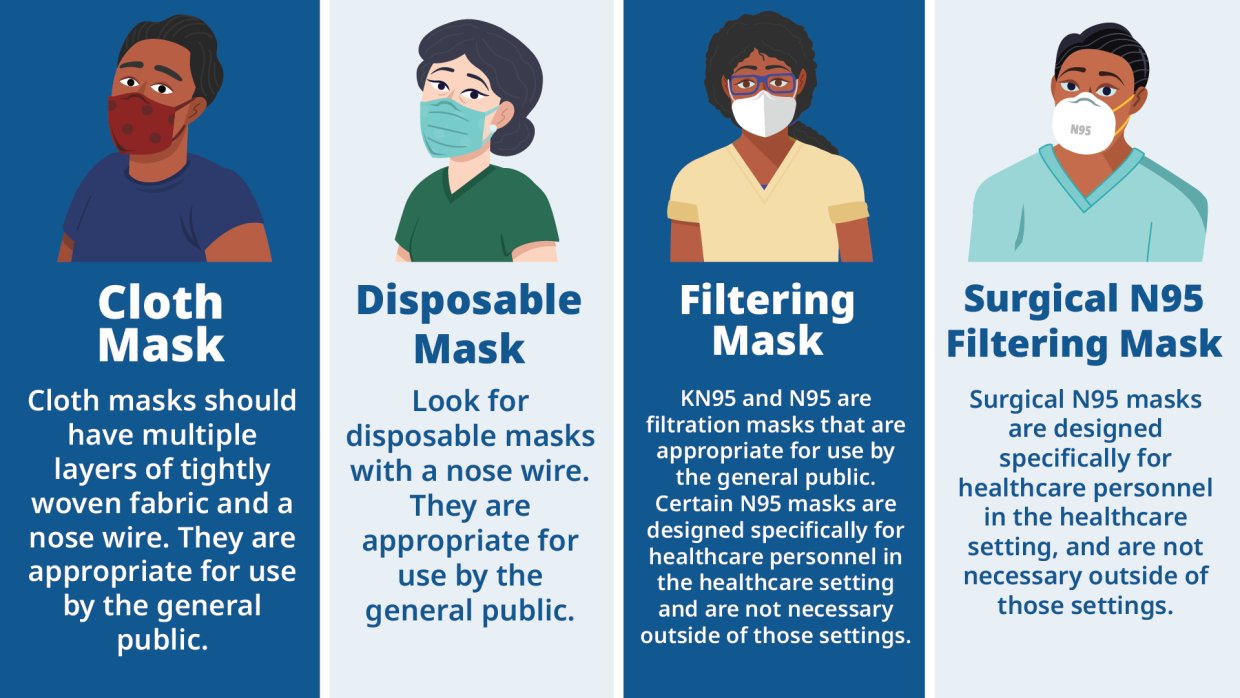
Have you ever wondered how long the coronavirus can stay alive on your clothes? Knowing this can help you protect yourself and your loved ones better.
The truth about how the virus behaves on cloth might surprise you—and it’s more important than you think. You’ll discover simple facts that can make a big difference in your daily safety. Keep reading to find out exactly how long the virus can survive on fabric and what you can do to stay safe.
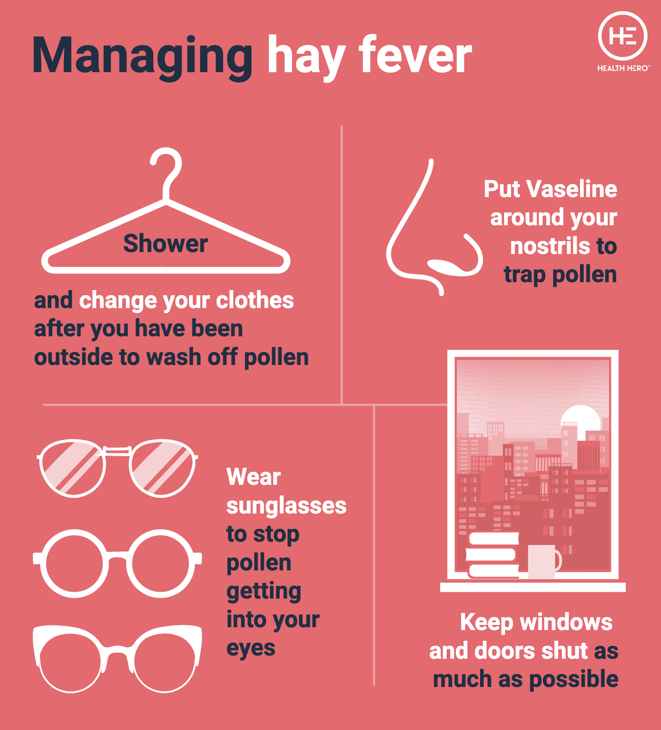
Credit: www.healthhero.com
Virus Survival On Fabrics
The survival of the coronavirus on fabric surfaces is a concern for many, especially when handling clothes or soft furnishings. Understanding how long the virus can remain active on different types of cloth can help you make safer choices in your daily routine. Let’s look closely at what influences the virus’s lifespan on fabrics and how different materials behave.
Factors Affecting Longevity
Several factors determine how long the coronavirus can survive on cloth. Temperature plays a big role—warmer conditions tend to reduce the virus’s life span. Humidity also affects survival; viruses generally last longer in lower humidity.
The type of virus load, or how much virus is present on the fabric, influences survival time. More virus means it can survive longer. Additionally, how often the fabric is touched or moved can reduce the virus’s chance to stay active.
Think about your own experience with outdoor jackets or reusable masks. Have you noticed how quickly some fabrics dry after washing? That drying process also helps kill the virus faster.
Types Of Cloth Materials
Not all fabrics are equal when it comes to virus survival. Smooth, non-porous fabrics like polyester can allow the virus to live longer compared to porous materials like cotton. This happens because porous fabrics absorb moisture, which can trap and deactivate the virus more quickly.
- Cotton:Absorbs moisture well and tends to reduce virus survival, usually lasting a few hours.
- Polyester and synthetic blends:Virus may survive up to 2 days due to less absorption.
- Silk and other fine fabrics:Often dry quickly, which can shorten virus viability.
Knowing this, you might ask yourself: which fabrics do I use most often, and how should I care for them to keep my family safe? Washing clothes regularly with soap and drying them thoroughly is one of the best practical steps you can take.
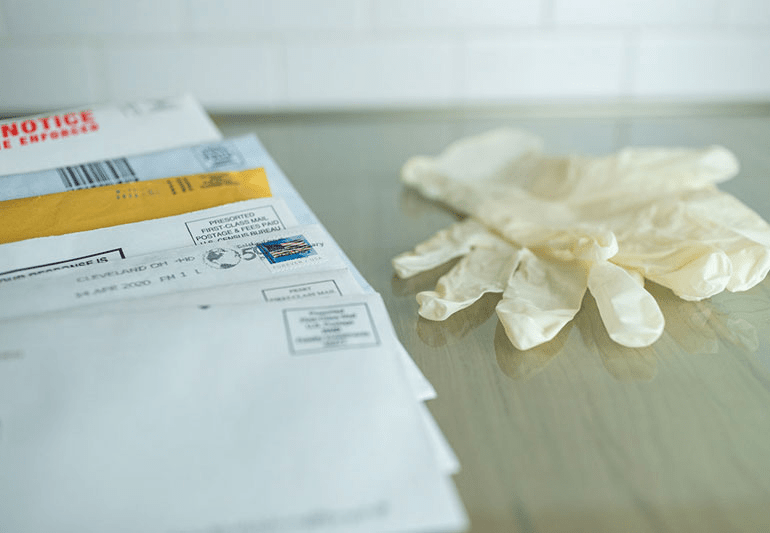
Credit: health.clevelandclinic.org
Impact Of Temperature And Humidity
Temperature and humidity greatly affect how long coronavirus survives on cloth. These factors change the virus’s ability to stay active and infectious. Understanding their impact helps reduce risks in daily life.
Warm Vs Cold Conditions
Coronavirus survives longer in cold conditions. Low temperatures slow down the virus’s decay. On cloth, the virus can remain active for days in cold environments.
Warm temperatures speed up virus breakdown. Heat damages the virus’s structure. In warm weather, the virus may last only a few hours on fabric.
Role Of Moisture Levels
Humidity affects virus survival on cloth. High moisture can help the virus stay alive longer. Damp fabric keeps the virus stable and infectious.
Dry conditions reduce virus survival time. Low humidity causes the virus to dry out and lose strength. On dry cloth, the virus becomes inactive faster.
Studies On Virus Lifespan On Cloth
Understanding how long coronavirus can survive on cloth is essential for managing your daily interactions with fabric items like masks, clothing, and upholstery. Researchers have conducted various studies to determine the virus’s lifespan on different types of cloth materials. These studies help you make informed decisions about cleaning and handling textiles safely.
Laboratory Findings
In controlled lab environments, scientists test how long the virus remains active on fabric samples. Results show that the virus can survive anywhere from a few hours to several days, depending on factors like fabric type and humidity. For example, synthetic fibers tend to hold the virus longer than natural fibers such as cotton.
One study found that coronavirus particles remained detectable on cotton for up to 24 hours, while on polyester, they lasted closer to 48 hours. However, the amount of active virus decreases rapidly over time, reducing the risk of transmission. This means your clothes might carry the virus shortly after exposure but become safer after a day or two.
Real-world Observations
Outside the lab, many variables affect virus survival on cloth, including temperature, sunlight, and regular movement. In everyday settings, the virus tends to die off faster than in sterile lab conditions. For instance, sunlight and air circulation can significantly reduce virus lifespan on your clothes.
Have you noticed how your clothes feel fresher after a day out in the sun? That natural exposure helps break down virus particles. This insight suggests that leaving clothes exposed to fresh air before washing could be a simple step to enhance safety.
- Keep in mind that the virus is less likely to spread through fabric than through direct contact with droplets.
- Washing clothes in warm water with detergent is highly effective in removing the virus.
- Regularly disinfecting reusable masks and frequently used fabric items adds an extra layer of protection.
Would you change how you handle your laundry if you knew the virus’s survival time on cloth was limited and affected by simple actions? These findings highlight practical steps you can take to minimize any risk while going about your daily life.
Risks Of Transmission Through Clothing
Cloth can carry the coronavirus for hours or even days. This creates a risk of spreading the virus through clothing. Touching contaminated fabric may transfer the virus to your hands or face. Understanding these risks helps reduce infection chances.
Contact And Contamination
Coronavirus spreads mainly through droplets and direct contact. Clothing can catch these droplets from coughs, sneezes, or touching surfaces. The virus survives longer on some fabrics than others. Smooth, non-porous materials hold the virus less time than porous ones like cloth.
Contaminated clothes can infect people who touch them. Hands can pick up the virus and then touch eyes, nose, or mouth. This leads to infection. The risk is higher in crowded places or hospitals. Clothes worn near infected people are more likely to carry the virus.
Safe Handling Practices
Wash hands after touching clothes worn outside. Avoid touching your face until hands are clean. Use gloves or a cloth to handle used clothes if possible. Wash clothes in hot water and detergent to kill the virus.
- Do not shake clothes to avoid spreading the virus in the air.
- Dry clothes completely as heat helps kill the virus.
- Use a separate laundry basket for used clothes.
- Disinfect laundry baskets regularly.
These simple steps reduce the chance of virus transmission through clothing. Safe handling protects you and others around you.
Effective Cleaning Methods
Keeping your cloth items free from the coronavirus requires more than just tossing them in the laundry. Understanding how to properly clean and disinfect fabrics can make a big difference in reducing the virus’s survival time on your clothes. Let’s break down some practical ways you can effectively clean cloth to protect yourself and your loved ones.
Washing Techniques
Use the warmest water safe for the fabric to wash your clothes. Heat helps kill viruses, so check the care label and select the highest temperature that won’t damage your item.
Adding a good quality detergent is essential. Detergents break down the virus’s outer layer, making it easier to wash away.
- Separate heavily soiled clothes from lightly worn items to avoid cross-contamination.
- Don’t overload the washing machine; clothes need space to move for effective cleaning.
- Consider running an extra rinse cycle to ensure all detergent and virus particles are removed.
Have you ever noticed how some fabrics come out cleaner and fresher than others? That’s often due to the washing process, not just the detergent itself. Experiment with your machine settings to find what works best for your fabrics.
Disinfection Options
Sometimes washing alone isn’t enough, especially if you suspect exposure to the virus. Adding a disinfectant can boost your cleaning power.
Look for disinfectants that are safe for fabrics. Products containing bleach or alcohol can be effective, but always test a small area first to avoid damage.
| Disinfectant | Use Instructions | Precautions |
|---|---|---|
| Chlorine Bleach | Add 1/4 cup to washing machine during wash cycle | Use only on white or colorfast fabrics; avoid overuse |
| Isopropyl Alcohol (70%) | Spray lightly and air dry | Flammable; keep away from heat and flames |
| Hydrogen Peroxide (3%) | Apply directly or add to wash cycle | May cause discoloration on some fabrics |
Have you ever tried letting your clothes dry in direct sunlight? UV rays naturally disinfect fabric and can help reduce viral particles further. Consider this simple step especially on bright, sunny days.
Preventive Measures For Fabric Use
Fabrics can hold coronavirus for varying times, depending on material and conditions. Taking care with fabric use lowers infection risk. Simple steps help keep fabrics safe and clean. These measures protect you and others around you.
Protective Clothing Tips
- Wear masks made of tightly woven cloth. They block droplets well.
- Choose washable fabrics for reusable protective gear.
- Avoid touching your face when wearing fabric masks.
- Change cloth masks after several hours or if damp.
- Use gloves only once, then discard or wash thoroughly.
Storage And Care
- Store clean fabrics in dry, well-ventilated places.
- Wash clothes with hot water and detergent after use.
- Dry fabrics completely under sunlight or in a dryer.
- Separate contaminated fabrics from clean ones during storage.
- Disinfect storage containers regularly to avoid virus build-up.

Credit: www.theguardian.com
Frequently Asked Questions
How Long Does Coronavirus Survive On Cloth Surfaces?
Coronavirus can survive on cloth for up to 1-2 days. Factors like humidity and temperature affect its lifespan. Regular washing reduces the virus effectively.
Can Washing Clothes Kill Coronavirus Completely?
Yes, washing clothes with detergent and hot water kills coronavirus. Use temperatures above 60°C (140°F) for best results. Drying clothes in sunlight also helps eliminate the virus.
Does Fabric Type Affect Coronavirus Survival Time?
Yes, virus survival varies by fabric type. Porous fabrics like cotton reduce virus lifespan compared to synthetic materials. Breathable fabrics tend to inactivate the virus faster.
Is It Safe To Reuse Cloth Masks After Washing?
Yes, properly washed cloth masks are safe to reuse. Wash with soap and hot water after each use. Ensure masks are completely dry before wearing again.
Conclusion
Coronavirus can survive on cloth for a few hours to days. Temperature and humidity change how long it lasts. Washing clothes with soap helps remove the virus effectively. Avoid touching your face after handling unwashed fabrics. Keep your clothes clean and dry to stay safe.
Remember, simple steps lower the risk of infection. Stay aware and practice good hygiene every day. Small actions make a big difference in protecting yourself and others.

