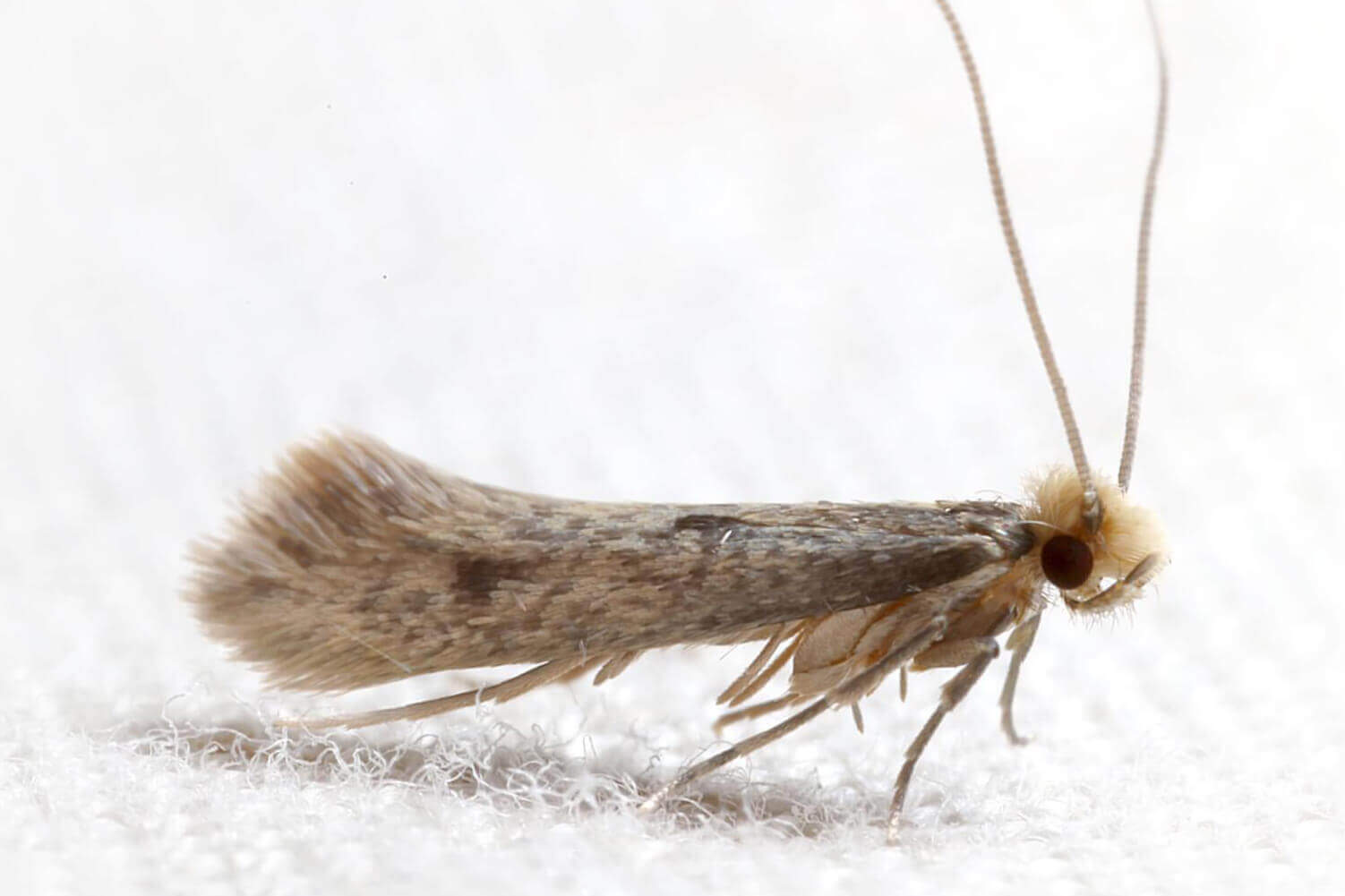
Are you worried that tiny clothes moths might still be lurking in your favorite sweater after a wash? You’re not alone.
Many people wonder if a regular washing machine cycle is enough to kill these pesky insects and protect their wardrobe. The truth might surprise you. Keep reading to find out whether your washing machine can really save your clothes from moth damage—and what simple steps you can take to keep your garments safe and moth-free.
Credit: www.opcpest.com
Clothes Moth Basics
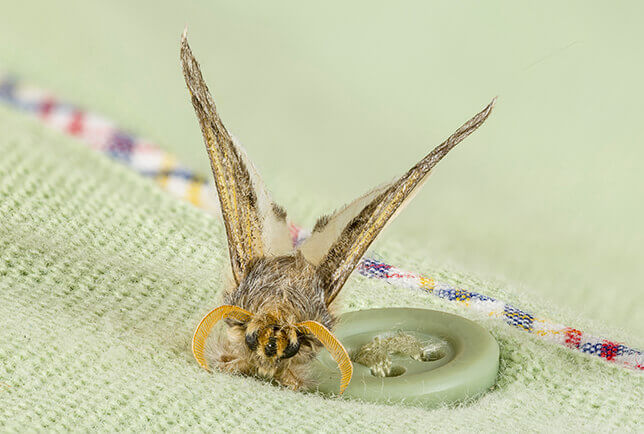
Clothes moths are small insects that cause big problems for your fabrics. They often go unnoticed until they have damaged your clothes. Understanding their basics helps protect your wardrobe better. This section covers the main types, their life stages, and reasons they attack fabrics.
Types Of Clothes Moths
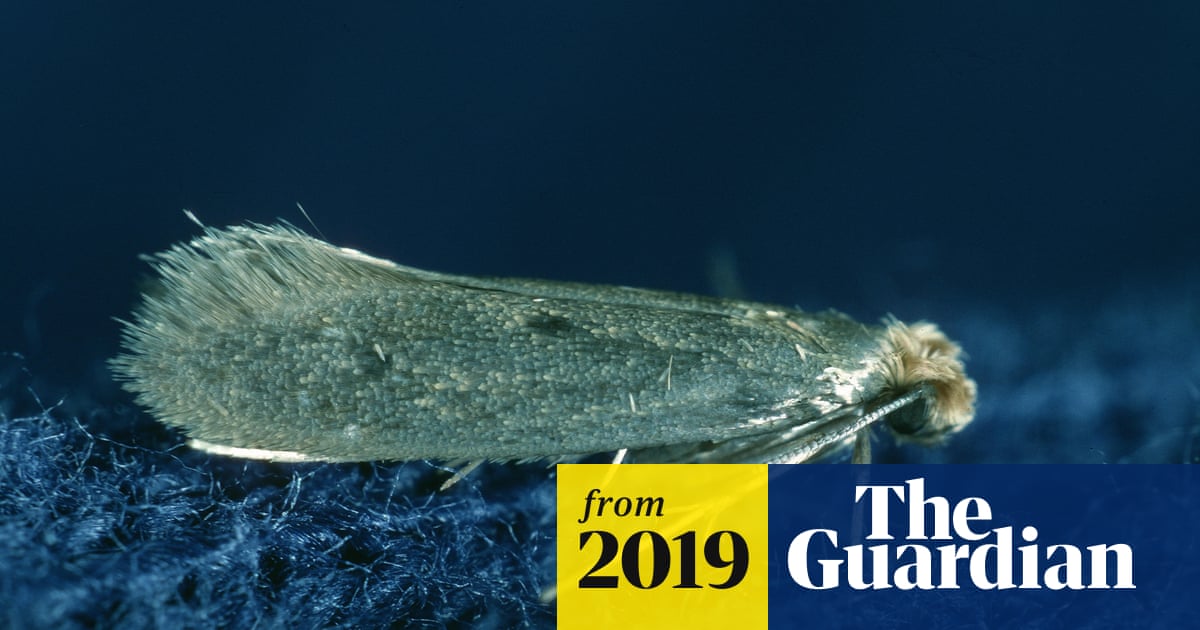
- The webbing clothes moth is the most common type.
- The casemaking clothes moth creates small cases from fabric fibers.
- Both types are small, about half an inch long.
- They prefer dark, undisturbed places like closets and drawers.
Lifecycle Stages
- Eggs are laid on natural fabrics like wool and silk.
- Larvae hatch and feed on fabric fibers for weeks.
- Pupae develop inside cocoons before becoming adult moths.
- Adults live only a few weeks, focusing on reproduction.
Why They Target Fabrics
- Larvae need keratin found in natural fibers for food.
- Wool, fur, and feathers provide essential nutrients.
- They avoid synthetic materials like polyester or nylon.
- Dirty or sweaty clothes attract moths more than clean ones.
Credit: www.theguardian.com
Washing Machine Effects
Washing machines can be effective in removing clothes moths and their larvae. The combination of water, temperature, detergent, and movement works together to disrupt their life cycle. Understanding how each factor affects moth survival helps to prevent infestations and protect clothes.
Temperature Impact
High temperatures in the washing machine kill moth eggs and larvae. Water above 50°C (122°F) is usually enough to destroy them. Cold or lukewarm water might not be effective. Using hot water cycles increases the chance of eliminating moths completely.
Detergent Role
Detergents help remove moths by breaking down oils and dirt on fabrics. They also reduce the stickiness of moth eggs. Some detergents have ingredients that can kill insects. Choosing a good detergent improves the overall cleaning power against moths.
Mechanical Action
The washing machine’s spinning and agitation physically remove moths and larvae. This movement dislodges eggs stuck in fabric fibers. It also prevents larvae from attaching to clothes. Mechanical action works best combined with heat and detergent for full moth removal.
Survival Chances In Wash
Wondering if a simple wash cycle can stop clothes moths from ruining your favorite garments? The truth is, the survival chances of these pests during a wash depend heavily on their life stage. Understanding how eggs, larvae, and adult moths respond to water and detergent can help you choose the best washing strategy to protect your clothes.
Eggs Resistance
Clothes moth eggs are surprisingly tough. They have a protective coating that can shield them from mild washing conditions. A quick wash with cold water might not be enough to kill them.
However, hot water above 50°C (122°F) combined with a good detergent often breaks through this defense. If you suspect an infestation, opting for a high-temperature wash is a safer bet. Do you check your washer’s temperature settings before starting a cycle?
Larvae Toughness
Larvae are the real culprits behind fabric damage. They feed on natural fibers and can cling tightly to clothes. Their bodies are more vulnerable to water and detergent than eggs but they can still survive gentle washes.
Using a longer wash cycle with strong detergent improves the chances of killing larvae. Adding a pre-wash soak can also help weaken their grip. Have you tried soaking infested clothes in detergent solution before washing?
Adult Moth Vulnerability
Adult moths are the easiest to eliminate in the wash. They do not feed on fabric and are quite fragile. A standard washing machine cycle with detergent usually wipes them out completely.
Keep in mind, though, adults rarely stay on clothes for long, so washing alone might not stop the infestation. Combining washing with other control methods will give you better results. How often do you inspect your clothes for signs of moth activity before washing?
Best Practices To Kill Moths
Dealing with clothes moths can be frustrating, especially when you wonder if your washing machine can handle these persistent pests. Knowing the best practices to kill moths during laundry helps protect your fabrics and keeps your wardrobe safe. Here’s how you can maximize your washing routine to effectively eliminate moths and their larvae.
Optimal Wash Settings
Setting the right temperature is key. Clothes moths and their larvae usually can’t survive a wash cycle above 120°F (49°C). Use the hottest water setting safe for your fabric to kill any moths hiding in your clothes.
Choose a long wash cycle to ensure thorough soaking and agitation. This helps dislodge eggs and larvae that may cling tightly to fibers.
Don’t forget to use a good detergent. A strong, quality detergent breaks down oils and dirt where moths might thrive.
Pre-treatment Options
If you spot moth damage or suspect an infestation, pre-treat your clothes before washing. Spraying garments with a moth-killing spray or applying a vinegar soak can help kill larvae and eggs.
Freezing is another effective pre-treatment. Putting delicate items in a sealed plastic bag and freezing them for 48 hours can kill moths without risking fabric damage.
Brushing your clothes outside before washing also removes dust and eggs. It’s a simple step that many overlook but can make a big difference.
Post-wash Measures
After washing, dry clothes on high heat if the fabric allows it. Heat from dryers kills any moths that might survive the wash cycle.
Store cleaned clothes in airtight containers or garment bags. Prevent moths from returning by sealing off their access to your fabrics.
Regularly inspect and clean your wardrobe. This helps catch any new moth activity early before they cause serious damage.
Alternative Moth Control Methods
Finding effective ways to control clothes moths without relying solely on washing machines is essential. These pests are surprisingly resilient, and some may survive a regular wash cycle. Luckily, there are alternative methods you can try to protect your garments and keep moths at bay.
Freezing Clothes
Freezing is a simple yet powerful way to kill moth larvae and eggs hidden in your clothes. Place the affected items in a sealed plastic bag and put them in the freezer for at least 72 hours.
This method works well for delicate fabrics that might be damaged by heat. Have you ever thought about how cold temperatures disrupt the moth lifecycle? It’s a natural, chemical-free option you can easily try at home.
Heat Treatment
Heat is another effective tool against clothes moths. Exposing infested clothes to temperatures above 120°F (49°C) for 30 minutes or more can eliminate larvae and eggs.
You can use a hot dryer cycle or even a steam iron to treat smaller items. However, always check fabric care labels first to avoid damage. Could a quick heat treatment fit into your laundry routine?
Natural Repellents
Natural repellents offer a gentle way to keep moths away from your wardrobe. Cedarwood, lavender, and cloves are popular choices that moths dislike.
You can place sachets of these herbs in closets or drawers to create a moth-unfriendly environment. Have you noticed how some scents can deter pests without harsh chemicals? It’s worth experimenting with what works best for your home.
Credit: www.westernfumigation.com
Frequently Asked Questions
Can Clothes Moths Survive A Washing Machine Cycle?
Most clothes moths cannot survive a standard washing machine cycle. High temperatures and detergent effectively kill moths and larvae. However, cold or quick washes might not be enough to eliminate them completely.
Does Washing Kill Moth Larvae And Eggs?
Washing with hot water and strong detergent kills moth larvae and eggs. Cold water or gentle cycles may allow some eggs to survive. Proper drying after washing also helps ensure complete removal.
What Washing Temperature Kills Clothes Moths?
Washing clothes at temperatures above 120°F (49°C) effectively kills clothes moths. Hot water combined with detergent disrupts their lifecycle. Lower temperatures may not be sufficient to eliminate all pests.
Can Moths Survive In Dry Cleaning?
Dry cleaning usually kills moths, larvae, and eggs due to chemicals used. It’s a reliable method for delicate fabrics that can’t handle hot water. However, it’s best combined with other preventive measures.
Conclusion
Clothes moths rarely survive a full washing cycle with hot water. Cold water or quick washes might not kill all eggs or larvae. Drying clothes on high heat can help remove any leftovers. Regular cleaning and storage keep moths away from fabrics.
Check clothes often to catch any early signs. Washing alone may not solve the moth problem entirely. Use a mix of washing, drying, and cleaning for best results. Stay careful to protect your clothes from these pests.

