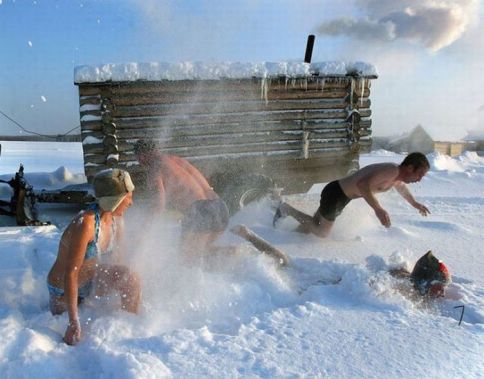
Imagine finding yourself alone in the snow with no clothes to keep you warm. It sounds terrifying, right?
But knowing how to survive in snow without clothes could save your life. You might think it’s impossible, but with the right techniques, you can protect your body and stay alive longer than you expect. This guide will teach you simple, life-saving steps you can use right now.
Keep reading—your survival depends on what you do next.

Credit: medium.com
Stay Dry
Staying dry in freezing conditions without clothes is crucial for survival. Wet skin loses heat rapidly, increasing the risk of hypothermia. Protecting yourself from moisture, whether from snow or body sweat, becomes your first priority.
Avoid Snow Contact
Direct contact with snow cools your body fast. Try to keep your body off the ground and away from snow piles. Look for rocks, logs, or branches to sit or lean on.
If you must lie down, place insulating materials like dry leaves or pine needles between you and the snow. These natural insulators create a barrier and reduce heat loss.
Have you ever noticed how wet clothes feel colder than dry ones? Your skin reacts the same way. Staying dry means staying warmer, even without any clothing.
Use Natural Shelter
Natural shelters block wind and keep snow off your body. Trees with dense branches can shield you from falling snow and wind chill.
Caves, rock overhangs, or dense bushes offer protection too. They reduce exposure and help keep your body temperature stable.
Look around for spots that block the wind but still allow some sunlight. Sunlight can warm your skin and reduce moisture buildup.
Credit: www.outdoorlife.com
Find Shelter
Finding shelter is your top priority when surviving in snow without clothes. Exposure to cold air and wind can quickly drain your body heat, making it crucial to create a barrier against the elements. You need a place that blocks the wind, retains warmth, and protects you from snow and moisture.
Use Trees And Rocks
Look for natural formations like dense trees or large rocks that can act as windbreaks. Position yourself on the leeward side, where the wind is blocked, to reduce heat loss.
Dense evergreens are especially valuable because their needles provide extra cover from snow and wind. If you find a fallen tree, use it as a shield behind you or as a base to build a shelter.
Stacking smaller branches or leaves around these natural barriers adds insulation. You might be surprised how much warmth just a few layers can retain, even without clothes.
Build A Snow Cave
If you can’t find natural shelter, digging a snow cave is a smart move. Snow is an excellent insulator and can keep you much warmer inside than outside air temperature suggests.
Find a deep snowbank and start by digging a small entrance that slopes upward to a larger chamber inside. This shape traps warm air inside and prevents cold drafts.
Make the ceiling dome-shaped to avoid collapse and to encourage warm air to circulate evenly. Before you enter, clear any loose snow that could fall on you.
Have you ever noticed how much warmer it feels inside a snow cave compared to standing outside? This simple shelter could be your lifesaver when you have no clothing to protect you.
Generate Heat
Generating heat is your top priority when you’re exposed to cold without any clothes. Your survival depends on maintaining your core temperature, so you must find effective ways to keep warm. Let’s focus on practical ways to create and hold onto heat with what you have.
Use Body Heat
Your body is a natural heater, but it loses heat quickly without protection. Curl up into a tight ball to reduce the surface area exposed to the cold air. Cover your face with your hands or arms to protect your nose and mouth from freezing air.
If you’re not alone, huddle close with others to share body warmth. Even if you’re alone, pressing your hands and feet against your torso helps transfer heat where it’s needed most.
Movement generates heat, but don’t overdo it. Shivering is your body’s way of producing heat, so don’t suppress it. However, avoid sweating because wet skin cools you faster.
Create A Fire
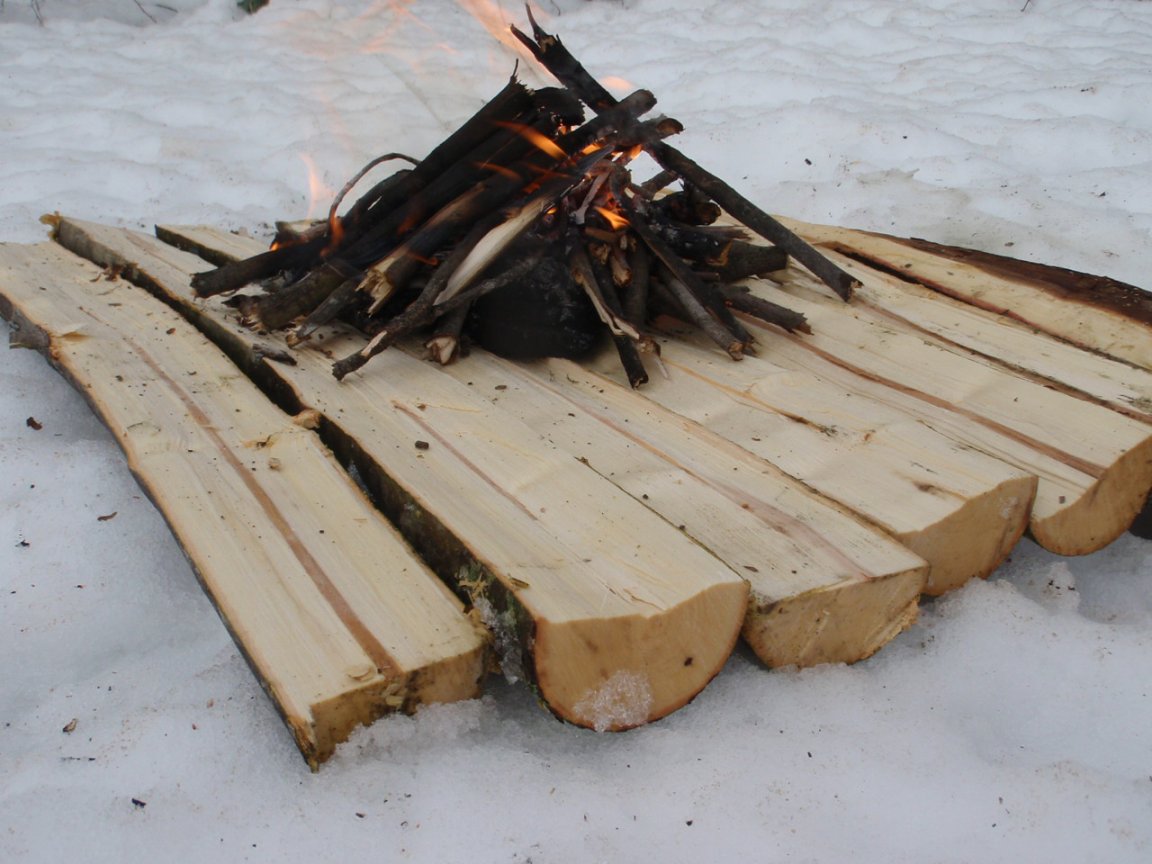
Fire is the most reliable way to generate heat and save your life in freezing conditions. Look for dry tinder like small twigs, dry leaves, or bark. If everything is damp, try scraping off the wet outer layer of wood to reach dry material underneath.
Use friction methods like rubbing sticks together or striking stones if you don’t have matches or a lighter. It’s hard work, but it can be done with patience.
Once lit, build your fire close enough to benefit from the heat but far enough to avoid burns. Keep adding small sticks to maintain a steady flame. Fire not only warms you but can also dry your skin and signal for help.

Credit: medium.com
Insulate Yourself
Surviving in snow without clothes means you must focus on insulation. Your body needs to keep its heat to avoid hypothermia. Using the environment around you can help trap warmth. Creating barriers against cold wind also protects your body heat.
Use Natural Materials
Gather leaves, grass, or pine needles to cover your skin. These materials trap air, which keeps warmth close to your body. Layer them thickly around your arms, legs, and torso. Wet materials lose their insulating power, so find dry ones. Avoid touching snow directly by placing these natural layers between you and the ground.
Create Wind Barriers
Wind removes heat fast from your body. Build a shelter using branches, snow, or rocks to block the wind. Arrange materials so they stop wind from hitting your body directly. Even a small barrier helps reduce heat loss. Position yourself behind the barrier to stay warmer. Use natural shapes like hills or trees as extra protection.
Stay Active
Staying active is crucial when you find yourself in freezing conditions without clothes. Movement helps your body generate heat, keeping your core temperature from dropping dangerously low. But it’s not just about moving—it’s about moving smartly to conserve energy and avoid making your situation worse.
Move To Maintain Warmth
Light, continuous movement boosts blood flow and warms your muscles. Simple actions like walking in place, gentle jogging, or swinging your arms can make a big difference.
However, avoid intense exercise that tires you out quickly. Your goal is to keep warm, not to exhaust yourself.
Think about how your body responds when you start feeling cold—your muscles stiffen and your skin tightens. Moving helps counteract this by keeping your joints flexible and circulation steady.
Avoid Sweating
Sweating can be your enemy in freezing weather. When sweat cools down on your skin, it chills you faster and drains your body heat.
Find a balance between staying active and not overheating. If you feel yourself sweating, slow down or switch to less intense movements.
Have you ever noticed how wet clothes make you colder? Without clothes, sweat on your skin acts the same way. Staying dry is key to survival.
Signal For Help
Signaling for help is vital when stranded in snow without clothes. It increases the chance of rescue quickly. Clear signals catch attention from far away. Use both visual and sound signals to alert rescuers. Bright, large, or loud signals stand out in the snowy environment. Stay calm and focus on making signals easy to find.
Create Visible Signs
Use natural materials like branches, rocks, or snow to form large shapes. Letters such as SOS or HELP are common and easily recognized. Make signs big and clear against the white snow. Choose an open area where signs are visible from the sky or distant land. Use bright objects like colorful clothing or gear if available. Shine sunlight on reflective surfaces to attract attention.
Use Sound
Make loud noises to draw attention from nearby people or rescuers. Shout clearly and repeatedly at regular intervals. Use a whistle if you have one; it carries farther than shouting. Bang rocks or other hard objects together to create rhythmic sounds. Pause briefly between noises to listen for responses. Avoid shouting continuously to save energy and protect your voice.
Frequently Asked Questions
How Can You Stay Warm Without Clothes In Snow?
Use natural insulation like dry leaves or pine needles. Curl into a ball to reduce heat loss. Find shelter from wind and snow to maintain body warmth.
What Natural Materials Help In Snow Survival?
Dry leaves, pine needles, and moss provide insulation. Use them to create a makeshift bedding or cover your body. These materials trap heat and keep cold away.
How To Avoid Hypothermia Without Clothing?
Stay dry and avoid sweating by moving moderately. Seek wind protection and build a shelter. Keep your core temperature up by using natural insulation.
Can Body Heat Alone Keep You Alive In Snow?
Body heat helps but isn’t enough without insulation. Minimize exposed skin and limit movement to conserve warmth. Use natural materials to retain heat and avoid direct contact with snow.
Conclusion
Surviving in snow without clothes is tough but possible. Stay calm and focus on keeping your body warm. Use natural materials like leaves or grass for insulation. Find shelter quickly to block wind and cold. Keep moving to maintain body heat but avoid sweating.
Drink water to stay hydrated. Remember, your safety depends on smart choices and quick actions. Stay alert and trust your instincts in harsh conditions. Survival is about adapting and using what nature offers. Every small step helps you stay alive.

