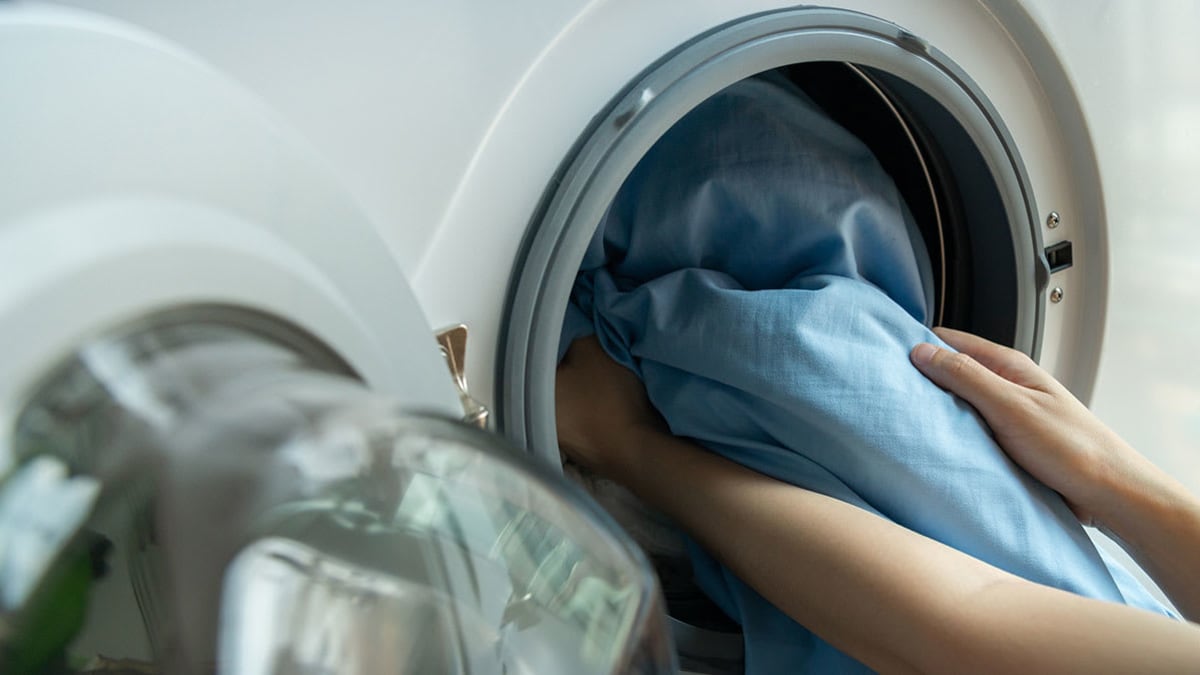
Have you ever wondered if the coronavirus can live on your clothes? You touch your shirt, your jacket, or your favorite scarf every day.
But could these fabrics be hiding something harmful? Knowing how long Covid can survive on cloth helps you protect yourself and your loved ones better. Keep reading to find out the surprising facts that could change how you handle your clothes during these times.
Your safety might depend on what you learn next.
Virus Survival On Fabrics
Understanding how long Covid can survive on fabrics is crucial for managing everyday risks. Fabrics are everywhere—clothes, upholstery, masks—and knowing the virus’s behavior on these materials helps you make smarter hygiene choices. Let’s break down what you need to know about the virus’s survival on cloth and similar surfaces.
How Long Covid Lives On Cloth
Research shows that Covid-19 can survive on cloth surfaces anywhere from a few hours up to two days. The exact time depends on the type of fabric—cotton, polyester, or blends—as well as conditions like humidity and temperature.
You might wonder if your favorite hoodie or reusable mask could harbor the virus. While the risk isn’t zero, the virus tends to lose its strength quickly on porous surfaces like cloth compared to hard surfaces.
Factors Affecting Virus Longevity
- Fabric Type:Natural fibers like cotton tend to dry out droplets faster, reducing virus survival time.
- Humidity:Higher humidity can extend the virus’s life on cloth, while dry air helps it fade faster.
- Temperature:Warmer temperatures typically shorten how long the virus remains viable.
- Exposure to Sunlight:UV rays can deactivate the virus quickly on fabric surfaces.
Have you noticed your clothes drying faster on a sunny day? That simple act may be helping reduce virus survival on your fabrics.
Comparison With Other Surfaces
| Surface | Typical Virus Survival Time |
|---|---|
| Cloth (cotton, polyester) | Few hours to 2 days |
| Plastic and stainless steel | Up to 3 days |
| Cardboard | Up to 24 hours |
| Glass | Up to 5 days |
The virus survives longest on smooth, hard surfaces. This means that while you should still wash your clothes regularly, surfaces like door handles and phones might need more frequent disinfection.

Credit: www.goodrx.com
Types Of Fabrics And Risk Levels
Understanding how Covid survives on different cloth types helps manage risks better. Some fabrics hold the virus longer than others. Factors like material type and fabric structure affect virus survival. Knowing these differences guides safe handling and cleaning of clothes.
Natural Vs Synthetic Materials
Natural fabrics come from plants or animals, such as cotton and wool. Synthetic fabrics are man-made, like polyester and nylon. Covid tends to survive longer on synthetic materials. Natural fibers absorb moisture quickly, which may reduce virus lifespan. Synthetics repel water, allowing the virus to stay active longer.
Porosity And Absorption Impact
Porosity means how many tiny holes a fabric has. High porosity fabrics absorb droplets fast. This can trap the virus inside the fibers. Low porosity fabrics let droplets sit on the surface. The virus may stay active longer on less absorbent materials. Absorption helps dry out the virus, lowering risk.
Common Household Fabrics
- Cotton:Highly porous and absorbs moisture well. Virus survival is usually short.
- Polyester:Low porosity, repels water. Virus can survive longer here.
- Wool:Natural and porous, absorbs moisture. Virus lifespan is shorter.
- Nylon:Synthetic with low absorption. Virus may stay active longer.
- Blends:Mixed fibers vary. Risk depends on dominant material.
Transmission Through Clothing
Clothing plays a role in virus transmission but often gets misunderstood. Viruses need a surface to survive outside the body. Cloth is a common material people touch and wear daily. Understanding how Covid spreads through fabric helps reduce infection risks.
Likelihood Of Infection From Cloth
Covid virus can survive on cloth but for a short time. The virus dies faster on porous materials like fabric. Touching contaminated clothing poses a low risk for infection. The main risk occurs if you touch your face after contact. Washing clothes regularly removes most of the virus particles.
Cases And Studies On Cloth Transmission
Research shows few confirmed Covid cases from clothing. Most transmission happens through close contact and droplets. A study found the virus lasts up to 2 days on cotton. Another study reported quick virus decay on fabric surfaces. Contamination on clothes often comes from coughing or sneezing.
Role Of Fabric In Virus Spread
Fabric type affects how long the virus survives. Natural fibers like cotton dry quickly and trap viruses. Synthetic fabrics may hold moisture longer, allowing virus survival. Rough textures reduce virus lifespan compared to smooth ones. Proper cleaning and drying of clothes greatly lower transmission chances.
Effective Cleaning Methods
Effective cleaning methods are essential to reduce the risk of Covid surviving on cloth. Proper cleaning removes viruses trapped in fabric fibers. It also prevents the spread of infection through contact.
Using the right techniques and products helps keep cloth items safe. Simple steps can make a big difference in removing harmful germs.
Washing Techniques To Remove Virus
Wash cloth items in warm or hot water. The heat helps kill viruses and bacteria. Use a full wash cycle to ensure thorough cleaning. Avoid overloading the washing machine. This allows water and detergent to reach all surfaces of the fabric. Rinse well to remove any leftover dirt or germs.
Use Of Detergents And Disinfectants
Choose detergents that are effective against viruses. Many regular laundry detergents can break down the virus’s outer layer. Adding disinfectants approved for fabrics can increase protection. Always follow product instructions for safe use. Avoid mixing chemicals, as this can be harmful.
Drying And Ironing Benefits
Dry cloth items completely. Sunlight and heat reduce the virus’s survival chances. Use a dryer on high heat for extra safety. Ironing can also kill germs by applying heat directly. Focus on seams and folds where viruses may hide. These steps add an extra layer of protection.
Preventive Measures For Clothing
Clothing can carry the Covid virus for a short time, so taking preventive measures is key to reducing any risk. Knowing how to handle, store, and protect yourself with the right gear makes a difference in keeping your clothes safe and your environment cleaner.
Handling Clothes Safely
Always wash your hands before and after touching clothes that may have been exposed to public places or infected individuals.
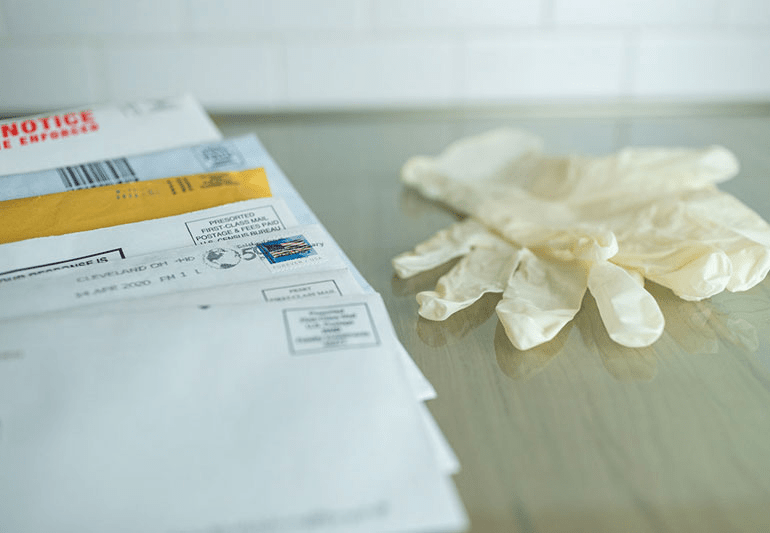
Use gloves if you suspect the fabric might be contaminated. Avoid shaking clothes to prevent spreading virus particles into the air.
Wash clothes in the warmest water safe for the fabric. Adding regular detergent and drying them completely kills most viruses.
Storage Tips To Minimize Risk
Keep worn clothes separate from clean ones in a designated laundry basket or bag.
Store clothes in a well-ventilated area rather than cramped spaces. This reduces moisture build-up, which can prolong virus survival.
Consider using sealed bags for clothes that won’t be washed immediately. Have you thought about how often you actually clean your storage spaces?
Protective Gear And Masks
Wearing masks made of tightly woven fabric helps protect both your clothes and yourself. Masks reduce droplets landing on your clothing.
Protective gowns or aprons can shield your outerwear if you are in high-risk environments. These items should be washed or discarded properly after use.
Don’t forget to clean reusable masks frequently—this keeps your protective gear effective and your clothes safer too.
Credit: health.clevelandclinic.org

Credit: www.universityhealth.com
Frequently Asked Questions
Can Covid Survive On Cloth Surfaces?
Yes, Covid can survive on cloth for a few hours to days. Survival depends on fabric type, moisture, and temperature. Porous materials like cloth tend to retain the virus for a shorter time than hard surfaces.
How Long Does Covid Last On Fabric?
Covid may last from a few hours up to 2 days on fabric. Factors like humidity, temperature, and fabric thickness affect its survival duration. Proper washing can effectively remove or kill the virus on cloth.
Does Washing Clothes Remove Covid Virus?
Yes, washing clothes with detergent and warm water effectively removes Covid virus. Proper drying further reduces the risk. Regular laundering is recommended after potential exposure to ensure safety.
Is Covid Transmission Via Cloth Common?
Transmission through cloth is less common than respiratory droplets. The virus survives for a limited time on fabric. However, touching contaminated cloth and then face can pose some risk.
Conclusion
Covid can live on cloth, but not for long. Washing clothes often helps remove the virus. Drying fabric in sunlight also reduces risk. Touching clean cloth is usually safe. Always wash hands after handling used clothes. Staying careful with fabric helps keep you healthy.
Small actions protect you and others. Simple habits make a big difference in stopping spread. Keep your clothes clean and stay safe every day.

