Have you ever wondered what makes Last Shelter Survival so addictive and unique? If you’re curious about what this popular game is made up of, you’re in the right place.
Understanding its core elements will not only boost your gameplay but also help you enjoy every moment in the game. Keep reading to uncover the secrets behind Last Shelter Survival and discover what keeps millions coming back for more. Your next winning strategy starts here!
Game Setting
The game setting of Last Shelter Survival plays a crucial role in shaping the entire experience. It creates a vivid backdrop where players face constant challenges. The setting combines danger and strategy, making every moment intense. Players must adapt to survive and protect their base.
Post-apocalyptic World
The game unfolds in a world destroyed by a massive disaster. Cities lie in ruins, and nature slowly reclaims the land. Society has collapsed, leaving few survivors to rebuild. This bleak world sets the tone for constant struggle and hope.
Zombie Threat
Zombies roam the wasteland, posing a deadly threat to all survivors. These creatures are relentless and increase the game’s tension. Players must defend their shelter from zombie attacks day and night. The zombie menace forces players to plan carefully and act quickly.
Survival Environment
Resources are scarce, and every decision matters in this harsh environment. Players gather supplies, build defenses, and form alliances. The environment tests players’ ability to manage limited resources well. Success depends on quick thinking and smart survival tactics.

Credit: appadvice.com
Core Gameplay Mechanics
Last Shelter Survival offers a mix of gameplay features that keep players engaged. The core mechanics focus on building, managing, and improving your base and heroes. Each part plays a key role in surviving the post-apocalyptic world.
Base Building
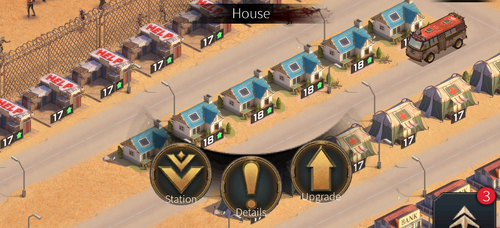
Players construct and upgrade various buildings inside their base. These buildings include resource collectors, defenses, and research labs. A strong base helps protect against enemy attacks. Layout and upgrades affect your defense and efficiency. Planning your base is crucial for long-term survival.
Resource Management
Gathering and using resources wisely is essential. Players collect food, wood, iron, and oil to grow their base. Balancing resource spending between building, training, and research is vital. Running out of resources can slow progress or leave you vulnerable. Efficient resource management keeps the base running smoothly.
Hero Collection And Upgrades
Heroes lead troops and provide special skills. Players collect different heroes with unique abilities and roles. Upgrading heroes improves their power and unlocks new skills. Choosing the right heroes for battles and tasks can change outcomes. Hero development adds depth to the gameplay experience.
Combat And Strategy
Combat and strategy form the core of Last Shelter Survival’s gameplay. This combination keeps you constantly engaged, challenging your tactical thinking and quick decision-making. Understanding the different combat modes helps you plan better and gain the upper hand against opponents.
Pve Missions
PvE missions pit you against AI-controlled enemies, such as zombies and hostile creatures. These missions test your ability to manage resources while defending your base and units. Completing PvE tasks rewards you with valuable items and experience, crucial for progressing in the game.
Think about how you allocate your troops during these missions. Sending the wrong units can lead to heavy losses, while a balanced force can clear challenges quickly. What’s your approach to balancing offense and defense in PvE?
Pvp Battles
PvP battles bring real human opponents into the fray, adding unpredictability and excitement. You must anticipate enemy moves and adapt your tactics on the fly. Victory depends on scouting well, timing your attacks, and using your troops’ strengths effectively.
One tip is to watch your opponents’ patterns and strike when they’re weakest. Have you noticed how a well-timed counterattack can turn the tide in your favor? This dynamic keeps the battles intense and rewarding.
Alliance Warfare
Alliance warfare introduces a cooperative element, where teamwork becomes critical. Coordinating attacks, sharing resources, and supporting allies can sway large-scale conflicts. It’s not just about individual skill but how well you work within your alliance’s strategy.
- Communicate regularly with your alliance members.
- Plan combined strikes on enemy bases.
- Defend key alliance territories together.
Have you experienced the power of a united alliance in battle? The satisfaction of winning together adds a unique layer to the game’s strategic depth.
Progression Systems
The progression systems in Last Shelter Survival shape how players grow and strengthen their bases. These systems offer structured paths to improve technology, develop heroes, and expand the base. Each aspect plays a key role in surviving the harsh world and facing enemy threats. Understanding these elements helps players plan their growth efficiently and stay competitive.
Tech Research
Tech Research is the backbone of advancement. Players spend resources to unlock new abilities and improve existing ones. Research covers military strength, resource gathering, and defense mechanisms. It requires careful planning to balance between offense and defense upgrades. Prioritizing certain tech paths can speed up progress and enhance survival chances.
Hero Development
Heroes lead battles and provide special skills. Developing heroes involves increasing their levels, skills, and equipment. Strong heroes boost troop power and offer strategic advantages. Players must choose which heroes to focus on based on their play style. Regular upgrades keep heroes effective against stronger enemies.
Base Expansion
Base Expansion increases capacity and unlocks new buildings. Expanding the base allows more troops, resources, and defense structures. It also opens access to higher-level tech and better hero training. Players gather materials to upgrade walls and facilities. A larger base provides better protection and growth opportunities.
Social Features
The social features in Last Shelter Survival are a core part of what makes the game engaging and dynamic. They transform solo play into a shared experience where cooperation, strategy, and communication become essential. These features encourage players to build strong connections and work together to survive the zombie apocalypse.
Alliance Formation
Forming alliances is one of the most vital social aspects of Last Shelter Survival. When you join or create an alliance, you gain access to a community that supports your growth and defense. Alliances provide shared resources, coordinated attacks, and stronger defenses against enemies.
Think about how much easier it was for me to defend my base once I joined a well-organized alliance. Suddenly, I wasn’t alone in the fight — we pooled resources and planned our moves together. This makes alliances not just helpful but necessary for long-term success.
Chat And Communication
Communication is the lifeline of any alliance. Last Shelter Survival offers multiple chat options, including alliance chat, world chat, and private messages. These channels keep you informed, help coordinate strategies, and build camaraderie.
Have you ever missed a crucial attack because of poor communication? I have, and it’s frustrating. Effective use of the chat can prevent that by allowing quick sharing of warnings, plans, or resource requests.
Cooperative Gameplay
Cooperative gameplay is where alliances truly shine. Players work together on missions, defend each other’s bases, and launch joint attacks on zombies or rival players. Cooperation increases your chances of survival and accelerates progress.
When I teamed up with others to take down a powerful zombie boss, the combined effort was thrilling and rewarding. It proved that your survival depends heavily on how well you coordinate with your allies. What could you achieve if you played not just for yourself but for your whole alliance?

Credit: lss.fandom.com
Visuals And Sound
The visuals and sound of Last Shelter Survival play a key role in its immersive experience. They create a tense and engaging atmosphere for players. Every detail, from art to audio, helps build the post-apocalyptic world.
Art Style
Last Shelter Survival uses a realistic art style. It shows ruined cities, damaged buildings, and eerie landscapes. The colors are mostly dark and muted. This fits the game’s survival and zombie themes perfectly.
Characters and zombies have detailed designs. The animations are smooth but simple. This keeps the focus on strategy and gameplay rather than flashy visuals.
Sound Design
The sound design enhances the feeling of danger and urgency. Background noises include wind, distant groans, and faint gunfire. These sounds build tension without overwhelming players.
Action sounds like shooting and explosions are clear and impactful. Voice lines are brief and functional. They deliver information without distracting from the game.
User Interface
The user interface is clean and easy to navigate. Icons and buttons are large and clear. This helps players make quick decisions in tense moments.
The layout prioritizes important information. Health bars, resources, and alerts are always visible. This design supports smooth gameplay and quick reactions.

Credit: www.youtube.com
Frequently Asked Questions
What Is Last Shelter Survival Made Up Of?
Last Shelter Survival is made up of strategic base building, resource management, and zombie combat. Players develop their shelter, gather resources, and form alliances to survive a post-apocalyptic world filled with zombies and rival players.
What Are The Main Gameplay Elements In Last Shelter Survival?
The main gameplay elements include shelter construction, troop training, resource collection, and alliance cooperation. Players must balance defense and offense while managing resources and battling zombies or enemy players.
How Does Resource Management Work In Last Shelter Survival?
Resource management involves gathering food, wood, metal, and oil to upgrade buildings and train troops. Efficient use of resources is crucial for survival and progression in the game.
What Role Do Alliances Play In Last Shelter Survival?
Alliances provide support through shared resources, coordinated attacks, and defense strategies. They enhance gameplay by fostering cooperation and increasing players’ chances of survival against zombies and enemies.
Conclusion
Last Shelter Survival combines strategy, resource management, and teamwork. Players build shelters, gather resources, and defend against threats. The mix of base building and combat keeps the game engaging. Social features help players join alliances and work together. Understanding these elements helps enjoy the game better.
It’s a simple but deep experience for survival fans. The game’s design balances action with planning. Overall, Last Shelter Survival offers a clear, fun challenge for many players.


