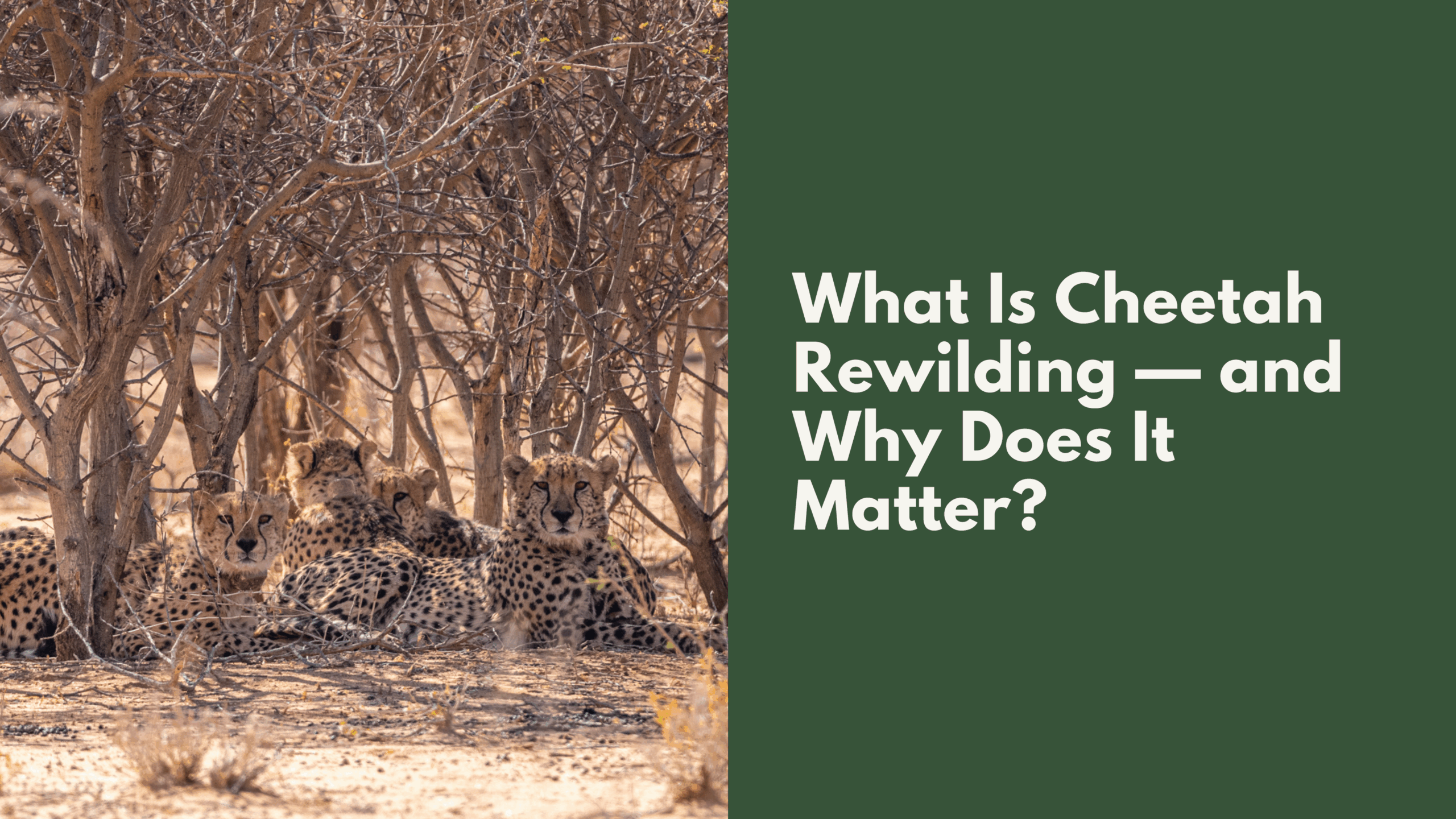
Have you ever wondered what a cheetah truly needs to survive? When it comes to shelter, these incredible animals rely on more than just a safe spot to rest.
Your curiosity about their survival can reveal surprising facts about how shelter plays a vital role in their daily life and survival. Keep reading to discover what makes the perfect shelter for a cheetah and why it’s crucial for their survival in the wild.
Understanding this can change the way you see these magnificent creatures forever.
Natural Habitat
The natural habitat of cheetahs plays a crucial role in their survival, providing essential shelter and resources. Understanding where cheetahs thrive helps you appreciate the delicate balance they maintain with their environment. Their habitats are not just places to live but carefully chosen spaces that support their hunting and resting needs.
Preferred Environments
Cheetahs prefer open landscapes that offer both visibility and cover. These include:
- Grasslands
- Savannas
- Dry forests
Such environments allow cheetahs to spot prey from a distance while using tall grasses or scattered bushes as natural shelter. Have you ever noticed how they blend perfectly with their surroundings? This camouflage is vital for both stalking prey and avoiding larger predators.
Territory Size
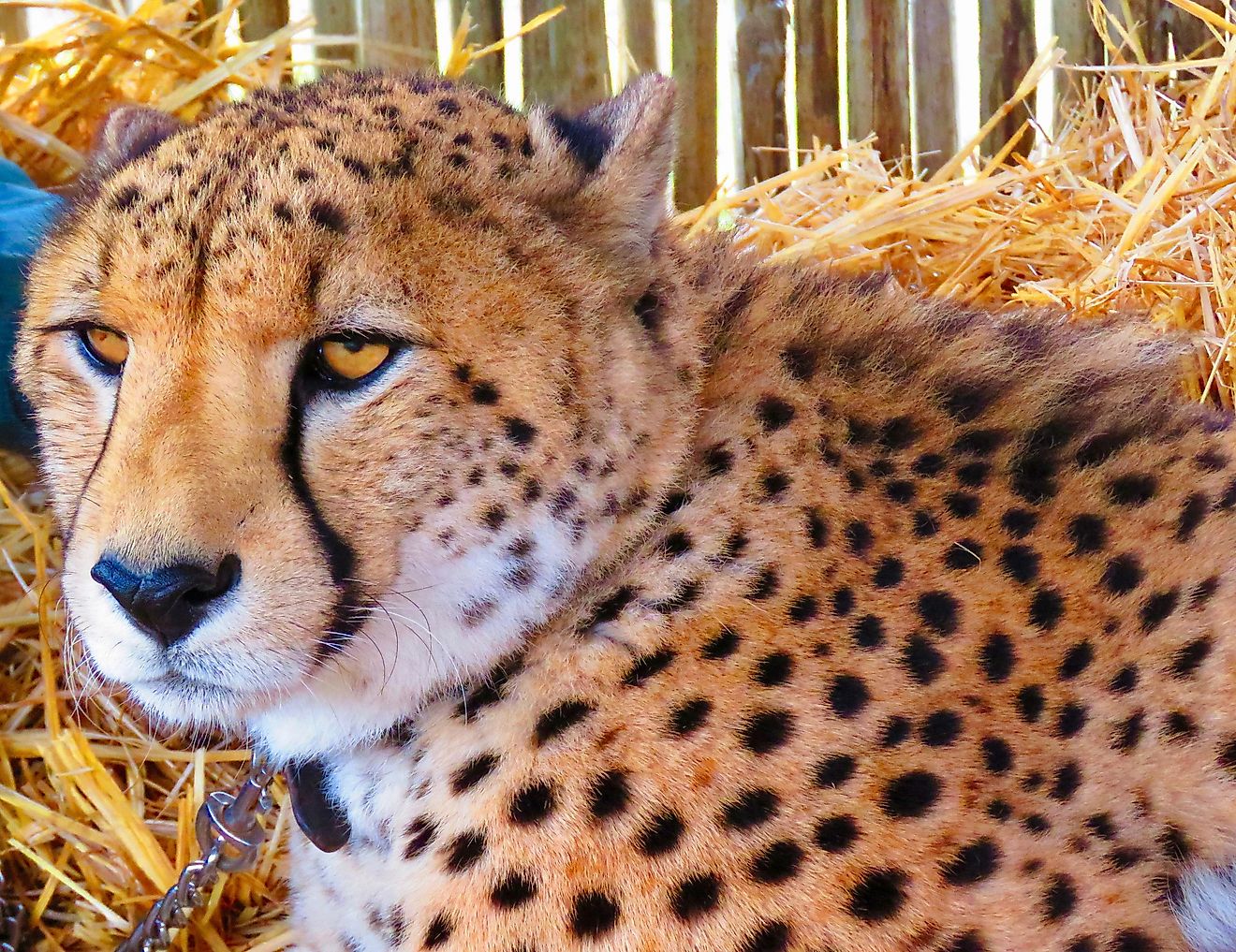
Cheetahs require large territories to support their hunting lifestyle. A single cheetah’s territory can range from 50 to over 1,500 square kilometers depending on prey availability and habitat quality.
Maintaining a big territory ensures they have enough space to find food and safe places to rest. Think about your own need for space—how does it affect your comfort and safety? For cheetahs, the right size territory directly impacts their survival chances.
Credit: www.worldatlas.com
Shelter Types
Understanding the types of shelters cheetahs use is essential to grasp how they survive in the wild. Shelter offers protection from harsh weather, predators, and helps them rest after long hunts. You might be surprised by the variety of shelters cheetahs rely on, both natural and man-made.
Natural Shelters
Cheetahs often choose natural shelters that blend seamlessly into their environment. Tall grasses provide excellent cover, allowing them to hide from larger predators like lions and hyenas. Trees and rocky outcrops also serve as resting spots, offering shade and a vantage point to spot potential threats.
In some areas, cheetahs use dense bushes or termite mounds as hiding places for their cubs. These natural shelters aren’t just about protection—they help cheetahs conserve energy and stay cool during the hot midday sun. Have you ever noticed how they prefer spots that offer both concealment and a clear view?
Man-made Shelters
While cheetahs mostly rely on nature, man-made shelters play a role in conservation efforts. Wildlife reserves and rehabilitation centers often provide shaded enclosures designed to mimic natural environments. These shelters protect injured or orphaned cheetahs and help them regain strength before release.
Sometimes, local communities create safe zones with artificial dens, especially in areas where natural cover is scarce. These structures offer a secure place for mother cheetahs to raise their cubs. Could these man-made shelters be the key to supporting cheetah populations in changing landscapes?
Climate Considerations
Understanding the climate is crucial when thinking about what cheetahs need for shelter. Their environment directly affects their comfort, hunting success, and overall survival. Climate considerations help you grasp why cheetahs choose certain spots and avoid others.
Temperature Range
Cheetahs thrive in warm climates but need shelter that shields them from extreme heat. Temperatures above 40°C (104°F) can cause heat stress, so shaded areas become essential. At night, temperatures may drop significantly, so shelters must offer some warmth and protection from the cold.
Think about how you seek shade or warmth depending on the season. Cheetahs do the same—they find spots where the temperature stays within a comfortable range. This temperature balance helps them conserve energy for hunting and caring for their young.
Weather Protection
Storms and heavy rain can disrupt a cheetah’s day and damage its shelter. They need places that block strong winds and prevent flooding. Natural shelters like dense bushes or rocky outcrops work well because they offer solid protection from harsh weather.
If you’ve ever been caught in a sudden downpour, you know how important cover is. Cheetahs rely on this cover not just for comfort but for safety. A well-chosen shelter keeps them dry and hidden from predators during bad weather, making survival much easier.
Credit: sputniknews.in
Safety From Predators
Safety from predators is a crucial part of a cheetah’s need for shelter. Without a secure place to hide, these fast hunters become easy targets for larger, more powerful animals. Understanding how cheetahs find and create safe spaces can give you insight into their survival instincts.
Avoiding Larger Predators
Cheetahs often face threats from lions, hyenas, and leopards. These predators are stronger and can easily overpower a cheetah if caught unprepared.
To avoid them, cheetahs rely on their keen eyesight and swift reflexes. They stay alert and often choose shelter in areas where larger predators are less likely to roam, such as open grasslands or sparse woodlands.
Have you ever noticed how cheetahs prefer places where they can spot danger from a distance? This strategy gives them time to escape before a threat gets too close.
Safe Resting Areas
Finding a safe resting spot is vital for cheetahs to conserve energy and protect their young. They often use tall grasses or rocky outcrops as natural cover.
These spots offer camouflage and reduce the chance of being seen by predators. Sometimes, cheetahs even use abandoned dens or shaded areas under trees to rest during the heat of the day.
Choosing the right resting area is not just about hiding; it’s also about comfort and quick access to escape routes. What kind of shelter would you choose if you had to stay hidden and safe in the wild?
Access To Water
Access to water is vital for cheetahs to survive in the wild. Water supports their body functions and helps regulate temperature. Without nearby water, cheetahs struggle to stay healthy and hunt effectively. Understanding their water needs reveals why shelter near water sources is critical.
Water Source Proximity
Cheetahs prefer shelters close to water sources. Rivers, lakes, and watering holes provide easy access to fresh water. Being near water reduces the energy spent traveling long distances. It also lowers the risk of dehydration, especially during dry seasons.
Many cheetahs choose habitats within a few kilometers of water. This choice helps them stay hydrated and supports their prey, which also needs water. Proximity to water often means a richer food supply and better survival chances.
Hydration Needs
Cheetahs need regular water intake to maintain strength. Their slender bodies lose water quickly, especially after chasing prey. Drinking water replaces lost fluids and prevents overheating. Without enough water, cheetahs become weak and less able to hunt.
Besides drinking, cheetahs get moisture from their prey. Still, direct water intake is essential, especially in hot climates. Hydration supports their endurance and quick recovery after high-energy activities. This need shapes where they build their shelters and raise their young.
Hunting Grounds Nearby
Hunting grounds are crucial for a cheetah’s survival. These areas provide the food and space needed to sustain their energy and health. Without nearby hunting grounds, cheetahs struggle to find enough prey, impacting their ability to thrive.
Prey Availability
Prey availability directly affects where cheetahs choose to live. They hunt mostly small to medium-sized herbivores like gazelles and impalas. If these animals are scarce, cheetahs must travel further, which uses up vital energy.
Often, prey populations fluctuate due to seasons or human activities. You might wonder how cheetahs adjust when their favorite prey disappears. They become more opportunistic, targeting different species or hunting at different times to increase success.
Hunting Strategies
Cheetahs rely on speed and stealth when hunting. They prefer open spaces where they can sprint after prey, reaching speeds up to 60-70 mph. Dense forests or crowded areas make it hard to chase down animals.
Interestingly, cheetahs hunt mostly during the day to avoid competition with larger predators. This strategy minimizes risks and conserves energy. If you observe closely, you’ll see how they carefully stalk before a quick burst of speed—precision over power.
Human Impact
Human activity has greatly affected cheetahs’ ability to find safe shelter. Their natural homes are shrinking and changing quickly. This makes survival harder for these fast cats. Understanding human impact helps us protect cheetah habitats better.
Habitat Loss
Humans clear land for farms, towns, and roads. This destroys places where cheetahs hide and hunt. With less space, they face more danger from other animals and people. Cheetahs struggle to find enough food and safe spots to rest.
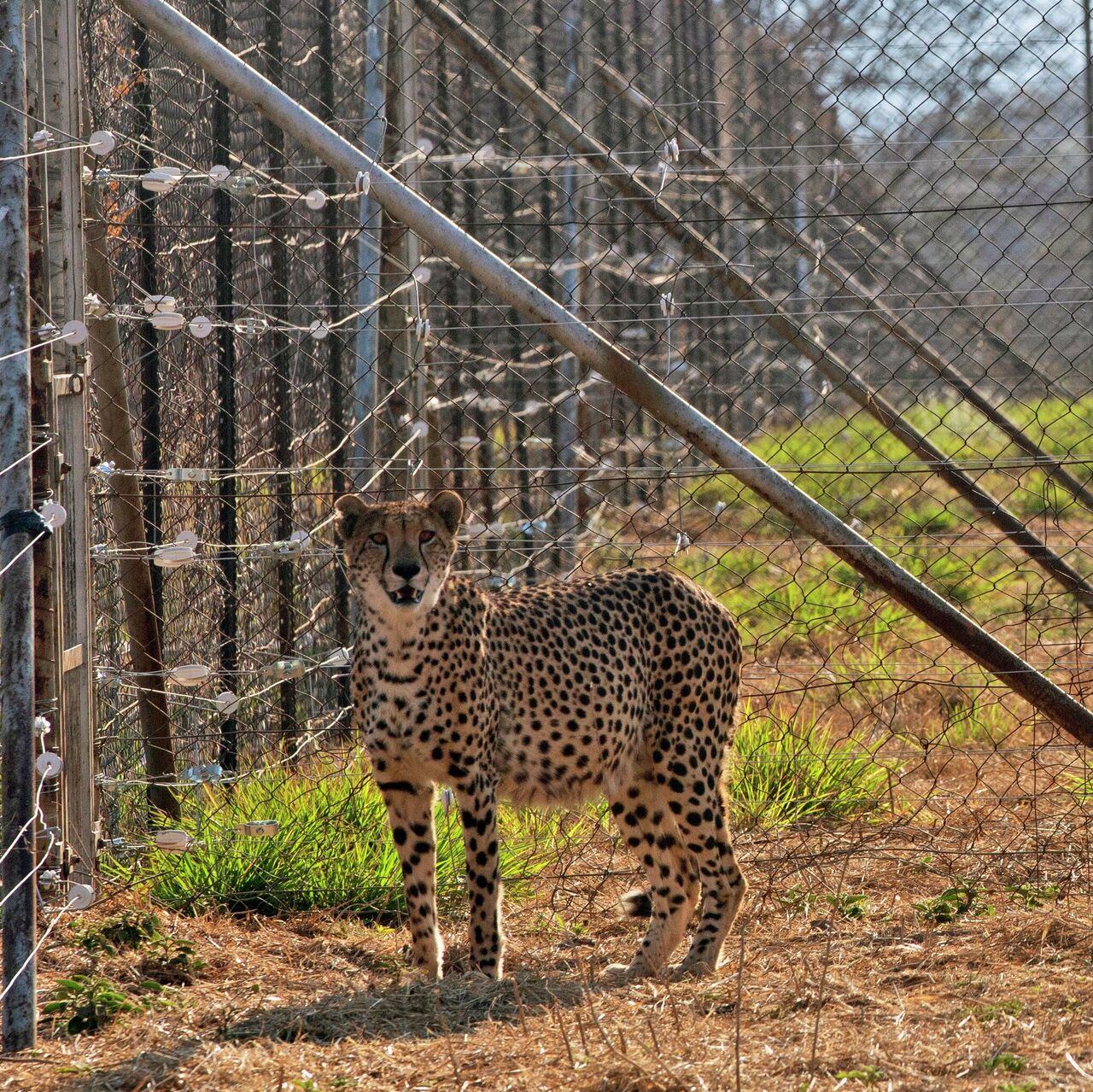
Fences and buildings block cheetahs from moving freely. They get trapped in smaller areas. This can cause fights over territory and reduce their chance to mate. The loss of habitat is a major threat to cheetah survival.
Conservation Efforts
People are working to save cheetah homes. Protected parks and reserves give cheetahs space to live safely. Some projects focus on creating wildlife corridors. These paths connect small habitats so cheetahs can move freely.
Education helps communities understand why cheetahs need shelter. Local people learn how to share land without harming wildlife. Conservation also includes stopping illegal hunting and trading.
- Replanting native plants to restore shelter areas
- Using technology to track cheetah movements
- Involving local communities in protection efforts
These steps increase the chances that cheetahs will survive and thrive in the wild.
Credit: nationalzoo.si.edu
Frequently Asked Questions
What Type Of Shelter Do Cheetahs Need?
Cheetahs require shelters that provide shade and protection from harsh weather. Natural hides like bushes or tall grass are ideal. Shelters must be spacious enough for resting and hiding from predators, ensuring safety and comfort.
How Does Shelter Help Cheetah Survival?
Shelter offers cheetahs protection from extreme temperatures and predators. It provides a safe space for resting and raising cubs. Proper shelter reduces stress and supports their hunting efficiency and overall health.
Can Cheetahs Survive Without Natural Shelter?
Without natural shelter, cheetahs face increased risks from predators and weather. Lack of hiding spots impacts their ability to hunt successfully. Natural shelter is crucial for their safety and survival in the wild.
What Materials Make Good Cheetah Shelters?
Good cheetah shelters include dense bushes, tall grasses, and shaded rocky areas. These materials offer camouflage and temperature control. Natural elements help cheetahs stay hidden and protected throughout the day.
Conclusion
Cheetahs need safe, quiet places to rest and hide from danger. They rely on shelter that blends with nature. Shade protects them from heat during the day. Dense bushes and tall grass offer cover from predators. Finding good shelter helps cheetahs stay healthy and strong.
Without proper shelter, their survival becomes harder. Protecting these habitats supports cheetah populations in the wild. Shelters matter as much as food and water. Understanding their shelter needs helps us support their future.


