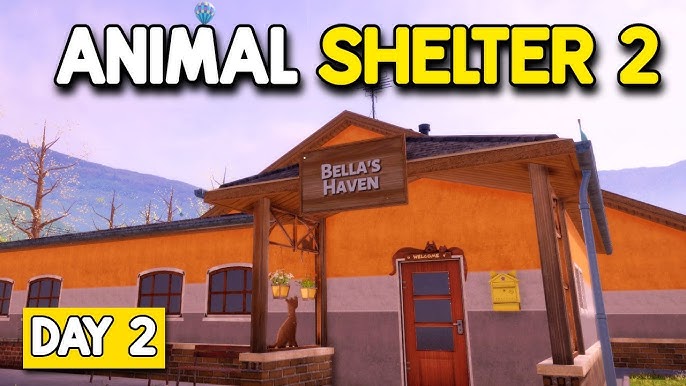
Are you ready to face the wild challenges of Shelter 2? This game throws you into a tough world where survival is never guaranteed.
You’ll need quick thinking, smart choices, and a strong strategy to keep your family safe. In this guide, you’ll discover key tips and tricks that can make the difference between thriving and losing everything. Keep reading to unlock the secrets that will help you master Shelter 2 and protect your loved ones through every danger.
Your survival starts here.
Starting Strong
Starting strong in Shelter 2 is all about laying a solid foundation for your survival journey. The choices you make in the first few moments can shape your entire experience. By focusing on smart location selection, gathering the right supplies, and sharpening basic survival skills, you set yourself up for success.
Choosing Your Shelter Location
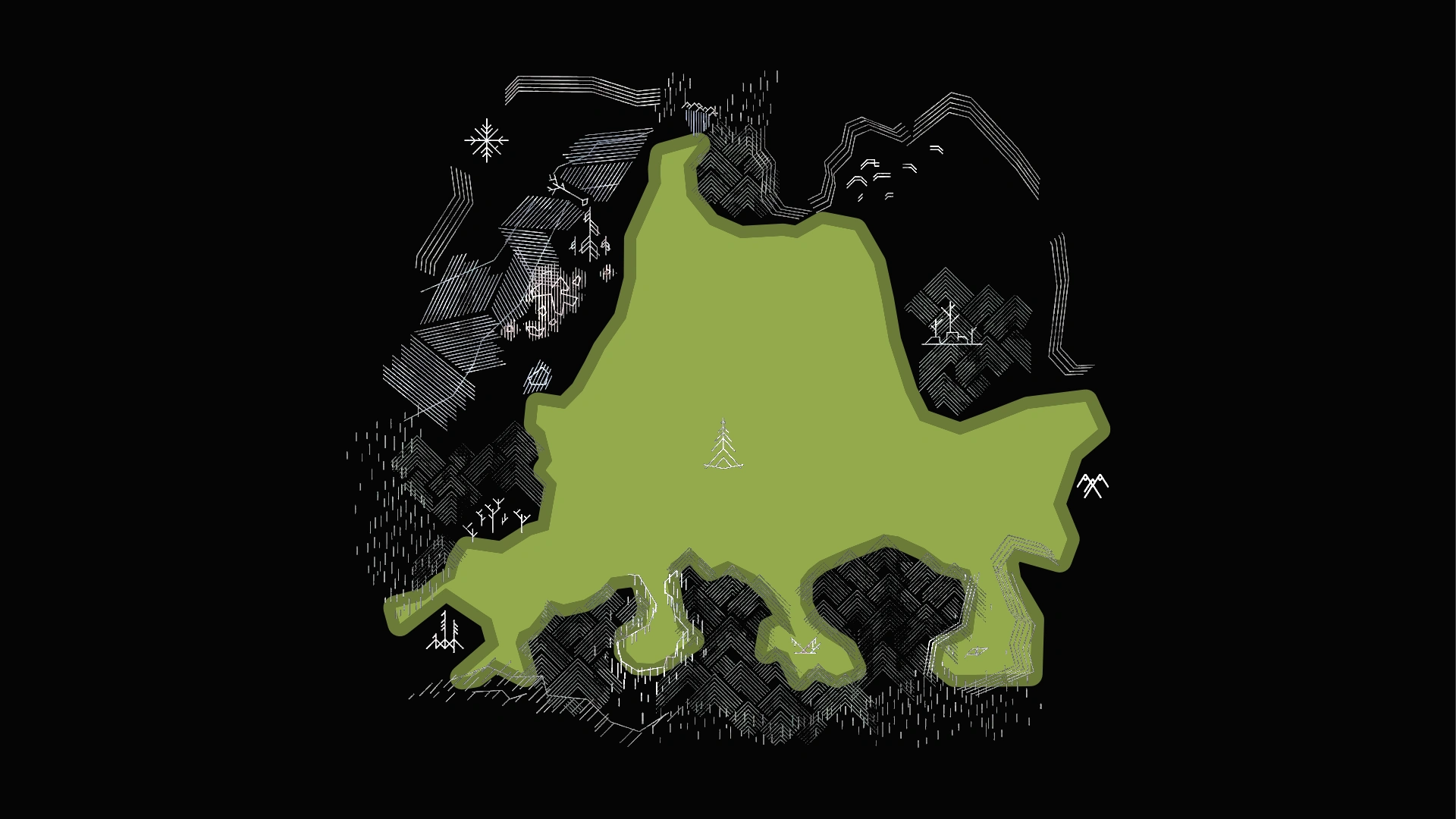
Your shelter’s location affects safety, resources, and comfort. Look for spots near fresh water but away from predators and enemy territories. Avoid low ground prone to flooding or areas with poor visibility.
Think about what you need close by: trees for wood, bushes for food, and open spaces to spot threats early. I once picked a spot too close to dense forest and faced constant attacks at night—don’t make the same mistake.
Gathering Initial Supplies
Start by collecting essentials like food, water, and building materials. Focus on items you can carry easily but that provide maximum benefit, such as berries, sticks, and stones. Tools like a basic knife or flint can change the game early on.
- Prioritize food with high energy value
- Gather materials for fire and shelter
- Secure water sources or containers
Ask yourself: what can I grab right now that will last? Waiting too long or spreading yourself too thin on less useful items wastes precious time and energy.
Basic Survival Skills
Master simple skills early. Learning how to build a fire, purify water, and craft basic tools pays off immediately. Practice these skills until they become second nature.
Don’t underestimate the power of knowing how to stay calm under pressure. Your ability to think clearly can prevent mistakes that cost your survival. What skill do you think will help you most when everything feels overwhelming?
Credit: shelter-2.fandom.com
Managing Resources
Managing resources in Shelter 2 is the key to keeping your tribe alive and thriving. Every decision you make about food, water, and tools can mean the difference between survival and disaster. You’ll need to balance immediate needs with long-term planning, staying flexible as your situation changes.
Food And Water Procurement
Securing enough food and clean water is your top priority. Hunt animals and gather plants, but watch your tribe’s stamina—overhunting can leave you without a backup food source. Always scout for water sources early; a dried-up river can quickly turn a safe camp into a desperate struggle.
Think about how you can create a reliable supply chain. Setting traps for small animals frees you from constant hunting. Collect rainwater or build simple filters to ensure your tribe doesn’t fall ill from unsafe water. How often do you check your food and water reserves?
Efficient Inventory Management
Your inventory space is limited, so every item must earn its place. Carry only essentials and prioritize items that support survival tasks. Avoid hoarding; clutter slows you down and wastes precious space.
Organize your inventory by categories—food, tools, medicine—so you can quickly find what you need. Regularly discard spoiled or unnecessary items to keep your load light. Have you tried sorting items after each expedition to streamline your gear?
Crafting Useful Tools
Crafting tools transforms raw materials into survival essentials. Focus on making tools that improve food gathering and water collection first, such as fishing rods or water containers. The right tool can save hours of work and reduce risk.
Keep an eye on your tribe’s needs and craft accordingly. For example, a spear helps with hunting but also defends against predators. Have you experimented with upgrading tools to boost efficiency?
Building And Upgrading
Building and upgrading your shelter in Shelter 2 is essential for survival. Every structure you create and every upgrade you make directly affects your safety and comfort. Knowing what to build and how to improve it can mean the difference between thriving and struggling.
Constructing Secure Structures
Your first priority should be creating strong, secure buildings. Use the sturdiest materials available to withstand harsh weather and animal attacks. Placing walls and roofs properly can prevent damage and keep your survivors safe.
Think about the layout too—does your shelter have a clear path for escape or quick access to resources? I once built a shelter with multiple entrances, only to realize it made defense harder. Focus on balance between accessibility and security.
Improving Shelter Defenses
Upgrading defenses is not just about adding walls. You can reinforce doors with metal bars and set traps around your base to deter predators or raiders. Consider building watchtowers or lookout points to spot threats early.
Don’t forget lighting—bright areas can discourage wildlife from getting too close. Have you tried upgrading defenses after an attack? The difference in how your shelter holds up is often dramatic.
Expanding Your Base
As your survivor group grows, so should your shelter. Adding extra rooms for storage, sleeping, or crafting boosts efficiency. Plan expansions carefully to maintain a compact, defendable perimeter.
Try to build specialized areas—like a garden or workshop—to improve resource management. Expansion isn’t just about space; it’s about creating a well-organized, functional home. What new rooms would make your life easier right now?

Credit: store.steampowered.com
Dealing With Threats
Dealing with threats in Shelter 2 is crucial for survival. The environment is harsh and full of dangers. You must stay alert and ready to respond. Understanding how to face wildlife, weather, and combat situations can keep your family safe. This section guides you through key strategies to handle these challenges.
Handling Wildlife Encounters
Wild animals are common threats in Shelter 2. Avoid sudden movements to prevent provoking them. Stay calm and slowly back away if you see a wild animal nearby. Use noise to scare off smaller animals if necessary. Keep food secured to avoid attracting wildlife to your shelter.
Preparing For Weather Challenges
Weather changes quickly and can be deadly. Build shelter in safe, dry locations to protect from rain and cold. Store enough warm clothing and blankets for your family. Monitor weather signs and prepare early for storms or cold snaps. Keep firewood and fuel ready for heating and cooking.
Combat Strategies And Avoidance
Fighting should be the last choice. Avoid conflicts by staying quiet and hidden. Use weapons only when necessary for defense. Plan escape routes in case of danger. Always check surroundings before moving to avoid ambushes. Staying aware reduces the risk of combat situations.
Exploration And Expansion
Exploration and expansion are essential in Shelter 2. They help you find new resources and safe places. Expanding your territory boosts your chances of survival. Careful planning during exploration keeps your family safe and prepared.
Scouting Nearby Areas
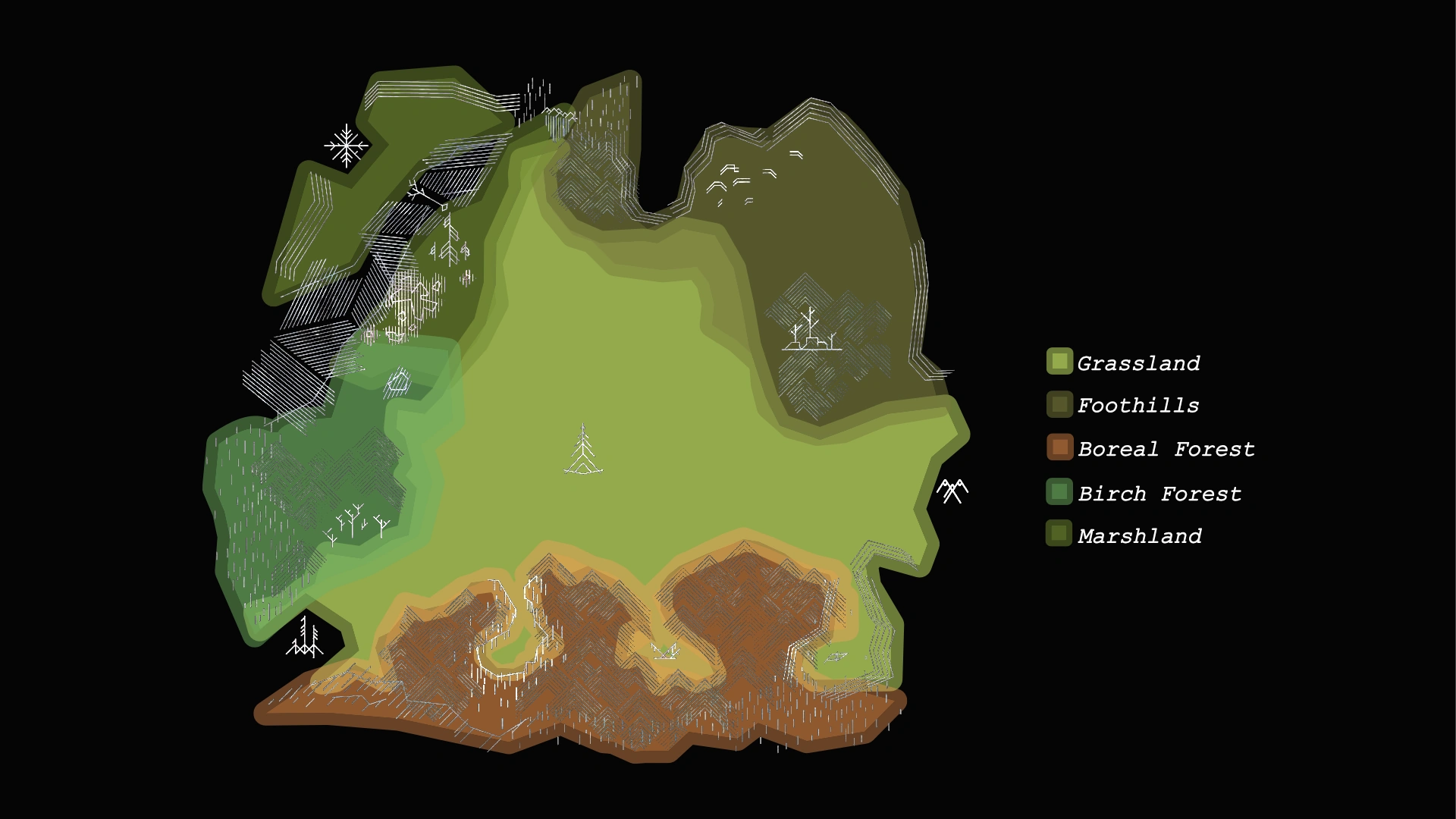
Start by sending scouts to explore close locations. Scouts gather useful information about dangers and resources. Mark safe paths and avoid risky zones. Use maps to track explored and unexplored regions. Keep your scouts ready for quick retreats.
Finding Rare Resources
Rare resources improve your shelter’s strength and comfort. Search forests, caves, and riverbanks carefully. Look for special plants, minerals, and animals. Collect items like herbs for medicine and stones for tools. Plan trips to resource-rich spots regularly.
Navigating Hazardous Terrain
Hazardous areas pose threats like wild animals and harsh weather. Move slowly and watch for traps or dangerous plants. Use protective gear to reduce injuries. Learn to identify safe resting spots during long journeys. Always have a backup plan for emergencies.
Credit: shelter-2.fandom.com
Survivor Well-being
Survivor well-being is key to lasting longer in Shelter 2. Your character faces many dangers, so staying healthy and calm is essential. Taking care of body and mind helps handle challenges better. Focus on three main areas to keep your survivor strong and ready.
Maintaining Health And Stamina
Health and stamina keep your survivor active and safe. Watch out for injuries and illnesses. Treat wounds quickly to avoid infections. Eat balanced food to restore energy and strength. Rest often to regain stamina for daily tasks.
- Gather clean water to avoid sickness.
- Cook food properly to gain more benefits.
- Use herbs and medicine to heal faster.
- Sleep regularly to keep energy high.
Managing Mental Stress
Mental stress affects your survivor’s decisions and reactions. Stress rises from danger, hunger, and loneliness. Reduce stress by creating a safe shelter and having enough food. Allow quiet time for your character to relax. Avoid risky actions that increase anxiety.
- Keep the shelter well-lit and organized.
- Spend time doing calm activities.
- Listen to comforting sounds or music.
- Help your survivor stay hopeful and focused.
Building Relationships
Strong bonds improve chances of survival. Trust between characters brings safety and teamwork. Share food and resources to build trust. Communicate clearly to avoid conflicts. Help others to create a caring group. Together, survivors manage threats better and feel less alone.
- Offer help during hard times.
- Keep promises to build reliability.
- Work on tasks as a team.
- Celebrate small victories together.
Advanced Tactics
Surviving in Shelter 2 demands more than just basic skills. Advanced tactics elevate your gameplay, helping you make the most of limited resources and hostile environments. These strategies transform challenges into manageable tasks and increase your chances of survival.
Optimizing Resource Efficiency
Resources in Shelter 2 are scarce, so you must use everything wisely. Prioritize items that serve multiple purposes, like water for drinking and crop irrigation. Avoid wasting materials on unnecessary upgrades early on.
Keep track of your inventory regularly to spot surplus or shortages before they become problems. For example, storing extra food is good, but too much can spoil, so balance your stock carefully.
Using Traps And Alarms
Setting traps around your shelter can deter or slow down threats before they reach you. Use traps like spike pits or noise-making devices to create layers of defense.
Alarms are equally important—they give you time to prepare or escape. Position alarms near entry points and high-risk zones to catch intruders early. Have you tested different trap placements to see which combination works best for your shelter layout?
Mastering Stealth Techniques
Stealth is crucial when resources and backup are limited. Move quietly and avoid unnecessary confrontations to conserve energy and health. Use natural cover and shadows to stay hidden from predators and hostile survivors.
Observing enemy patterns helps you plan safe routes and timing. Sometimes, waiting for the right moment to pass can save you from a direct fight. How often do you pause and watch your surroundings before making a move?
Frequently Asked Questions
How Do I Find Food Quickly In Shelter 2?
Search bushes and trees for berries and mushrooms. Hunt small animals like rabbits. Manage resources wisely to avoid starvation.
What’s The Best Way To Protect My Family?
Build a strong shelter and craft weapons. Stay alert for predators and environmental dangers. Use defensive strategies to keep your family safe.
How Can I Improve My Character’s Survival Skills?
Complete tasks and explore the environment. Practice hunting, gathering, and crafting regularly. Skills improve with experience and time spent surviving.
Where Can I Find Water Sources In Shelter 2?
Look for rivers, lakes, and ponds on the map. Collect rainwater using containers. Always purify water before drinking to avoid illness.
Conclusion
Surviving Shelter 2 takes patience and smart choices. Keep your resources safe and use them wisely. Always watch your shelter’s needs and act fast. Stay calm during tough moments to avoid mistakes. Small steps lead to lasting success in the game.
Remember, every decision shapes your shelter’s future. Stay alert, plan ahead, and keep your group alive. Your careful actions will help you survive longer. Enjoy the challenge and learn with each play.


