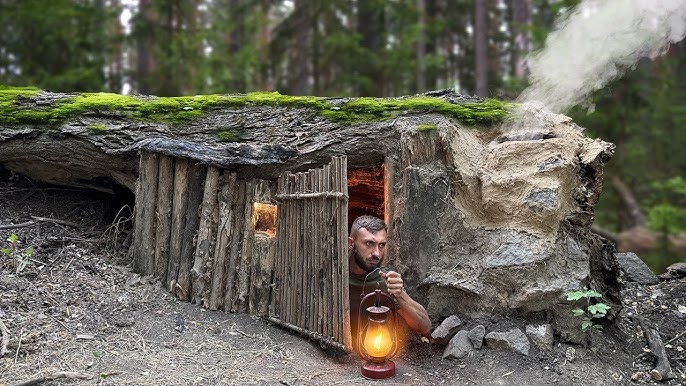
Have you ever wondered what kind of shelter could keep you safe and comfortable in tough survival situations? A yurt survival shelter might be exactly what you need.
This simple, sturdy structure has been used for centuries, and it offers more than just protection from the elements. Imagine having a shelter that is quick to set up, easy to transport, and strong enough to withstand harsh weather. If you want to learn how a yurt can become your reliable survival shelter, keep reading.
You’re about to discover why yurts are becoming a top choice for anyone serious about staying safe and comfortable when it matters most.
Yurt Basics
A yurt is a round, portable shelter traditionally used by nomads. It provides sturdy protection against wind, rain, and cold. Simple yet strong, yurts offer a comfortable space in nature.
Today, yurts serve as survival shelters, camping homes, or eco-friendly retreats. Understanding their basics helps you appreciate their design and purpose.
Yurt Origins
Yurts come from Central Asia, used by Mongolian and Turkic tribes. They lived in these tents for centuries during migrations. The yurt’s circular shape and flexible frame made it easy to build and move. It suited harsh climates and open landscapes well.
Traditional Vs Modern Yurts
Traditional yurts use wood frames and felt covers made from sheep wool. Felt keeps warmth inside and blocks the cold wind. Modern yurts often use metal or wood frames with waterproof fabric. They may include windows, doors, and insulation. Modern yurts last longer and are easier to maintain.
Yurt Components
- Frame:The skeleton made of wood or metal poles.
- Walls:Vertical supports called “khana” that form the round shape.
- Roof:A lattice and poles that create a dome shape.
- Cover:Felt or fabric layers that protect against weather.
- Door:A sturdy entrance, often wooden or fabric.
- Skylight:A circular opening at the top for light and ventilation.
Survival Shelter Benefits
A yurt survival shelter offers many benefits for staying safe outdoors. It provides a reliable place to rest and protect yourself from harsh conditions. Its design balances strength, comfort, and ease of use. This makes it a smart choice for survival situations.
Durability And Strength
Yurts are built with strong wooden frames and thick fabric covers. This structure holds up well against impacts and wear. The materials resist tearing and damage over time. You get a shelter that lasts through tough conditions and rough use.
Weather Resistance
The circular shape helps the yurt shed wind and rain easily. Waterproof fabric keeps the inside dry during storms. Insulating layers help keep warmth inside in cold weather. This shelter protects you from rain, snow, wind, and cold.
Portability And Setup
Yurts break down into parts that are easy to carry. The setup does not require many tools or extra hands. You can assemble it quickly in different locations. This makes the yurt great for moving as needed in survival situations.
Choosing The Right Yurt
Choosing the right yurt is key to a reliable survival shelter. It affects comfort, safety, and usability. Consider factors that match your needs and environment. Each choice shapes your experience in unique ways.
Size And Capacity
Think about how many people will stay in the yurt. Space for sleeping, storage, and movement matters. A small yurt fits one or two people well. Larger yurts work for families or groups.
Also, consider extra room for supplies or gear. Avoid overcrowding to keep air and comfort levels good. A yurt with flexible space adapts to different needs.
Materials And Insulation
Durable materials protect against wind, rain, and snow. Look for strong wood or metal frames. Covers usually come in canvas or synthetic fabric.
Insulation keeps the yurt warm in cold weather. Thick layers help retain heat and block cold air. Some yurts include removable liners for changing seasons.
Cost Considerations
Yurts vary widely in price. Basic models cost less but may lack durability. High-quality yurts offer better materials and longer life.
Balance your budget with the features you need. Remember, investing in quality saves money on repairs later. Factor in delivery and setup costs too.

Credit: www.youtube.com
Setting Up A Yurt Shelter
Setting up a yurt shelter requires careful planning and attention. The right setup ensures safety, comfort, and durability. This section breaks down the key steps to build your yurt effectively. Each part is important for a strong, lasting shelter.
Site Selection
Choose flat ground free of rocks and debris. Avoid low areas where water can collect. Look for natural wind barriers like trees or hills. Sun exposure matters; pick a spot with good sunlight during the day. Check soil firmness to support the yurt’s weight. Clear the area of sharp objects that can damage the floor.
Assembly Steps
Lay out all parts before starting. Begin with the circular floor frame. Attach the wall lattice carefully, making sure it forms a round shape. Connect the roof poles to the top ring. Raise the roof slowly, balancing it evenly. Cover the frame with the yurt fabric, securing edges tightly. Install the door frame last, making sure it fits well.
Anchoring And Stability
Secure the yurt to the ground using strong stakes or anchors. Place anchors evenly around the base. Use heavy ropes or straps to tie down the structure. Check tension regularly to prevent sagging. Add weight inside during strong winds for extra stability. Reinforce corners with additional supports if needed.
Yurt Survival Tips
Living in a yurt during a survival situation presents unique challenges and opportunities. To make your yurt a reliable shelter, you need to focus on key areas that ensure comfort, safety, and functionality. Here are some practical tips to help you optimize your yurt survival shelter.
Maintaining Warmth
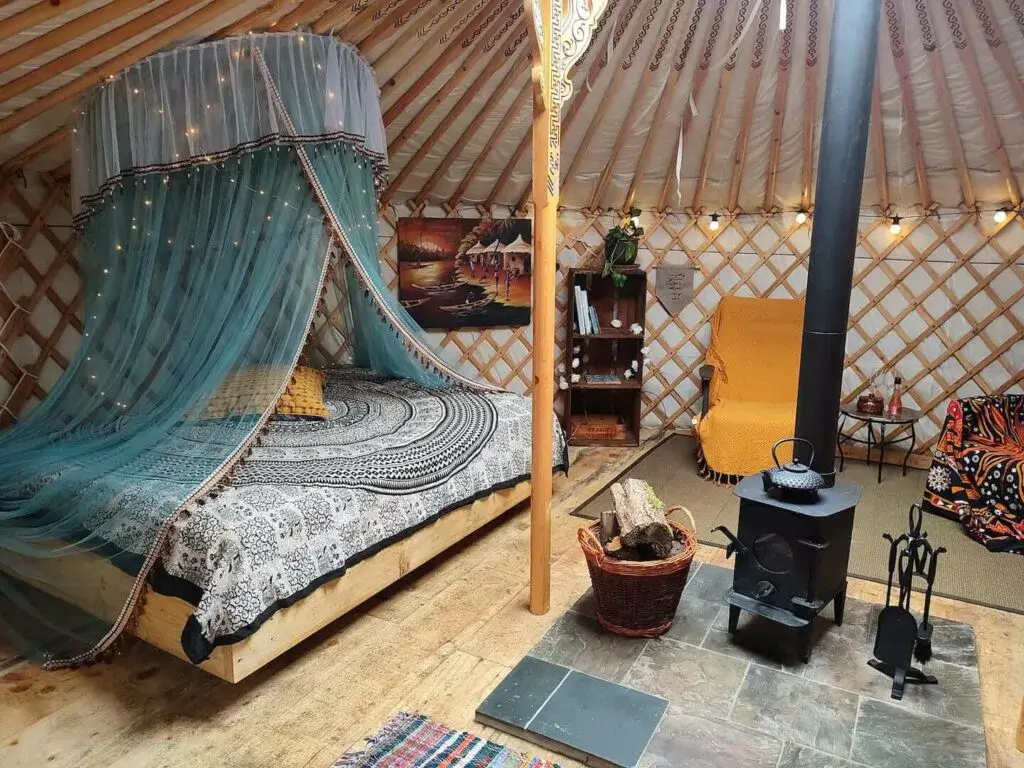
Your yurt’s circular design helps retain heat, but you still need to take extra steps to stay warm. Use heavy-duty insulation materials like wool blankets or foam panels on the walls and floor. Layering rugs or mats can prevent cold from seeping through the ground.
Consider installing a small, efficient wood stove or a propane heater to generate steady heat. Always keep a fire extinguisher nearby and ensure proper chimney ventilation to avoid smoke buildup. Do you have enough firewood stored to last through a cold snap?
Ventilation And Airflow
Fresh air is crucial for health, especially in a sealed space like a yurt. Open vents or windows during the day to let in air and reduce moisture buildup. You can use mesh screens to keep bugs out while allowing airflow.
At night, close vents partially to conserve heat but avoid sealing the yurt completely. Stale air can cause headaches or respiratory issues. Have you tested your ventilation setup on a cold night yet?
Security Measures
Though yurts are not fortress-like, you can enhance security with simple measures. Reinforce door locks and consider adding a secondary barrier like a security bar or chain. Use motion-sensor lights outside your yurt to deter unwanted visitors.
Keep valuables out of sight and store emergency tools within easy reach. A dog or a personal alarm can add extra peace of mind. What small change can you make today to better protect your yurt shelter?
Credit: www.theoutfactory.com
Yurt Living Essentials
Setting up your yurt as a survival shelter means focusing on essentials that make living both practical and comfortable. You want your space to support your daily needs without overwhelming your setup. Balancing simplicity and functionality ensures your yurt stays a safe and efficient refuge.
Furnishing And Layout
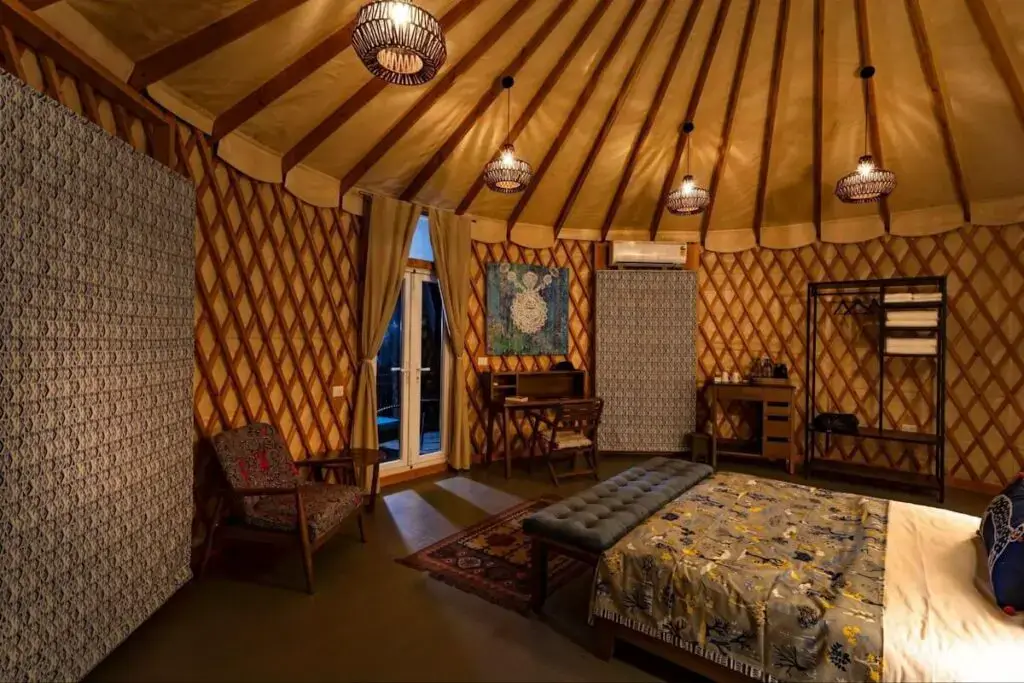
Start with furniture that fits your yurt’s round shape and limited space. Use multi-purpose pieces like foldable tables and storage benches to save room. Think vertically—shelves and hanging organizers keep things tidy and accessible.
Plan your layout to create clear zones: sleeping, cooking, and relaxing. This helps you move smoothly through the space and keeps your shelter organized. Have you considered how easy it is to clean and maintain your setup?
Lighting And Power Options
Natural light is your friend—position your yurt where sunlight can brighten the interior during the day. For nighttime, LED lanterns and solar-powered lights work well without draining batteries. Portable solar panels can charge devices and small appliances.
Don’t overlook backup power sources like hand-crank generators or rechargeable power banks. These options keep you prepared for unexpected outages. How will you ensure your lighting keeps you safe and comfortable after dark?
Water And Sanitation
Access to clean water is critical. Set up a rainwater collection system or store water in food-grade containers. Use simple filtration methods to keep your water safe for drinking and cooking.
For sanitation, portable composting toilets or simple outhouse setups work well outside the yurt. Keep hygiene supplies handy and establish a routine for waste management. What’s your plan to maintain cleanliness without modern plumbing?
Common Challenges
Building and maintaining a yurt survival shelter comes with its own set of challenges. Understanding these common issues can help you prepare better and extend the lifespan of your shelter. Let’s look at some obstacles you might face and how to tackle them effectively.
Weather Hazards
Yurts are designed to handle various weather conditions, but extreme weather can still cause trouble. Heavy rain can lead to leaks if your yurt’s cover isn’t properly sealed. Strong winds might shift the structure or damage the frame if it’s not anchored securely.
Have you checked how your shelter holds up during a storm? Adding extra guy lines and waterproofing the fabric can make a huge difference. Consider investing in a quality rain cover and regularly inspect your shelter after bad weather.
Wear And Tear
Over time, the materials of a yurt suffer from natural wear and tear. The fabric can fade or weaken due to sun exposure, and wooden parts might crack or warp. This gradual damage can reduce your shelter’s insulation and protection.
Regular maintenance is key. Tighten bolts, reapply protective coatings, and replace worn fabric before it becomes a bigger problem. Think about how small repairs now can save you from costly replacements later.
Pest Control
Pests can be a serious nuisance in a yurt. Rodents, insects, and even birds may try to nest in or around your shelter. This can lead to damage in the fabric, insulation, or wooden frame.
Have you noticed any signs of pests near your shelter? Keep your yurt clean and seal any gaps where pests might enter. Using natural repellents or traps can help keep unwanted visitors at bay without harmful chemicals.
Credit: www.theoutfactory.com
Yurt Survival Stories
Yurt survival stories reveal how these round tents protect people in tough situations. These shelters offer warmth, safety, and a simple home base during emergencies. Many have used yurts to stay safe during storms, wildfires, or long outdoor trips. These real-life accounts show how practical and reliable yurts can be in survival scenarios.
Real-life Experiences
One family stayed inside a yurt during a heavy snowstorm. The yurt kept them warm and dry for several days. Another person used a yurt while camping in a remote area. It provided shelter from strong winds and rain. In wildfire zones, some survivors found yurts to be a safe refuge. These experiences prove yurts work well against harsh weather and emergencies.
Lessons Learned
- Yurts need proper insulation to keep heat inside.
- Secure anchoring is vital to withstand strong winds.
- Choose a yurt with a sturdy frame for better durability.
- Keep emergency supplies stored inside for quick access.
- Regular maintenance ensures the yurt remains reliable.
These lessons help improve yurt survival chances. People understand what works best for protection and comfort. Yurt survival stories inspire others to consider these shelters for emergency plans.
Frequently Asked Questions
What Is A Yurt Survival Shelter?
A yurt survival shelter is a portable, round tent designed for quick assembly. It provides strong protection from weather and is ideal for emergency or outdoor survival situations.
How Durable Is A Yurt Survival Shelter?
Yurt shelters are highly durable due to their sturdy wooden frames and weather-resistant fabric. They withstand wind, rain, and snow, making them reliable in harsh environments.
Can A Yurt Shelter Be Used Year-round?
Yes, yurts can be adapted for year-round use. With proper insulation and ventilation, they stay warm in winter and cool in summer.
How Easy Is It To Set Up A Yurt Shelter?
Yurts are easy to set up, often requiring only a few hours. Their simple design allows for quick assembly without specialized tools.
Conclusion
A yurt survival shelter offers strong, simple protection outdoors. It stands well against wind and rain. Easy to set up, it suits many climates and needs. Its round shape helps keep warmth inside. People use yurts for camping, emergencies, or long stays.
Choosing a yurt means choosing safety and comfort. A good shelter can make outdoor living easier. Think about a yurt for your next adventure or emergency plan. Small and sturdy, it fits many survival situations.


