Want to make your survival craft clothes stand out and look fresh? Knowing how to dye clothes can change the way you play and survive.
Imagine turning plain, worn-out fabric into vibrant, personalized gear that shows off your style and helps you spot your items easily. In this guide, you’ll learn simple steps to dye your clothes using materials you can find or craft yourself.
Stick with me, and you’ll soon master a skill that’s both practical and fun, making your survival experience even better. Ready to add some color to your adventure? Let’s dive in!

Credit: www.youtube.com
Gathering Materials
Gathering the right materials is the foundation of successfully dyeing clothes in Survival Craft. Without quality resources, your colors might fade or not appear at all. Before you start, make sure you have everything you need to create vibrant and lasting dyes.
Finding Natural Dyes
Natural dyes come from plants, fruits, and even some insects in Survival Craft. Look for items like berries, leaves, bark, and flowers around you. Each source offers unique colors—red from berries, yellow from marigolds, and green from certain leaves.
Have you ever noticed how some plants stain your hands when you touch them? That’s a good sign they can be used as dyes. Collect these materials fresh for the best results.
Collecting Fabric Items
You need fabric items to dye, so gather clothes or cloth scraps you want to change. Cotton and linen absorb natural dyes better than synthetic materials. Keep your eyes open for old shirts, pants, or even bedsheets that can be repurposed.
Think about the clothes you wear the most. Would you like them in a new color? Having several fabric items ready lets you experiment with different dyes and techniques.
Essential Tools Needed
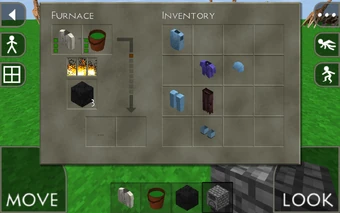
Besides natural dyes and fabric, you’ll need a few simple tools. A pot or container to boil your dye materials is crucial. You’ll also want gloves to protect your hands and something to stir the fabric in the dye bath, like a stick or spoon.
Don’t forget a workspace where spills won’t cause problems. Preparing a clean, organized area saves time and frustration later. What tools do you already have that can help you start dyeing today?
Credit: survivalcraftgame.fandom.com
Preparing The Dye
Preparing the dye is a crucial step in changing the look of your clothes in Survival Craft. The quality and color of the dye depend on how well you extract and process the natural ingredients. Taking time here ensures your dyed clothes look vibrant and last longer.
Extracting Color From Plants
You need to find the right plants that contain strong pigments. Leaves, flowers, and roots can all give different colors—like beetroot for red or dandelion flowers for yellow.
Chop the plant parts into small pieces to release more color. Then soak them in warm water for at least 30 minutes. This helps pull out the pigments effectively without damaging the fibers of your fabric later.
Mixing And Boiling Techniques
Boiling the plant mixture intensifies the color. Pour the soaked plants and their water into a pot and bring it to a gentle boil. Stir occasionally to make sure the color spreads evenly.
Keep the heat moderate—too high can destroy the pigment. Once the water turns a strong shade, strain out the plant bits and keep the colored liquid for dyeing. This liquid is your dye bath.
Creating Different Shades
Have you ever wondered how to get different shades from the same plant? Adjusting the dye bath concentration is the key. Using more or less dye liquid or soaking your fabric for different times changes the color intensity.
You can also mix dye liquids from different plants to create unique shades. For example, combining blue from indigo leaves with yellow from marigold flowers can give you a greenish tint. Don’t be afraid to experiment—your clothes can become a canvas of natural art.
Dyeing Process
Dyeing clothes in Survival Craft adds a personal touch to your gear. The dyeing process changes the fabric color using natural dyes. It requires care to get vibrant, lasting colors. Understanding each stage helps avoid mistakes. Proper dyeing makes your clothes stand out in the game.
Soaking Fabric Properly
Start by soaking fabric in clean water. The fabric must be fully wet before dyeing. Soaking opens fabric fibers to absorb color better. Avoid soaking too long; it can weaken the fabric. Around 10 minutes is usually enough for most materials.
Timing For Best Results
Timing controls the dye’s strength and evenness. Shorter dye time gives lighter shades. Longer dye time creates deeper, richer colors. Keep fabric moving in dye to avoid blotches. Test small fabric pieces to find the best timing.
Handling And Drying
Handle dyed fabric gently to prevent damage. Rinse fabric in cold water until water runs clear. This stops extra dye from bleeding later. Dry fabric flat or hang it in shade. Avoid direct sunlight to keep colors bright and lasting.
Advanced Color Techniques
Advanced color techniques in Survival Craft open up a world of creative possibilities for your clothing. These methods allow you to move beyond simple, flat colors and create rich, dynamic designs that truly stand out. By experimenting with layering, mixing dyes, and adding patterns, you can customize your outfits to fit your unique style and survival story.
Layering Colors
Layering colors involves applying one dye over another to create new shades and depth. Start with a light base color and let it dry before adding a darker shade on top. This technique can give your clothes a textured, almost 3D appearance.
Try layering complementary colors like blue over yellow to get green, or red over white for a soft pink. Each layer changes the final look, so don’t be afraid to experiment with different sequences. Have you tested how many layers your fabric can handle without losing texture?
Combining Natural And Synthetic Dyes
Using both natural and synthetic dyes together can give your clothes vibrant colors with a unique finish. Natural dyes often provide earthy tones, while synthetic dyes can deliver bright, bold shades.
Mix these dyes by dyeing your fabric in natural colors first, then adding synthetic touches to highlight specific areas. This approach balances authenticity with vividness. What natural dye colors do you have nearby that could complement your synthetic palette?
Using Patterns And Stencils
Patterns and stencils let you add detailed designs to your dyed clothes without needing artistic skills. Cut simple shapes or symbols out of paper or leaves, then place them on the fabric before dyeing.
The dye colors won’t reach the areas covered by the stencil, creating sharp, clear patterns. You can layer multiple stencils for complex designs or use different dye colors for each pattern. How intricate can you make your designs using just basic shapes?
Troubleshooting Common Issues
Dyeing clothes in Survival Craft can sometimes bring challenges. Colors may not look even or may fade quickly. Mistakes happen, but most problems have simple fixes. Knowing how to troubleshoot helps keep your clothes looking great.
Fixing Uneven Colors
Uneven colors happen when dye does not soak evenly. To fix this, soak the cloth again in the dye bath. Stir the cloth gently to spread the dye better. Use warm water to help the dye absorb evenly. Let the cloth dry flat to avoid marks.
Preventing Color Fading
Colors can fade after time or washing. To keep colors bright, rinse clothes in cold water. Avoid long exposure to sunlight. Store dyed clothes in dark, dry places. Use mild soap when washing to protect the dye.
Repairing Dye Mistakes
Mistakes like spots or wrong shades are common. Soak the cloth in clean water to remove excess dye. Re-dye the fabric with the correct color. Use a cloth brush to gently scrub off small spots. Patience is key to fixing dye errors.
Credit: survivalcraftgame.fandom.com
Creative Uses For Dyed Clothes
Dyed clothes in Survival Craft offer more than just a splash of color. They bring new ways to enjoy the game. Players can use dyed clothes to express creativity and gain practical benefits. This section explores how dyed clothes enhance gameplay and personal style.
Customizing Character Appearance
Dyed clothes let players change their character’s look. Choose colors that suit your style or mood. Bright colors can make your character stand out. Dark colors help with stealth during night missions. Mix and match to create unique outfits. This personal touch makes the game more fun.
Trading And Bartering Value
Colored clothes can increase your trade value. Other players or NPCs may want rare or vibrant dyes. Use dyed garments to get better deals. It’s a smart way to earn resources or items. Unique colors can make your clothes more desirable in trades.
Expanding Crafting Options
Dyed clothes open up new crafting recipes. Combine dyes with other materials for special gear. Some colors unlock hidden crafting paths. Experiment with different dyes to discover new items. This adds depth and variety to crafting choices. It keeps the gameplay fresh and exciting.
Frequently Asked Questions
How Do You Prepare Clothes For Dyeing In Survival Craft?
First, gather clean clothes and natural dye materials. Soak clothes in water to ensure even dye absorption. Prepare dye by boiling plants or berries. Use gloves to handle dye for safety and better results.
What Natural Materials Can Dye Clothes In Survival Craft?
You can use berries, leaves, flowers, and roots. Common options include blueberries, beetroot, and onion skins. These natural materials create vibrant, lasting colors for your clothes in Survival Craft.
How Long Should Clothes Be Dyed In Survival Craft?
Soak clothes in dye for 30 minutes to 1 hour. Longer soaking results in deeper colors. Stir occasionally to ensure even dyeing and avoid patchy spots.
Can You Mix Different Dyes For Unique Colors?
Yes, mixing dyes can create custom colors. Experiment with proportions for desired shades. Test on scrap fabric first to avoid unwanted results.
Conclusion
Dyeing clothes in Survival Craft adds fun and creativity to your game. You can change colors with simple steps and easy materials. This skill helps you stand out and enjoy more gameplay variety. Keep practicing to improve your dyeing techniques.
Try different colors and combinations to see what you like best. Enjoy making your character look unique and colorful. Crafting with dyes makes the game more exciting and personal. Give it a go and have fun with your new skills.

