Have you ever wondered why survival knives often have jagged edges along part of their blades? Those serrations aren’t just for show—they serve important purposes that can make a big difference when you’re out in the wild.
Understanding what these serrations do can help you choose the right knife and use it more effectively. Keep reading, and you’ll discover how these small teeth can boost your survival skills and make your outdoor adventures safer and easier.

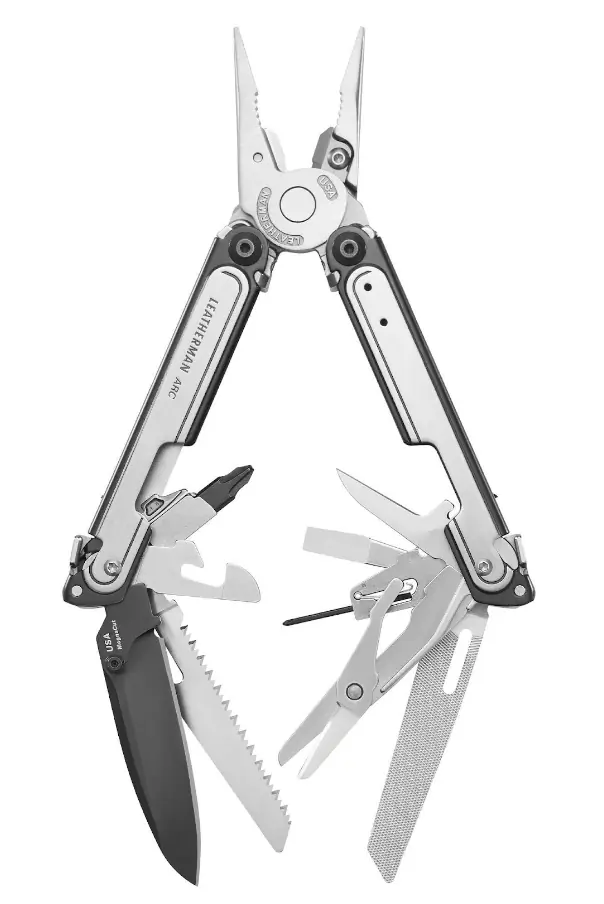
Credit: www.amazon.com
Purpose Of Serrations
Serrations on survival knives serve a clear and practical purpose. These small, saw-like teeth on the blade edge make the knife more versatile. They allow users to perform tasks that straight edges struggle with. Serrations enhance the knife’s ability to cut through various materials. They also improve grip and control during tough jobs. Understanding their purpose helps in choosing the right survival knife.
Cutting Tough Materials
Serrations excel at slicing through hard and fibrous materials. Rope, wood, and tough fabric become easier to cut. The teeth grip the surface and tear through without slipping. This design works well in outdoor survival situations. It allows quick and efficient cutting without dulling fast. Serrated edges handle tasks that plain edges find difficult.
Enhanced Grip And Control
The serrated edge provides better control over cutting motions. The teeth catch and hold onto the material firmly. This grip reduces the effort needed to cut tough objects. It also prevents the blade from slipping during use. Users can apply more force safely and accurately. Serrations add safety and precision to survival knife tasks.

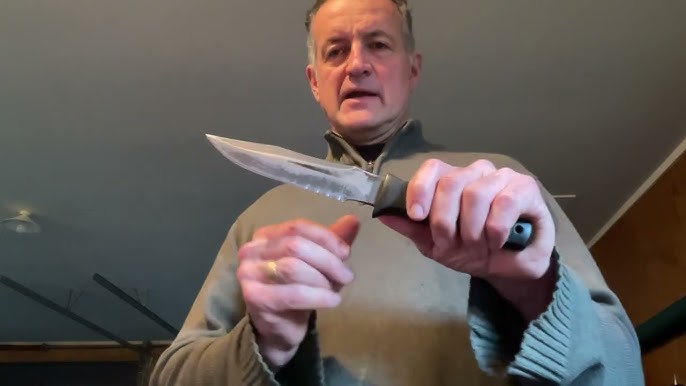
Credit: www.youtube.com
Types Of Serrations
Serrations on survival knives come in different styles. Each type serves a unique purpose. Understanding these types helps in choosing the right knife for your needs. The main categories are partial, full, and micro serrations.
Partial Serrations
Partial serrations cover a section of the blade edge. This design combines smooth and serrated edges. It allows for both slicing and sawing actions. Users can cut through ropes and perform fine tasks easily. This type is versatile for outdoor use.
Full Serrations
Full serrations extend along the entire blade edge. This style excels at cutting tough materials. It works well on fibrous items like cords and wood. The serrated edge grips better than a plain blade. Full serrations are ideal for heavy-duty survival tasks.
Micro Serrations
Micro serrations are very small and closely spaced. They offer a smoother cut than larger serrations. This type is great for detailed work and precision cutting. Micro serrations keep their sharpness longer. They balance sharpness with sawing ability well.
Survival Scenarios
Serrations on survival knives help cut tough materials like rope and wood more easily. They grip and saw through fibers, making tasks quicker in survival situations. These jagged edges add versatility beyond a plain blade’s smooth cut.
Survival Scenarios In survival situations, every tool you carry can make the difference between comfort and hardship. Your knife, a versatile companion, is no exception. The serrations on a survival knife are not just decorative; they serve critical functions that could aid in your survival. Let’s explore how these notches can be indispensable in various scenarios.Cutting Rope And Cordage
When you’re in the wild, rope and cordage become essential for building shelters, setting traps, or securing gear. Serrations can slice through tough ropes much faster than a plain edge. Imagine trying to saw through a thick piece of cordage with a smooth blade. The serrations grip and cut, making the task effortless and saving you precious energy.Preparing Food
Food preparation in survival situations can be challenging. Serrations are perfect for slicing through tough-skinned fruits or vegetables, and they handle meat with ease. Think about the last time you tried to cut a tomato with a dull knife. Serrations can grip the skin without squashing, giving you clean slices.Wood And Bark Processing
Gathering wood for fire or crafting tools is a necessity. Serrations excel in stripping bark and processing small branches into kindling. Envision trying to whittle a piece of wood with a straight blade. The serrated edge bites into the wood, allowing you to make quick work of the task without excessive exertion. Have you ever considered how a simple feature on a knife could be so multifunctional? In survival scenarios, the serrations on your knife aren’t just a bonus—they’re a necessity, transforming your tool into a multi-purpose lifesaver.Advantages Over Plain Edges
Serrations on survival knives offer clear advantages over plain edges. They help users perform tough tasks more efficiently. These jagged edges cut through materials that plain edges might struggle with. The design makes a difference in survival situations where every tool counts.
Improved Cutting Efficiency
Serrated edges grip and saw through fibers easily. They slice ropes, fabrics, and wood faster than smooth blades. The teeth create multiple cutting points. This action reduces the effort needed to cut hard or fibrous materials. It is especially useful outdoors, where quick and clean cuts matter.
Durability In Harsh Conditions
Serrations stay sharp longer than plain edges in rough use. The small points take less damage from rocks and dirt. They keep working even if some teeth dull. This makes serrated knives reliable in wet, muddy, or abrasive environments. Users can depend on them for extended survival tasks.
Care And Maintenance
Proper care and maintenance keep survival knives with serrations effective and durable. Serrated edges require special attention to stay sharp and clean. Regular upkeep prevents rust and damage. It also ensures the blade cuts smoothly when needed most.
Sharpening Serrated Edges
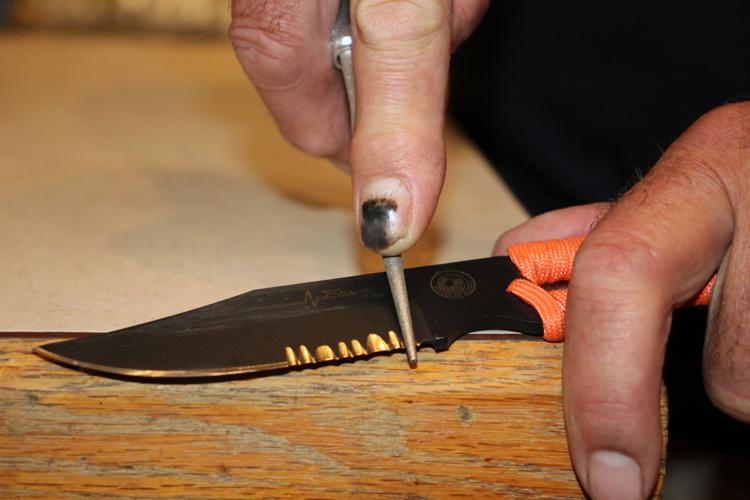
Serrated edges need a unique sharpening approach. Use a round sharpening rod that fits each serration. Gently move the rod inside the serration grooves. Follow the original angle of the serration to avoid damage. Sharpen each tooth separately for best results. Avoid flattening the serrations as it reduces cutting power. After sharpening, wipe the blade clean to remove metal filings.
Cleaning Tips
Clean serrated knives thoroughly after use. Food and debris can get stuck in the serrations. Use a soft brush or toothpick to remove dirt from grooves. Wash the blade with warm, soapy water. Rinse and dry the knife completely to prevent rust. Avoid soaking the knife in water for long periods. Store the knife in a dry place to keep the blade sharp and rust-free.
Credit: www.idahostatejournal.com
Choosing The Right Serration Style
Choosing the right serration style on a survival knife is key for its performance. Serrations affect how well the knife cuts through different materials. Some serrations work better on tough fibers, while others excel at slicing softer objects. Knowing the best style helps improve cutting efficiency and makes your knife more versatile.
Matching Serrations To Tasks
Different serration styles serve different purposes. Large, deep serrations cut through rope and wood easily. Fine serrations work well on meat and softer materials. Some knives have partial serrations for mixed uses. Pick serrations based on the tasks you expect to perform.
- Deep serrations: cut fibrous material like rope and fabric
- Fine serrations: slice soft items cleanly, like food or plastic
- Partial serrations: balance between slicing and sawing tasks
Balancing Serrations And Plain Edges
Many survival knives combine serrated and plain edges. This mix offers flexibility. The plain edge handles precise cuts and shaving. Serrations handle tougher cutting jobs without much effort. A good balance improves overall knife usability in different survival situations.
| Edge Type | Best Use |
|---|---|
| Plain Edge | Clean cuts, carving, food prep |
| Serrated Edge | Cutting fibrous materials, sawing |
| Combination Edge | Versatility, handles many tasks |
Frequently Asked Questions
What Purpose Do Serrations Serve On Survival Knives?
Serrations enhance cutting efficiency by gripping tough materials. They excel at sawing ropes, wood, and fibrous items where straight edges may slip. This feature improves versatility, making survival knives more effective in diverse outdoor tasks.
How Do Serrations Improve Cutting Performance?
Serrations create multiple cutting points that concentrate force. This design allows easier cutting through hard or slippery surfaces. They reduce effort needed, especially on fibrous or rough materials, boosting overall blade functionality in survival situations.
Are Serrated Edges Better Than Plain Edges For Survival?
Both edges have unique advantages. Serrated edges excel at cutting tough materials, while plain edges offer precision and easier sharpening. A survival knife with partial serrations combines these benefits for versatile use in the wild.
Can Serrations Damage Or Weaken A Survival Knife Blade?
Properly designed serrations do not weaken the blade. High-quality knives maintain structural integrity despite serrations. Regular maintenance ensures durability, making serrated survival knives reliable tools in demanding environments.
Conclusion
Serrations on survival knives help cut tough materials easily. They work well on ropes, wood, and fabric. These small teeth give extra grip and control. They make tasks faster and safer outdoors. Having serrations adds to a knife’s usefulness. Choosing a knife with serrations depends on your needs.
Now, you understand why these features matter. Serrations can be a helpful tool in many situations. Keep this in mind when picking your next knife.