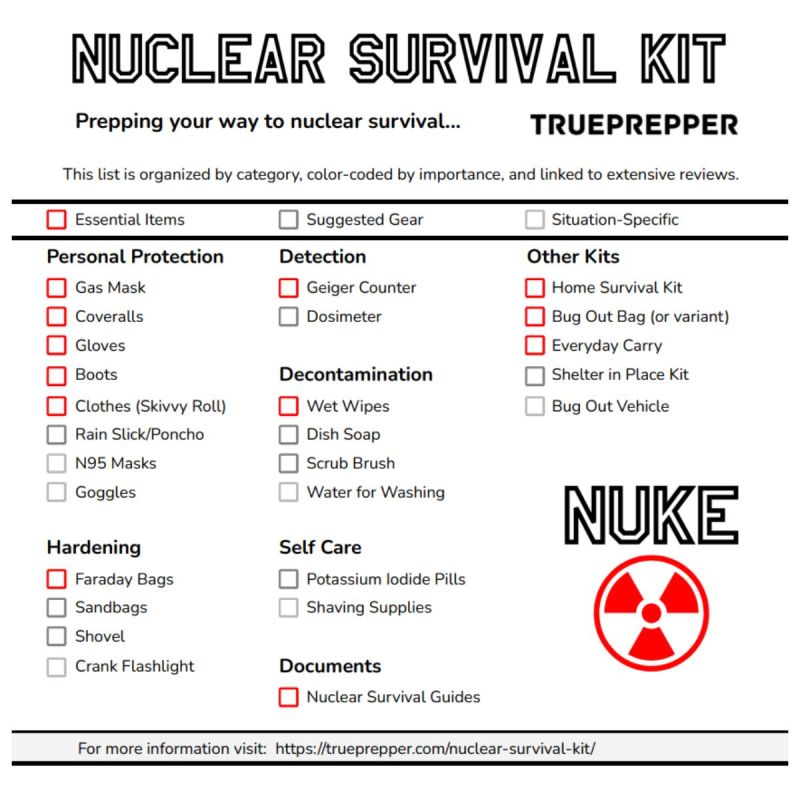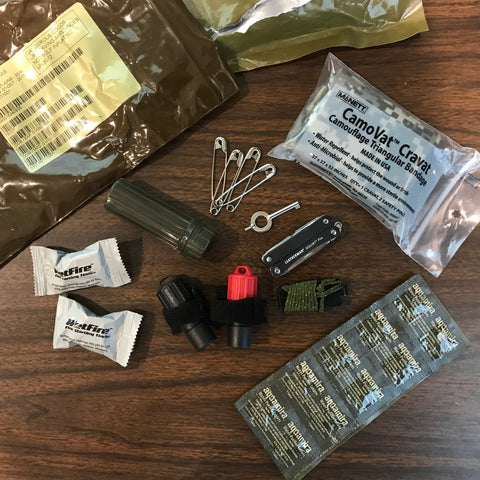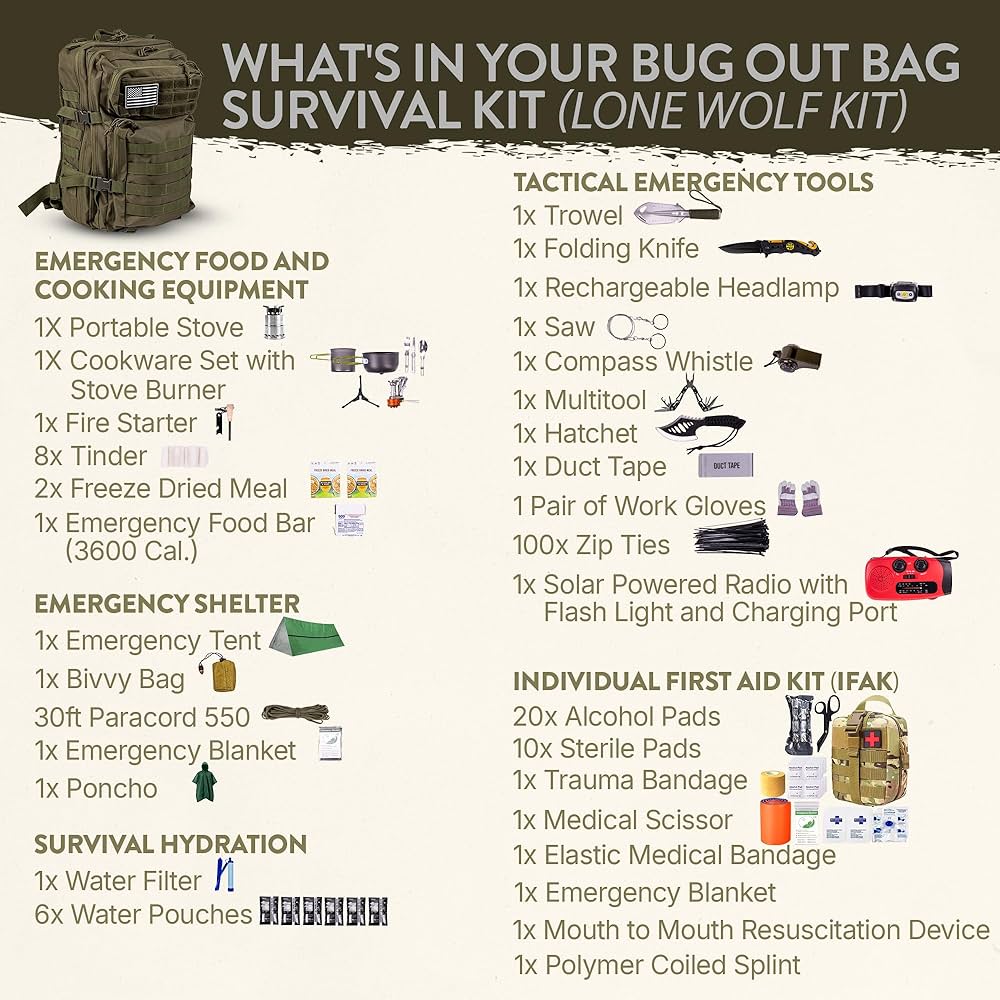
Imagine facing an unexpected emergency where every second counts. What do you reach for?
Your survival kit could be the difference between staying safe and struggling through a crisis. But what exactly do you need in a survival kit to be truly prepared? You’ll discover the essential items that can keep you alive and comfortable when things go wrong.
Keep reading, because your safety depends on having the right tools at your fingertips.

Credit: m.youtube.com
Basic Survival Tools
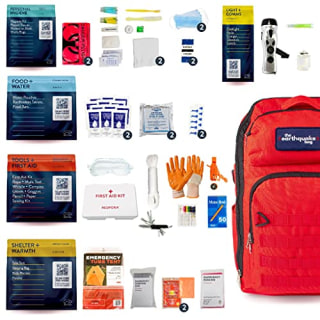
Having the right basic survival tools in your kit can make a huge difference when you face unexpected situations. These tools are the foundation for tackling challenges like building shelter, starting a fire, or signaling for help. Each item should be reliable and easy to use because in an emergency, simplicity saves time and energy.
Multi-tool And Knife
A good multi-tool is like having a small toolbox in your pocket. It combines several useful tools such as pliers, screwdrivers, and scissors, which can help with repairs or preparing food. Pair it with a sharp, sturdy knife—this is essential for cutting rope, carving wood, or even self-defense.
Think about the last time you tried to open a tough package without a proper blade. Now imagine needing to cut branches to build shelter. Would you want a dull or flimsy knife? Investing in quality tools is worth it.
Fire Starters
Starting a fire is critical for warmth, cooking, and signaling. Carry multiple fire starters like waterproof matches, a lighter, and a ferrocerium rod. These options cover different conditions—wet or windy—and increase your chances of success.
Have you ever struggled to light a fire with damp materials? A ferro rod can spark a flame even in tough weather, which is why it’s a favorite among survival experts. Make sure to practice using each fire starter before you need it.
Flashlight And Batteries
Light can be a lifesaver when darkness falls unexpectedly. A compact, durable flashlight helps you navigate and signal for help after sunset. Always pack extra batteries and consider a flashlight with a rechargeable option or hand crank.
Imagine being stranded at night without any light. How would you find your way or stay calm? Having reliable illumination gives you confidence and keeps you safe in uncertain conditions.
Credit: www.nbcnews.com
Water And Hydration
Water is vital for survival. Staying hydrated keeps your body working well. It helps control temperature and supports all organs. Without clean water, sickness risks rise quickly. A good survival kit must have ways to store and purify water.
Water Containers
Water containers hold your supply safely. Choose containers that are strong and leak-proof. Lightweight bottles work well for carrying. Larger jugs store more water at a camp. Collapsible containers save space when empty.
- Durable plastic bottles
- Metal water bottles
- Collapsible water bladders
- Wide-mouth jugs for easy filling
Clean containers before use. Label containers for fresh or treated water. Carry enough containers for your group and trip length.
Water Purification Methods
Water from natural sources may have germs. Purify water to avoid illness. Several methods make water safe to drink.
- Boiling:Boil water for at least one minute.
- Water purification tablets:Easy to carry and use.
- Portable water filters:Remove bacteria and sediments.
- UV light purifiers:Use UV rays to kill germs.
Each method has pros and cons. Carry more than one option for safety. Always follow instructions for best results.
Food Supplies
Food supplies are essential in any survival kit. They provide the energy needed to stay alert and active. Choose foods that last long without refrigeration. Pack items that are easy to carry and consume. Think about foods that give quick energy and nutrition.
Non-perishable Snacks
Non-perishable snacks are perfect for survival situations. They stay good for months or even years. Examples include:
- Trail mix with nuts and dried fruits
- Beef jerky or dried meat
- Crackers or rice cakes
- Canned fruits and vegetables
These snacks are lightweight and easy to store. They provide essential nutrients and keep hunger at bay.
Energy Bars And Supplements
Energy bars are compact and packed with calories. They help maintain strength during tough times. Choose bars with balanced carbs, fats, and proteins. Supplements like electrolyte tablets help replace lost minerals. Consider multivitamins to support overall health. These items are small but very effective in emergencies.
Shelter And Warmth
Shelter and warmth are crucial for survival in any emergency. They protect you from cold, wind, and rain. Staying dry and warm helps prevent hypothermia. Your survival kit must include reliable items to create shelter and keep heat.
Emergency Blankets
Emergency blankets are lightweight and compact. They reflect body heat back to you. These blankets block wind and rain too. Carry at least one per person in your kit. Easy to use and very effective for warmth.
Tents And Tarps
Tents provide solid shelter from harsh weather. Look for tents that are easy to set up. Tarps are versatile and lightweight alternatives. Use tarps to create quick shelters or ground cover. Both protect you from rain, wind, and cold.
Warm Clothing
Warm clothing is vital to keep your body heat. Pack layers like thermal shirts and insulated jackets. Avoid cotton; it traps moisture and cools the body. Wool and synthetic fabrics dry fast and keep warmth. Gloves, hats, and socks also matter a lot.
First Aid Essentials
First aid essentials are the backbone of any survival kit. They help you treat injuries quickly and prevent infections. Keeping these items ready can save lives in emergencies. Focus on items that are compact, versatile, and easy to use.
Bandages And Dressings
Bandages and dressings stop bleeding and protect wounds. Include various sizes for different injuries. Choose adhesive bandages for small cuts and gauze pads for larger wounds. Elastic bandages help secure splints or wrap swollen joints. Always pack sterile options to avoid infections.
Medications And Antiseptics
Medications reduce pain and fight infection. Pack pain relievers like ibuprofen or acetaminophen. Antiseptics clean wounds to prevent bacteria growth. Include alcohol wipes, hydrogen peroxide, or antiseptic creams. Allergy tablets and anti-diarrheal medicine add extra safety.
Tools For Injuries
Tools aid in treating injuries quickly. A pair of sharp scissors cuts bandages and clothing. Tweezers remove splinters or debris from wounds. Safety pins secure bandages or hold slings. Include disposable gloves to protect yourself and the injured person.

Credit: www.servpro.com
Navigation And Communication
Navigation and communication tools are essential in any survival kit. They help you find your way and call for help. Without these, you risk getting lost or isolated. Reliable tools improve your chances of rescue and safety.
Compass And Maps
A compass guides you through unfamiliar areas. It shows direction even without GPS. Maps give you a visual of the land. Together, they help you plan your route. Keep waterproof maps and a quality compass in your kit.
Whistles And Signal Mirrors
Whistles create loud sounds to attract attention. They use less energy than shouting. Signal mirrors reflect sunlight to send signals. Both are lightweight and easy to carry. Use them to alert rescuers from far away.
Emergency Radios
Emergency radios provide weather alerts and news. They keep you informed during disasters. Some radios can send distress signals. Choose a model with batteries or hand crank. This tool connects you with the outside world.
Personal Items
Personal items in a survival kit ensure you stay prepared beyond basic needs. These items help you manage identity, hygiene, and important information. They bring comfort and security in tough situations. Packing the right personal items can make a big difference.
Identification And Cash
- Keep a copy of your ID cards and driver’s license.
- Include emergency contact information on paper.
- Carry some cash in small bills for quick access.
- Store a few credit or debit cards safely.
Hygiene Supplies
- Pack travel-sized soap and hand sanitizer.
- Include a toothbrush and small toothpaste tube.
- Add wet wipes for quick cleaning.
- Consider feminine hygiene products if needed.
- Include a small towel or washcloth.
Important Documents
- Make copies of health insurance cards.
- Include any medical prescriptions or allergy info.
- Carry copies of your birth certificate or passport.
- Store documents in waterproof sleeves or bags.
- Keep digital backups on a USB drive if possible.
Additional Survival Gear
Additional survival gear can make a big difference in tough situations. These tools help you handle unexpected problems and stay safe longer. Carrying extra items beyond the basics prepares you for many challenges.
Simple gear often solves complex problems. Knowing what to bring helps you use your kit better. Focus on lightweight, multi-use items that save space and weight.
Cordage And Tape
Cordage and tape are must-haves in any survival kit. Strong rope or paracord helps build shelters, secure gear, and make traps. It also works for first aid, like making a tourniquet.
Tape, especially duct tape, sticks quickly and holds tight. It repairs torn clothes, gear, and even wounds in emergencies. Always carry some type of strong tape for quick fixes.
Duct Tape Uses
- Repair torn fabric and gear
- Seal leaks in water containers
- Make splints for broken bones
- Create makeshift bandages
- Secure items to packs or belts
- Build temporary shelters
Duct tape is light and easy to carry. Its many uses make it a survival essential.
Fishing And Trapping Tools
Fishing and trapping tools provide food in the wild. Small fishing kits with hooks, lines, and weights fit easily in a pocket. They help catch fish for fresh protein.
Basic trapping tools include snares made from cordage or wire. These traps catch small animals quietly and without much effort. Carry lightweight tools that work well in different environments.
Frequently Asked Questions
What Essential Items Belong In A Survival Kit?
A survival kit should include water, food, a first aid kit, fire starters, a flashlight, and a multi-tool. These items cover basic needs like hydration, nutrition, safety, and navigation.
How Do I Choose The Right Survival Kit Size?
Select a size based on your trip length and environment. A compact kit suits short hikes, while larger kits fit extended trips or harsh conditions.
Why Is A First Aid Kit Crucial In Survival Kits?
A first aid kit treats injuries and prevents infections. It includes bandages, antiseptics, and pain relievers, essential for safety during emergencies.
How Often Should I Update My Survival Kit?
Update your survival kit every six months. Check expiration dates, replace used items, and adjust supplies based on changing needs or seasons.
Conclusion
A good survival kit saves time and protects your life. It should have water, food, and first aid supplies. Tools like a knife, flashlight, and matches are important too. Keep it small and easy to carry. Regularly check and update your kit.
Being ready means feeling safer and more confident. Start building your kit today for peace of mind tomorrow. Simple steps can make a big difference in emergencies. Stay prepared, stay safe.