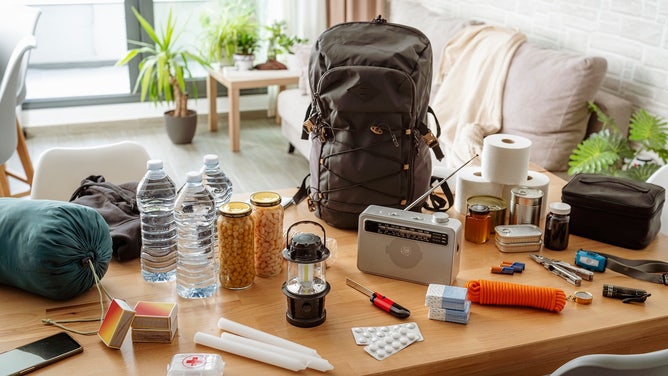
When a hurricane is on the horizon, being prepared can make all the difference for you and your loved ones. But what exactly do you need to pack in a hurricane survival kit?
You might think it’s just about water and snacks, but there’s more to it—items that can keep you safe, comfortable, and connected when power and supplies run out. Knowing what to include can ease your mind and help you act fast when every minute counts.
Keep reading to discover the essential things you should have ready before the storm hits. Your safety depends on it.

Credit: creators.yahoo.com
Basic Supplies
Having the right basic supplies in your hurricane survival kit can make all the difference during an emergency. These essentials support your health, safety, and comfort when power and services go offline. Think of this kit as your lifeline—it needs to cover your most immediate needs clearly and reliably.
Water And Hydration
Water is the most critical item in your kit. Aim for at least one gallon per person per day, enough for drinking and minimal hygiene. Bottled water is easy, but consider water purification tablets or a portable filter if you run out.
Have you checked your water supplies recently? Storing water in sturdy, sealed containers prevents contamination and ensures you stay hydrated even if the taps go dry.
Non-perishable Food
Food that lasts without refrigeration is your best choice. Think canned goods, dried fruits, nuts, and energy bars. These provide needed calories and nutrients without the risk of spoiling.
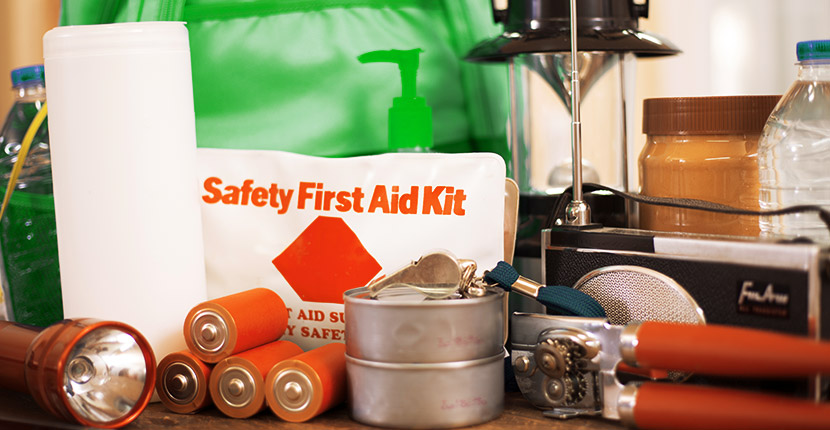
Include a manual can opener to avoid frustration. Variety also helps maintain morale—imagine relying on the same item for days. Mix protein, carbs, and fats to keep your energy up.
First Aid Essentials
Your kit should contain bandages, antiseptic wipes, adhesive tape, and pain relievers. Don’t forget any personal medications or allergy treatments. A compact first aid guide can help you respond to injuries confidently.
Handling minor cuts or burns promptly can prevent complications. Have you ever experienced delays because you lacked a simple bandage? Avoid that by stocking your kit thoughtfully.
Flashlights And Batteries
Power outages are common during hurricanes, so reliable light sources are vital. Pack several flashlights and plenty of extra batteries. LED flashlights tend to last longer and provide brighter light.
Consider headlamps to free your hands for tasks. Test your flashlights regularly and replace batteries as needed—darkness is a challenge you don’t want to face unprepared.
Communication Tools
Communication tools are essential in a hurricane survival kit. They help you stay informed and connected during emergencies. Power outages and poor signal can make communication difficult. Having reliable tools can save lives and reduce stress.
Battery-powered Radio
A battery-powered radio keeps you updated on weather alerts. It works without electricity, so it is very useful during outages. Choose a radio with NOAA weather channels. Pack extra batteries to ensure continuous use.
Mobile Phone Chargers
Mobile phones are vital for calling and texting. Include portable chargers or power banks in your kit. Solar chargers are great for long-term use. Keep charging cables ready and protect them in a waterproof case.
Whistles And Signal Devices
Whistles help attract attention if you are trapped or lost. They are small and easy to carry. Signal mirrors or flashing lights can also be useful. These tools work without power and can save precious time during rescue.
Personal Items
Personal items in a hurricane survival kit help maintain comfort and safety. These items support your health, identity, and rest during an emergency. Preparing these essentials ensures you face the storm with fewer worries.
Medications And Prescriptions
Keep a supply of all daily medications. Include extra doses for unexpected delays. Store them in waterproof containers. Don’t forget prescription glasses or contact lenses. Add basic first aid supplies like bandages and antiseptics.
Important Documents
Gather essential papers in a waterproof folder or bag. Include:
- Identification cards and passports
- Insurance policies and medical records
- Bank account and credit card information
- Emergency contact lists
These documents help with recovery and communication after the storm.
Clothing And Bedding
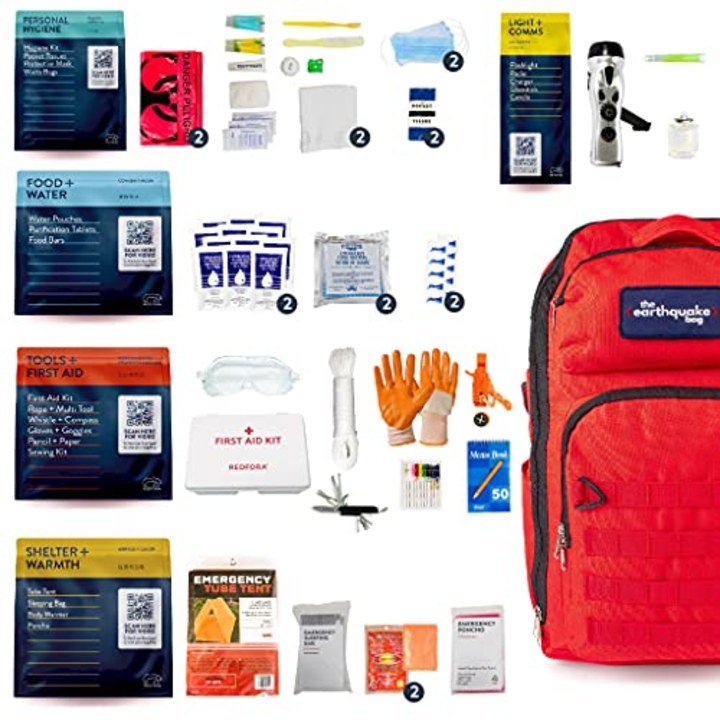
Pack enough clothes for several days. Choose lightweight, quick-dry fabrics. Include rain gear and sturdy shoes. Add blankets or sleeping bags for warmth and comfort. These items help you stay dry and rested in tough conditions.
Credit: www.nbcnews.com
Safety And Protection
Safety and protection are the cornerstones of any hurricane survival kit. Without the right gear and resources, you risk injury or worse during the storm and its aftermath. Preparing with the right items gives you confidence and a real chance to stay secure when disaster strikes.
Protective Gear
Protective gear shields you from hazards like flying debris, sharp objects, and contaminated water. Include sturdy gloves to handle debris safely and heavy-duty boots to protect your feet from nails or glass. A hard hat can prevent head injuries, while safety goggles guard your eyes from dust and rain.
Think about the environment you’ll face: Is flooding likely? Add waterproof clothing or rain ponchos to keep dry and reduce the risk of hypothermia. Don’t forget a reliable flashlight or headlamp to navigate through dark, damaged areas without risking falls or cuts.
Multi-tool And Utility Items
A good multi-tool is a lifesaver when power is out and resources are limited. It combines pliers, knives, screwdrivers, and more into one compact device. This versatility helps you with quick repairs, opening cans, or even first aid tasks.
Other utility items to include are duct tape, zip ties, and a whistle. Duct tape can temporarily fix leaks or secure loose objects, while zip ties hold gear together or fix broken items. A whistle helps you signal for help if trapped or separated from others.
Cash And Emergency Funds
Electronic payments might not work during or right after a hurricane. Having cash on hand ensures you can buy essentials like food, water, or fuel. Small bills are best—they’re easier to use for purchases in emergencies.
Consider setting aside a specific emergency fund before hurricane season. This fund can cover unexpected expenses or help you relocate if necessary. How prepared are you to handle a sudden financial need during a storm?
Special Needs
Special needs require extra attention in a hurricane survival kit. People with babies, pets, or disabilities have unique items. These essentials keep them safe and comfortable during emergencies. Preparing these items ahead helps reduce stress and ensures everyone’s well-being.
Baby Supplies
- Diapers and wipes
- Formula or breast milk storage
- Baby food and snacks
- Bottles and pacifiers
- Extra clothes and blankets
- Medications and a first aid kit
- Toys or comfort items
Pet Care Items
- Food and water for at least three days
- Bowls for food and water
- Leashes, collars, and ID tags
- Pet medications and medical records
- Sanitation supplies like poop bags
- Comfort items like blankets or toys
- Carrier or crate for transport
Elderly And Disability Aids
- Prescription medications and copies of prescriptions
- Mobility aids such as walkers or canes
- Hearing aids with extra batteries
- Glasses and contact lens supplies
- Medical alert devices
- Special dietary items
- Personal hygiene products
Credit: www.batteriesplus.com
Home Preparation Supplies
Preparing your home for a hurricane means more than just boarding up windows. You need supplies that help protect your living space and make cleanup easier once the storm passes. Gathering the right home preparation supplies can give you peace of mind and reduce damage to your property.
Plastic Sheeting And Tape
Plastic sheeting is a versatile tool during hurricane season. Use it to cover broken windows or create temporary barriers against rain and wind. Strong tape, like duct tape, helps secure the plastic tightly, preventing water from seeping inside.
I once had to patch a shattered window with plastic sheeting taped on all sides. It wasn’t perfect, but it kept the water out and saved my furniture from soaking. Do you have enough plastic sheeting and tape ready before the storm hits?
Cleaning Materials
After the hurricane, cleaning becomes a priority to prevent mold and remove debris. Stock up on heavy-duty gloves, disinfectants, trash bags, and scrub brushes. These items will help you tackle mud, fallen leaves, and other messes quickly and safely.
Waiting to buy cleaning supplies until after the storm can be a mistake. Stores often run out fast, and the quality of what’s left may be poor. How prepared are you to start cleanup right after the hurricane passes?
Extra Fuel And Power Sources
Power outages are common during hurricanes, so you need backup options. Store extra fuel for generators and gas-powered tools in approved containers. Also, consider portable power banks and solar chargers to keep essential devices running.
I learned the hard way that having just one tank of gas for the generator wasn’t enough during a long outage. Fuel ran low, and so did my ability to keep the fridge cold. Have you calculated how much fuel and backup power you might need?
Frequently Asked Questions
What Essential Items Go In A Hurricane Survival Kit?
A hurricane survival kit must include water, non-perishable food, a flashlight, batteries, a first aid kit, and important documents. Also, pack a battery-powered radio, medications, and personal hygiene items to stay safe and prepared during an emergency.
How Much Water Should I Pack For A Hurricane Kit?
You should pack at least one gallon of water per person per day. Plan for a minimum of three days to ensure hydration during the hurricane and possible power outages or water supply disruptions.
Why Include A Battery-powered Radio In The Kit?
A battery-powered radio provides essential updates when power and internet fail. It keeps you informed about weather alerts, evacuation orders, and emergency instructions during a hurricane.
Should I Add Personal Documents To The Hurricane Kit?
Yes, include copies of IDs, insurance papers, medical records, and bank info. These documents help with recovery and verification if you need to evacuate or seek assistance.
Conclusion
A hurricane survival kit keeps you safe during storms. Pack water, food, first aid, and important documents. Don’t forget flashlights, batteries, and a radio. These items help you stay calm and prepared. Regularly check and update your kit. Stay ready for any emergency.
Safety starts with preparation and smart choices. A well-packed kit gives peace of mind. Keep your family protected when the weather turns bad. Simple steps today can save lives tomorrow.