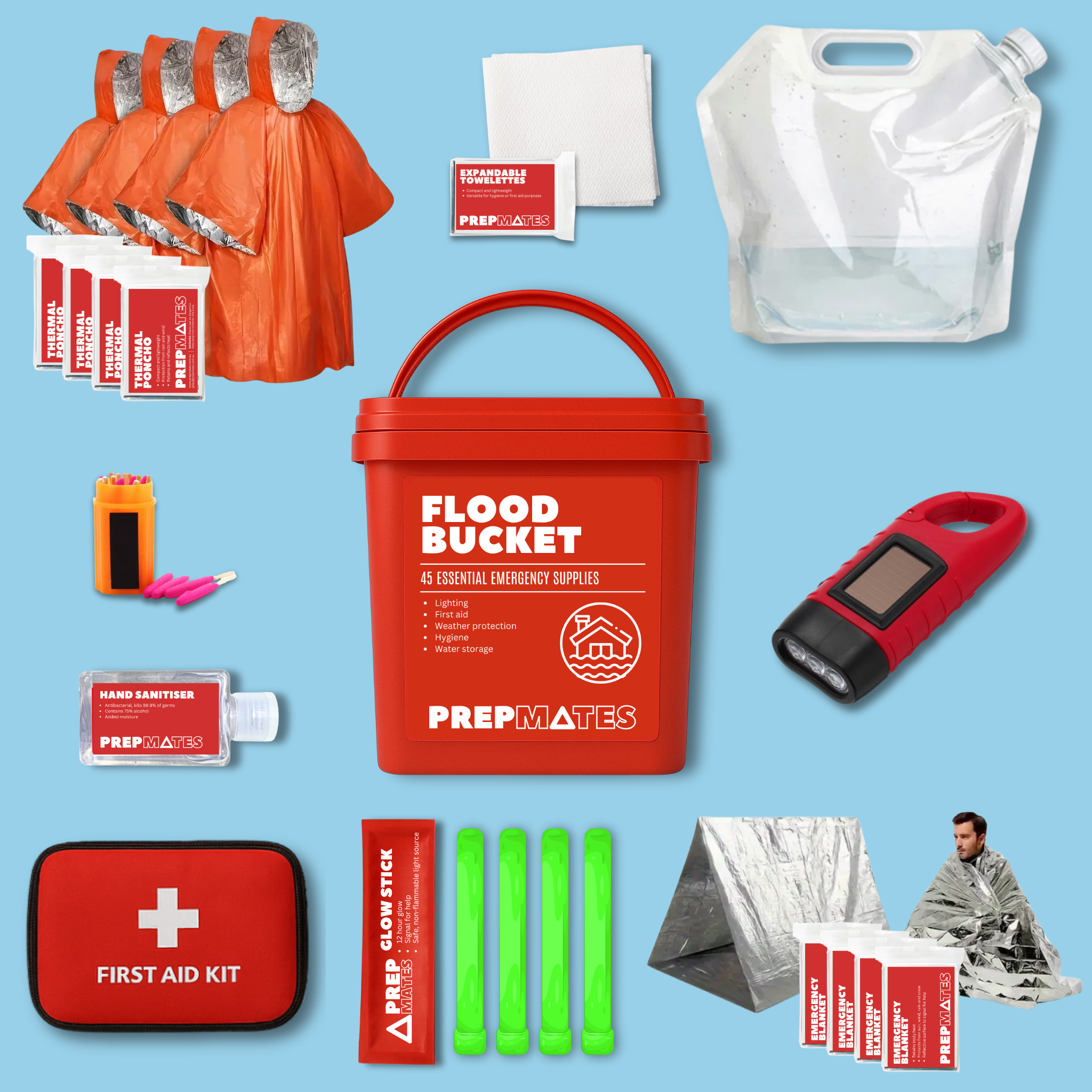
When a flood strikes, every second counts. Do you have the right tools to keep you and your loved ones safe?
A well-packed flood survival kit can make all the difference between staying secure and facing danger unprepared. You’ll discover exactly what you need to include in your kit to protect yourself, stay comfortable, and respond quickly when water levels rise.
Don’t wait for an emergency to find out what’s missing—read on and make sure your flood survival kit is ready to go.
Credit: www.nbcnews.com
Water And Hydration Supplies
Water is the cornerstone of any flood survival kit. Without enough clean water, your body’s ability to function deteriorates quickly. You need reliable hydration sources and tools to ensure your safety when floodwaters cut off your usual supply.
Bottled Water
Start by stocking up on bottled water. Aim for at least one gallon per person per day, enough for drinking and minimal hygiene. Bottled water is convenient and safe, but remember it has a shelf life, so rotate your stock regularly.
Think about storage space and temperature—hot environments can degrade plastic bottles. Choose sturdy containers that won’t easily puncture or leak during a flood. Have more than you think you’ll need; emergencies often last longer than expected.
Water Purification Tools
What if your bottled water runs out or gets contaminated? Having water purification tools can be a lifesaver. Portable water filters, purification tablets, and UV purifiers help you make unsafe water drinkable.
For example, a compact filter straw lets you drink directly from streams or flooded areas after filtering out harmful bacteria. Tablets are lightweight and easy to carry but require waiting time before drinking. UV purifiers use light to kill germs quickly but need batteries or power.
Choosing a combination of these tools prepares you for different situations. Would you feel confident drinking water from an unknown source without these tools? Preparing now means you won’t have to face that question in an emergency.

Credit: m.youtube.com
Food And Nutrition
Food and nutrition are essential in a flood survival kit. Staying nourished helps maintain energy and focus. Proper food choices support your body through stressful situations. Choose foods that last long and provide enough calories.
Non-perishable Foods
Non-perishable foods do not spoil quickly. They are easy to store and carry. Canned goods, dried beans, and rice are good options. These foods stay safe without refrigeration.
- Canned vegetables and fruits
- Dried pasta and grains
- Powdered milk and soup mixes
- Vacuum-sealed tuna or chicken
Always check expiration dates before packing. Store food in waterproof containers to avoid damage.
High-energy Snacks
High-energy snacks boost stamina and keep hunger away. They are easy to eat on the move. Choose snacks rich in protein and healthy fats.
- Nut butters in small packets
- Energy bars and granola bars
- Dried nuts and seeds
- Trail mix with dried fruits
These snacks provide quick fuel during emergencies. Keep a mix of sweet and salty options for variety.
Clothing And Protection
Clothing and protection are essential in a flood survival kit. Staying dry and warm can prevent illness and discomfort. Proper gear helps you move safely through wet and cold environments. Choosing the right items can make a big difference in a flood emergency.
Waterproof Gear
Waterproof gear keeps water away from your body. This gear includes waterproof jackets, pants, and boots. Rubber boots protect your feet from muddy water and sharp objects. A waterproof jacket stops rain and floodwater from soaking your clothes. Gloves made from waterproof materials protect your hands and keep them warm. Carrying a waterproof bag can keep important items dry.
Warm Clothing
Warm clothing helps maintain your body heat. Floods often cause cold and damp conditions. Pack thermal underwear and wool socks to stay warm. A fleece or insulated jacket adds extra warmth. Avoid cotton clothing because it holds moisture and cools you down. Layer your clothes for flexibility in changing weather. Hats and scarves protect your head and neck from cold air.
First Aid And Health
Keeping your health in check during a flood is not just about comfort—it’s essential for survival. Flood conditions often lead to injuries, infections, and stress on your body. A well-prepared first aid and health kit can make all the difference when help is far away.
Basic Medical Supplies
Your flood survival kit should include essential medical tools that address common injuries. Bandages, gauze pads, adhesive tape, and antiseptic wipes help treat cuts and scrapes quickly to prevent infection.
Don’t forget a pair of sturdy scissors and tweezers; they’re invaluable for removing debris or cutting tape. Adding disposable gloves keeps you safe from germs while treating wounds. A digital thermometer helps you monitor fever, which is a sign you shouldn’t ignore during stressful flood conditions.
Medications
Think about the medications you and your family need daily. Stock extra doses of prescription drugs to last at least a week, as pharmacies might be inaccessible during floods.
Include over-the-counter pain relievers, antihistamines, and anti-diarrheal medicines. These can manage common symptoms when medical help isn’t nearby. Have you considered adding electrolyte packets? They help maintain hydration when water supplies are compromised.
Tools And Equipment
Tools and equipment form the backbone of any flood survival kit. They help you stay safe, find your way, and manage emergencies. Proper tools can make a big difference in tough situations. Compact, reliable, and easy-to-use items work best.
Flashlights And Batteries
Light sources are crucial when power fails. A strong flashlight helps you move safely in the dark. Choose LED flashlights for long battery life and bright light. Pack extra batteries to avoid running out of power.
- Waterproof or water-resistant flashlights last longer in wet conditions.
- Headlamps free up your hands for other tasks.
- Store batteries in a dry, cool place.
Multi-tools And Knives
Multi-tools combine several functions in one compact device. They often include pliers, screwdrivers, scissors, and knives. A sharp knife is vital for cutting ropes, opening packages, or preparing food.
- Choose tools with sturdy, rust-resistant materials.
- Practice using the tool before an emergency.
- Keep the knife safely sheathed to avoid injury.
Emergency Radio
An emergency radio keeps you informed during floods. It receives weather alerts and news updates. Look for radios with hand-crank or solar power options. This ensures use without batteries or electricity.
- Some radios include a built-in flashlight or phone charger.
- Check the radio’s reception range for your area.
- Test the radio regularly to ensure it works.
Shelter And Comfort
Having reliable shelter and comfort items in your flood survival kit can make a huge difference when you’re stuck in challenging conditions. Staying dry and warm protects you from hypothermia and keeps your spirits up. You don’t want to focus on discomfort when every minute counts.
Emergency Blankets
Emergency blankets are lightweight and compact, but their value is enormous. They reflect body heat back to you, which can be lifesaving if you’re wet and cold. I once used one during a heavy rainstorm; it kept me warm while I waited for help.
Keep a few in your kit—they don’t take up much space but provide instant warmth. Look for blankets made of Mylar or similar heat-retaining materials. You can also use them to cover wet clothing or create a makeshift shelter.
Tents And Tarps
Tents and tarps provide essential protection from rain, wind, and insects. A small, waterproof tent can offer a dry, secure place to rest. Tarps are versatile; you can hang them between trees to create a quick shelter or lay them on the ground to stay dry.
Choose a tent or tarp that is easy to set up and pack. Consider the size—too large adds weight, but too small might not shield you adequately. Think about your environment: Will you need extra ventilation? Will you be exposed to strong winds?
Communication And Documentation
Communication and documentation are vital in a flood survival kit. Staying connected can save lives and reduce panic. Clear records help prove identity and access aid. These tools keep you informed and prepared.
Important Documents
Keep copies of essential papers in a waterproof bag. Include:
- Identification cards and passports
- Medical records and prescriptions
- Insurance policies and property deeds
- Emergency contact information
- Bank account details
Having these documents ready speeds up recovery. It helps authorities and relief workers assist you quickly.
Whistles And Signal Devices
Whistles can alert rescuers if trapped or lost. They are loud and easy to use. Carry a whistle in your survival kit for emergencies.
Other signal devices include:
- Flashlights with extra batteries
- Reflective mirrors
- Portable radios for weather updates
These tools improve your chances of being found. They provide vital communication when phones fail.

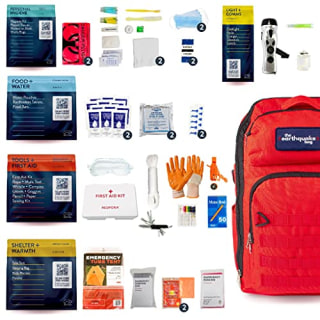
Credit: www.amazon.ca
Personal Hygiene Items
Personal hygiene items are vital in a flood survival kit. They help prevent illness and keep you comfortable during tough times. Cleanliness reduces the risk of infections and skin problems. Including essential hygiene products ensures you stay healthy while dealing with flood conditions.
Sanitation Supplies
Sanitation supplies maintain cleanliness and stop the spread of germs. Pack items like:
- Disposable wipes or wet towels for quick cleaning
- Toilet paper or tissue packs
- Plastic bags for waste disposal
- Feminine hygiene products for women
- Portable toilet or bucket with lid
These supplies make handling personal waste easier and more hygienic. They also help keep your living area clean and safe.
Hand Sanitizers
Hand sanitizers kill germs when water is scarce. Choose a sanitizer with at least 60% alcohol. Small, travel-sized bottles are easy to carry and use often. Use hand sanitizer before eating or touching your face. This simple habit lowers the chance of illness during a flood emergency.
Special Considerations
Preparing a flood survival kit requires more than just the basics. You need to think about the unique needs of everyone in your household. Special considerations ensure that your kit supports every member, making sure no one is left vulnerable when disaster strikes.
Items For Children
Children have specific needs that adults might overlook. Include comfort items like a favorite small toy or blanket to help ease anxiety during stressful times. Pack child-friendly snacks and drinks that are easy to eat and digest.
Don’t forget essentials like diapers, wipes, and extra clothing if you have babies or toddlers. A list of emergency contacts and any medications your child takes should be stored in a waterproof bag. Have you thought about how your child might feel being in a strange environment? Small comforts can make a big difference.
Pet Supplies
Your pets rely on you just as much as your family during a flood. Add enough pet food and water for at least three days, plus bowls for feeding and hydration. Include any medications, leashes, and carriers to keep your pets safe and secure.
Pets can get stressed and scared during emergencies. A familiar blanket or toy can help calm them. Have you prepared for how you will transport your pets if you need to evacuate quickly? Planning this ahead can save precious time and reduce panic.
Frequently Asked Questions
What Essential Items Are In A Flood Survival Kit?
A flood survival kit must include water, non-perishable food, a flashlight, batteries, a first aid kit, and important documents. Also pack waterproof clothing, a whistle, and a portable phone charger to ensure safety and communication during floods.
How Much Water Should I Pack For Flooding Emergencies?
Pack at least one gallon of water per person per day for at least three days. This amount covers drinking and basic hygiene needs during a flood emergency when clean water may be unavailable.
Why Is A First Aid Kit Important In A Flood Kit?
A first aid kit helps treat injuries and prevent infection during floods. It should include bandages, antiseptics, pain relievers, and any personal medications to handle minor medical emergencies safely.
Should I Include Important Documents In My Flood Kit?
Yes, keep copies of IDs, insurance policies, and medical records in waterproof bags. These documents are vital for identification and recovery after flood damage or evacuation.
Conclusion
A flood survival kit saves lives during emergencies. Pack clean water, food, and first aid supplies. Include a flashlight, batteries, and important documents. Don’t forget clothes and blankets to stay warm. Keep tools like a whistle and multi-tool nearby. Regularly check and update your kit items.
Being ready means acting fast and staying safe. A well-prepared kit brings peace of mind. Start building your flood survival kit today. Stay safe and protect your loved ones.