Imagine having a tiny, powerful survival kit right in your pocket. You can carry it anywhere, and it could be a lifesaver in unexpected situations.
Building an Altoids tin survival kit is simple, affordable, and fun. In this guide, you’ll learn exactly what to include and how to pack it efficiently. By the end, you’ll have a compact kit ready to help you stay safe and prepared.
Keep reading—you won’t want to be without this handy tool.

Credit: grimworkshop.com
Choosing The Right Altoids Tin
Choosing the right Altoids tin sets the foundation for a practical survival kit. The tin must protect your tools and keep them organized. Picking a tin that fits your needs ensures you carry essentials without excess bulk.
Size And Material
Altoids tins come in various sizes. The most common size is small and compact, perfect for a minimalist kit. Larger tins offer more space but can be bulky to carry. Choose a size that balances capacity and portability.
Most tins are made of metal. Metal tins are durable and protect contents from damage. They also keep water and dust out. Avoid plastic containers since they may break easily.
Preparing The Tin
Start by cleaning the tin thoroughly. Remove any leftover mints and wash with soap and water. Dry it completely to prevent rust. Consider sanding rough edges inside the tin for safety.
Line the inside with foam or cloth to cushion fragile items. This prevents rattling and damage during movement. Adding a waterproof seal or tape around the edges can improve water resistance.
Essential Survival Items
Building an Altoids tin survival kit means packing only the essentials that can keep you safe and secure in unexpected situations. Every item you choose should serve a clear purpose and fit neatly into the compact space. Think about what you really need to survive—fire, water, shelter, and basic medical care.
Fire Starters
Fire is critical for warmth, cooking, and signaling for help. Include waterproof matches or a mini lighter for reliable ignition. Adding a small piece of magnesium or a ferrocerium rod can give you backup options if your primary fire starter fails.
Don’t forget tinder like cotton balls soaked in petroleum jelly—they ignite easily and burn longer. Could you start a fire quickly if it was your only tool?
Cutting Tools
A sharp blade is one of the most versatile tools you can carry. A small folding knife or a multi-tool with a blade fits perfectly in an Altoids tin. It can help you prepare food, cut rope, or fashion other tools from natural materials.
Include a small pair of scissors or a metal file if space allows—they can handle delicate tasks that knives can’t. Have you ever struggled without a proper cutting tool in an emergency?
Water Purification
Drinking clean water is vital, but bulky filters won’t fit in a tiny tin. Instead, pack water purification tablets or a tiny bottle of iodine solution. These lightweight options can kill harmful bacteria and viruses in water.
Also, consider adding a folded piece of clean cloth to filter out debris before purification. What’s your plan if you find water but no way to make it safe?
First Aid Supplies
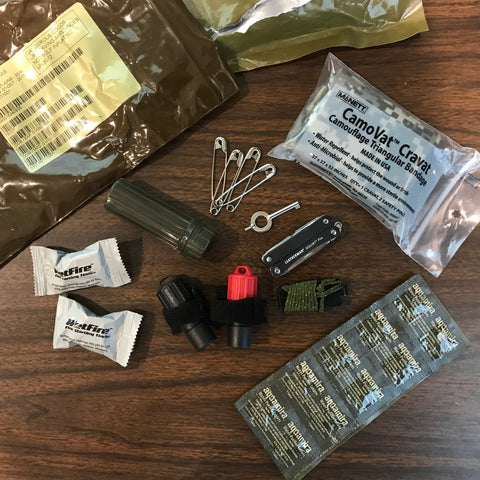
Minor injuries can turn serious without prompt care. Include adhesive bandages, antiseptic wipes, and a small tube of antibiotic ointment. A few safety pins can double as sutures or help secure bandages.
Don’t overlook pain relief tablets and any personal medications you might need. How ready are you to handle cuts or burns on the spot?
Shelter And Warmth
Protection from the elements can save your life. Pack a space blanket or a small piece of mylar—it’s lightweight and packs down tiny. A few feet of paracord can help you build a shelter or secure gear.
Adding a small candle can provide both light and heat in a pinch. What would you use to stay warm if you were caught outside overnight?
Organizing Your Kit
Organizing your Altoids tin survival kit is key to making it truly useful when you need it most. A well-arranged kit saves time and reduces stress in emergencies. You want to be able to find every item quickly, without digging through a mess.
Packing Techniques
Start by grouping similar items together. Keep first aid supplies in one small bag, fire-starting tools in another, and fishing gear separate. This prevents items from shifting and getting tangled inside the tin.
Roll or fold items tightly to maximize space. For example, wrap a small fishing line spool with hooks around a piece of cardboard to keep it neat. Think about how you can compress bulky items without damaging them.
Consider the order of use. Place the most critical items on top or in an easily accessible spot. If you need to light a fire fast, your lighter or matches should be right at the surface.
Using Compartments And Containers
Adding small containers inside your Altoids tin helps keep everything in place. Tiny plastic boxes, film canisters, or even bottle caps work great for holding tiny items like pills, needles, or matches.
Dividers made from foam or cardboard can create separate sections inside the tin. This stops items from mixing and makes your kit feel more organized. You can cut foam to fit snugly inside and carve out spaces for specific tools.
Have you tried using rubber bands or zip ties to bundle items? They keep groups secure and prevent them from rattling around. This simple trick can turn a chaotic kit into a streamlined survival tool.
Customizing For Your Needs
Creating an Altoids tin survival kit is just the beginning. To make it truly useful, you need to tailor it specifically for your environment and activities. Customizing your kit ensures you carry the right tools, making your survival experience smoother and safer.
Climate Considerations
Think about the climate where you’ll use your kit. If you live in a wet or humid area, adding waterproof matches or a small lighter with a waterproof case is essential. In dry climates, fire starters like magnesium shavings or cotton balls soaked in petroleum jelly work better.
Cold weather demands extra attention. Include hand warmers, a small emergency blanket, or chemical heat packs if you expect freezing temperatures. For hot climates, focus on compact water purification tablets and a small, foldable water container to stay hydrated.
What weather conditions have caused you the most trouble outdoors? Adjusting your kit to those challenges can save you a lot of stress.
Activity-specific Items
Your kit should match the activities you plan to do. If hiking is your main focus, add a mini compass, a whistle for signaling, and a small first aid item like blister pads. For fishing trips, a few small hooks and fishing line fit perfectly inside the tin.
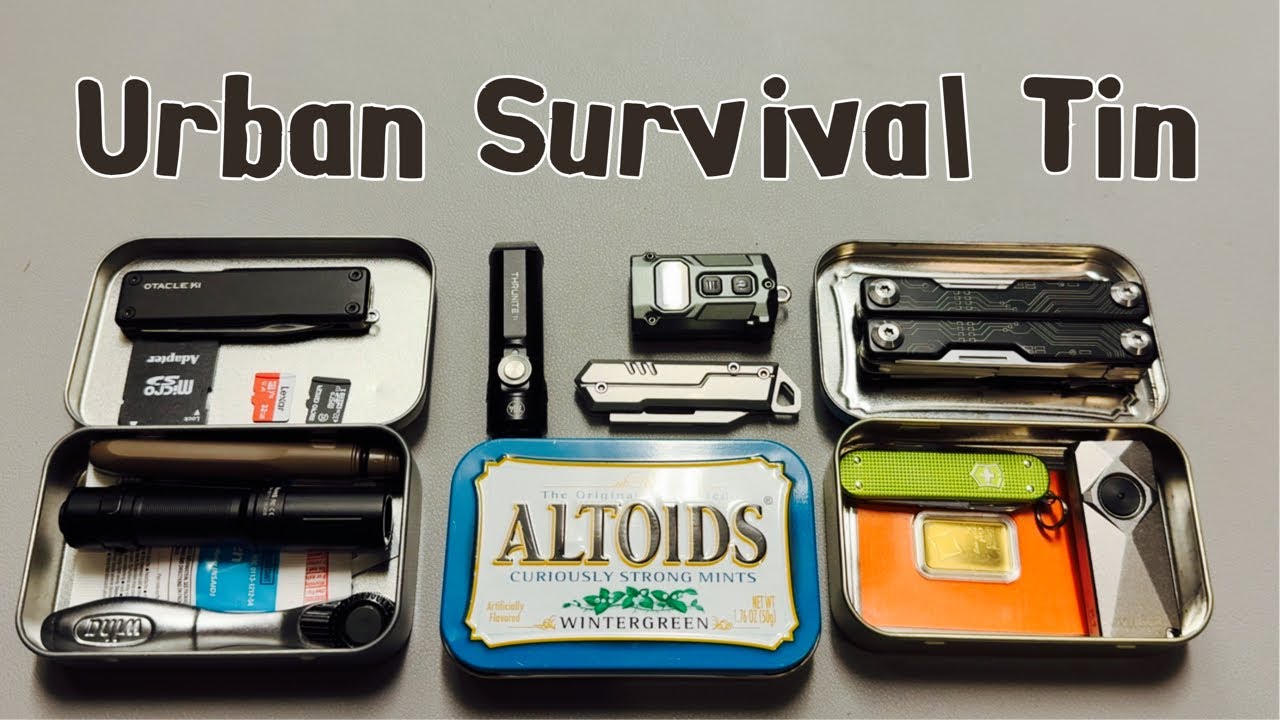
If you’re an urban commuter, include items such as a small multi-tool, a mini flashlight, and a compact face mask. These can help in unexpected situations like power outages or crowded public transport.
Think about your last outdoor adventure. What did you wish you had on hand? Including those specific tools will make your Altoids tin kit feel like it was made just for you.
Maintenance And Updates
Keeping your Altoids tin survival kit ready is very important. Regular maintenance makes sure it works well in emergencies. Updating your kit keeps everything fresh and useful.
Small kits can lose value if items expire or get used up. Check your kit often to avoid surprises. A well-maintained kit gives peace of mind.
Checking Expiry Dates
Look at each item’s expiry date regularly. Medicines, batteries, and food can expire quickly. Expired items may not work or could be unsafe.
Use a calendar reminder every few months. Replace anything past its date. This keeps your kit reliable and safe to use.
Replacing Used Items
After using any item, replace it immediately. A missing tool can cause problems later. Keep a list of what you need to restock.
Check all compartments to find used or damaged items. Swap them with fresh ones to keep your kit complete. This step keeps your survival kit ready at all times.

Credit: grimworkshop.com

Credit: grimworkshop.com
Frequently Asked Questions
What Items Are Essential For An Altoids Tin Survival Kit?
Essential items include a mini flashlight, waterproof matches, fishing line, small knife, bandages, and a whistle. These tools cover basic survival needs like fire, shelter, and first aid in a compact space.
How Do I Organize Supplies Inside An Altoids Tin?
Use small plastic bags or foam inserts to separate items. Arrange them by priority and size for easy access and to prevent damage during transport.
Can An Altoids Tin Survival Kit Fit In A Pocket?
Yes, Altoids tins are compact and lightweight, making them ideal for pocket carrying. This portability ensures you always have essential survival tools on hand.
How Long Can An Altoids Tin Survival Kit Last?
With proper maintenance, the kit can last years. Replace perishable items regularly and check tools for rust or wear to ensure readiness.
Conclusion
Making an Altoids tin survival kit is simple and useful. Carrying one helps you stay ready for small emergencies. Choose items that fit well and serve many purposes. Keep your kit light, compact, and easy to open. Regularly check and update your supplies for safety.
A small kit can make a big difference outdoors or at home. Start building yours today, and feel more confident tomorrow. Survival is about being prepared, even in small ways.