When it comes to survival, your knife can be your best friend or your biggest weakness. You might be wondering, are hard knives really good for survival?
The answer isn’t as simple as you think. Choosing the right knife could mean the difference between staying safe or facing serious trouble. You’ll discover what makes a hard knife special and whether it fits your survival needs. Keep reading, because what you learn here could change how you prepare for your next adventure.
Hard Knives In Survival
Hard knives are often a hot topic among survival enthusiasts. The hardness of a knife directly affects its durability, edge retention, and overall performance in tough situations. Understanding what makes a knife hard can help you decide if it fits your survival needs.
What Makes A Knife Hard
Knife hardness is measured on the Rockwell scale, usually between 50 and 65 for survival knives. The higher the number, the harder the blade. Hardness depends mainly on the steel type and the heat treatment process it undergoes.
A harder knife holds its edge longer, meaning less frequent sharpening during survival tasks. However, very hard knives tend to be more brittle and can chip or break if used improperly. Balancing hardness with toughness is key to choosing a reliable survival knife.
Types Of Hard Knife Materials
Different steels offer different hardness levels and characteristics. Here are some common materials used in hard survival knives:
- Carbon Steel:Known for excellent hardness and edge retention. Requires regular maintenance to prevent rust.
- High Carbon Stainless Steel:Combines hardness with corrosion resistance. A popular choice for survival knives.
- Tool Steel (e.g., D2, O1):Offers high hardness and wear resistance. Great for heavy-duty use but can be prone to rust.
- Powder Metallurgy Steel:Provides superior hardness and toughness. Often found in premium survival knives.
Choosing the right hard knife material depends on your environment and survival needs. Do you value edge retention over ease of maintenance? Or is rust resistance a priority where you live?

Credit: www.nothingbutknives.com
Advantages Of Hard Knives
Hard knives bring several clear advantages that can make a big difference when you rely on your blade in survival situations. Their unique properties often mean you get a tool that can withstand demanding tasks without letting you down. Understanding these benefits will help you decide if a hard knife suits your survival needs.
Durability And Strength
Hard knives are built to last. The increased hardness means the blade resists bending or breaking under pressure, which is crucial when you’re chopping wood or prying open containers.
I once had a softer blade snap during a camping trip while trying to split kindling. A hard knife would have saved me time and frustration. You want a knife that stands strong through tough jobs, not one that fails when you need it most.
Edge Retention
One of the biggest perks of hard knives is how well they keep their edge. This means less sharpening, which is a huge advantage when you’re out in the wild without easy access to tools.
Imagine spending hours cutting rope or preparing food and not having to stop to sharpen constantly. This saves you time and keeps your focus on survival tasks. Hard knives hold their sharpness longer, making them more reliable companions.
Performance In Tough Conditions
Survival scenarios often put knives through extreme conditions like moisture, dirt, and temperature changes. Hard knives typically perform better because they resist wear and corrosion more effectively.
Have you ever faced a rusty blade that just wouldn’t cut through wet wood? Hard knives reduce that risk. Their toughness ensures they function well even when the environment works against you.
Drawbacks Of Hard Knives
Hard knives have their place in survival scenarios. They offer excellent edge retention and cutting power. Yet, they come with drawbacks that one must consider. Understanding these limitations can aid in choosing the right tool.
Brittleness And Chipping
Hard knives tend to be brittle. This means they can chip easily. A sudden impact can cause cracks or breaks. This brittleness limits their use in tough conditions. Tasks like batoning or chopping can be risky. The knife might fail when needed most.
Maintenance Challenges
Hard knives often require more care. They can corrode faster due to their material. Regular cleaning and oiling become essential. In survival situations, maintaining the knife may be difficult. Limited resources make this a bigger issue.
Repair And Sharpening Issues
Sharpening hard knives is not easy. Their hardness makes them stubborn against sharpening stones. Special tools or techniques might be needed. This can be a problem in remote areas. Repairing chips or cracks is also tough. In the wild, finding the right tools is challenging.

Credit: www.outdoorlife.com
Choosing The Right Survival Knife
Choosing the right survival knife matters more than most realize. It affects your safety, efficiency, and ability to handle tough situations outdoors. A good knife must fit your needs, skill level, and the environment. Not every knife labeled “survival” will serve you well.
The decision involves more than just picking the hardest blade. Balance and design play key roles. The handle must offer a strong grip for control and comfort. Each feature works together to make a reliable tool.
Balancing Hardness And Toughness
Hard knives resist wear and hold sharp edges longer. But extreme hardness can make blades brittle. They may chip or break under hard use. Toughness means the blade bends without breaking. A survival knife needs a balance of both. Moderate hardness with good toughness ensures durability and sharpness.
Blade Design Considerations
Blade shape affects how well the knife performs tasks. Drop point blades offer strong tips for piercing and slicing. Clip point blades provide sharper tips for detailed work. Blade length should suit your needs. Longer blades help with chopping. Shorter blades offer better control. A full tang blade, where metal runs through the handle, adds strength.
Handle And Grip Factors
Handles must feel secure and comfortable. Materials like rubber or textured plastic improve grip. Wet or cold conditions should not reduce control. The handle shape should fit your hand size. A guard or finger grooves prevent slipping during use. Good grip reduces fatigue and increases safety.
Care And Maintenance Tips
Hard knives are great tools for survival but need proper care. Taking care of your knife keeps it sharp and reliable. Regular maintenance helps avoid damage and extends its life. Follow simple tips to keep your knife in top shape.
Sharpening Techniques
Use a sharpening stone or a ceramic rod for best results. Hold the blade at a consistent angle, around 20 degrees. Move the blade across the stone in smooth, even strokes. Sharpen both sides equally to keep the edge balanced. Avoid using electric sharpeners that can remove too much metal.
Preventing Rust And Corrosion
Keep your knife dry after use. Wipe the blade with a clean cloth to remove moisture. Apply a thin layer of oil, like mineral oil, to protect the metal. Store the knife in a dry place to avoid rust. Clean the blade regularly, especially after cutting acidic materials.
Storage Recommendations
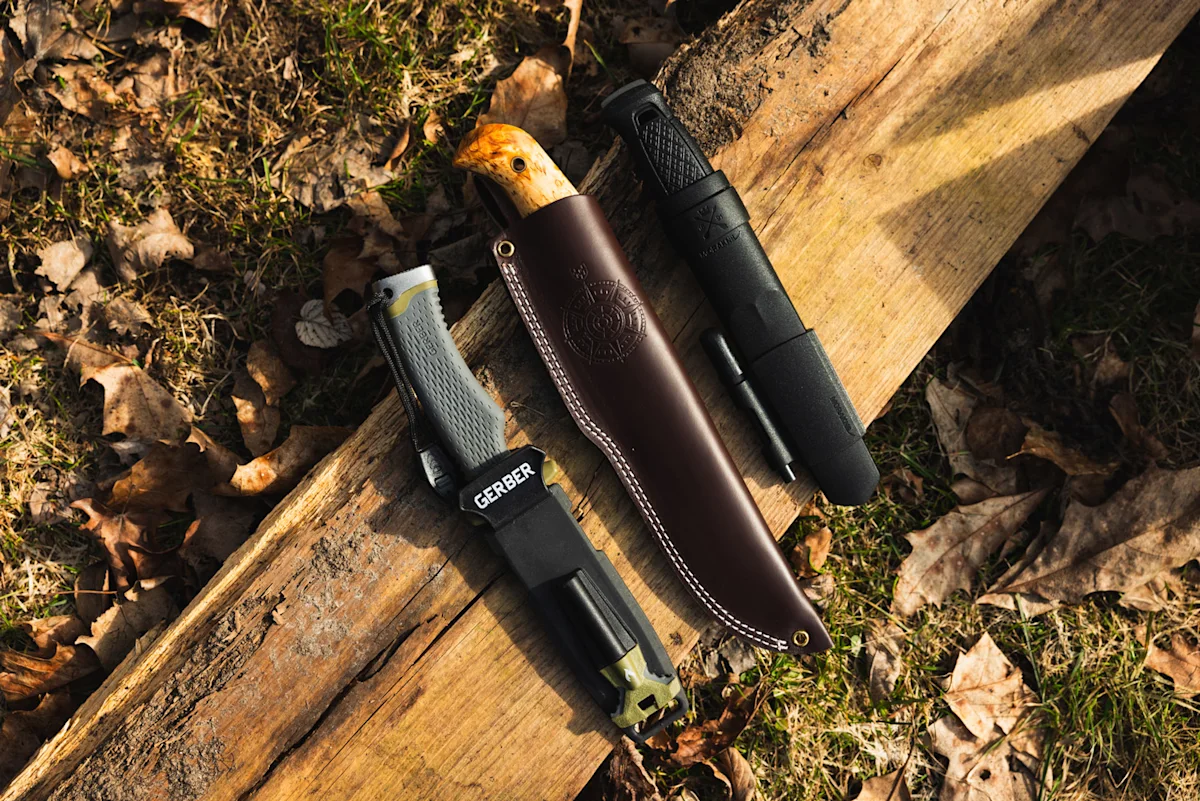
Store your knife in a sheath or protective case to prevent damage. Avoid leaving it loose in bags or pockets. Use a knife block or magnetic strip for home storage. Keep the knife away from extreme temperatures and humidity. Proper storage helps maintain sharpness and safety.
Credit: www.fieldmag.com
Survival Scenarios And Knife Use
Survival situations demand tools that perform well under pressure. A hard knife often becomes a key asset in such moments. Its durability and sharpness can make a big difference in completing essential tasks. Different survival scenarios require a knife to handle varied challenges. Understanding how a hard knife functions in these situations helps in choosing the right blade.
Building Shelter
A hard knife is vital for shelter building. It can cut branches and trim wood quickly. The blade’s strength helps carve notches and shape materials. It also aids in stripping bark for insulation or rope. Without a reliable knife, shelter construction becomes slow and difficult.
Preparing Food
Food preparation in the wild needs a sharp, tough knife. Hard knives slice through meat and fish with ease. They can also chop vegetables or crack nuts. The knife’s edge holds well during repeated use. This ensures food is ready faster and safer to eat.
Self-defense Applications
Survival sometimes means protecting oneself from threats. A hard knife offers a strong, dependable option for defense. Its sturdy blade can withstand forceful use without breaking. This reliability boosts confidence in dangerous encounters. The knife also serves as a tool to create distance or signal for help.
Frequently Asked Questions
Are Hard Knives Better For Survival Situations?
Hard knives offer durability and edge retention, essential in survival tasks. They resist wear, making them reliable for cutting, carving, and shelter building under tough conditions.
What Materials Make Knives Hard And Durable?
Steel alloys like high carbon, stainless, and tool steels provide hardness. These materials balance toughness and edge retention, crucial for survival knife performance and longevity.
Can Hard Knives Handle Outdoor Survival Tasks?
Yes, hard knives excel in outdoor tasks like chopping wood, preparing food, and crafting tools. Their strength ensures they won’t easily chip or dull during use.
Do Hard Knives Require Special Maintenance?
Hard knives need regular cleaning and sharpening to maintain performance. Proper care prevents rust and preserves the blade’s hardness for long-term survival use.
Conclusion
Hard knives offer strength and durability for survival tasks. They handle tough jobs like cutting wood or preparing food. Sharpness is important but so is toughness to avoid breaking. A good survival knife balances hardness with flexibility. Choosing the right knife depends on your needs and environment.
Quality steel and proper care extend a knife’s life. Remember, a hard knife alone does not guarantee survival success. Skills and knowledge matter just as much. Use your knife wisely and maintain it well for best results.