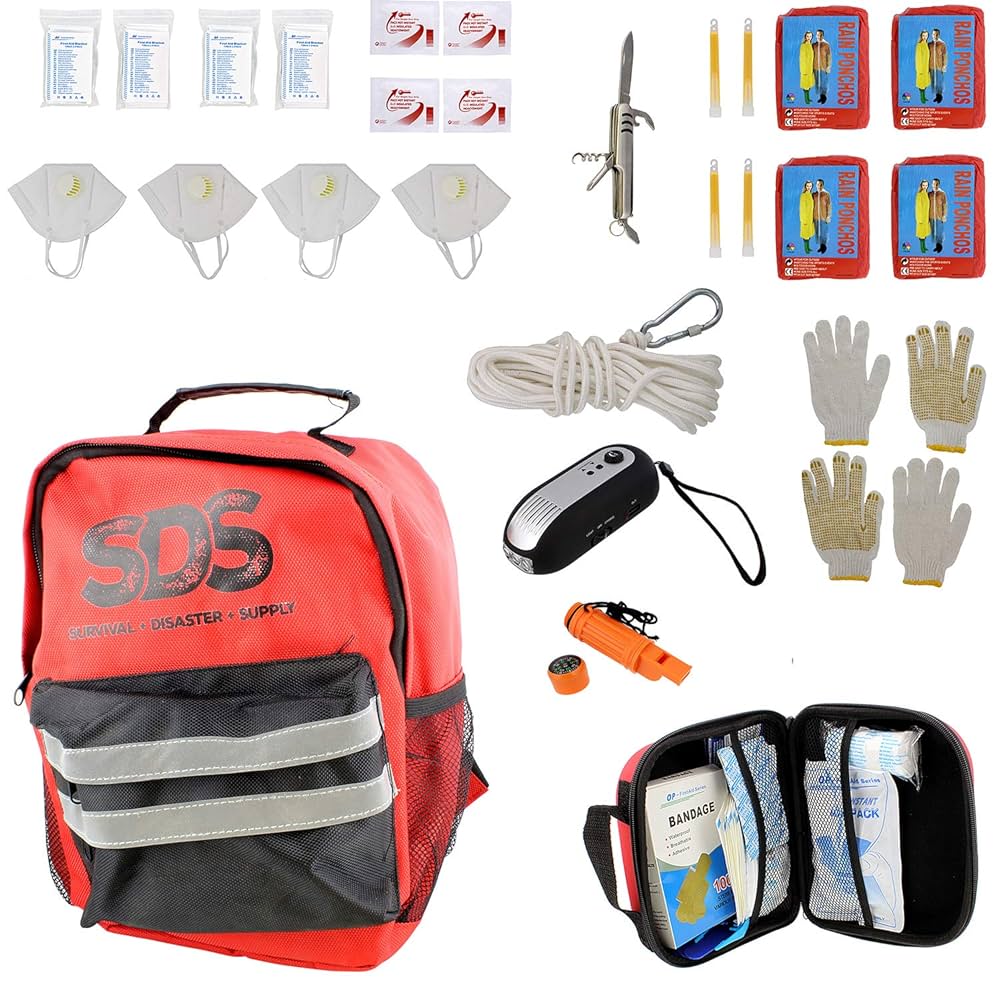
Imagine facing an unexpected emergency at home—power outage, natural disaster, or sudden crisis. Would you be ready?
Having an emergency survival kit can make all the difference between feeling helpless and staying safe and calm. You might think preparing one is complicated or time-consuming, but it’s simpler than you believe. In this guide, you’ll discover exactly what to include in your kit and how to tailor it to your family’s needs.
Keep reading to learn how to create your own emergency survival kit that can protect you when it matters most.
Choosing The Right Container
Choosing the right container for your emergency survival kit is crucial. It protects your supplies and keeps them organized. The container must be strong enough to last through tough conditions. It also needs to be the right size to hold all essentials without being bulky.
Consider features like waterproofing and portability. These make your kit easier to carry and protect from water damage. The container should be easy to open in urgent situations. Think about where you will store the kit at home for quick access.
Durability And Size
The container should be made of tough materials like hard plastic or metal. It must resist impacts and rough handling. A sturdy container prevents your items from breaking or spilling.
Choose a size that fits your emergency supplies but stays compact. A bulky container can be hard to store or carry. A container around 10 to 15 liters works well for most basic kits.
- Strong materials prevent damage
- Compact size for easy storage
- Enough space for essentials
Waterproof And Portable Options
Waterproof containers keep your items dry during floods or rain. Look for containers with rubber seals or airtight lids. These stop water and moisture from entering the kit.
Portability matters if you need to grab the kit fast. Choose containers with handles or straps for easy carrying. Some containers are lightweight, making them easier to move.
- Sealed lids prevent water damage
- Handles or straps for quick transport
- Lightweight containers reduce carrying effort
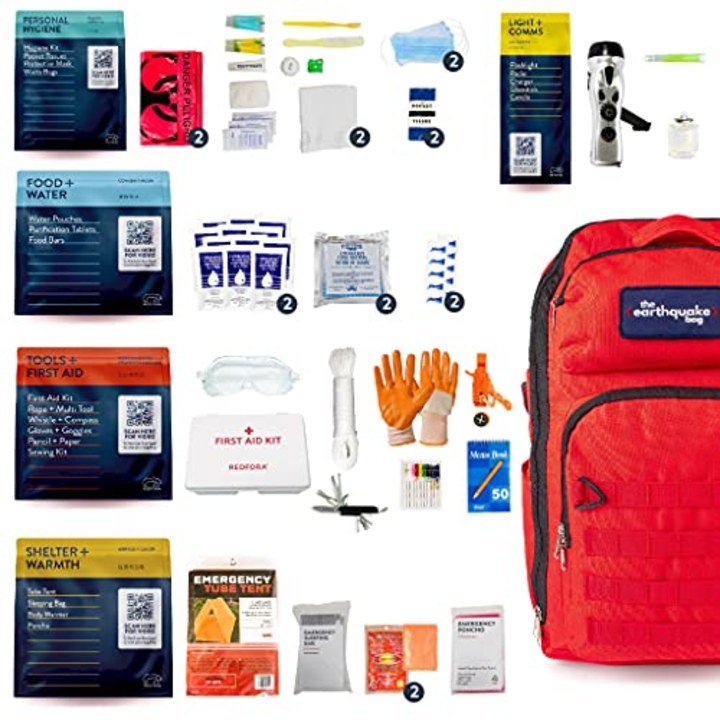
Credit: www.nbcnews.com
Basic Supplies To Include
Creating an emergency survival kit means thinking ahead about what you truly need when access to stores and services is cut off. Basic supplies form the backbone of your kit. These essentials cover your fundamental needs like hydration, nourishment, safety, and practical tools.
Water And Food Essentials
Water is your top priority. Store at least one gallon per person per day for a minimum of three days. Consider adding water purification tablets or a portable filter to handle unexpected shortages.
Food should be non-perishable and easy to prepare. Think canned goods, protein bars, dried fruits, and nuts. Don’t forget a manual can opener—it’s easy to overlook but essential.
First Aid Items
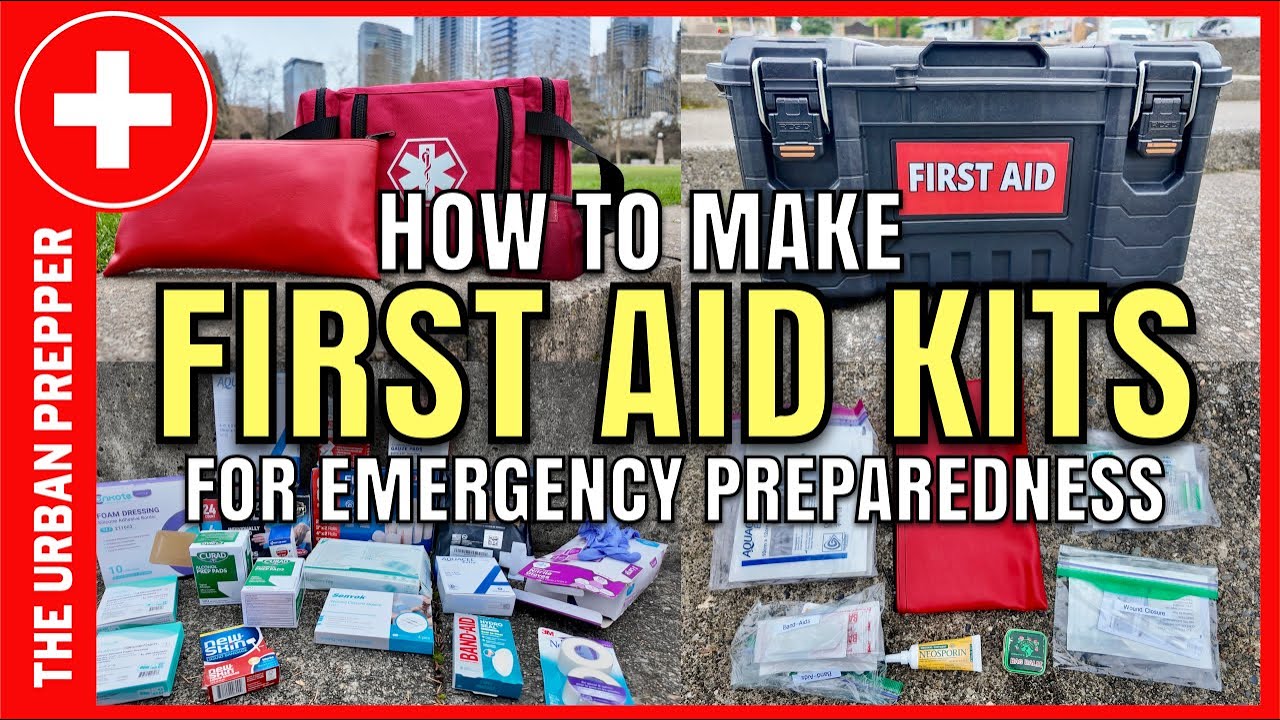
Your kit should include basic medical supplies to treat minor injuries. Stock adhesive bandages, antiseptic wipes, gauze pads, and medical tape. Include over-the-counter pain relievers and any prescription medications you or your family need.
Adding a first aid manual can guide you during stressful situations. Imagine having a small cut but no idea how to clean it properly—this can make a huge difference when help isn’t immediately available.
Tools And Equipment
Tools expand your ability to manage emergencies. Include a flashlight with extra batteries or a hand-crank light. A multi-tool or Swiss army knife offers versatility for countless tasks.
Don’t forget items like duct tape, waterproof matches, and a whistle for signaling help. A sturdy tarp or emergency blanket can provide shelter or warmth when needed.
Personal Care And Hygiene
Personal care and hygiene are crucial during emergencies. Staying clean helps prevent illness and keeps your spirits up when resources are tight. Your survival kit should include essentials that support your well-being beyond just food and water.
Sanitation Supplies
Keeping clean in an emergency isn’t just about comfort—it’s about health. Include items like:
- Biodegradable soap and hand sanitizer
- Toothbrushes and toothpaste
- Feminine hygiene products
- Disposable gloves
- Wet wipes and paper towels
- Trash bags for waste disposal
Think about how you’ll manage waste if water is limited. Can you safely contain and dispose of garbage? A simple plastic bucket with a lid can become a makeshift toilet in urgent situations.
Personal Medications
Never underestimate the power of your medications. Include a supply of any prescription drugs you need, plus extras like:
- Pain relievers (acetaminophen, ibuprofen)
- Allergy medications
- Antiseptic creams and bandages
- Vitamins or supplements you regularly take
Think about how you would feel without your daily meds. Having these on hand can prevent a minor health issue from becoming a major problem. Store everything in a waterproof container to keep it safe and accessible.
Emergency Communication Tools
Emergency communication tools are vital for staying informed and connected during a crisis. They help you receive updates and contact family or emergency services. Preparing the right tools ensures you can communicate even if usual networks fail. Keep these essentials in your survival kit to improve safety and response times.
Radios And Chargers
A reliable radio keeps you updated with news and weather alerts. Choose a battery-powered or hand-crank radio for use without electricity. Solar-powered radios are another good option for long-term emergencies. Include extra batteries to keep your radio running.
Chargers are essential for keeping communication devices powered. Pack portable power banks to recharge phones and radios. Solar chargers work well outdoors and do not need electricity. Make sure all chargers are compatible with your devices.
Important Contact Information
Write down key phone numbers on paper. Store contacts for family, neighbors, doctors, and emergency services. Keep this list in a waterproof folder or plastic bag. Avoid relying only on digital devices, as batteries may die or devices can break.
Include local emergency numbers and evacuation centers. Add contact details for nearby shelters and utility companies. Share a copy of this list with all family members. Clear, easy access to contacts speeds up help during a crisis.
Clothing And Shelter Materials
Clothing and shelter materials are key parts of an emergency survival kit. They protect you from weather changes and keep you safe. Proper items help maintain body heat and provide comfort in tough situations. Choose materials that are durable and easy to carry.
Weather-appropriate Clothing
Select clothes based on your local climate and possible emergencies. Layering works best for warmth and flexibility. Pack:
- Lightweight, moisture-wicking shirts and pants
- Insulating layers like fleece or wool
- Waterproof jackets or ponchos
- Extra socks and underwear
- Hats and gloves for cold weather
Choose clothes that dry quickly and resist wind. Avoid cotton for insulation because it traps moisture. Keep clothing compact and easy to change.
Blankets And Tents
Blankets and tents provide shelter and warmth outdoors or indoors. Include items that are lightweight and pack small. Consider:
- Emergency mylar blankets for heat retention
- Compact sleeping bags rated for your climate
- Durable tents with waterproof material
- Tarps for quick shelter or ground cover
Mylar blankets save space and keep heat close. Tents protect from rain, wind, and insects. Tarps offer versatile shelter options. Prioritize easy setup and sturdiness.
Customizing Your Kit
Customizing your emergency survival kit is crucial to make sure it fits your unique situation. A one-size-fits-all approach won’t cover everything your household might need. Tailoring your kit means thinking about who lives with you, what special items they require, and what makes your home different from others.
Considering Family Needs
Think about the ages and health conditions of everyone in your home. Kids might need extra snacks, diapers, or comfort items like a favorite toy. Older family members or those with medical conditions may require medications, hearing aids, or mobility aids.
Write down a list of personal items each person needs daily. Don’t forget important documents like medical records, prescriptions, and contact information. You want to avoid scrambling for these during an emergency.
Ask yourself: Does anyone in your family have allergies or dietary restrictions? Stock your kit with suitable food and medical supplies to avoid complications. Remember, your kit should be as unique as your family.
Pet Supplies
If you have pets, their needs must be part of your kit. Animals can’t tell you what they need, so you must plan ahead. Pack food, water, and any medications your pet requires.
Include leashes, carriers, and sanitation supplies like waste bags or litter. Think about comfort items such as blankets or toys to help reduce your pet’s stress. Don’t overlook identification tags and copies of vaccination records.
Have you ever experienced a power outage or evacuation with a pet? It’s challenging when you’re unprepared. Making sure your furry friends are covered keeps everyone safer and calmer during tough times.
Maintenance And Storage Tips
Keeping your emergency survival kit ready is essential. Proper maintenance and smart storage keep supplies fresh and easy to find. Regular care extends the kit’s usefulness during unexpected times.
Regular Checkups
Check your kit every three to six months. Look for expired food, batteries, and medicines. Replace items that are old or damaged. Test flashlights and radios to ensure they work. Write down the date of each checkup to track changes.
Safe Storage Locations
Store your kit in a cool, dry place away from sunlight. Avoid damp areas that can cause mold or rust. Keep it near an exit for quick access during emergencies. Use clear containers or labels for easy identification. Make sure all family members know the location.
Credit: m.youtube.com

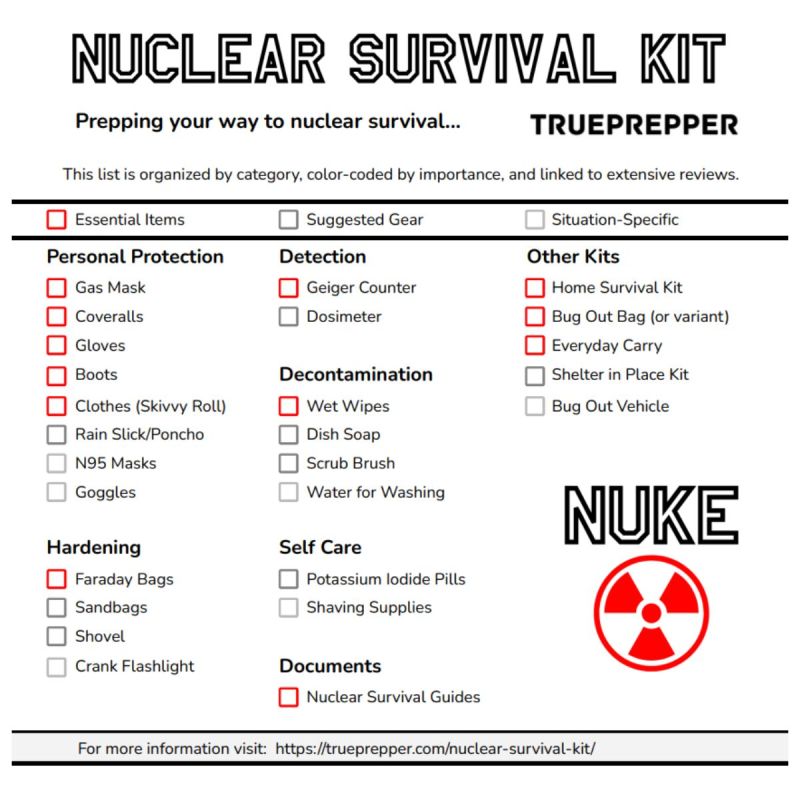
Credit: trueprepper.com
Frequently Asked Questions
What Essential Items Go In A Home Emergency Survival Kit?
A home emergency survival kit should include water, non-perishable food, a first aid kit, flashlight, batteries, and a multi-tool. Add blankets, hygiene products, and important documents to stay prepared during emergencies.
How Often Should I Update My Emergency Survival Kit?
Update your emergency survival kit every six months. Check expiration dates on food, water, and medications. Replace used or outdated items to ensure your kit is always ready.
Where Is The Best Place To Store An Emergency Kit At Home?
Store your emergency kit in a cool, dry, and easily accessible location. Keep it near main living areas or exits for quick access during emergencies.
How Much Water Should I Include In My Survival Kit?
Include at least one gallon of water per person per day. Store enough water for a minimum of three days to cover basic hydration needs.
Conclusion
Creating a survival kit is crucial for home safety. Gather essentials like water, food, and first aid. Include flashlights and batteries. Add personal items, like medications and documents. Store the kit in a safe, easy-to-reach spot. Check and update it regularly.
Being prepared can bring peace of mind. Emergencies can happen anytime. A well-stocked kit can make a big difference. Keep your family safe and ready. Take action today.