Imagine facing an emergency at home without the right supplies. Would you know where to turn?
Having a well-prepared home survival kit can make all the difference when every second counts. You might think it’s complicated or expensive, but putting together a kit is easier than you expect—and it could save your life. You’ll discover exactly what you need to include in your home survival kit to stay safe and ready, no matter what happens.
Keep reading to make sure you’re truly prepared.
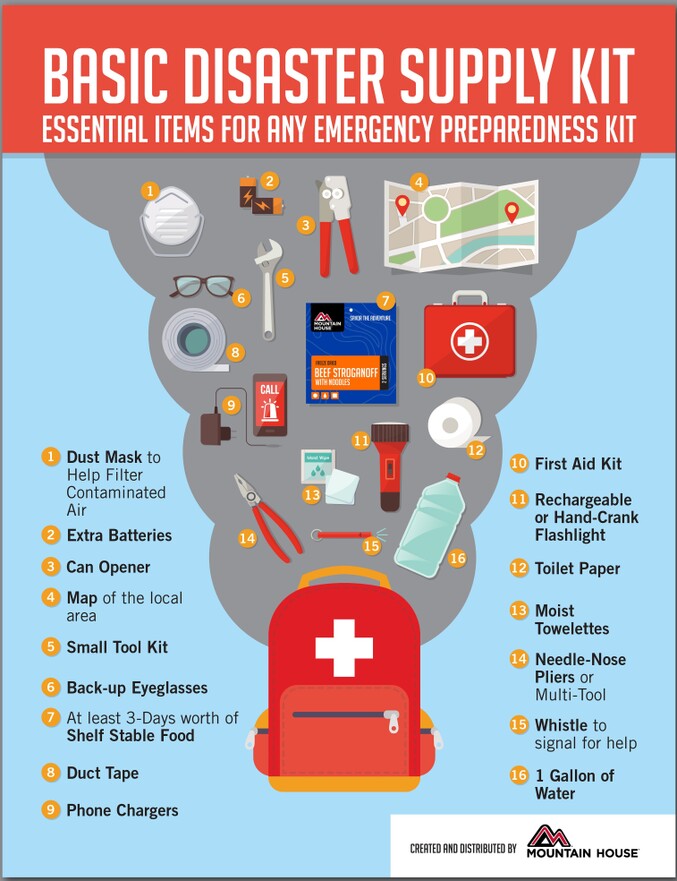
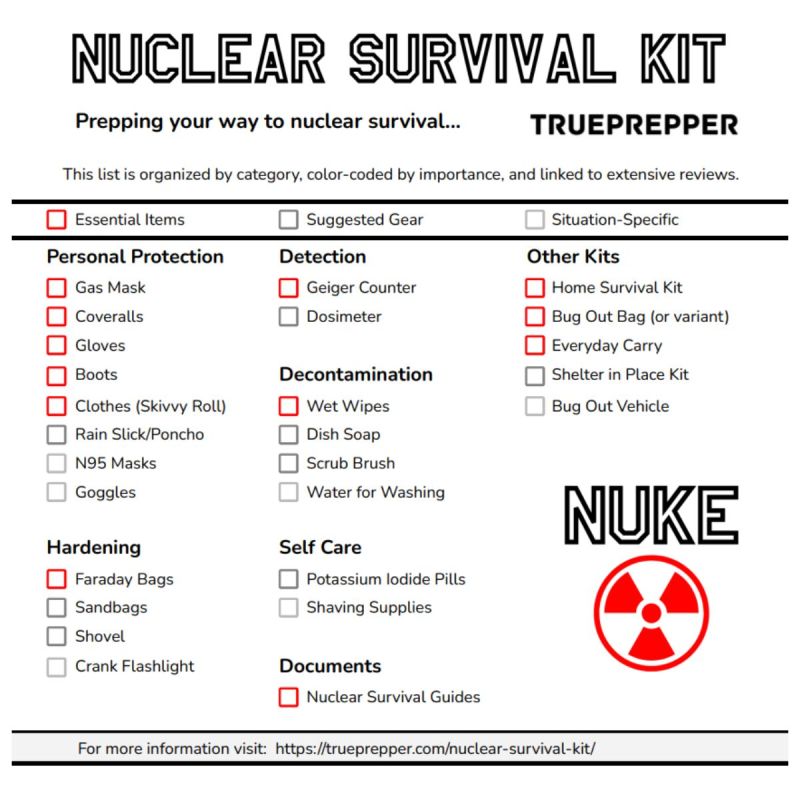
Credit: www.vermont211.org
Water And Hydration
Water is the cornerstone of any home survival kit. Your body needs it to function, especially during emergencies when access to clean water might be limited. Staying hydrated can prevent fatigue, dizziness, and even serious health issues, making water your most critical survival resource.
Stored Water Essentials
Start by storing at least one gallon of water per person per day for a minimum of three days. Use food-grade water containers with tight-sealing lids to prevent contamination. Keep these containers in a cool, dark place away from chemicals or direct sunlight.
Consider adding water storage tablets that can extend the shelf life of your water supply. Rotate your stored water every six months to ensure freshness. Don’t forget to label containers with the date you filled them.
Water Purification Methods
Even if you have stored water, you might need to purify natural water sources. Carry portable water filters that remove bacteria and protozoa. Some compact models can filter up to 1,000 gallons.
Boiling water for at least one minute is a reliable way to kill harmful organisms. If fuel is scarce, use purification tablets or drops that contain chlorine or iodine. These are lightweight and perfect for emergencies.
Have you thought about which purification method suits your lifestyle best? Testing different options now can save you from tough decisions later.

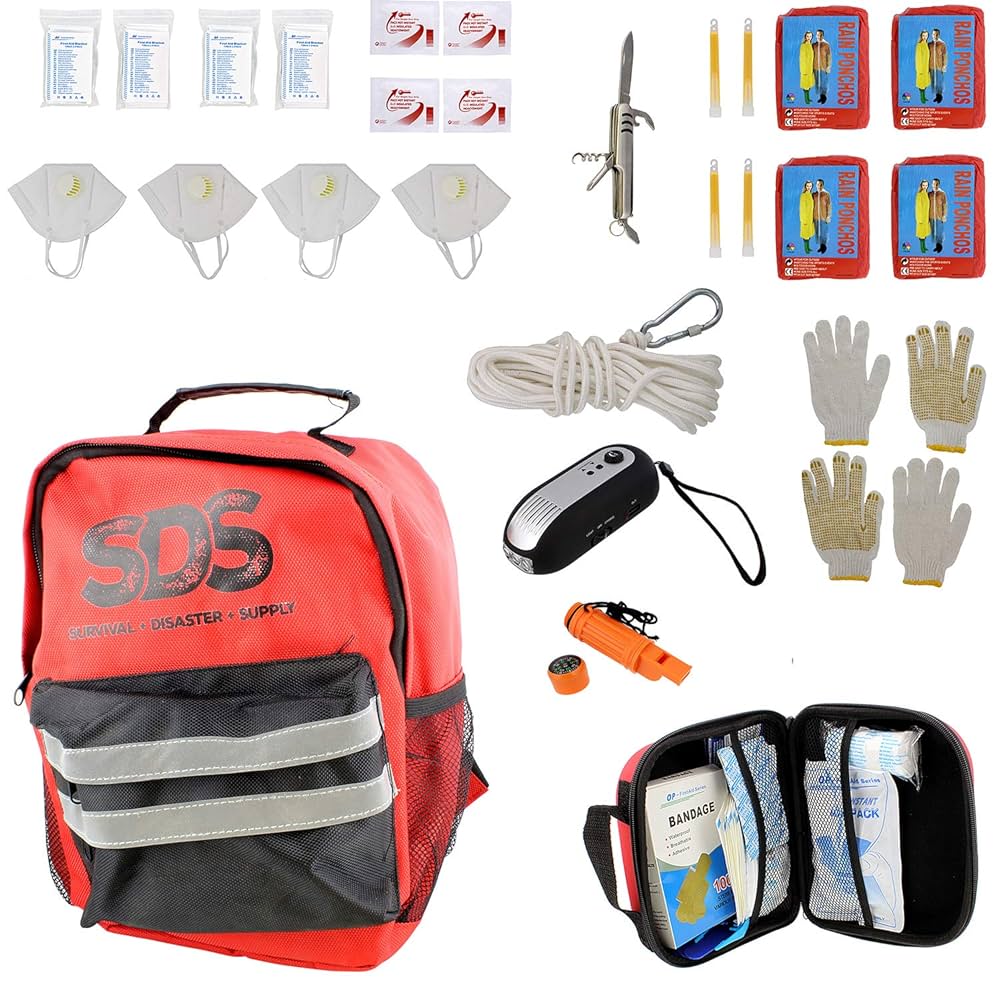
Credit: www.amazon.com
Food Supplies
Food supplies are a crucial part of any home survival kit. You need items that last long, provide good nutrition, and are easy to prepare. Think about how you will eat if power or water is limited. What foods will keep you going without spoiling quickly?
Non-perishable Items
Choose foods that can stay safe to eat for months or even years. Canned goods like beans, vegetables, and meats are reliable options. They require no refrigeration and can be eaten cold or heated if you have a way to cook.
- Dried pasta and rice – easy to store and cook with minimal water.
- Canned fruits and vegetables – provide vitamins and hydration.
- Peanut butter – high in protein and doesn’t spoil quickly.
- Powdered milk – a source of calcium and protein, useful if fresh milk isn’t available.
- Freeze-dried meals – lightweight and designed for long-term storage.
Think about the balance of nutrients. Having a variety of food types helps keep your energy steady and your body strong.
High-energy Snacks
When you’re in survival mode, quick energy is essential. High-energy snacks can give you the boost you need without a full meal. These are handy for moments when you have to move fast or don’t have time to cook.
- Granola bars – portable and packed with calories.
- Nuts and seeds – rich in fats and proteins, great for sustained energy.
- Jerky – provides protein and lasts well without refrigeration.
- Dried fruits – natural sugars for quick energy and some vitamins.
- Chocolate or energy gels – useful for sudden energy needs.
Ask yourself: How will you feel after a day without access to regular meals? Having these snacks ready can make a huge difference in your stamina and morale.
First Aid Kit
Your first aid kit is the heart of any home survival kit. It’s the one place where you can find quick solutions to common injuries or sudden illnesses. Having a well-stocked and organized first aid kit can make a huge difference when emergencies catch you off guard.
Basic Medical Supplies
Start with essentials that cover cuts, scrapes, and minor burns. Include adhesive bandages in various sizes to fit different wounds. Sterile gauze pads and adhesive tape are crucial for dressing larger injuries.
Don’t forget antiseptic wipes or solutions to clean wounds and prevent infection. A pair of tweezers helps remove splinters or debris. Scissors, disposable gloves, and a digital thermometer also add practical value.
Have you ever tried to manage a bleeding cut without proper supplies? It’s frustrating and risky. Your first aid kit should prepare you for those moments with tools that make treatment straightforward and effective.
Medications And Supplements
Stock your kit with over-the-counter pain relievers like ibuprofen or acetaminophen. These can ease headaches, muscle aches, or fever. Include antihistamines for allergic reactions and antacids for stomach discomfort.
Consider adding electrolyte powders to help with dehydration during illness or heat exposure. If you or your family members have specific health needs, include prescribed medications with clear instructions. Remember to check expiration dates regularly and replace items as needed.
What medications do you reach for most often in your household? Including those in your kit ensures you’re ready even if you can’t get to a pharmacy right away. A thoughtful selection of meds can save time and reduce stress when every second counts.
Tools And Equipment
Having the right tools and equipment in your home survival kit can make all the difference during an emergency. These items help you handle unexpected situations effectively and can even save your life. Let’s look at some essential tools you should include to stay prepared.
Multi-tools And Knives
A good multi-tool is a game changer in any survival kit. It combines several functions like pliers, screwdrivers, and scissors into one compact device. This saves space and ensures you have versatile tools on hand.
Knives are equally important. Choose a sturdy fixed-blade knife for tough tasks like cutting wood or preparing food. A sharp, reliable knife can be your best friend when power tools aren’t available.
Lighting And Batteries
Light sources are crucial when the power goes out. Flashlights, headlamps, and lanterns help you navigate safely in the dark. Always keep extra batteries stored in your kit; nothing’s worse than a dead flashlight during a blackout.
Consider LED lights—they last longer and use less power. You might also want to add rechargeable batteries and a solar charger to keep your devices running without relying on electricity.
Fire Starting Gear
Fire provides warmth, light, and a way to cook food. Pack multiple fire-starting options like waterproof matches, lighters, and fire starters such as magnesium blocks or tinder sticks. This ensures you can get a fire going even if one method fails.
Don’t forget to practice using your fire-starting tools before an emergency. Being confident with your gear can make a big difference when every second counts.
Shelter And Warmth
Having shelter and warmth in a survival kit is crucial. It protects from cold, rain, and wind. Staying dry and warm helps prevent hypothermia. It also keeps energy levels up during tough times. Lightweight and compact items work best for easy carrying.
Emergency Blankets
Emergency blankets are thin and light. They reflect body heat back to you. They take up little space in a kit. Use them to wrap around yourself or others. They also work as ground covers or rain shelters. These blankets are waterproof and windproof. A simple tool that saves lives in cold weather.
Tents And Tarps
Tents provide solid protection from weather. They keep bugs and animals out. Look for tents that are easy to set up. Choose lightweight models to carry easily. Tarps are versatile and lighter than tents. Use tarps to create quick shelters or cover gear. Combine tarps with rope or paracord for strong shelter. Both tents and tarps help maintain warmth and safety outdoors.
Communication Devices
Communication devices play a key role in any home survival kit. They keep you connected and informed during emergencies. Power outages and network failures can cut off usual communication methods. Having reliable devices ensures you receive vital news and can contact help if needed. Choose tools that work without electricity or mobile signals. Keep them ready and easy to use.
Battery-powered Radios
Battery-powered radios provide access to news and weather alerts. They work even when the power is out. Look for models with multiple power options like solar, crank, or rechargeable batteries. Simple controls and clear sound help during stressful times. Keep extra batteries in your kit. Radios can receive emergency broadcasts from authorities. This helps you stay informed about rescue operations and safety instructions.
Chargers And Power Banks
Chargers and power banks keep communication devices running longer. Portable power banks can recharge phones and radios multiple times. Select power banks with high capacity and fast charging. Solar chargers add extra convenience during long outages. Store cables and adapters for all your devices. Test your power sources regularly. This ensures they are ready when needed. Reliable power means you stay connected and safe.
Personal Hygiene
Maintaining personal hygiene is vital in any survival situation. It helps prevent illness and keeps you feeling better. Cleanliness supports health and morale during tough times. A well-stocked kit ensures you have what you need for daily hygiene.
Sanitation Supplies
Sanitation supplies keep germs away and avoid infections. Include items that help clean your body and your surroundings.
- Biodegradable soap for hands and body
- Hand sanitizer with at least 60% alcohol
- Wet wipes or baby wipes for quick cleaning
- Toothbrush and toothpaste
- Feminine hygiene products like pads or tampons
- Toilet paper and tissues
- Trash bags for waste disposal
- Small towel or washcloth
Face Masks And Gloves
Face masks and gloves protect against germs and dust. They reduce the risk of catching or spreading illness.
- Disposable or reusable face masks
- Latex or nitrile gloves
- Extra masks and gloves for extended use
- Proper storage to keep them clean and dry
Important Documents And Cash
Having important documents and cash in your home survival kit is crucial for staying prepared in emergencies. These items ensure you can prove your identity, access essential services, and manage immediate expenses when normal systems might be down. Think about how much easier it would be to handle urgent situations if all your critical papers and some cash were ready to go.
Copies Of Ids And Records
Keep photocopies or digital scans of your key identification documents safe and accessible. This includes your driver’s license, passport, birth certificates, and medical records. Having these copies can help you avoid delays in emergencies, like when you need to prove your identity or access medical care.
Store these copies in a waterproof and fireproof container to protect them from damage. Also, consider keeping a set of these documents with a trusted family member or friend outside your home. This way, you have backups if your primary copies are lost or destroyed.
Emergency Cash
Cash is king in emergency situations where electronic payment systems may fail. Keep a reasonable amount of small bills and coins in your survival kit. This helps you buy necessities like food, water, or fuel when cards or ATMs aren’t working.
Think about how much cash you might realistically need for a few days. Avoid large amounts that might be risky to carry. Rotate the cash regularly to keep it fresh and avoid deterioration.
Clothing And Footwear
Having the right clothing and footwear in your home survival kit can make a huge difference during emergencies. Clothes protect you from harsh weather, help maintain body temperature, and keep you comfortable. Footwear ensures you can move safely and efficiently, even across rough terrain.
Weather-appropriate Attire
Think about the climate where you live. You want clothes that suit the seasons and possible weather extremes. For cold climates, pack insulated jackets, thermal shirts, and waterproof outer layers.
In warmer areas, focus on breathable, moisture-wicking fabrics that keep sweat away. Don’t forget a sturdy hat and gloves to protect against sun or cold. Layering is key—choose items you can add or remove to adjust to changing temperatures.
Have you ever tried to stay warm in wet clothes during a storm? It’s uncomfortable and dangerous. That’s why waterproof and quick-drying materials should be part of your kit.
Extra Socks And Underwear
Extra socks and underwear might seem simple, but they’re crucial. Clean, dry socks prevent blisters and infections, which can sideline you when you need to stay active. Carry several pairs, ideally made from wool or synthetic fibers that dry fast.
Underwear should also be comfortable and quick to dry. Cotton isn’t the best choice here because it holds moisture, increasing the risk of skin irritation. Remember, staying dry helps you stay healthy in stressful situations.
Think about how you feel after wearing damp socks all day—uncomfortable and distracted. Having fresh pairs available can boost your morale and physical well-being when every detail counts.

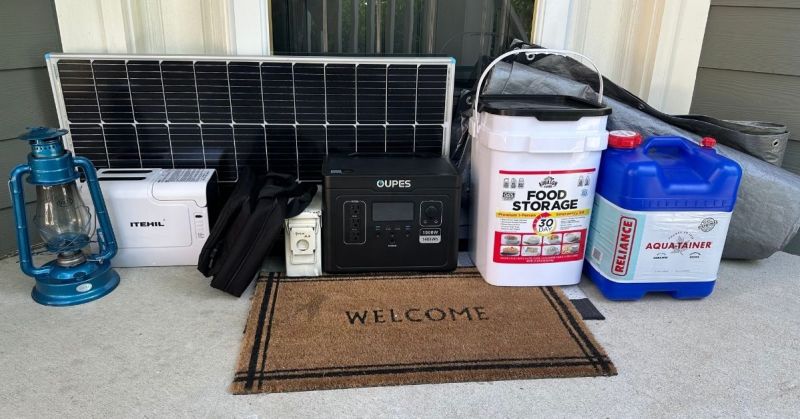
Credit: www.amazon.com
Special Needs Items
Special needs items are essential for personal care during emergencies. These items ensure comfort and safety for everyone in the household. Including them in your home survival kit prepares you better for unexpected situations.
Baby And Pet Supplies
Babies and pets need specific supplies to stay healthy and calm. For babies, pack formula, diapers, wipes, and a change of clothes. Include bottles and pacifiers if your baby uses them.
Pets need food, water, and any medicine they take regularly. Bring leashes, carriers, and waste bags. Keep favorite toys or blankets to reduce stress.
Prescription Medications
Store a supply of prescription medications for all family members. Keep them in original containers with labels. Note dosage instructions and expiration dates.
Include extra glasses, hearing aids, or medical devices. A list of emergency contacts and doctors’ information is also helpful.
Frequently Asked Questions
What Are Essential Items In A Home Survival Kit?
Essential items include water, non-perishable food, first aid supplies, flashlight, batteries, and a multi-tool. These basics ensure safety and sustenance during emergencies.
How Much Water Should A Survival Kit Have?
A minimum of one gallon per person per day is recommended. Store at least three days’ worth to stay hydrated during crises.
Why Include A First Aid Kit In A Survival Kit?
A first aid kit helps treat injuries and prevents infections. It ensures immediate medical care when professional help is unavailable.
What Food Types Are Best For Survival Kits?
Choose non-perishable, high-energy foods like canned goods, nuts, and energy bars. These items last long and provide necessary nutrients.
Conclusion
A well-stocked home survival kit keeps you ready for emergencies. Include essentials like food, water, and a first aid kit. Flashlights and batteries ensure you have light. A multi-tool and matches offer versatility and warmth. Don’t forget personal items like medications and important documents.
Regularly check and update your kit. Being prepared brings peace of mind. It ensures safety in uncertain times. Remember, a little preparation today can make a big difference tomorrow. Stay safe, stay prepared.