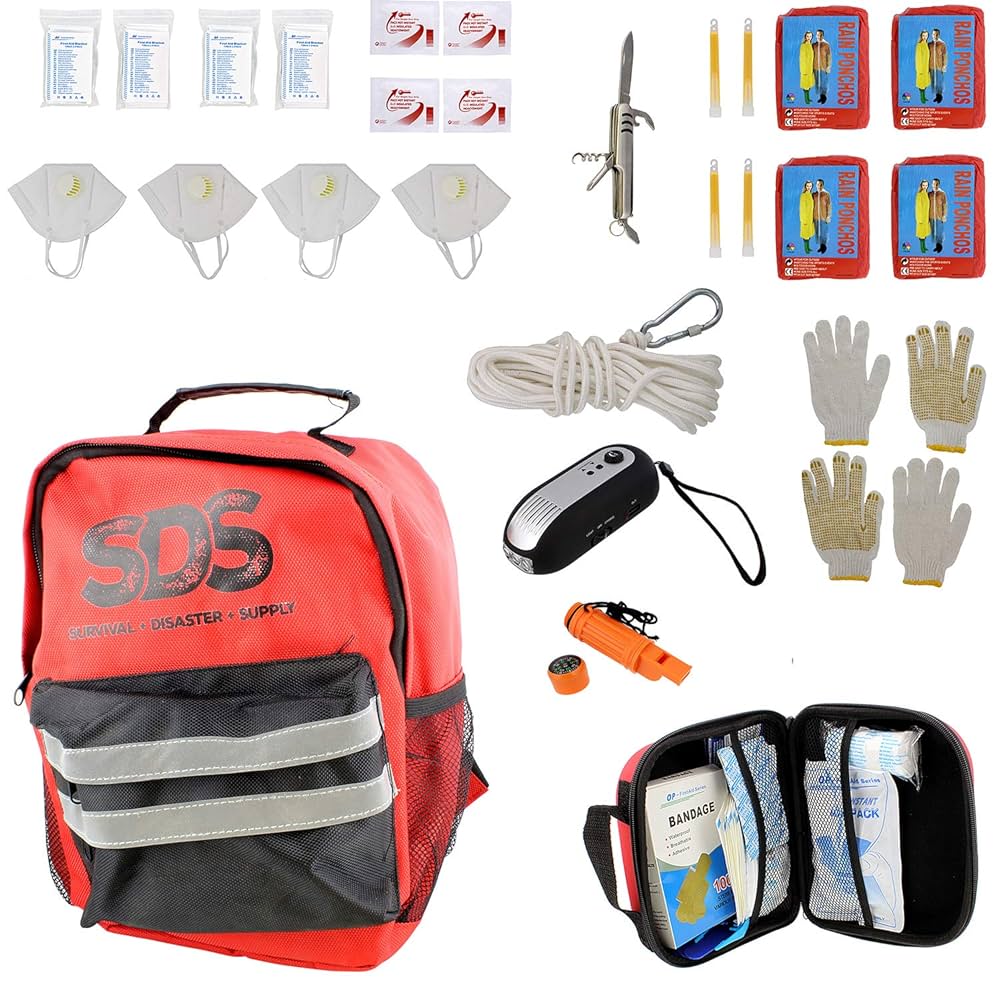
Imagine facing a sudden emergency with no supplies at hand. How would you protect yourself and your loved ones?
Building the ultimate disaster survival kit is not just smart—it could save your life. You might think it’s complicated or expensive, but it doesn’t have to be. You’ll discover simple, practical steps to create a kit that covers all the essentials.
By the end, you’ll feel confident and ready to handle any unexpected situation. Keep reading to learn exactly what you need and why each item matters for your safety.
Choosing The Right Container
Choosing the right container for your disaster survival kit is essential. It keeps all your supplies safe and organized. The right container protects against damage and makes carrying easy. Consider the size, material, and features of the container. A good container can last for years and handle rough conditions. Focus on durability, portability, and waterproofing for the best choice.
Durability And Portability
The container must be strong to protect your items. Hard plastic or metal boxes are good choices. They resist impacts, drops, and crushing. Portability is key for quick escape or travel. Look for containers with comfortable handles or straps. Lightweight containers reduce the load but still need to be tough. Size matters too — big enough for your gear, small enough to carry.
Waterproofing Options
Water can ruin your supplies fast. Choose a container with waterproof seals or gaskets. Some containers are fully waterproof and float in water. Check for tight lids that lock securely. You can add waterproof bags inside for extra safety. Keep moisture out to protect electronics, food, and documents. A dry container keeps your survival kit ready for any emergency.
Essential Food And Water Supplies
Having the right food and water supplies is crucial for surviving any disaster. Without them, your energy, health, and ability to think clearly will quickly decline. Let’s focus on stocking what truly matters to keep you going when help is far away.
Non-perishable Food Items
Choose foods that last long without refrigeration. Canned beans, vegetables, and meats are excellent choices because they provide essential nutrients and won’t spoil quickly.
Don’t forget dry goods like rice, pasta, and oats—they are lightweight and easy to cook with minimal water. Energy bars and nuts add quick calories and are perfect for snacking.
Think about variety to avoid taste fatigue. Having different flavors and textures will keep your morale up during tough times.
- Canned tuna, chicken, or salmon
- Dried fruits like raisins or apricots
- Instant soups and noodles
- Peanut butter or other nut butters
- Powdered milk or protein powder
Water Storage And Purification
Water is more critical than food. Your survival depends on having clean water ready to drink. Store at least one gallon per person per day for drinking and sanitation.
Use sturdy containers designed for water storage to avoid leaks and contamination. Rotate your water supply every six months to keep it fresh.
Purifying water can save your life if your stored supply runs out. Portable filters, water purification tablets, and even simple boiling methods are practical tools you can rely on.
- Large water jugs or barrels with tight seals
- Portable water filters like LifeStraw or Sawyer Mini
- Chlorine bleach (unscented) for disinfection
- Water purification tablets or drops
Have you tested your water purification methods before an emergency? Knowing how to make unsafe water safe is a skill you can’t afford to skip.
Critical Tools And Equipment
Having the right tools and equipment can make all the difference when you face an emergency. These items are not just useful; they become your lifeline in tough situations. Choosing what to include requires thinking about versatility, reliability, and ease of use.
Multi-use Tools
Multi-use tools save space and weight in your survival kit. A good quality multitool combines pliers, knives, screwdrivers, and scissors all in one compact device. This means you can handle various tasks without carrying separate tools.
Look for brands known for durability and sharpness. I’ve relied on a multitool during power outages to fix things quickly, proving how essential it can be. Do you have a favorite multitool, or are you still searching for the perfect one?
Fire Starting Gear
Fire is crucial for warmth, cooking, and signaling for help. Include waterproof matches, a reliable lighter, and fire starters like cotton balls soaked in petroleum jelly. These items ignite quickly even in damp conditions.
Never underestimate the power of practice; I once struggled to light a fire under stress, which taught me to test and familiarize myself with my gear. What fire-starting tools do you trust when every second counts?
Lighting Solutions
Light gives you safety and comfort when darkness falls unexpectedly. Pack LED flashlights, headlamps, and extra batteries in your kit. Solar-powered or hand-crank lanterns are excellent backups that don’t rely on batteries.
Think about how long your light sources last and how easy they are to operate with cold or numb hands. Have you tried using a headlamp while setting up a tent in the dark? It changes the game completely.

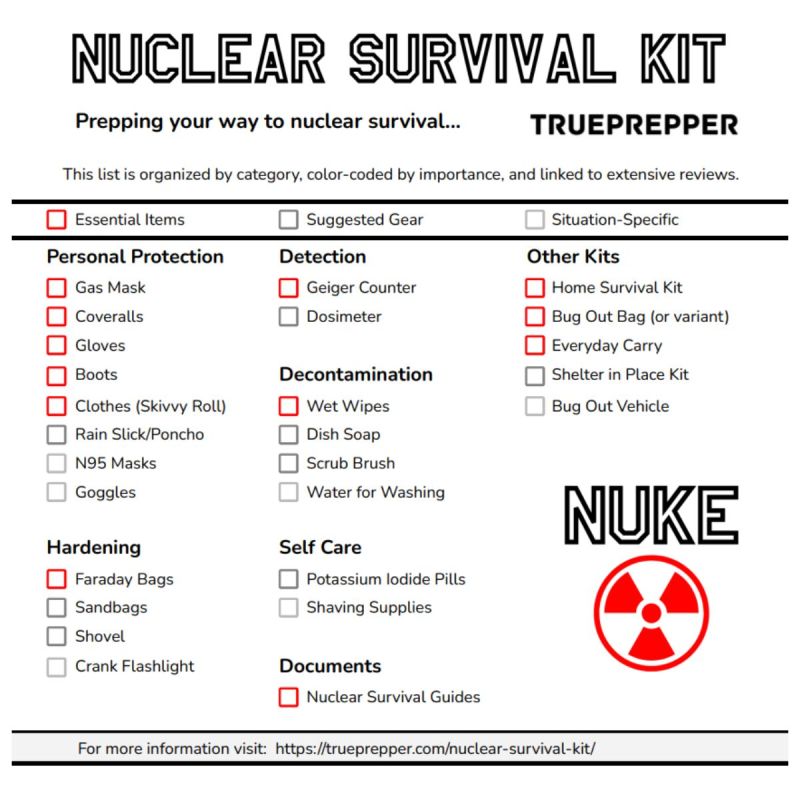
Credit: trueprepper.com
First Aid And Medical Supplies
First aid and medical supplies are vital in any disaster survival kit. They help treat injuries and prevent infections quickly. Having the right items can save lives and reduce pain during emergencies.
Prepare your kit with supplies that cover common injuries. Include tools for cleaning wounds, stopping bleeding, and managing pain. Also, consider special medical needs for your family or group.
Basic First Aid Items
- Adhesive bandages in various sizes
- Sterile gauze pads and adhesive tape
- Antiseptic wipes and antibiotic ointment
- Elastic bandages for sprains
- Disposable gloves for hygiene
- Scissors and tweezers
- Instant cold packs
- CPR face shield or mask
- Thermometer
- First aid manual or instruction booklet
Medications And Prescriptions
- Pain relievers like ibuprofen or acetaminophen
- Antihistamines for allergic reactions
- Anti-diarrheal medications
- Cough and cold medicines
- Personal prescription medications in original containers
- Extra eyeglasses or contact lenses
- Vitamins and supplements you regularly take
- Medical alert information if needed
Clothing And Shelter Materials
Clothing and shelter materials are essential components of any disaster survival kit. They protect you from harsh weather, help maintain your body temperature, and provide a safe space to rest. Choosing the right items can make a significant difference during emergencies.
Weather-appropriate Clothing
Your clothing choices must match the climate you expect to face. In cold environments, prioritize insulated layers like wool or fleece, which keep warmth even when damp. Avoid cotton because it traps moisture and chills your body.
For hot or humid conditions, lightweight, breathable fabrics such as moisture-wicking polyester or nylon help prevent overheating and skin irritation. Don’t forget a wide-brimmed hat and UV-protective clothing to shield yourself from sun exposure.
Think about versatility: Can your clothes dry quickly? Are they durable enough for rough terrain? Packing a compact rain jacket or poncho can also keep you dry and comfortable during unexpected storms.
Emergency Shelter Options
Emergency shelters must be easy to carry and set up. A lightweight tent is ideal if you can manage the space and weight. Look for models with waterproof materials and a sturdy frame to withstand wind.
If space is tight, a durable tarp or bivy sack provides flexible shelter that can be set up in multiple ways. Pair these with paracord and stakes to secure your shelter quickly.
Have you tested your shelter gear before an emergency? Knowing how to pitch a tent or tarp fast can save you valuable time and energy. Also, reflect on your environment: Do you need extra insulation or bug protection?
Communication And Navigation Gear
Communication and navigation gear are essential for any disaster survival kit. They help you stay informed and find your way when usual systems fail. Good gear keeps you connected and safe during emergencies.
Emergency Radios
Emergency radios provide vital information during power outages and disasters. They receive weather alerts, news, and government warnings. Choose radios with multiple power options like solar, hand crank, and batteries. Look for models that include NOAA weather channels and AM/FM bands. Some radios also feature USB charging ports for other devices.
- Solar and hand crank power sources
- NOAA weather channels for alerts
- AM/FM bands for news and updates
- USB ports for device charging
Maps And Compasses
Digital devices may fail, so paper maps and compasses are vital. Maps show roads, trails, and landmarks to help you navigate safely. A compass helps find directions without batteries. Learn to read maps and use a compass for better accuracy. Store maps in waterproof cases to protect them from damage.
- Topographic and regional maps
- Durable, waterproof map cases
- Reliable, easy-to-use compass
- Basic skills in map reading and compass use
Personal Documents And Cash
Personal documents and cash form the backbone of your disaster survival kit. Without them, recovery after an emergency becomes harder. You need quick access to essential paperwork and some cash to cover immediate expenses when electronic payment systems might fail.
Important Paperwork
Gather vital documents like your ID cards, passports, birth certificates, and insurance papers. Keep both original documents and photocopies in a waterproof, portable container. Digital copies stored securely on a USB drive or cloud service add an extra layer of protection.
Think about documents related to your health too—medical records, prescriptions, and vaccination history. These can be lifesavers if you need urgent care. Don’t forget legal papers such as wills, property deeds, and power of attorney forms.
Ask yourself: would you be able to prove your identity or claim insurance within the first 24 hours of a disaster? Preparing these documents now saves you from frantic searches later.
Emergency Funds
Cash is king when digital payment systems go down. Store enough money to cover essentials like food, water, transportation, and lodging for at least three days. Keep small bills and coins handy because change might be necessary.
Consider diversifying your cash reserves by keeping some in your home and some in a secure location outside your residence. This way, if one stash is lost or inaccessible, you still have backup funds.
Have you thought about the last time you tried to use an ATM during a power outage? Having physical cash on hand means you won’t be left stranded without access to money when it matters most.

Credit: www.youtube.com
Maintenance And Regular Updates
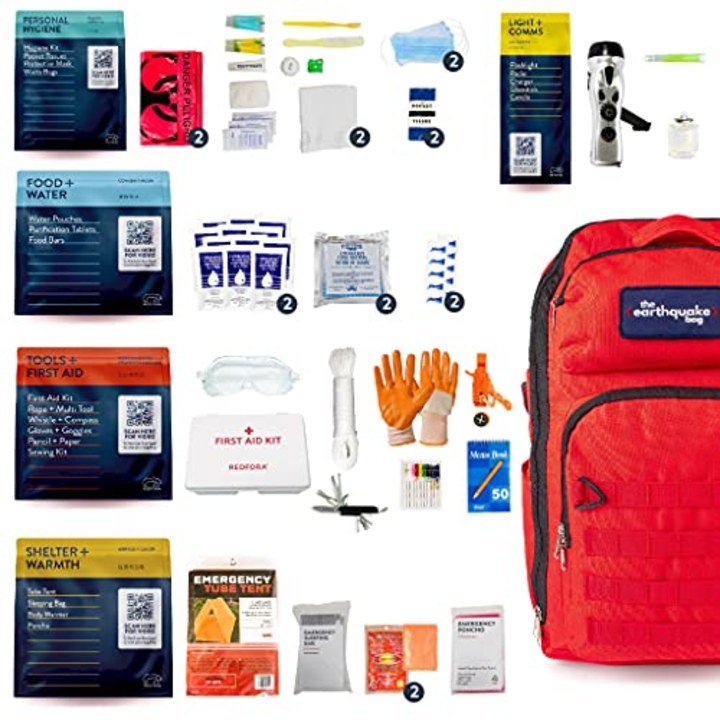
Maintaining and updating your disaster survival kit is vital for its effectiveness. Over time, items can expire or become unsuitable for current conditions. Regular checks keep the kit reliable and ready for emergencies.
Checking Expiry Dates
Food, water, and medicines often have expiry dates. Expired items may lose effectiveness or become unsafe to use. Mark a calendar to review these dates every few months. Replace anything that is near or past expiry promptly. This simple habit ensures your kit stays dependable during a crisis.
Seasonal Adjustments
Seasons affect what you need in your survival kit. Cold months require warmer clothing and blankets. Hot months call for extra water and sun protection. Adjust supplies based on the weather and environment. Check your kit at the start of each season to add or remove items as needed.
Credit: www.nbcnews.com
Frequently Asked Questions
What Should Be In A Disaster Survival Kit?
A disaster survival kit should include water, non-perishable food, a first-aid kit, and a flashlight. Don’t forget batteries, a multi-tool, and essential documents. Consider personal needs like medications, baby supplies, and pet necessities. Customize your kit based on your climate and region.
How Much Water Do You Need For Survival?
You should store at least one gallon of water per person per day. Aim to have a three-day supply for emergencies. Water is crucial for drinking, cooking, and sanitation. Consider additional water for pets and any special needs your family may have.
Why Is A First-aid Kit Essential In A Survival Kit?
A first-aid kit can treat injuries and prevent infections during emergencies. It should include bandages, antiseptics, pain relievers, and any personal medications. Having a first-aid kit ensures you’re prepared to handle minor injuries until professional help arrives.
How Often Should You Update Your Survival Kit?
Update your survival kit every six months to ensure all items are functional and not expired. Check food expiration dates, battery life, and personal documents. Regular updates ensure your kit remains effective and ready for unexpected emergencies.
Conclusion
Building a disaster survival kit takes time and care. Choose items that meet your basic needs. Keep water, food, and first aid supplies ready. Don’t forget tools like flashlights and batteries. Regularly check and update your kit. Practice using your kit to stay prepared.
Being ready brings peace of mind. Stay safe and protect your loved ones. Preparation matters in tough times. Your kit can make a big difference.