Imagine having everything you need to handle an unexpected situation right in your pocket. You never know when a little preparation can make a huge difference.
Creating your own pocket survival kit is easier than you think, and it gives you peace of mind wherever you go. In this guide, you’ll discover simple, practical steps to build a kit tailored just for you. Ready to take control and be prepared?
Let’s dive in.

Credit: www.youtube.com
Choosing The Right Container
Choosing the right container is key to building a practical pocket survival kit. The container holds all your essential items. It needs to be just right in size, strong, and easy to open. A good container keeps your gear safe and ready to use at any moment. This section covers the main points to consider when picking your container.
Size And Portability
The container must fit comfortably in your pocket or bag. Small enough to carry daily but large enough to hold essentials. Avoid containers that are bulky or heavy. Think about what items you want to include and pick a container that matches that size. Portability is about convenience and readiness.
Durability And Waterproofing
Your container should protect your items from damage. Choose materials that resist impact and wear, like hard plastic or metal. Waterproof containers keep your gear dry in rain or wet conditions. Look for tight seals or rubber gaskets to prevent water entry. Durable and waterproof means your kit stays reliable no matter the weather.
Ease Of Access
Access to your survival gear must be quick and simple. Choose containers with easy-to-open lids or clasps. Avoid complicated locks or closures that slow you down. The container should open smoothly even with cold or wet hands. Easy access helps in emergencies when every second counts.

Credit: www.youtube.com
Essential Tools To Include
Building a pocket survival kit means choosing tools that truly matter. Every item should serve a clear purpose and fit comfortably in your pocket. Including the right essentials can make a difference in an emergency, giving you confidence and control.
Fire Starters
Fire is crucial for warmth, cooking, and signaling. Carry waterproof matches or a reliable lighter. Adding a ferrocerium rod offers a long-lasting fire source even when wet.
Think about how many times you’ve struggled with damp matches or failed lighters. Having multiple fire starters increases your chances to get a flame quickly.
Cutting Tools
A sharp blade is one of the most versatile survival tools you can carry. A compact folding knife or a multi-tool with a sturdy blade fits well in a pocket.
Use it for cutting rope, preparing food, or making kindling. Avoid bulky knives; your pocket kit should stay lightweight and easy to access.
First Aid Supplies
Minor injuries can turn serious if you’re unprepared. Pack a few adhesive bandages, antiseptic wipes, and some pain relievers.
You can also add a small roll of medical tape and tweezers. These items take little space but offer big help when you need quick care.
Navigation Aids
Getting lost is a real risk in unfamiliar areas. A small compass fits easily in your kit and helps you stay oriented.
If you prefer digital, a basic GPS device or a smartphone app can assist, but always have a non-digital backup. Can you rely solely on your phone’s battery in an emergency?
Signaling Devices
Alerting rescuers quickly can save your life. Include a whistle with a loud, piercing sound that carries far.
A small mirror or a bright flashlight can also catch attention. These simple tools boost your chances of being found fast.
Selecting Survival Supplies
Choosing the right survival supplies is key to building a useful pocket survival kit. Each item must be small, light, and serve a clear purpose. Prioritize essentials that help with water, food, shelter, and light. These basics increase your chances of staying safe and comfortable in emergencies.
Water Purification Options
Safe drinking water is crucial for survival. Carry compact water purification tools that fit your kit easily. Consider:
- Water purification tablets – lightweight and simple to use
- Portable filters – remove bacteria and debris
- Small metal container for boiling water over fire
These options ensure you have clean water anywhere.
Non-perishable Food Items
Food must last long and provide energy. Choose items that don’t spoil and are easy to carry. Good choices include:
- Energy bars or protein bars
- Dried fruits and nuts
- Vacuum-sealed snacks
They offer quick nourishment without adding weight.
Shelter Materials
Protection from weather is vital. Pick lightweight shelter items that save space. Useful materials are:
- Emergency thermal blanket
- Compact tarp or poncho
- Paracord for tying or hanging shelter
These supplies help create shelter fast and keep you warm.
Lighting Solutions
Light is essential after dark. Choose portable and reliable lighting tools. Good options include:
- Mini LED flashlight
- Glow sticks
- Small headlamp
They provide visibility and help signal for help.

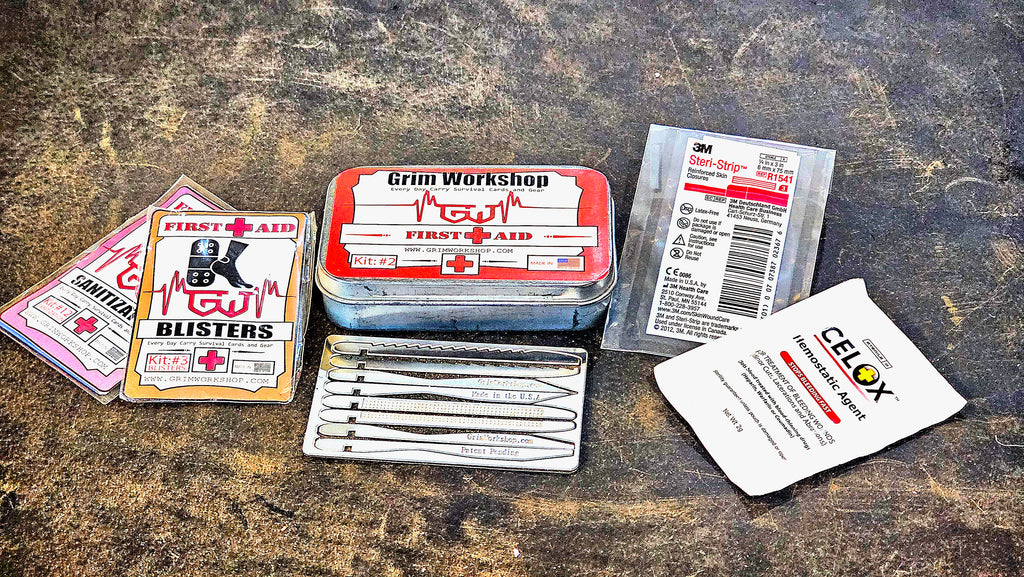
Credit: grimworkshop.com
Customizing For Your Environment
Customizing your pocket survival kit to fit the environment you expect to face is key to staying prepared. Different settings demand different tools and supplies. Thinking about your specific surroundings helps you carry only what truly matters, keeping your kit compact and effective.
Urban Survival Additions
In a city environment, your kit should focus on challenges like power outages, crowded spaces, and limited access to fresh water. Consider adding a small flashlight with extra batteries, a whistle to signal for help, and a compact multi-tool with a screwdriver and bottle opener.
Items like a face mask, hand sanitizer, and a few emergency cash bills can be lifesavers in urban scenarios. Have you ever been caught in a sudden blackout or public transit shutdown? These simple additions can make a big difference.
Wilderness Specific Gear
For outdoor adventures, your kit needs gear tailored to nature’s unpredictability. Add waterproof matches or a fire starter, a small compass, and a water purification tablet or filter. These tools help you navigate and stay hydrated when help is far away.
A compact emergency blanket and a fishing line with hooks can provide warmth and food options. Think about the last time you got lost or stuck outdoors—having these items could have eased your situation significantly.
Seasonal Adjustments
Your survival kit should change with the seasons to handle different weather conditions. In winter, include hand warmers, lip balm, and a small packet of high-energy snacks to keep your energy up. During summer, add sunscreen, insect repellent, and a bandana to protect your face from sun and bugs.
Don’t forget to swap out items as the weather shifts. Have you checked your kit recently to make sure it matches the current season? Staying updated can keep you prepared for whatever nature throws at you.
Packing Techniques For Efficiency
Packing your pocket survival kit with care boosts its usefulness. Efficiency means carrying essential items without extra bulk. Smart packing helps you find what you need quickly. This section covers key techniques for efficient packing.
Organizing By Priority
Start with the most important items. Place tools you use often near the top or outside. Emergency supplies like a whistle, fire starter, and small knife should be easy to reach. Group similar items together to avoid searching in a hurry. Keep less critical items at the bottom or in separate compartments.
Maximizing Space
Use every inch of your kit wisely. Choose compact, multi-use items to save room. Roll soft gear like bandages or cords tightly. Fill small gaps with tiny items such as matches or pills. Avoid bulky containers; switch to flat or flexible packaging. Think vertical and horizontal stacking to fit more inside.
Securing Items Properly
Keep items from shifting or falling out. Use small bags or pouches inside the kit for better order. Elastic bands or Velcro strips help hold tools in place. Waterproof cases protect sensitive gear from moisture. Check your kit regularly to ensure nothing is loose. Proper securing prevents damage and speeds up access.
Maintaining Your Kit
Keeping your pocket survival kit ready is just as important as assembling it. Without regular care, your kit can become useless when you need it most. Staying on top of maintenance ensures every item works perfectly and suits your current needs.
Regular Inspections
Set a reminder to check your kit every month or two. Open it up and look for signs of damage or wear, such as torn packaging or rusted tools. Make sure everything is clean and dry—moisture can ruin important items like matches or bandages.
Think about what you’d reach for first in an emergency. Is it easy to find? If not, reorganize your kit so the most critical items are quickly accessible. This small habit could save you precious seconds in a crisis.
Replacing Expired Items
Food, medication, and batteries won’t last forever. Expired items can fail when you need them, so check expiration dates regularly. Replace anything that has passed its prime to keep your kit reliable.
Even things like sunscreen and insect repellent have a shelf life. Don’t overlook these just because they don’t seem essential. Would you want to be caught without protection from sunburn or bugs during an emergency?
Updating Based On Needs
Your lifestyle and environment change over time, so your kit should too. If you move to a new area, add items specific to that climate or terrain. For example, extra water purification tablets might be crucial if you’re near wilderness.
Review your kit after any personal health changes or new skills you’ve learned. If you’ve recently taken a first aid course, include supplies that match your training. Are there gadgets or tools you’ve discovered that could improve your survival chances?
Frequently Asked Questions
What Essential Items Belong In A Pocket Survival Kit?
A pocket survival kit should include a small knife, waterproof matches, a whistle, bandages, and a compact flashlight. These items help in emergencies by providing tools for cutting, signaling, lighting, and basic first aid.
How Do I Choose The Best Container For My Kit?
Choose a durable, waterproof container that fits comfortably in your pocket. It should protect contents from moisture and damage while being compact and lightweight for easy carrying.
How Often Should I Update My Survival Kit Contents?
Update your kit every six months to replace expired items and refresh batteries. Regular checks ensure your kit remains functional and ready for any emergency situation.
Can I Customize My Pocket Survival Kit For Specific Environments?
Yes, customize your kit based on your environment. Add insect repellent for forests, sunscreen for sunny areas, or extra water purification tablets for hiking trips.
Conclusion
Crafting your own pocket survival kit is rewarding. It’s compact and handy. This kit prepares you for unexpected situations. You now know what essentials to include. From a small knife to a reliable lighter. Each item serves a vital purpose.
Building it yourself saves money. It also ensures you have what you need. Assembling a kit boosts your survival confidence. You’re now ready for life’s little surprises. Keep your kit with you always. It could be a lifesaver. Remember, preparation is key.
Stay safe and stay prepared. Happy adventuring!