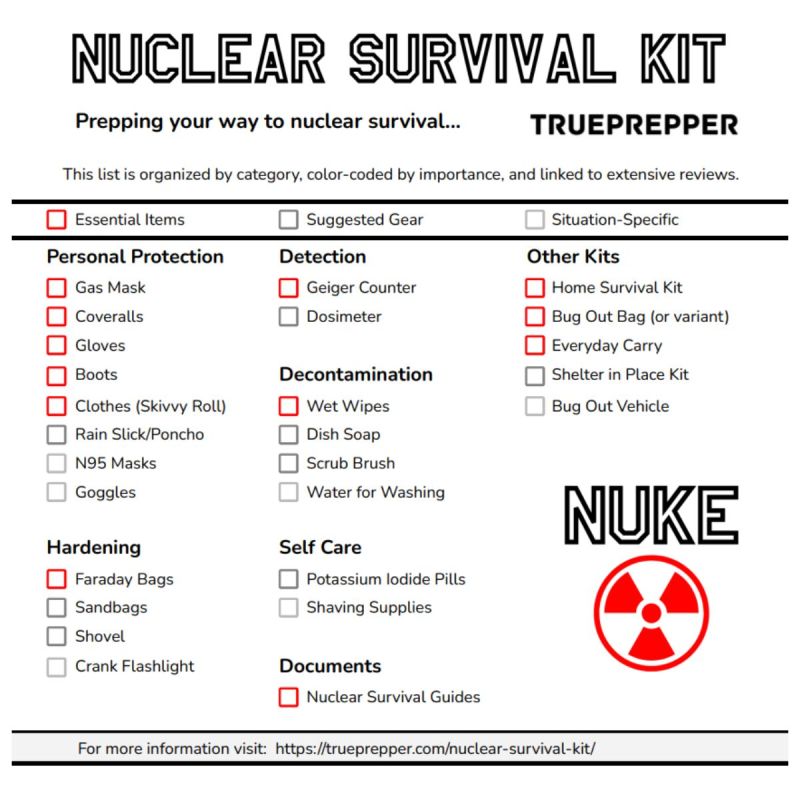
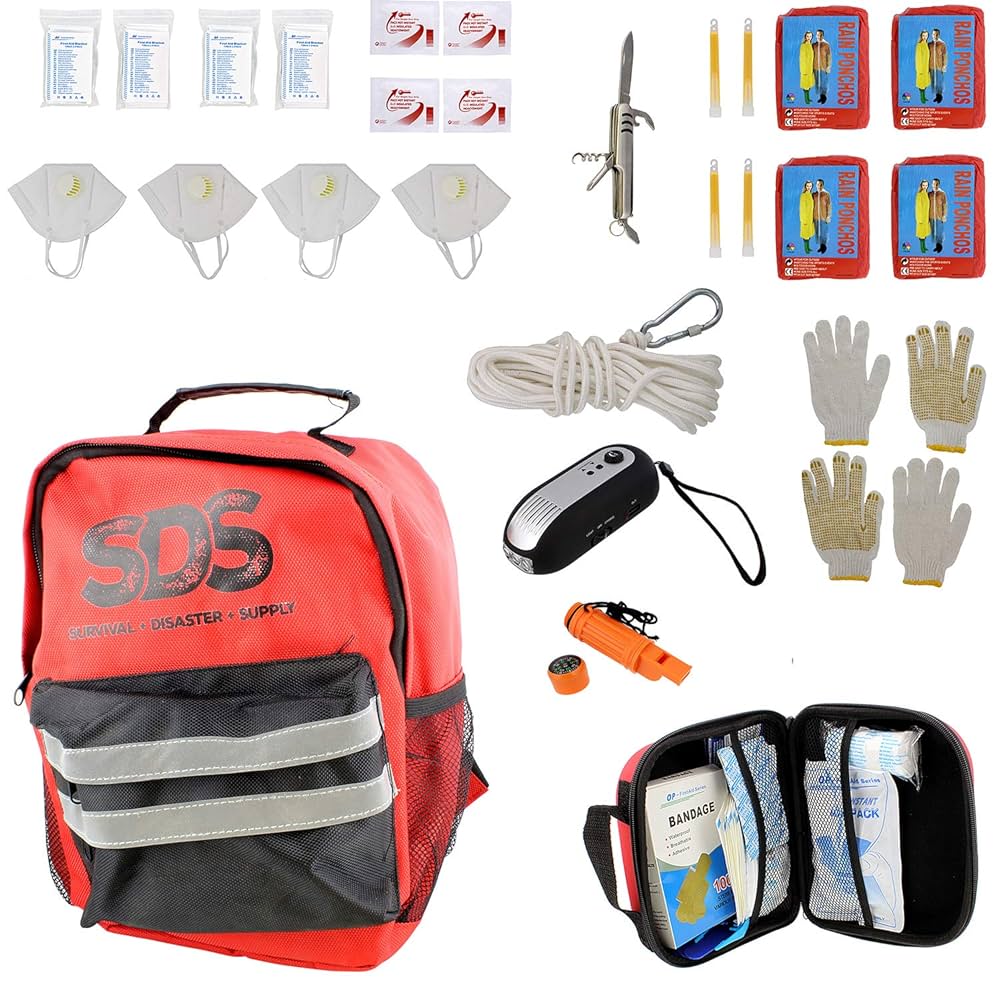
When you think about survival kits, food might not be the first thing that comes to mind. But what you eat during an emergency can make all the difference.
You need food that lasts long, is easy to carry, and gives you enough energy when you need it most. Curious about what kind of food is packed in survival kits and why? Keep reading to discover the smart choices that can help keep you strong and safe when it matters the most.
Types Of Survival Food
Choosing the right types of food for your survival kit is crucial. The food must last long, provide enough energy, and be easy to prepare. Knowing the different options can help you decide what fits your needs and tastes.
Freeze-dried Meals
Freeze-dried meals are lightweight and preserve most nutrients. They only need hot water to rehydrate, making them perfect for quick and easy meals. I once tried a freeze-dried chili during a camping trip and was surprised by how flavorful and filling it was.
These meals usually come in sealed pouches, which helps keep them safe from moisture and pests. They can last for years if stored properly, which makes them a smart choice for long-term survival kits.
Canned Goods
Canned goods are reliable and widely available. They often include proteins like beans, tuna, or chicken, and vegetables or soups. The downside is that they can be heavy and require a can opener, which you should remember to include in your kit.
One time, during a power outage, canned beans and vegetables saved me from hunger. Their long shelf life and ready-to-eat nature make them a practical backup food source.
Energy Bars And Snacks
Energy bars and snacks are compact and easy to carry. They provide quick bursts of energy and are great for times when you need to keep moving. Look for bars with balanced nutrients, not just sugar, to keep you going longer.
I always keep a few energy bars in my bag because they’re handy during sudden emergencies. They’re perfect for filling small hunger gaps without any preparation.
Dehydrated Fruits And Vegetables
Dehydrated fruits and vegetables retain much of their flavor and nutrients while being lightweight. They make excellent snacks or additions to meals for extra vitamins and fiber. Plus, they don’t spoil quickly, which is essential for survival kits.
Adding a mix of dehydrated fruits like apples or berries can give your taste buds a natural sweetness. Vegetables like carrots or peas can boost your diet without adding bulk to your pack.
Nutritional Needs In Survival
Meeting your nutritional needs during survival situations is crucial for maintaining strength, focus, and overall health. Your body demands energy and essential nutrients to keep going when resources are limited. Understanding what to include in your survival kit can make a big difference in how well you endure tough conditions.
Calorie Requirements
Calories are your body’s fuel. In survival, you might burn more energy than usual due to stress, cold, or physical activity. It’s important to pack foods that provide enough calories to keep your energy levels steady.
Look for high-calorie options like nuts, energy bars, and dried fruits. These are compact and easy to carry, giving you a concentrated energy boost when you need it most. Have you ever underestimated how much energy your body needs during long hikes or cold nights?
Protein Sources
Protein helps repair your muscles and supports your immune system. In survival kits, foods like jerky, canned tuna, or peanut butter work well as they are shelf-stable and rich in protein. Including a variety of protein sources ensures your body gets all the amino acids it needs.
Don’t forget about plant-based proteins like beans or lentils if you can store them properly. They not only add protein but also fiber, which aids digestion. How often do you think about protein when planning your emergency food supplies?
Vitamins And Minerals
Vitamins and minerals keep your body’s systems running smoothly. Lack of these can lead to fatigue, weakened immunity, and other health problems. Pack foods rich in vitamin C, vitamin A, iron, and calcium, such as dried fruits, nuts, and powdered greens.
Multivitamin tablets can also be a handy backup. They’re lightweight and help fill nutritional gaps, especially when fresh food isn’t available. Are you prepared to prevent nutrient deficiencies when fresh produce isn’t an option?
Hydration And Electrolytes
Water is vital, but you also need electrolytes to keep your body balanced. Electrolytes like sodium, potassium, and magnesium help regulate muscle function and hydration. Include oral rehydration salts or electrolyte tablets in your kit for easy replenishment.
Don’t overlook salty snacks in moderation—they can help maintain electrolyte levels too. How do you ensure you stay properly hydrated when water sources are scarce or questionable?
Shelf Life And Storage
Food in survival kits must last a long time and stay safe to eat. Shelf life and storage are key to keeping food fresh. Proper storage prevents spoilage and preserves nutrients. Understanding these aspects helps you choose the right foods for emergencies.
Long-lasting Ingredients
Survival kits use ingredients that last for years. Examples include:
- Dried beans and lentils
- Freeze-dried fruits and vegetables
- Dehydrated meat and fish
- Powdered milk and eggs
- Rice and pasta
These foods have low moisture and resist bacteria growth. Their long shelf life makes them ideal for emergencies.
Packaging And Preservation
Packaging protects food from air, moisture, and pests. Common types include:
- Vacuum-sealed bags
- Mylar pouches with oxygen absorbers
- Metal cans
- Glass jars with tight lids
These methods keep food fresh and prevent spoilage. Proper sealing extends shelf life significantly.
Storage Conditions
Food shelf life depends on storage conditions. Ideal conditions are:
- Cool temperatures, around 50-70°F (10-21°C)
- Dry environment with low humidity
- Away from direct sunlight
- Stable temperature without fluctuations
Storing food in these conditions helps maintain quality and safety. Avoid heat and moisture to prevent mold and spoilage.
Special Dietary Considerations
Special dietary needs must be part of survival kit planning. Food in these kits should meet health requirements without causing harm. People with allergies, intolerances, or specific diets require safe, nutritious options. Including these considerations ensures everyone has access to proper nutrition during emergencies.
Allergies And Intolerances
Allergic reactions can be severe and life-threatening. Survival kits avoid common allergens like nuts, dairy, and shellfish. Labels clearly show ingredients to prevent accidental exposure. Foods are chosen to reduce allergy risks while providing energy and nutrients. Options include hypoallergenic snacks and allergen-free protein sources.
Vegetarian And Vegan Options
Vegetarian and vegan diets exclude meat and animal products. Survival kits contain plant-based proteins like beans, lentils, and soy. Dried fruits, nuts, and seeds offer vitamins and calories. Vegan-friendly energy bars and meals provide balanced nutrition. These choices support ethical and dietary preferences without sacrificing health.
Gluten-free Choices
Gluten intolerance affects many people globally. Survival kits include gluten-free grains such as rice, quinoa, and corn. Packaged foods avoid wheat, barley, and rye. Gluten-free snacks like crackers and bars maintain variety and taste. Clear gluten-free labeling helps users choose safe foods confidently.
Preparing Survival Food
Preparing survival food is about more than just packing snacks. It’s about choosing items that keep well, provide essential nutrients, and can be made ready even under tough conditions. Your survival kit should include food that supports energy, hydration, and health without requiring complex preparation.
Cooking Without Power
Without electricity or gas, cooking options narrow down quickly. You need foods that can be eaten straight from the package or require minimal heat, like canned beans, nuts, or energy bars.
Portable stoves or fire-starting tools become essential if you want warm meals. Think about including lightweight fuel tablets or a compact camping stove in your kit. These allow you to heat water or cook simple meals safely.
Have you tested your cooking gear in advance? Knowing how long it takes to boil water or cook a meal over a small stove helps you plan better in emergencies.
Using Water Wisely
Water is a precious resource in survival situations. Foods that need little or no water to prepare save you from using your limited supply.
Freeze-dried or dehydrated foods require just a small amount of hot water, conserving your reserves. Ready-to-eat canned meals eliminate the need for water altogether.
Consider how much water your food needs before packing it. Could you survive on meals that only need a sip of water, or do you rely on foods that demand boiling large quantities?
Portability And Ease Of Use
Your survival food should be easy to carry and quick to eat. Heavy cans might offer good nutrition but can weigh down your pack.
Lightweight vacuum-sealed packets, energy gels, and trail mixes are excellent for mobility. They don’t require utensils or cooking, which is perfect when you’re on the move.
Think about how you handle food in stressful situations. Do you want to deal with complicated meals, or prefer something you can grab and eat instantly?

Credit: heavensharvest.com
Popular Survival Food Brands
Popular survival food brands provide reliable options for long-term food storage. These brands focus on taste, nutrition, and shelf life. Their products often include freeze-dried meals, dehydrated fruits, and emergency snacks. Choosing a trusted brand ensures your survival kit is stocked with quality food. These brands also offer various package sizes and meal types to suit different needs and preferences.
Top Recommended Brands
- Mountain House – Known for tasty freeze-dried meals with long shelf lives.
- Wise Company – Offers a wide range of emergency food kits and snacks.
- Augason Farms – Provides bulk ingredients and ready-to-eat meals.
- Legacy Food Storage – Focuses on nutritious, easy-to-prepare survival foods.
- Emergency Essentials – Supplies affordable and reliable survival food options.
Quality And Cost Comparison
| Brand | Quality | Average Cost (per meal) | Shelf Life |
|---|---|---|---|
| Mountain House | High | $6 – $8 | 20+ years |
| Wise Company | Good | $4 – $7 | 10 – 25 years |
| Augason Farms | Good | $3 – $6 | 10+ years |
| Legacy Food Storage | High | $5 – $7 | 25 years |
| Emergency Essentials | Moderate | $3 – $5 | 7 – 15 years |
Diy Survival Food Ideas
Creating your own survival food can be a rewarding and practical way to prepare for emergencies. It allows you to control the ingredients, tailor flavors to your taste, and ensure you have nutritious options on hand. Let’s look at some simple ideas that you can start working on right away.
Homemade Energy Bars
Energy bars are a fantastic DIY survival food because they’re compact, calorie-dense, and easy to carry. You can mix oats, nuts, dried fruits, and honey to create bars that fuel your body efficiently. Try adding a pinch of salt to balance sweetness and enhance flavor.
Once you’ve combined your ingredients, press the mixture firmly into a pan and refrigerate until set. Slice into bars and wrap them individually with parchment paper or reusable wraps. This way, you avoid waste and keep your bars fresh longer.
Preserving Your Own Food
Preserving food at home extends its shelf life and makes your survival kit more diverse. Drying fruits and vegetables is a simple method that doesn’t require special equipment—just your oven or a sunny window spot.
Pick fresh produce like apples, tomatoes, or bell peppers, slice thinly, and dry until crisp. Store these in airtight containers to prevent moisture and spoilage. Think about how much space you save compared to fresh food while still keeping vital nutrients.
Packing Balanced Kits
Balancing your survival food means combining protein, carbs, and fats in ways that sustain you longer. Include items like nuts for fats, jerky or canned beans for protein, and grains or crackers for carbohydrates.
Don’t forget to add small treats like chocolate or dried berries to keep morale high during tough times. Ask yourself: Does your kit offer variety without sacrificing shelf life? Testing your kit on a weekend hike can reveal what you truly need and enjoy.
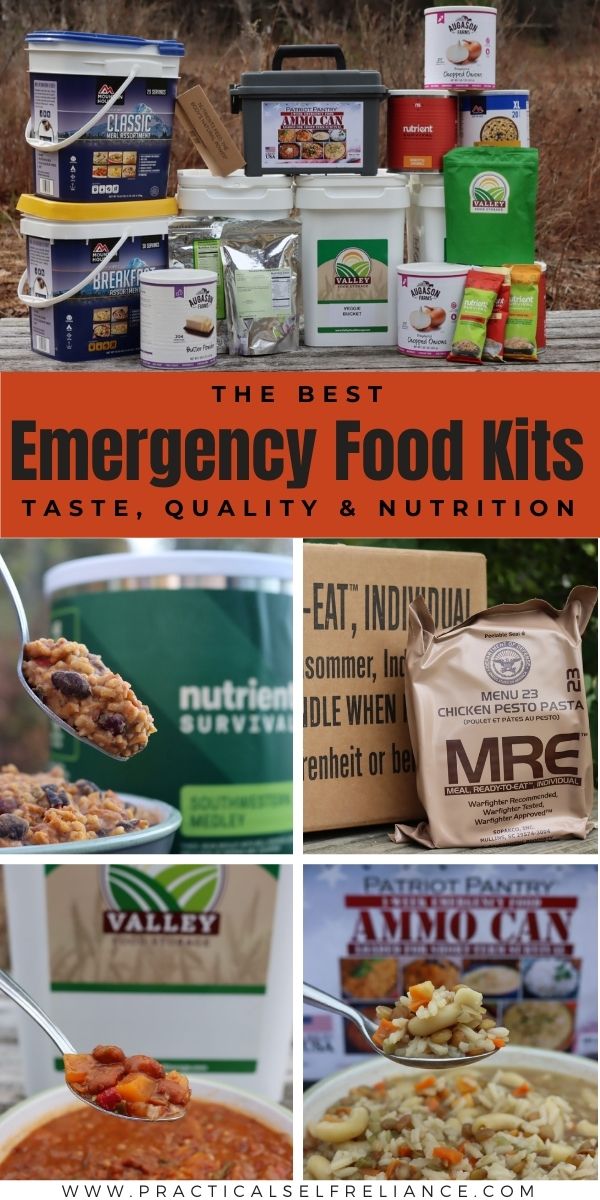
Credit: practicalselfreliance.com

Credit: trueprepper.com
Frequently Asked Questions
What Types Of Food Are Included In Survival Kits?
Survival kits usually contain non-perishable foods like energy bars, dried fruits, nuts, and canned goods. These foods provide essential nutrients and have a long shelf life, making them ideal for emergencies and outdoor survival situations.
How Long Does Survival Kit Food Last?
Most survival kit foods have a shelf life ranging from 1 to 5 years. Proper packaging and storage in cool, dry places extend the food’s usability, ensuring it remains safe and nutritious during emergencies.
Are Survival Kit Foods Nutritious And Energy-dense?
Yes, survival kit foods are designed to be energy-dense and nutritious. They often include a balanced mix of carbohydrates, proteins, and fats to sustain energy and support basic bodily functions.
Can Survival Kit Food Be Eaten Without Cooking?
Many survival kit foods are ready-to-eat and require no cooking. Items like energy bars, nuts, and dried fruits are convenient for quick consumption during emergencies.
Conclusion
Survival kits offer essential food for emergencies. They contain non-perishable items. Canned goods and dried fruits are common. These foods have long shelf lives. Easy to prepare meals are included. They ensure nutrition during crises. Water is also crucial in kits.
Adequate hydration supports survival. Always check expiration dates regularly. Replace items as needed. Having a well-stocked kit boosts readiness. Plan wisely for unexpected events. Preparedness ensures safety and peace of mind. Stay informed and keep your kit updated. Your survival depends on it.