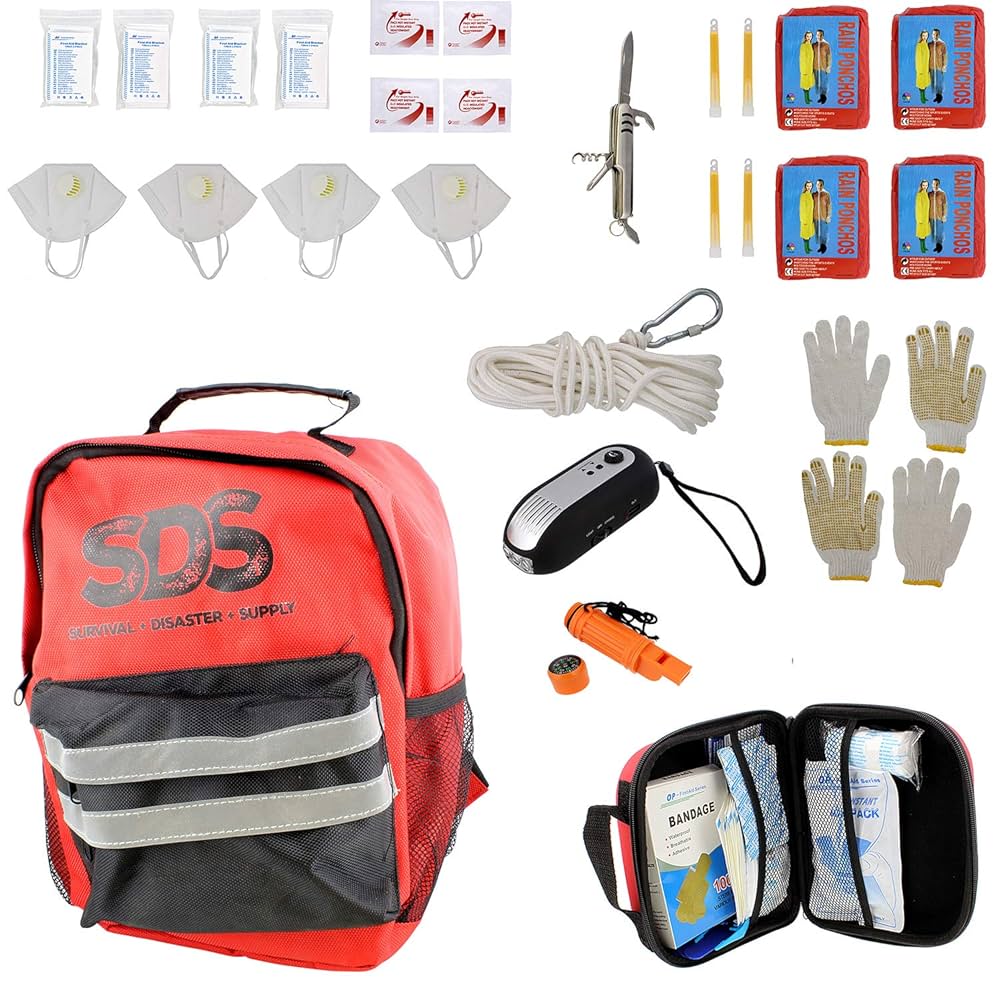
Have you ever wondered what exactly should go in your survival kit? When emergencies strike, having the right items can make all the difference between staying safe and facing unnecessary risks.
You don’t want to be caught off guard without the essentials that keep you alive, comfortable, and calm. This guide will help you build a survival kit tailored to your needs, so you’re ready for anything. Keep reading to discover the must-have items that will give you confidence and peace of mind when it matters most.

Credit: www.rvem.org
Basic Survival Supplies
Basic survival supplies are the foundation of any well-prepared survival kit. These essentials help you meet your most critical needs in an emergency. Focus on items that provide water, food, and medical care. These three categories keep you alive and stable until help arrives or you reach safety.
Choose items that are durable, lightweight, and easy to use. Small, compact tools save space but still deliver high value. Think about different environments and situations when selecting your supplies. Preparing for the unexpected is key.
Water And Hydration Tools
Water is the most important survival need. Always include a reliable water source or purifier in your kit. Store bottled water in sealed containers. Pack water purification tablets to kill germs. A compact water filter helps remove dirt and bacteria. Collapsible water bottles or hydration bladders save space. Drinking clean water prevents dehydration and illness. Carry enough water for at least three days.
Non-perishable Food Items
Food provides energy to keep your body going. Choose items that last long without refrigeration. Good options include canned goods, dried fruits, and nuts. Energy bars and jerky offer quick, portable nutrition. Freeze-dried meals are lightweight and easy to prepare. Pack a manual can opener if needed. Avoid foods that spoil quickly or require cooking tools. Aim for high-calorie, nutrient-rich options.
First Aid Essentials
Injuries happen in survival situations. Your kit should have basic first aid supplies. Include adhesive bandages in various sizes. Sterile gauze pads and medical tape help control bleeding. Antiseptic wipes and antibiotic ointment prevent infection. Pack pain relievers and allergy medicine. Tweezers and scissors assist with wound care. Consider a CPR mask and emergency blanket. Regularly check and replace expired items.

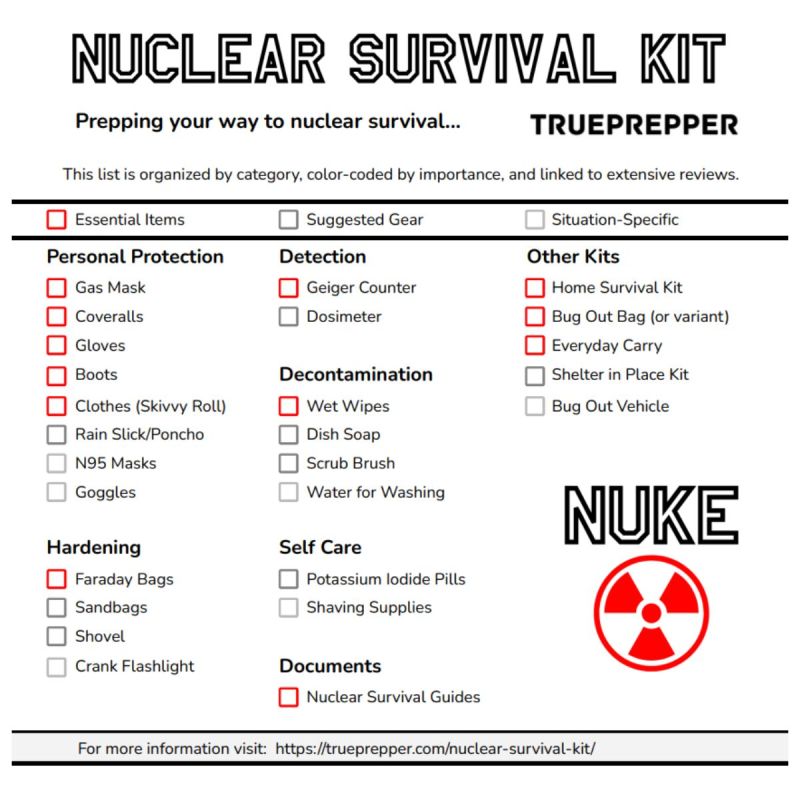
Credit: trueprepper.com
Shelter And Warmth
Shelter and warmth are vital in any survival situation. Protecting your body from cold and harsh weather prevents hypothermia. Staying dry and insulated keeps energy levels up. Your survival kit must include items to create shelter and provide heat quickly. These essentials help you stay safe and comfortable outdoors.
Portable Shelter Options
Choose lightweight and compact shelters for easy carrying. Options include:
- Tent: Offers strong protection from rain and wind.
- Emergency Blanket: Reflects body heat and blocks wind.
- Tarp: Versatile for shelter or ground cover.
- Bivy Sack: Small, waterproof, and windproof.
These items fit well in any survival kit. They help create a safe space fast.
Warm Clothing And Blankets
Layered clothing keeps warmth close to your body. Include:
- Thermal underwear for insulation.
- Waterproof jacket to stay dry.
- Gloves and hats to protect extremities.
- Wool or fleece socks for warmth.
Blankets should be lightweight and heat-retentive. Wool or synthetic blankets work well.
Fire Starting Tools
Fire provides heat, light, and a way to cook food. Pack reliable tools like:
- Waterproof matches or a lighter.
- Fire steel or magnesium striker for sparks.
- Fire starters such as cotton balls soaked in petroleum jelly.
Practice building fires safely before emergencies. Fire skills are essential for survival.
Navigation And Communication
Navigation and communication are vital when you’re out in the wild or facing an emergency. Without the right tools, you can easily lose your way or fail to call for help. Your survival kit should include dependable gear to keep you oriented and connected.
Maps And Compass
A detailed map of the area you’re in is essential. It helps you understand the terrain, locate water sources, and find safe routes.
Pair your map with a reliable compass. Unlike GPS devices, a compass doesn’t rely on batteries or signals, making it a fail-safe option.
Practice reading a map and using a compass before you need them. Knowing how to navigate manually can save your life if technology fails.
Emergency Communication Devices
A fully charged mobile phone is a good start, but don’t depend on it alone. Cell service can be spotty or non-existent in remote locations.
Consider adding a satellite phone or a personal locator beacon (PLB) to your kit. These devices can send distress signals and your GPS coordinates to rescue teams anywhere in the world.
Think about how you will keep these devices powered. Portable solar chargers or extra batteries could be lifesavers.
Signaling Tools
When you need to attract attention, clear signals are your best bet. A whistle is lightweight and can be heard from far away, even if you’re too tired to shout.
Reflective mirrors work great during daylight, catching sunlight to flash signals toward rescuers or passing planes.
Also, pack bright-colored flags or cloth to create visual markers. These can help guide rescuers directly to your location.
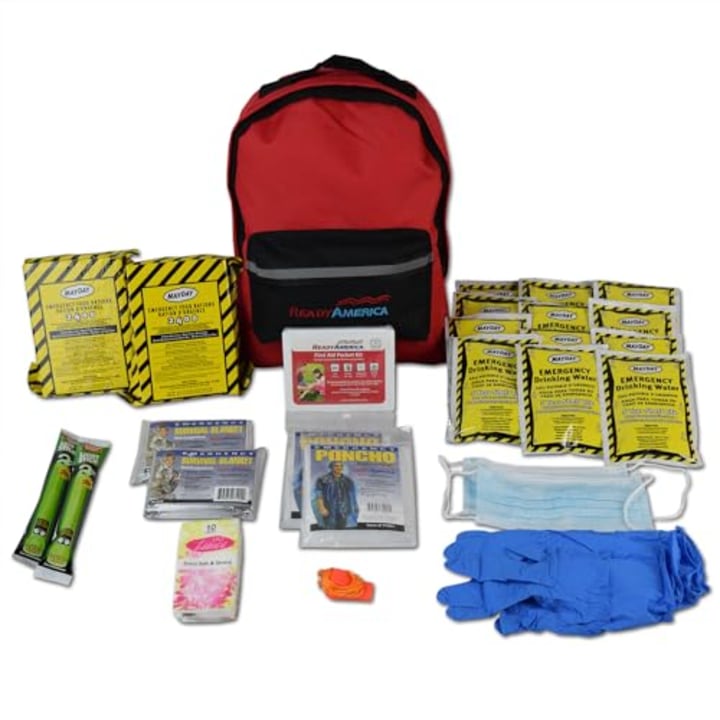
Credit: www.nbcnews.com
Tools And Equipment
Having the right tools and equipment in your survival kit can make a huge difference when you face unexpected situations. These items are your lifelines—they help you build shelter, prepare food, and fix gear. Think about what you really need to keep things running smoothly and safely.
Multi-tools And Knives
A sturdy knife is non-negotiable in any survival kit. It can be used for cutting rope, preparing food, or even self-defense. Multi-tools take this a step further by combining pliers, screwdrivers, scissors, and more into one compact device.
Imagine trying to fix a broken zipper or open a can without these tools—it’s frustrating and wastes precious time. Choose tools that feel comfortable in your hand and have a locking mechanism for safety.
Lighting Sources
Light is crucial when darkness falls, especially if you need to navigate or signal for help. Pack a reliable flashlight with extra batteries and consider a headlamp to keep your hands free. Some people swear by solar or crank-powered lights to avoid battery dependency.
Have you ever been caught outside after sunset without a light source? That moment highlights why a good flashlight isn’t just a convenience—it’s a necessity.
Repair And Maintenance Items
Gear can break, and in survival situations, you must be ready to fix it yourself. Include duct tape, paracord, safety pins, and a small sewing kit in your survival kit. These items help you patch up torn clothing, secure gear, or even create makeshift shelters.
Think about the last time your backpack zipper broke—did you have something to fix it on the spot? Repair items keep your kit functional when you need it most.
Personal Hygiene And Safety
Maintaining personal hygiene and safety in a survival situation is crucial. Cleanliness helps prevent illness and infection. Staying safe protects you from injuries and hazards. Your survival kit should include items that support both hygiene and safety. These supplies ensure you stay healthy and protected during tough times.
Sanitation Supplies
- Antibacterial wipes for quick cleaning
- Hand sanitizer with at least 60% alcohol
- Travel-size soap bars or liquid soap
- Toothbrush and toothpaste
- Feminine hygiene products
- Small towel or washcloth
- Disposable gloves for handling waste
- Sanitary bags for trash and waste
Protective Gear
- Face masks to reduce dust and germs
- Safety goggles to protect eyes
- Work gloves for hand protection
- Sturdy shoes or boots
- Helmet or hard hat if needed
- Reflective vest for visibility
Insect And Sun Protection
- Insect repellent with DEET or natural oils
- After-bite cream or soothing lotion
- Wide-brimmed hat for sun protection
- Sunscreen with at least SPF 30
- Lightweight long-sleeve shirts and pants
Additional Survival Items
Additional survival items enhance your kit beyond the basics. They prepare you for unexpected situations and help maintain your safety and comfort. These items cover essentials like money, power, and special needs.
Cash And Important Documents
Keep some cash in small bills. Paper money works when electronic payments fail. Store copies of IDs, insurance papers, and emergency contacts. Use waterproof bags to protect documents from water damage.
Extra Batteries And Power Sources
Spare batteries keep devices running longer. Include batteries for flashlights, radios, and other gadgets. Portable power banks can recharge phones and small electronics. Solar chargers offer power without electricity.
Specialty Items For Specific Needs
Consider personal health items like prescription medications. Include baby supplies if you have infants. Pack extra glasses or contact lenses if needed. Think about pet food and supplies for your animals.
Frequently Asked Questions
What Are The Essential Items For A Survival Kit?
A survival kit should include water, non-perishable food, a first-aid kit, a flashlight, and a multi-tool. These basics help you stay safe, hydrated, and prepared for emergencies.
How Much Water Should I Pack In My Survival Kit?
Pack at least one gallon of water per person per day. This amount covers drinking and basic hygiene needs for 72 hours.
Which Tools Are Most Useful In A Survival Kit?
Include a reliable knife, multi-tool, fire starter, and whistle. These tools aid in shelter building, signaling, and food preparation.
Should I Include Medication In My Survival Kit?
Yes, pack essential medications and basic first-aid supplies. Include pain relievers, allergy medicine, and any personal prescriptions.
Conclusion
A well-prepared survival kit can save lives. Start with essentials. Water, food, and a first-aid kit. Add tools like a flashlight and a whistle. Don’t forget personal items. Prescription medications, important documents, and extra clothing. Keep your kit easily accessible.
Regularly check and update it. Stay ready for emergencies. Preparedness brings peace of mind. Simple steps ensure safety. Your survival kit is your lifeline. Be proactive and stay safe.