Choosing the right container for your survival kit can make all the difference when every second counts. You want something sturdy, reliable, and easy to carry, but with so many options out there, where do you start?
This guide will help you find the perfect container that fits your needs and keeps your essentials safe and ready. By the end, you’ll know exactly what to look for and how to make your survival kit truly work for you.
Keep reading to discover the key factors that can protect your gear—and maybe even save your life.

Credit: grimworkshop.com
Key Factors For Survival Containers
Choosing the right container for a survival kit is crucial. It protects your supplies and keeps them ready for use. Several key factors affect which container works best for your needs. These include size, durability, waterproofing, and portability. Each factor ensures your kit stays safe and accessible in emergencies.
Size And Capacity
The container must hold all essential items comfortably. Avoid containers that are too small or too large. A good size fits your gear without wasting space. Consider the number of items and their shapes. Think about adding or removing supplies over time.
Durability And Material
Strong materials protect contents from damage. Look for containers made of tough plastic, metal, or heavy-duty fabric. The material should resist impacts, drops, and rough handling. Avoid containers that crack or break easily. Durable containers last longer and keep supplies safe.
Waterproof And Airtight Features
Water and air can ruin survival gear quickly. Choose containers with tight seals to prevent moisture and dust entry. Waterproof containers protect against rain, floods, or spills. Airtight seals keep food and electronics fresh and dry. Check for rubber gaskets or locking lids for a secure closure.
Portability And Weight
Survival containers should be easy to carry. Lightweight containers reduce fatigue during travel. Look for handles, straps, or compact designs. Consider your transport method—on foot, in a vehicle, or backpack. Portable containers make it easier to take your kit anywhere.
Credit: www.safetykitsplus.com
Popular Container Types
Choosing the right container for your survival kit can make a big difference in how well your supplies stay organized, protected, and accessible. The container you pick should match your environment, mobility needs, and the type of gear you carry. Let’s look at some popular container types that many survivalists trust to keep their essentials safe and ready.
Plastic Totes And Bins
Plastic totes and bins offer a lot of space and are easy to stack or store. They are lightweight and usually affordable, making them a solid choice if you’re setting up a home or car survival kit. These containers come with snap-tight lids that help keep out dust and moisture, but they may not be fully waterproof.
Think about whether you’ll need to carry your kit often. Plastic bins are great for stationary kits but less convenient for quick grabs or hiking. Adding labels on the outside helps you find what you need fast, especially in stressful situations.
Metal Ammo Cans
Ammo cans are known for their durability and excellent waterproof seals. They can protect your gear from crushing and moisture better than most plastic containers. Their sturdy build makes them perfect for harsh conditions or long-term storage.
One downside is their weight, which might slow you down if you need to move quickly. However, if you want a container that can handle rough handling and keep your items dry, ammo cans are worth considering.
Dry Bags And Waterproof Cases
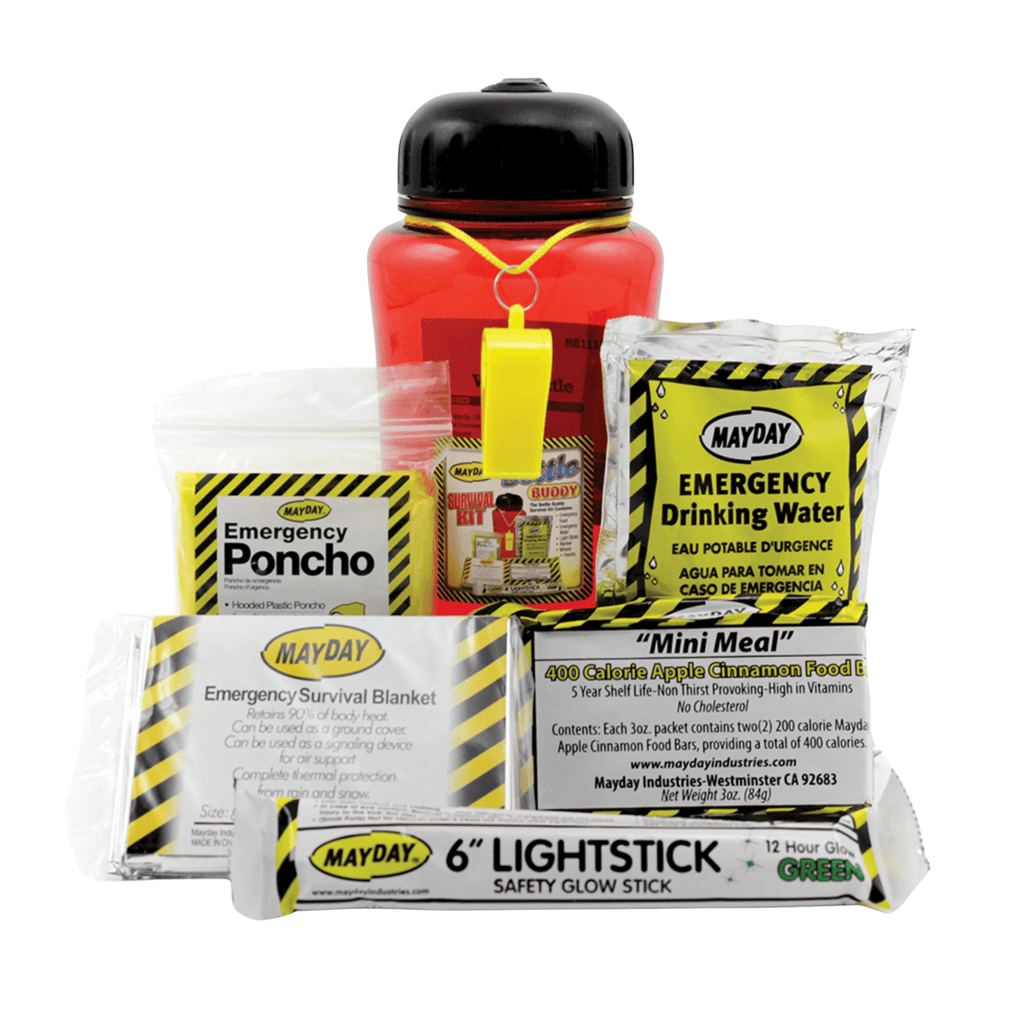
Dry bags and waterproof cases are ideal if you expect wet or rainy conditions. They come in various sizes and are flexible, making them easy to pack into backpacks or vehicles. These containers are great for protecting electronics, documents, and clothing from water damage.
Have you ever had your gear soaked and ruined after a sudden downpour? Using a dry bag can prevent that frustration. Just remember to roll the top tightly to keep water out effectively.
Backpacks And Tactical Packs
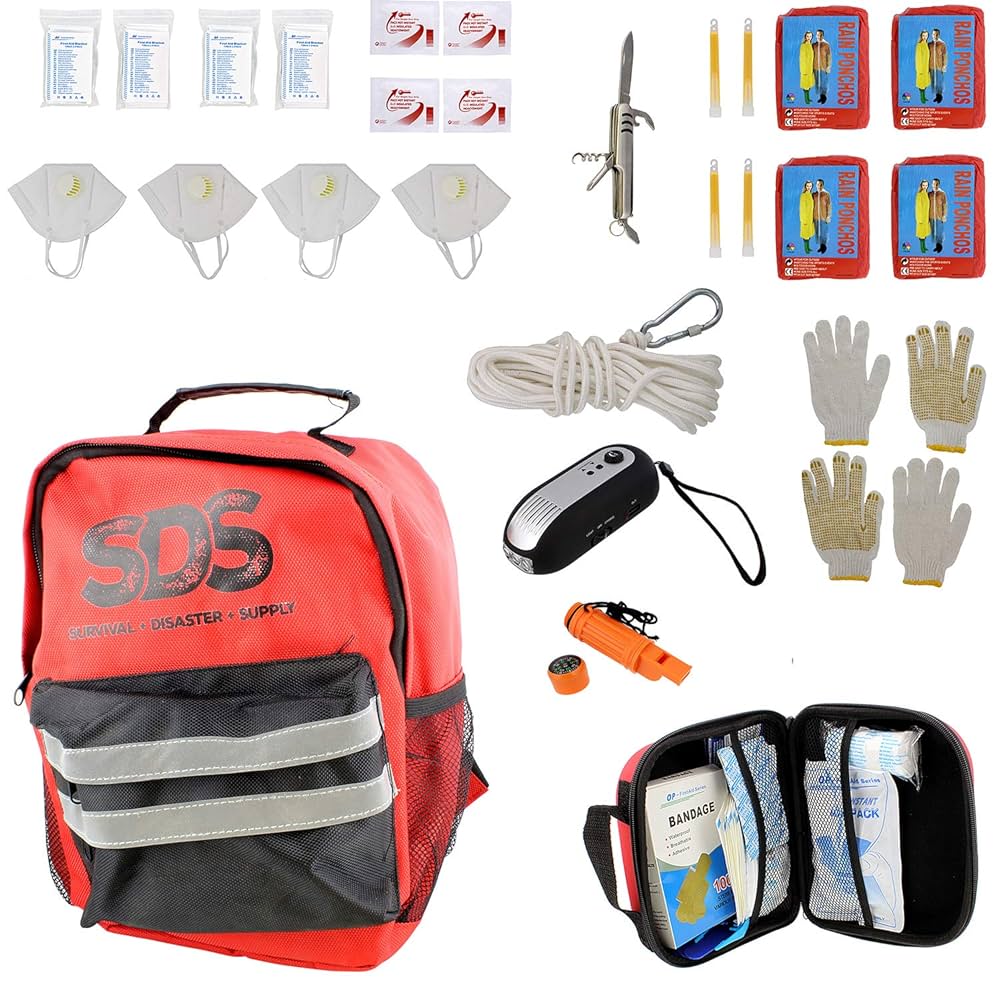
Backpacks and tactical packs combine storage with mobility, letting you carry your survival kit hands-free. They often include multiple compartments, MOLLE webbing for extra gear, and padded straps for comfort. This makes them perfect for bug-out bags or situations where you need to move fast.
Consider how much weight you can carry comfortably and what gear you want close at hand. Tactical packs often have built-in hydration options and quick-access pockets, which can be real lifesavers in an emergency.
Material Pros And Cons
Choosing the right container for your survival kit depends heavily on the material. Each material offers unique benefits and challenges. Understanding these pros and cons helps you pick a container that fits your needs. Consider weight, durability, protection, and ease of use when selecting the material.
Plastic Advantages And Drawbacks
Plastic containers are lightweight and often waterproof. They resist rust and corrosion, making them good for wet environments. Many plastic containers have tight seals to keep contents dry.
- Lightweight and easy to carry
- Water-resistant with airtight seals
- Affordable and widely available
- Less durable under heavy impact
- Can crack in extreme cold or heat
- May degrade over time with sun exposure
Metal Strengths And Limitations
Metal containers offer excellent durability and strength. They protect contents from physical damage and extreme temperatures. Many metals resist corrosion but can be heavier than plastic.
- Highly durable and impact-resistant
- Protects against crushing and punctures
- Can withstand high temperatures
- Heavier to carry compared to plastic
- May rust if not stainless steel or coated
- Often more expensive than plastic options
Fabric And Composite Options
Fabric and composite containers are flexible and lightweight. They often include waterproof liners for protection. These containers are easy to store and carry but offer less physical protection.
- Lightweight and flexible for easy packing
- Some have waterproof or water-resistant layers
- Good for organizing smaller items
- Less protection against crushing or impact
- Can wear out or tear over time
- May absorb moisture if not properly sealed
Storage Tips For Survival Kits
Proper storage is key to a survival kit’s usefulness. Organizing supplies well saves time and reduces stress in emergencies. A good container and smart storage habits keep items safe and ready to use.
Organizing Supplies Efficiently
Divide your survival kit into sections based on item types. Use small bags or compartments inside the main container. Group first aid, food, tools, and fire-starting gear separately. This setup helps find items quickly when needed.
Arrange heavier items at the bottom to keep the kit stable. Place frequently used items near the top or outside pockets. Keep sharp tools in protective cases to avoid damage or injury.
Labeling And Accessibility
Label each section or bag clearly. Use simple words or pictures for easy identification. This saves precious time during emergencies. Make sure labels are waterproof or laminated to avoid smudging.
Store the kit in a place everyone knows. Keep it easy to reach but safe from children or pets. Regularly check the kit to ensure all items remain accessible and nothing is blocked or buried.
Maintaining Freshness And Functionality
Check expiration dates on food, medicine, and batteries often. Replace expired or damaged items immediately. Store food in airtight containers to keep it fresh longer.
Keep electronic items dry and test them regularly. Use silica gel packets to reduce moisture inside the container. Clean and dry tools after use to prevent rust and wear.
Special Considerations
Choosing the right container for a survival kit involves more than just size and shape. Special factors affect how well your supplies stay safe and usable. Think about the environment where you live and how long you plan to store your items. Budget also plays a role in picking the best container without overspending.
Climate And Environment Impact
Weather affects your container choice. Hot, humid places need airtight and waterproof containers. Moisture can ruin food and electronics fast. Cold climates require containers that can resist freezing and cracking. Dusty or sandy areas call for sealed containers to keep debris out. Consider containers made of durable plastic or metal that block light and air.
Long-term Vs Short-term Storage
Short-term kits need easy access and lightweight containers. Long-term storage demands containers that prevent moisture, pests, and corrosion. Vacuum-sealed bags inside hard cases work well for long storage. Label containers clearly for quick identification. Choose stackable containers to save space if storing many kits.
Budget-friendly Container Choices
Good survival containers do not have to be expensive. Look for sturdy plastic bins with tight lids. Repurposed containers like ammo boxes or storage totes can work well. Avoid containers that break easily or have weak seals. Check local stores for sales or secondhand options. Balance cost with durability for best value.

Credit: grimworkshop.com
Frequently Asked Questions
What Is The Best Container For A Survival Kit?
The best container for a survival kit is durable, waterproof, and lightweight. Consider using a hard plastic or metal case. Ensure it has a secure seal to keep contents dry. Portability is crucial, so choose a size that fits your needs.
A clear container helps you easily see and access items.
Can I Use A Backpack For My Survival Kit?
Yes, a backpack can be a great option for a survival kit. It offers flexibility and portability. Ensure it is durable and waterproof. Look for multiple compartments to organize your items. A comfortable fit is essential, especially for long hikes.
Choose one with padded straps for added comfort.
Are Waterproof Containers Necessary For Survival Kits?
Yes, waterproof containers are crucial for protecting your survival kit contents. They ensure items remain dry and functional. Water can damage essential supplies like matches and food. A waterproof container adds an extra layer of security. Choose one with a reliable seal to prevent water ingress.
How Do I Choose The Right Size Container?
Choose a container size based on the essentials you need. Consider your survival timeframe and number of people. A compact size is ideal for portability. Avoid overpacking to maintain accessibility. Prioritize essential items and ensure they fit comfortably. Remember, organization is key for quick access.
Conclusion
Choosing the right container keeps your survival kit safe and ready. A sturdy, waterproof box protects items from damage. Compact containers save space and make carrying easy. Think about where you will store and carry it. Durability matters most during emergencies.
A good container helps you stay prepared and calm. Keep your kit organized and check it often. The right container makes a real difference in survival situations. Simple choices lead to better readiness every day.