When it comes to survival, having the right knife can make all the difference between staying safe and facing serious trouble. You want a knife that’s reliable, sharp, and ready for anything—whether you’re building shelter, preparing food, or defending yourself.
But with so many options out there, how do you know which ones are truly essential for your survival kit? You’ll discover the must-have knives that can boost your confidence and keep you prepared in any situation. Keep reading to find out exactly what you need to stay sharp and stay alive.
Credit: www.fieldmag.com
Survival Knife Basics
Choosing the right survival knife is more than just picking a sharp blade. It’s about understanding the key features that make a knife reliable when you really need it. Your survival knife should be a tool that feels like an extension of your hand, ready to tackle a wide range of tasks from cutting rope to preparing food and even self-defense.
Blade Types And Materials
The blade type affects how well your knife performs in different survival situations. Fixed blades are popular for their strength and durability, while folding blades offer compactness but can be less sturdy. Consider blade shapes like drop point for versatility or tanto for piercing power.
Steel quality matters a lot. High carbon steel holds an edge well and is easy to sharpen but might rust if not cared for. Stainless steel resists corrosion but can be harder to sharpen. If you’ve ever struggled with a dull blade in the wild, you know how frustrating it can be—choose a material that fits your maintenance ability and environment.
Handle Features
Your grip on the knife can make or break your experience. Look for handles with textured surfaces or rubber inserts that prevent slipping, especially in wet conditions. Comfort is key—handles that are too hard or too soft can cause blisters or fatigue during extended use.
Some survival knives add extra features like finger guards or lanyard holes, which can improve safety and handling. Think about situations where you might need a secure grip even when wearing gloves or dealing with sweat. What handle design would give you the most confidence in tough conditions?
Blade Size Considerations
Blade length affects versatility and portability. A blade around 4 to 6 inches is usually a good balance for survival tasks. Shorter blades offer better control for precision work, while longer blades can handle heavier cutting and chopping.
Remember, a larger knife isn’t always better. Carrying a bulky blade can slow you down and make it harder to perform delicate tasks. What tasks do you expect to do most often? Your answer should guide your blade size choice.
Fixed Blade Knives
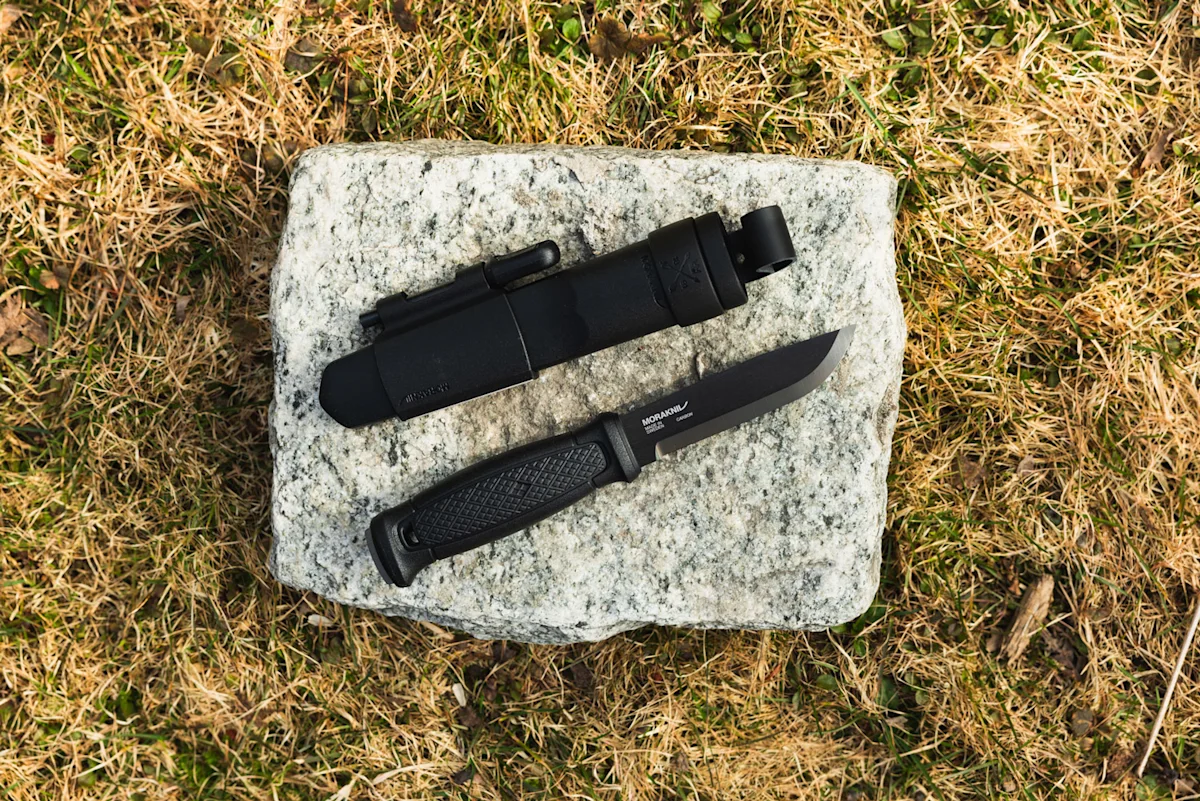
Fixed blade knives are essential tools for survival situations. These knives have blades that do not fold or move, offering strength and reliability. Their solid construction makes them ideal for tough tasks like cutting wood, preparing food, and building shelter. A well-chosen fixed blade knife can be a lifesaver in the wild.
Advantages In Survival
- Strong and durable for heavy use
- Easy to clean and maintain
- Reliable without moving parts to break
- Can handle various tasks in the wild
- Offers better control for precision work
Popular Fixed Blade Styles
- Bowie: Large blade, good for chopping and defense
- Drop Point: Versatile with a strong tip for detailed work
- Clip Point: Sharp tip, great for piercing tasks
- Full Tang: Blade extends through handle for extra strength
- Survival Knife: Designed specifically for outdoor survival needs
Maintenance Tips
- Keep the blade clean and dry to prevent rust
- Sharpen regularly using a whetstone or sharpener
- Oil the blade lightly to protect against moisture
- Store in a sheath to avoid damage and accidents
- Check handle for cracks or looseness often
Folding Knives
Folding knives offer a compact and reliable tool for survival situations. Their sharp blades fold safely, making them easy to carry and use anywhere. Ideal for cutting, carving, or self-defense, these knives are essential for outdoor adventures.
Folding knives are essential tools for survival enthusiasts. These knives are compact and versatile. They fit easily into your pocket or backpack. Ideal for quick access during emergencies. Their foldable design makes them safe and easy to carry.Portability And Convenience
Folding knives are lightweight and compact. Their small size makes them easy to carry. You can slip them into your pocket without hassle. This portability is crucial in survival situations. Quick access can be a lifesaver. Folding knives offer the convenience of easy storage. You can carry them anywhere with minimal space.Locking Mechanisms
A reliable locking mechanism is vital. It ensures the blade stays open when needed. This feature prevents accidental closure. Common mechanisms include liner lock and frame lock. They provide safety during use. A secure lock enhances the knife’s effectiveness. It allows you to perform tasks confidently.Best Folding Knives For Survival
Finding the best folding knife depends on your needs. Consider blade material and durability. Stainless steel blades are popular for their rust resistance. Look for a comfortable handle for a firm grip. Brands like Benchmade and Spyderco are well-regarded. They offer durability and functionality. Choose a knife that suits your environment. The right tool can make all the difference.
Credit: www.amazon.ca
Specialty Survival Blades
Specialty survival blades serve unique roles beyond basic cutting. Each blade type offers specific features suited for tough situations. Choosing the right specialty blade can improve your chances during survival scenarios.
These knives are designed for particular tasks. Their shapes and functions meet precise needs. Carrying one or more adds versatility to your survival kit.
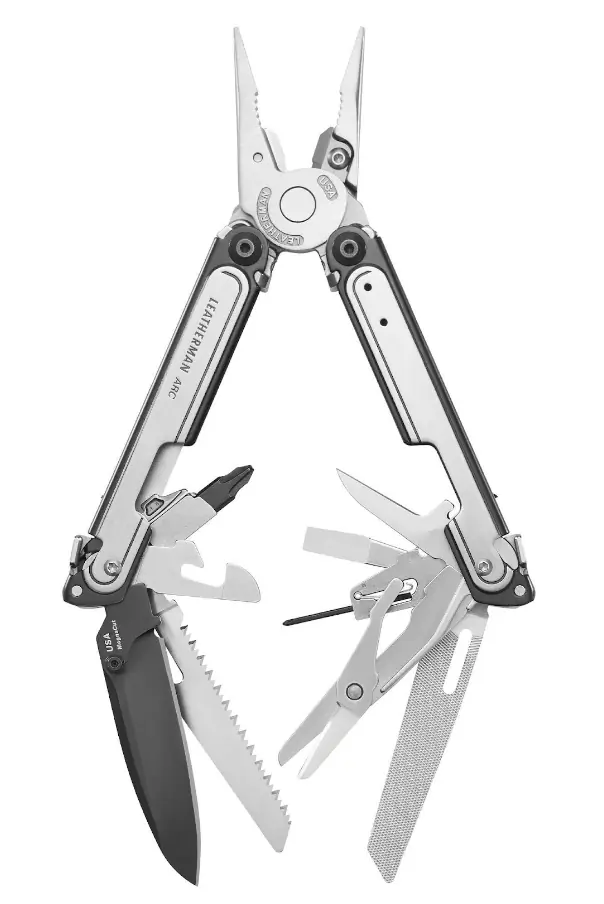
Multi-tool Knives
Multi-tool knives combine several tools in one compact design. They include blades, screwdrivers, can openers, and pliers.
These knives save space and weight. They allow quick access to different tools without carrying many items. Their versatility proves valuable in emergencies.
Gut Hook And Skinning Blades
Gut hook and skinning blades have curved edges for precise cuts. They excel in field dressing game animals.
The gut hook helps open animal bellies without puncturing organs. Skinning blades remove hides cleanly and efficiently. Hunters and survivalists appreciate these specialized edges.
Rescue And Tactical Knives
Rescue knives focus on quick, safe cutting in emergencies. They often feature serrated edges and seatbelt cutters.
Tactical knives provide durability and reliability under stress. Their strong blades and ergonomic grips support various survival tasks. Both types prioritize safety and speed.
Knife Accessories
Having the right knife is crucial for survival, but the accessories that come with or complement your knife can make a huge difference in how effective and convenient it is to use. Knife accessories help protect your blade, keep it sharp, and make carrying easier. Without these, even the best knife can become a hassle or lose its usefulness quickly.
Sheaths And Carry Options
Your knife’s sheath is more than just a cover—it’s a safety device and a carry solution. A good sheath keeps the blade protected and close to you, ready for quick access. Consider sheaths made from durable materials like Kydex or leather, which resist wear and keep your knife secure.
Think about how you carry your knife. Do you prefer it on your belt, strapped to your pack, or inside a pocket? Some sheaths offer multiple carry options, including MOLLE compatibility, which can be a game changer when you need versatility. Have you tested your sheath in different positions to find what’s fastest and most comfortable?
Sharpening Tools
A sharp knife is a safe knife. Keeping your blade razor-sharp is essential for everything from cutting rope to preparing food. Carrying a compact sharpening tool, like a pocket stone or a ceramic rod, ensures you can maintain your edge anywhere.
Try sharpening your knife after every few uses rather than waiting until it’s dull. This small habit saves time and effort in the long run. Have you ever struggled with a dull blade when you needed it most? Avoid that frustration by having the right tool on hand.
Blade Care Kits
Survival knives face dirt, moisture, and rust. Blade care kits help protect your investment by providing oils, cleaning cloths, and rust removers. Regular maintenance keeps your knife functioning smoothly and prolongs its lifespan.
Think of your blade care kit as a first-aid kit for your knife. Even a quick wipe-down and oiling after use can prevent corrosion and damage. What’s your routine for knife maintenance—could it be improved with a simple kit?

Credit: www.nothingbutknives.com
Choosing The Right Survival Knife
Choosing the right survival knife is key for outdoor safety and efficiency. This tool must fit your needs perfectly. The right knife improves your chances in tough situations. Many factors affect the choice of knife. Consider the environment, your budget, and your skill level. These points ensure you pick the best knife for survival tasks.
Matching Knife To Environment
Different environments require different knives. A knife for forest survival differs from one for desert use. In forests, a heavier blade helps cut wood and clear brush. Dry, hot areas need a lighter, rust-resistant knife. Saltwater environments call for corrosion-resistant materials. Know the tasks your environment demands. Choose a knife with the right size and blade type for those tasks.
Budget Vs Quality
Price affects knife quality but does not tell the whole story. Cheap knives may break or dull quickly. High-quality knives last longer and perform better. Spend money on trusted brands and good materials. Avoid very cheap knives that use low-grade steel. Balance your budget with the need for reliability. A good survival knife is an investment in safety.
Personal Skill Level
Your experience matters when choosing a survival knife. Beginners should pick simple, easy-to-use knives. Complex knives with many features may confuse new users. Experts can handle specialized knives for advanced tasks. Know your comfort level with knife handling. Practice with your knife before facing real survival situations. A well-chosen knife matches your skills and confidence.
Essential Knife Skills
Mastering essential knife skills can be the difference between thriving and struggling in a survival situation. Your knife is more than a tool—it’s an extension of your hands and your lifeline to safety. Getting comfortable with how to use it confidently can save you time, energy, and even your life.
Basic Cutting Techniques
Start by learning how to hold your knife securely to avoid slips. Use a firm grip with your thumb and fingers wrapped around the handle. Practice controlled slicing motions rather than hacking; it’s safer and more efficient.
Try cutting different materials like rope, wood, and fabric to build your skill set. Notice how the angle of the blade affects the cut—sharper angles work better for precise cuts, while wider angles are good for heavy-duty tasks. Have you ever struggled to carve a stick simply because you didn’t know the right cutting angle?
Fire Starting With A Knife
Your knife can help you create sparks or prepare kindling for fire. Striking a ferrocerium rod with the back of your knife blade sends sparks onto dry tinder. Be sure to hold the rod close to your tinder to catch sparks quickly.
Another way is to feather stick wood by shaving thin curls that catch fire easily. This takes patience and a sharp blade, but it’s a reliable method when matches or lighters aren’t available. Have you tried making feather sticks before? It’s a simple skill that boosts your fire-starting success.
Shelter Building Uses
Building a shelter often requires shaping wood and cutting natural materials. Use your knife to trim branches, cut vines for tying, or carve notches to fit pieces together. A strong, sharp knife makes these tasks much easier and more precise.
Don’t underestimate the importance of clean cuts in shelter construction. Jagged edges can weaken the structure or cause injuries. How often do you think about the role your knife plays beyond just cutting food or opening packages?
Frequently Asked Questions
What Are The Essential Survival Knives To Carry?
Essential survival knives include a fixed blade, folding knife, and a multi-tool. Each serves unique tasks like cutting, carving, or repairing gear. Choose knives made from high-quality steel for durability and corrosion resistance to ensure long-lasting performance in survival situations.
How To Choose The Best Survival Knife Blade Type?
Choose a blade type based on intended use. Drop point blades offer strength and versatility. Tanto blades are great for piercing tasks. Serrated edges help cut ropes. Pick a blade combining strength, sharpness, and ease of maintenance for survival needs.
Why Is A Fixed Blade Knife Preferred For Survival?
Fixed blade knives are stronger and more reliable than folding knives. They handle tough tasks like batoning and chopping without risk of folding. Their solid construction makes them ideal for heavy-duty survival activities and long-term use in harsh environments.
Can A Multi-tool Replace A Dedicated Survival Knife?
A multi-tool offers versatility but lacks the strength of dedicated survival knives. It’s useful for minor repairs and small tasks. However, a dedicated fixed blade knife is essential for heavy cutting, shelter building, and food preparation in survival scenarios.
Conclusion
Choosing the right survival knives can make a big difference. Each knife has its own use and strength. A good knife helps with cutting, building, and even protection. Keep your knives sharp and clean for best use. Remember, practice with your knives to feel confident.
Stay prepared and stay safe in any situation. The right knives are tools that can help you survive. Trust your gear and your skills. Ready for the next adventure?