Imagine having everything you need to stay safe and prepared, all packed into something small enough to fit right in your pocket. Sounds convenient, right?
Whether you’re hiking, traveling, or just want peace of mind during your daily routine, a pocket-sized survival kit can be a game-changer. You’ll discover simple steps to create your own compact survival kit that’s ready for any unexpected situation. Keep reading, and you’ll learn how to stay prepared without carrying a heavy load.
Choosing The Right Container
Choosing the right container for your pocket-sized survival kit is crucial. It affects not only what you can carry but also how well your supplies stay protected. A good container keeps everything organized, safe, and ready whenever you need it.
Size And Durability
Your container needs to fit comfortably in your pocket without feeling bulky. Think about what items you want to include and pick a size that holds them without wasting space. Durability matters just as much; a flimsy case can break open or get crushed, leaving your gear scattered or damaged.
I once used a small plastic box that cracked after a day of hiking, which forced me to rethink my choice. Now, I prefer sturdy metal tins or tough plastic cases that can handle drops and pressure. Would you rather carry a container that can take a beating or one that risks breaking when you need it most?
Waterproof Options
Water can ruin your survival kit in seconds. Choosing a waterproof container protects your essentials from rain, spills, or accidental drops in water. Look for containers with rubber seals or silicone gaskets to keep moisture out.
Some waterproof boxes have locking mechanisms that keep the lid secure during rough outdoor activities. If your container isn’t fully waterproof, consider adding small desiccant packets to absorb any moisture inside. How often have you experienced soggy matches or wet bandages in a survival situation?
Accessibility Features
When you need your survival gear, every second counts. Pick a container that’s easy to open quickly but still secure enough to avoid accidental spills. Features like a flip-top lid, snap closures, or magnetic seals can make a big difference.
Think about how you’ll access the kit while wearing gloves or in low light conditions. Some containers even come with keychain loops or belt clips for easy carrying. Could your current container slow you down when you need to grab an item fast?

Credit: www.youtube.com
Essential Survival Tools
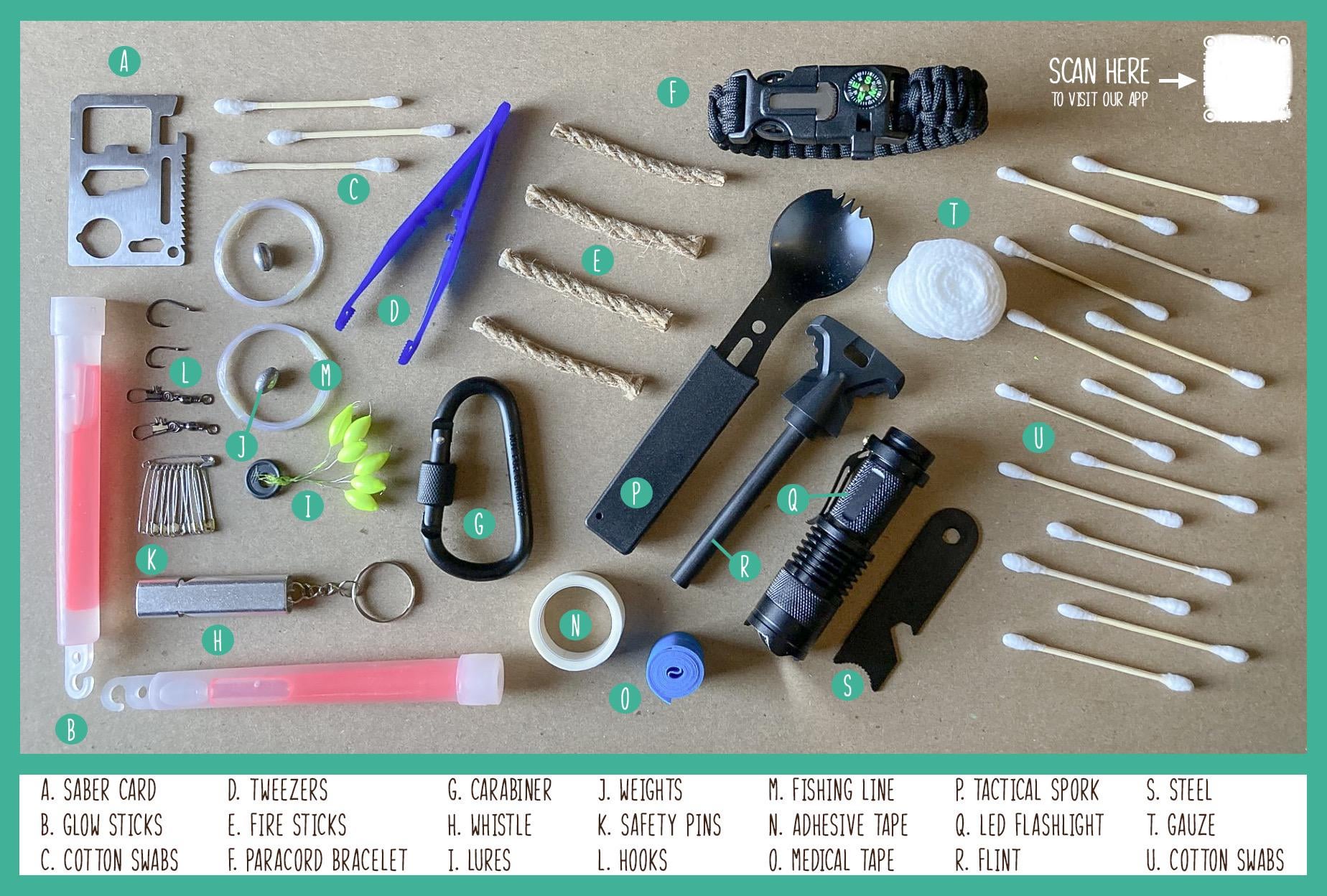
Having the right tools in your pocket-sized survival kit can make all the difference when you’re in a tough spot. Essential survival tools are compact, versatile, and reliable. They help you address basic needs like making fire, cutting materials, and signaling for help, which are critical for staying safe and calm.
Fire Starters
Fire is more than warmth; it’s a lifeline. Including a fire starter in your kit means you can quickly get a flame going without relying on matches or lighters, which can fail when wet or run out.
Popular options include ferro rods and waterproof matches. Ferro rods produce sparks even when damp, and waterproof matches stay usable in rain. Have you tested your fire starter in wet conditions? It’s a simple step that can save your life.
Cutting Tools
A sharp cutting tool is invaluable. It helps you prepare food, cut rope, or create kindling for fire. Small but sturdy folding knives or multi-tools fit perfectly in a pocket-sized kit.
Choose blades with a locking mechanism for safety. Avoid flimsy scissors or cheap knives—they break easily. Reflect on the last time you needed to cut something urgently; was your tool up to the task?
Signal Devices
Being able to signal for help is crucial when you’re lost or in distress. Compact devices like whistles or signal mirrors take up little space but can attract attention from far away.
A whistle can be heard over long distances and requires no batteries. Signal mirrors reflect sunlight and can catch the eye of rescuers. Think about how you would call for help if you had no phone—these tools bridge that gap effectively.
Basic First Aid Supplies
Basic first aid supplies are the backbone of any pocket-sized survival kit. They help you handle minor injuries quickly, preventing infections and easing pain until professional help arrives. Packing the right items means you’re ready for common emergencies without carrying unnecessary bulk.
Bandages And Dressings
Bandages and dressings protect wounds from dirt and bacteria. Include a mix of adhesive bandages in various sizes for small cuts and blisters. Add sterile gauze pads to cover larger wounds and keep them clean.
Don’t forget a small roll of medical tape to secure dressings in place. Elastic bandages can be useful for sprains or wrapping injuries tightly. Think about what injuries you might face and pack accordingly.
Antiseptics And Ointments
Cleaning a wound properly is key to avoiding infection. Pack antiseptic wipes or small bottles of antiseptic solution like iodine or hydrogen peroxide. These help kill germs right after an injury.
A tube of antibiotic ointment can speed up healing and reduce the risk of infection. You might also want to include a burn cream or aloe gel for soothing skin irritations. Which antiseptic would you trust most if you had to clean a wound in the wild?
Medications To Include
Think about the common ailments you might face and add medications accordingly. Pain relievers like ibuprofen or acetaminophen are essential for managing pain and reducing fever.
Antihistamines help if you have allergic reactions or insect bites. Don’t overlook medications for upset stomachs, like antacids or anti-diarrheal tablets. Carrying these can make a big difference in discomfort and recovery during an emergency.
Food And Water Essentials
Food and water are crucial for survival. Without them, energy and focus drop fast. A pocket-sized survival kit must include reliable food and water options. These essentials should be light, compact, and long-lasting. Choose items that provide good nutrition and hydration in small packages.
Compact Food Items
Choose foods that are small but high in calories. Look for items that don’t spoil easily. Examples include:
- Energy bars or protein bars
- Dry nuts and seeds
- Dried fruits like raisins or apricots
- Freeze-dried meals or snacks
- Hard candies or gum for quick energy
These foods fit well in small spaces and provide energy quickly.
Water Purification Methods
Clean water is vital. Carry a way to purify water from natural sources. Common options are:
- Water purification tablets
- Portable water filters
- Small UV light purifiers
- Boiling water over a fire (if possible)
Choose methods that suit your kit size and ease of use. Always have a backup purification option.
Storage Tips
Keep food and water supplies safe and dry. Use sealed containers or resealable bags. Store items in waterproof pouches to avoid damage. Rotate food items regularly to prevent spoilage. Label food with dates for quick checks. Arrange items for easy access during emergencies.
Navigation And Communication
Navigation and communication tools are essential for any survival kit. They help you find your way and signal for help. Without these, getting lost or stranded becomes more dangerous. Keeping these tools small and effective fits well in a pocket-sized kit.
Compact Compasses
Small compasses are vital for basic navigation. They do not need batteries and are reliable. Choose a compass with clear markings and a rotating bezel. Many models fit easily in a pocket or on a keychain. Practice using it before you need it.
Whistles And Mirrors
Whistles send loud, clear signals to rescuers. They require no power and work even if you are tired. A small mirror reflects sunlight to catch attention from far away. Both items are lightweight and take little space. Keep them accessible for quick use.
Emergency Contact Tools
Include simple tools to share your location or call for help. A basic mobile phone with emergency numbers saved is useful. A small notepad and pencil allow writing important messages. Consider a compact, solar-powered charger to keep devices working.

Credit: m.youtube.com
Clothing And Shelter Items
Clothing and shelter items are vital for any pocket-sized survival kit. They protect the body from harsh weather and help maintain warmth. These items also offer comfort and safety in unexpected situations. Choosing lightweight, compact, and versatile gear ensures your kit stays small but effective.
Thermal Blankets
Thermal blankets are thin and light. They reflect body heat to keep you warm. These blankets fold into a small size and fit easily in a pocket. Use them to prevent hypothermia or as a ground cover. They also shield against wind and rain.
Rain Protection
Rain protection is essential for staying dry and comfortable. A small poncho or rain jacket works well. Look for waterproof and breathable materials. These items pack small and can double as shelter or a ground sheet. Staying dry helps avoid sickness and fatigue.
Multi-use Clothing
Multi-use clothing saves space and adds value. Items like a bandana, buff, or light gloves serve many purposes. They protect from sun, cold, and dust. A quick-dry shirt or pants can be worn long or used as a wrap. Choose clothing that folds small and dries fast.
Packing Tips For Portability
Packing a pocket-sized survival kit requires more than just stuffing items into a small bag. You want your kit to be easy to carry, quick to access, and balanced so it doesn’t weigh you down. Thoughtful packing can make all the difference when every second counts.
Organizing Small Items
Small items can easily get lost or tangled if not organized properly. Use small, clear ziplock bags or mini pouches to group similar items like fire starters, fishing hooks, or bandages. This keeps everything visible and prevents digging through a mess when you need something fast.
Try labeling each pouch or using color-coded bags to find essentials quickly. Have you ever fumbled around trying to find a tiny compass or multitool? A little organization saves precious time and frustration.
Weight Distribution
Carrying a survival kit in your pocket means weight matters a lot. Distribute heavier items evenly to avoid discomfort and awkward bulges. Place denser objects like a small knife or lighter at the bottom or center to stabilize the kit.
Keep lighter, bulky items like bandanas or gauze around the edges to balance out the load. Ask yourself, would you want a heavy lump pressing against your thigh all day? Thoughtful weight distribution keeps your kit comfortable and easy to carry.
Regular Maintenance
A survival kit isn’t something you pack once and forget. Regularly check your items for expiration dates, damage, or missing pieces. Replace batteries, refresh medications, and restock consumables to keep your kit ready at all times.
Set a reminder every few months to review your kit. How confident would you feel pulling out your kit in an emergency only to find a dead lighter or torn bandage? Staying on top of maintenance ensures your kit works when you need it most.
Customizing Your Kit
Customizing your pocket-sized survival kit makes it truly useful. Each kit should match your lifestyle and the challenges you expect. Tailoring your kit helps you carry only what you need without extra weight.
Think about where you will use the kit most. Consider your health and daily habits. Changing the kit with seasons keeps it ready for any weather.
Considering Environment
Think about the place you will visit. If you go to the forest, pack insect repellent and a small knife. For urban areas, include a flashlight and whistle. Water purification tablets suit outdoor adventures. Match your kit to your surroundings for better safety.
Personal Needs
Everyone has unique needs. Include any medicines you take daily. Add allergy medicine if needed. If you wear glasses, carry a spare pair or repair kit. Include snacks that you can eat quickly. Think about your physical condition and comfort items.
Seasonal Adjustments
Change your kit with the seasons. In winter, add hand warmers and a small emergency blanket. Summer kits need sunscreen and extra water packs. Spring and fall may require rain gear or extra layers. Adjusting your kit keeps you prepared all year.

Credit: grimworkshop.com
Frequently Asked Questions
What Essential Items Fit In A Pocket Sized Survival Kit?
A pocket sized survival kit typically includes a small knife, fire starter, whistle, compact first aid, and water purification tablets. These essentials cover basic survival needs like shelter, signaling, and health in emergencies.
How To Choose The Best Container For A Survival Kit?
Select a durable, waterproof, and compact container. It should fit easily in your pocket and protect contents from damage and moisture.
Can A Pocket Sized Kit Handle Emergency Situations?
Yes, it can manage minor emergencies by providing key survival tools. However, for extended survival, larger kits with more supplies are better.
How Often Should I Update My Survival Kit?
Update your kit every 6-12 months. Check for expired items, replace used supplies, and adapt contents to your changing needs or environment.
Conclusion
Creating a pocket-sized survival kit is simple and essential. It ensures readiness for unexpected situations. Pack essentials like a mini flashlight, matches, and a whistle. These items can be lifesavers in emergencies. Keep your kit lightweight and compact. This way, it fits easily in your pocket.
Always check your kit before an adventure. Make sure everything works properly. Regular updates can ensure you’re always prepared. Building this kit is a smart step towards safety. So, start assembling your pocket survival kit today. Stay prepared, stay safe.