What do you really need in a survival kit? It’s a question that can make all the difference when you face an emergency.
You might think packing a bunch of gear is enough, but the truth is, having the right items is what keeps you safe and ready. Imagine being stuck without what matters most—would you know what to reach for? This article will guide you step-by-step to build a survival kit that fits your needs perfectly.
Keep reading, and you’ll discover the essentials that could save your life.
Basic Survival Needs
When preparing a survival kit, focusing on basic survival needs is crucial. These essentials keep you alive and functional in challenging situations. Without shelter, water, and food, your chances of enduring tough conditions drop sharply.
Shelter And Warmth
Keeping your body warm and protected is vital. A compact emergency blanket or a lightweight tarp can shield you from wind and rain. Remember, even mild cold can sap your energy and slow your thinking.
I once underestimated the cold during a short hike and felt drained quickly. Having a reliable shelter item made a huge difference in regaining strength. Can you imagine being stuck without anything to shield you from the elements?
Water And Hydration
Water is non-negotiable. Your kit should include a sturdy water bottle and a portable water filter or purification tablets. These tools help you avoid dehydration and illness from unsafe water sources.
Think about the last time you felt thirsty—now imagine that multiplied in a survival situation. Staying hydrated keeps your mind sharp and your body ready to act.
Food Supplies
Pack lightweight, high-energy foods like nuts, dried fruits, and energy bars. These give you quick fuel without taking up much space. Avoid anything that requires cooking or refrigeration.
In one emergency, the simplicity of having just a handful of nuts kept me going longer than expected. What easy-to-carry food would you rely on when every calorie counts?
Credit: www.nbcnews.com
Essential Tools
Essential tools are the backbone of any survival kit. Without the right gear, your chances of managing tough situations drop significantly. The tools you choose should be reliable, versatile, and easy to carry.
Knives And Cutting Tools
A sharp knife is more than just a tool—it’s a lifeline. You can use it to prepare food, make shelter, or even defend yourself if necessary.
Look for knives with sturdy blades and comfortable grips. Fixed-blade knives tend to be stronger than folding ones. Consider adding a small folding knife for precision tasks.
Don’t forget about other cutting tools like wire cutters or a small saw. These can make tasks easier and expand your options in the wild.
Fire Starters
Fire is essential for warmth, cooking, and signaling for help. Having reliable fire starters in your kit can save your life.
Carry multiple options such as waterproof matches, a magnesium fire starter, or a ferrocerium rod. Each has its strengths depending on weather and conditions.
Practice starting a fire with your tools before you need them. Will your chosen method work if your hands are cold or wet?
Multi-tools And Gadgets
Multi-tools pack several useful tools into one compact device. They often include pliers, screwdrivers, scissors, and more.
Choose a multi-tool that feels solid and easy to use. The last thing you want is a gadget that breaks or feels awkward when you need it most.
Think about what gadgets can save space and add value to your kit. A whistle, mini flashlight, or compass can be small but critical additions.
Navigation Aids
Navigation aids are essential tools in any survival kit. They help you find your way and avoid getting lost. Without proper navigation, you can waste time and energy. This can put your safety at risk. Good navigation aids increase your chances of reaching help or safety quickly.
Choosing the right navigation tools depends on your environment and skills. Each type of aid has its strengths and weaknesses. A mix of traditional and modern devices often works best.
Maps And Compasses
Maps and compasses are classic navigation tools. They do not need batteries, so they work anytime. A topographic map shows terrain features like hills and rivers. It helps you plan routes and find landmarks.
A compass points north and helps you keep your direction. Learning to use a compass is vital. With a map and compass, you can navigate almost anywhere.
Gps Devices
GPS devices provide exact location using satellites. They are easy to use and very accurate. Many handheld GPS units are rugged and water-resistant. They offer features like waypoints and tracking routes.
Battery life is a limit. Always carry extra batteries or a power bank. Do not rely only on GPS; technology can fail.
Signaling Equipment
Signaling equipment helps rescuers find you. A whistle is loud and uses no power. Mirrors reflect sunlight to catch attention from far away.
Bright colored flags or cloth can mark your location. Flashlights or strobes work well at night. Always include signaling tools for emergencies.

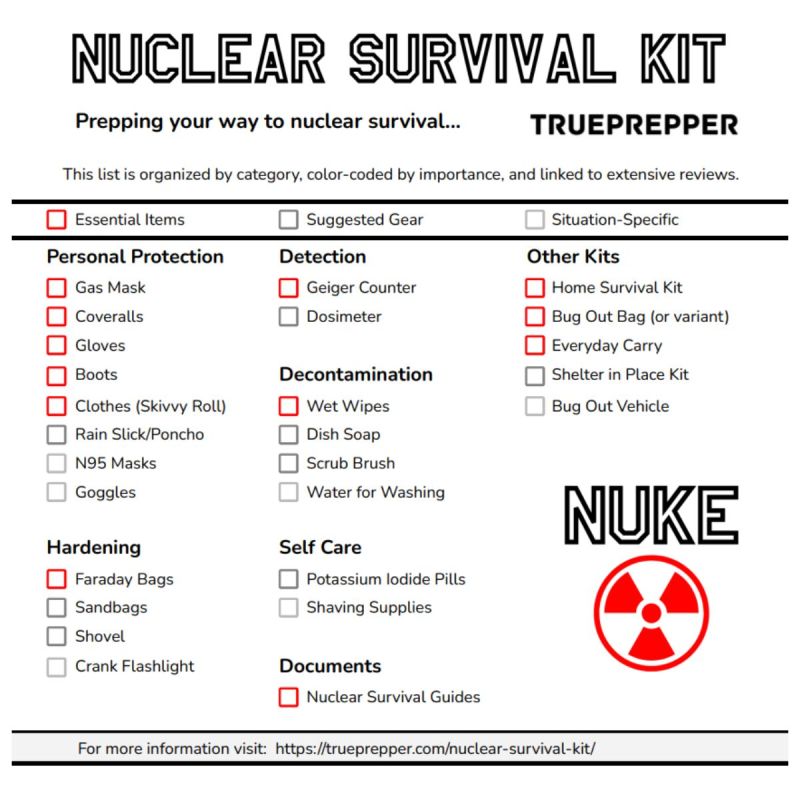
Credit: trueprepper.com
First Aid Essentials
First aid essentials form the backbone of any survival kit. They prepare you to handle injuries, infections, and unexpected medical issues. Without these basics, even a small wound can become a serious problem in a survival situation.
Basic Medical Supplies
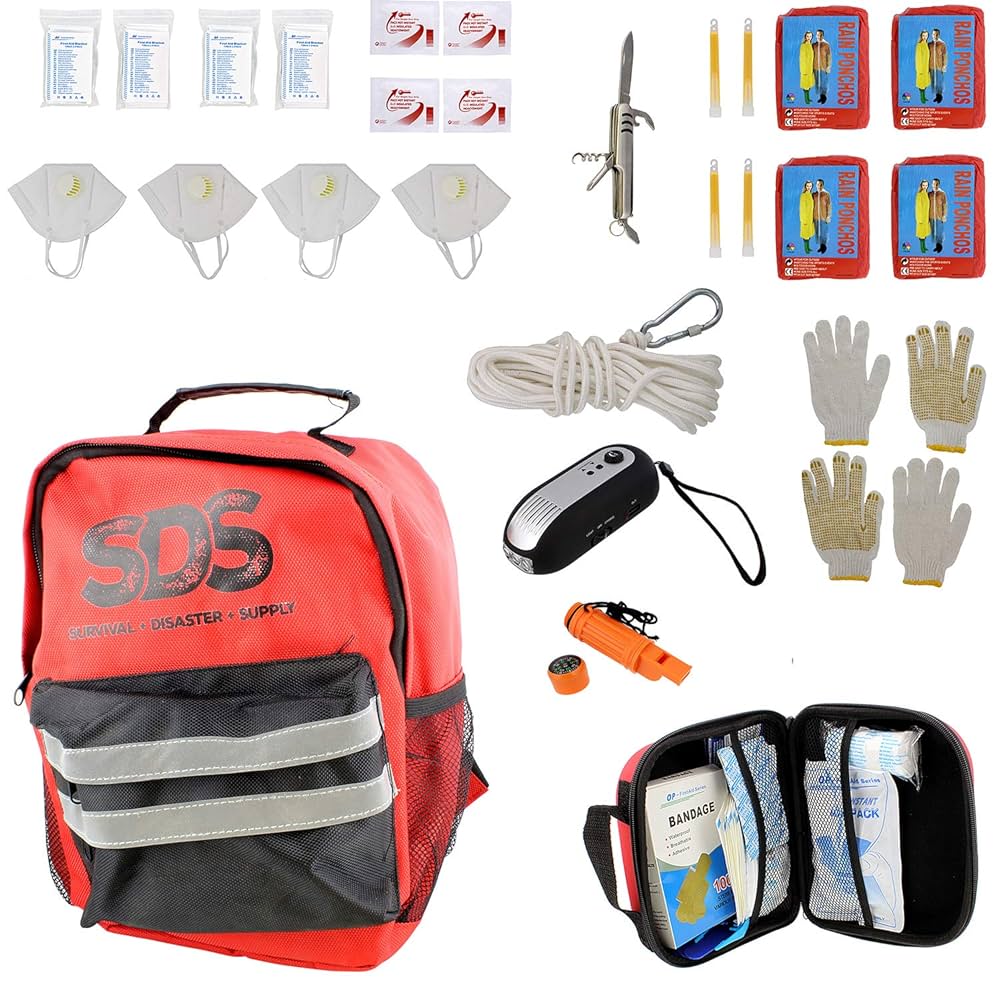
Your survival kit should include items that address common injuries immediately. Think adhesive bandages in various sizes, sterile gauze pads, and medical tape to secure dressings.
Include scissors and tweezers for cutting tape and removing splinters or debris. A CPR face shield can be a lifesaver if you need to assist someone with breathing difficulties.
Don’t forget disposable gloves to protect yourself and others from infections. Each item plays a specific role in managing wounds and preventing complications.
Medications And Treatments
Over-the-counter pain relievers like ibuprofen or acetaminophen are essential. They help reduce pain and inflammation during injuries or illnesses.
Antiseptic wipes or solutions prevent infections by cleaning wounds effectively. You should also add antibiotic ointments to speed up healing and reduce the risk of infection.
Consider including allergy medication, such as antihistamines, especially if you or your group members have known allergies. Think about personal medical needs too, like insulin or inhalers.
Personal Hygiene Items
Good hygiene prevents infections and keeps morale high in tough conditions. Pack items like soap, hand sanitizer, and dental care products to maintain cleanliness.
A small towel or wipes help you stay fresh and clean even when water is scarce. Feminine hygiene products are equally important if applicable.
Keeping your hands and body clean reduces the chance of illness, which is crucial when medical help is far away.
Clothing And Protection
Clothing and protection form a vital part of any survival kit. They shield you from harsh weather and rough terrain. The right clothes help keep your body temperature stable. Protection gear guards you against injuries and environmental hazards. Good footwear supports long walks and tough surfaces. Each item must be chosen with care and purpose.
Weather-appropriate Clothing
Choose clothes that match the local climate. Layering works well for changing conditions. Include a moisture-wicking base layer to keep sweat away. Add an insulating middle layer for warmth. A waterproof outer layer protects from rain and wind. Breathable fabrics improve comfort and prevent overheating. Avoid cotton; it traps moisture and chills the body.
Protective Gear
Protective gear helps prevent cuts, bites, and scrapes. Gloves shield your hands during work or cold weather. A hat blocks sun, rain, and cold. Sunglasses protect eyes from UV rays and debris. A sturdy, multipurpose tool can also serve as protection. Consider carrying a compact first aid kit for minor injuries.
Footwear Considerations
Footwear must be durable and comfortable. Choose boots with good ankle support. Waterproof shoes keep feet dry in wet conditions. Soles with strong grip prevent slipping on rough ground. Break in new shoes before an emergency to avoid blisters. Keep extra socks to change wet or dirty ones.
Packing Tips And Maintenance
Packing and maintaining your survival kit is as important as choosing the right items. A well-packed kit saves time and stress during an emergency. It ensures you can find what you need quickly and that everything stays in good condition.
Organizing Your Kit
Keep your survival kit items grouped by function. Use small pouches or zip-lock bags for categories like first aid, food, tools, and hygiene. Label each pouch clearly to avoid digging through everything when time is tight.
Think about how often you might need each item. Place frequently used essentials on top or in easy-to-reach compartments. This simple step can make a huge difference when every second counts.
Regular Updates And Checks
Survival kits aren’t “set it and forget it.” Check your kit every few months to replace expired food, batteries, or medications. This habit keeps your gear reliable and ready.
Test items like flashlights or radios during your checks to make sure they work. If something breaks or is missing, replace it immediately. You don’t want to discover a dead flashlight in the middle of a blackout.
Weight And Size Management
Heavy kits slow you down and can cause fatigue. Choose lightweight versions of items whenever possible without sacrificing quality. For example, opt for compact water filters instead of carrying large bottles.
Balance is key. Your kit should be small enough to carry comfortably but large enough to hold all essentials. Ask yourself: can you carry this kit for several hours if needed? If not, it’s time to trim down or reorganize.
Credit: www.nbcnews.com
Frequently Asked Questions
What Essential Items Must A Survival Kit Include?
A survival kit must include water, food, first aid, fire starter, and shelter items. These basics ensure safety and sustain life during emergencies.
How Do I Choose The Right Survival Kit Size?
Select a survival kit size based on your needs and situation. Consider the number of people and duration you plan to survive.
Can I Customize A Survival Kit For Different Environments?
Yes, customize your survival kit for specific environments. Add items like insect repellent for forests or sun protection for deserts.
How Often Should I Update My Survival Kit?
Update your survival kit every six months. Replace expired food, batteries, and check all tools to ensure they work properly.
Conclusion
A well-prepared survival kit is essential for emergencies. Keep it simple. Include basics like food, water, and a first aid kit. Add tools like a flashlight and multi-tool. Customize based on your needs and environment. Regularly check and update your kit.
Replace expired items. Practice using the contents. Stay ready for unexpected situations. Preparedness can make a big difference. Safety and peace of mind are priceless. So, assemble your kit thoughtfully. Remember, it’s better to have it and not need it, than need it and not have it.
Stay safe and prepared always.