Imagine finding yourself deep in the wilderness, far from help and comfort. What would you need to stay safe, healthy, and calm?
Your survival kit could be the difference between a scary situation and a manageable one. But what exactly should go in a wilderness survival kit? You want to be prepared without carrying extra weight or useless items. You’ll discover the essential tools and supplies that will keep you ready for any unexpected challenge nature throws your way.
Keep reading—your safety might depend on it.
Basic Survival Needs
Addressing your basic survival needs is the first priority when preparing a wilderness survival kit. These essentials cover shelter, water, and food—the core elements that keep you alive and functioning. Focusing on these can make the difference between a manageable situation and a life-threatening one.
Shelter Essentials
Your body loses heat quickly when exposed to the elements. A compact, lightweight shelter or emergency blanket is a must-have. It provides protection from wind, rain, and cold, helping maintain your body temperature.
Consider adding a tarp, paracord, and a small, durable tent or bivy sack. These items can be combined to create a quick shelter that fits various environments. Have you tested setting up your shelter gear under different conditions? Practicing this can save you valuable time in an emergency.
Water Procurement And Purification
Water sustains life, but finding clean water in the wild is tricky. Your survival kit should include a reliable water filter or purification tablets. These tools remove harmful bacteria and parasites, making natural water safe to drink.
Carry a collapsible water container or lightweight bottle to store water. Knowing how to collect water from dew, streams, or rain can be a lifesaver. Have you ever tried filtering water from a natural source? It’s a skill worth mastering before you need it.
Food And Nutrition
While you can survive longer without food than water, having energy boosts your chances of staying alert and strong. Pack non-perishable, high-energy snacks like nuts, energy bars, and dried fruit. These provide quick calories and are easy to carry.
Don’t forget a small, portable cooking stove or fire-starting kit to prepare meals. Even a simple meal can improve morale and keep your body fueled. What’s your go-to survival snack that keeps you energized during tough times?
Credit: www.youtube.com
Navigation Tools
Navigation tools are essential in any wilderness survival kit. They help you find your way and avoid getting lost. Having reliable navigation tools increases your safety and confidence outdoors. Choose tools that suit your skills and the environment.
Maps And Compasses
Paper maps show terrain, trails, and landmarks clearly. A compass helps you find directions accurately. Learn to read maps and use a compass before your trip. They don’t need batteries and work in all conditions. Always carry waterproof maps and a sturdy compass in your kit.
Gps Devices
GPS devices use satellites to pinpoint your exact location. They provide coordinates and can guide you back to camp. Many models have features like route tracking and emergency alerts. Carry extra batteries or a solar charger to keep the GPS powered. Remember, GPS devices can fail, so don’t rely on them alone.
Signal Devices
Signal devices help rescuers find you if you are lost or injured. A whistle is loud and lightweight for signaling over long distances. Mirrors reflect sunlight to attract attention from far away. Bright colored flags or flares also increase visibility. Pack at least one signal device in your survival kit for emergencies.
Fire Starting Gear
Fire is essential for warmth, cooking, and signaling in the wild. Having reliable fire starting gear in your survival kit can make a huge difference when conditions get tough. It’s not just about having a single tool; it’s about having a combination that works in various weather and situations.
Lighters And Matches
Lighters are compact, easy to use, and great for quick fire starts. But they can fail if they get wet or run out of fuel. Carry waterproof matches as a backup—they burn longer and can still light even after being soaked.
Keep both lighters and matches in waterproof containers. This simple step ensures they stay dry and ready. Have you ever tried striking a match in the rain? It’s tougher than you think, but waterproof matches can change the game.
Fire Starters And Tinder
Tinder catches the first spark, so it needs to be dry and easy to ignite. Cotton balls soaked in petroleum jelly are a favorite among many survivalists because they burn for several minutes. You can also add commercial fire starters or natural options like dry bark and pine needles.
Fire starters give you a head start, especially when everything around is damp. Keep a small stash of different tinder types to match the environment you’re in. Imagine trying to light a fire with wet leaves—having the right tinder saves time and energy.
Fire Safety Tips
Starting a fire is crucial, but safety should never be ignored. Clear the area around your fire pit of flammable debris to prevent accidental wildfires. Always build your fire downwind and away from tents or gear.
Extinguish your fire completely before leaving the site by pouring water and stirring the ashes until cool. Have you ever underestimated how long it takes for a fire to fully die out? Staying cautious protects both you and the environment.
Credit: www.outdoorlife.com
First Aid Supplies
First aid supplies are the cornerstone of any wilderness survival kit. Injuries can happen anytime, and having the right tools on hand can make a huge difference in your safety and comfort. Think about the last time you cut yourself; how much easier would it have been if you had proper supplies ready to stop bleeding and prevent infection?
Basic Medical Items
Start with essentials like adhesive bandages in various sizes to cover small cuts and blisters. Add sterile gauze pads and adhesive tape to dress larger wounds. Don’t forget a pair of tweezers for removing splinters or ticks, and scissors to cut tape or clothing.
- Adhesive bandages (multiple sizes)
- Sterile gauze pads
- Adhesive tape
- Tweezers
- Scissors
- Antiseptic wipes or solution
- Disposable gloves
Injury Treatment
Be ready to handle sprains, burns, and insect bites. Elastic bandages help stabilize sprained joints and reduce swelling. Aloe vera gel or burn cream soothes skin damage, while hydrocortisone cream relieves itchiness from insect bites or allergic reactions.
- Elastic bandages (ACE wrap)
- Burn cream or aloe vera gel
- Hydrocortisone cream
- Antihistamine cream or tablets
- Instant cold packs
Emergency Medications
Having the right medications can prevent minor issues from turning into serious problems. Include pain relievers such as ibuprofen or acetaminophen to manage headaches and muscle pain. Also, pack antihistamines for allergic reactions and anti-diarrheal tablets to maintain hydration and energy levels.
- Pain relievers (ibuprofen, acetaminophen)
- Antihistamines (diphenhydramine or loratadine)
- Anti-diarrheal medication
- Oral rehydration salts
- Any personal prescription medications
Have you ever faced a minor injury in the wild and wished you had something to ease the pain or stop the bleeding? Your survival kit’s first aid section should anticipate those moments. What items do you think you would rely on most?
Clothing And Protection
Clothing and protection play a crucial role in your wilderness survival kit. The right gear shields you from nature’s harsh elements and helps maintain your body temperature. Without proper clothing, even a short stay outdoors can become dangerous.
Weather-appropriate Clothing
Always pack clothing that matches the climate you’ll face. In cold environments, layering is key—start with a moisture-wicking base layer, add an insulating layer, and finish with a waterproof outer shell.
In warmer climates, lightweight and breathable fabrics prevent overheating while still offering coverage. Think about versatility: can your jacket double as a rain barrier? Can your pants protect against wind and scratches?
Insect And Sun Protection
Insects can ruin your outdoor experience and pose health risks. Include insect-repellent-treated clothing or carry a small bottle of bug spray. Wearing long sleeves and pants reduces skin exposure to bites.
Sun protection often gets overlooked. A wide-brimmed hat, UV-protective shirts, and sunglasses shield your skin and eyes. Don’t forget to pack sunscreen in your kit, especially for long stays.
Footwear And Gloves
Your feet bear the brunt of your journey. Durable, waterproof boots with good ankle support prevent injuries and keep your feet dry. Bring extra socks to avoid blisters and fungal infections.
Gloves protect your hands from cold, cuts, and burns. Choose gloves that offer dexterity for tasks like building shelters or handling tools. Consider waterproof gloves if you expect wet conditions.
Tools And Equipment
Choosing the right tools and equipment is crucial for your wilderness survival kit. These items help you manage everyday challenges and unexpected situations in the wild. The right gear can make the difference between a tough day and a safe, manageable experience.
Knives And Multi-tools
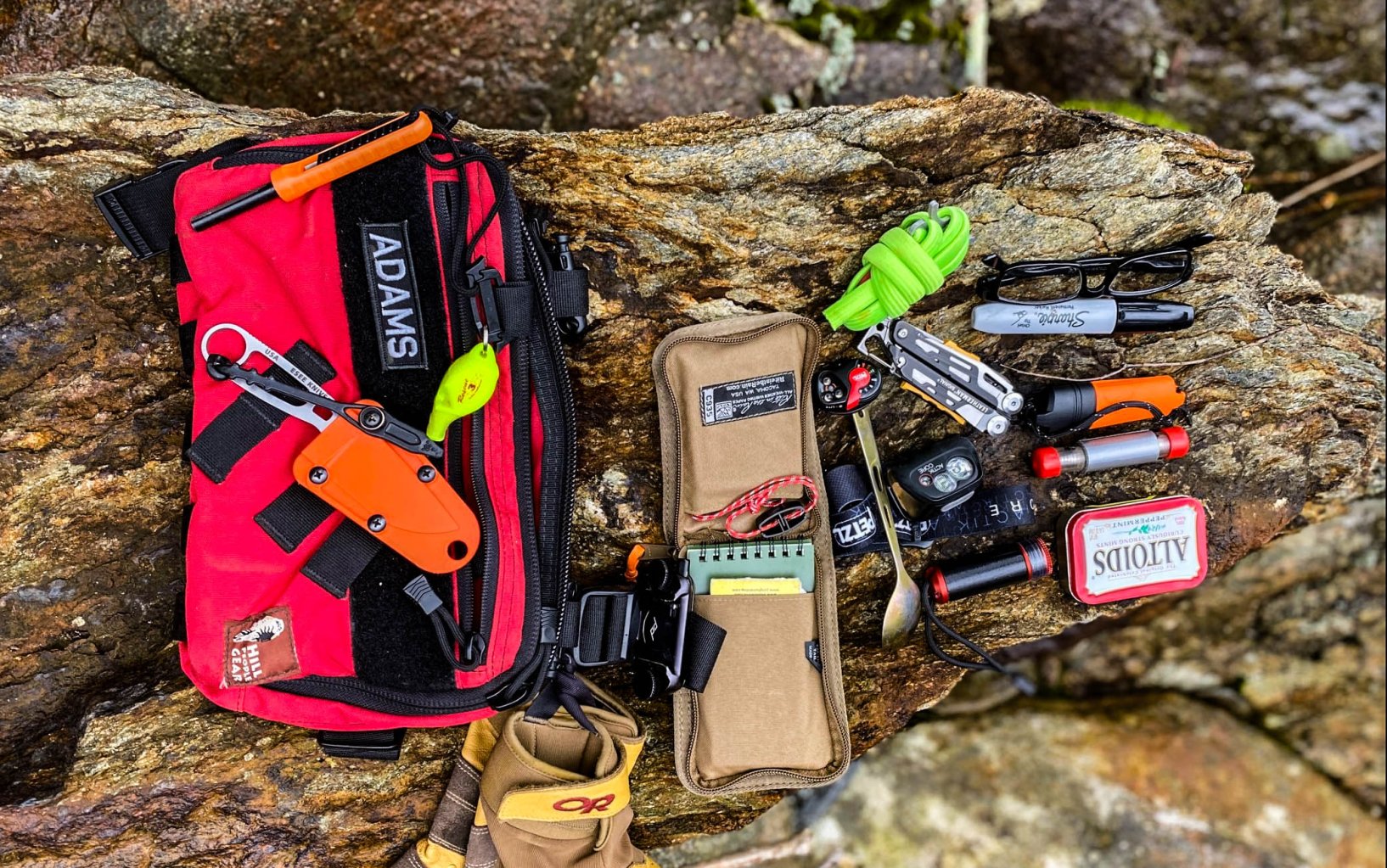
A sturdy knife is one of the most valuable items you can carry. It helps with cutting rope, preparing food, and even making shelter. Look for a fixed-blade knife with a comfortable handle and a blade length around 4 to 6 inches.
Multi-tools add versatility without taking up much space. They usually include pliers, screwdrivers, and small blades. I once used a multi-tool to fix a broken backpack strap during a hike, proving how handy this gear can be when you least expect it.
Cordage And Repair Kits
Cordage is essential for building shelters, securing gear, and creating traps. Paracord is a popular choice because it’s strong, lightweight, and easy to carry. Carry at least 50 feet; it can also be unraveled for smaller strands to use as fishing line or sewing thread.
Repair kits with needles, thread, duct tape, and small patches can save your clothing or gear. Think about how frustrating it would be to lose waterproofing on your tent or have ripped pants in bad weather. Being able to fix these problems quickly keeps you protected and comfortable.
Cooking Gear
Cooking gear allows you to prepare hot meals and boil water for safe drinking. A compact stove, lightweight pots, and utensils are all you need. I once cooked a simple stew after a long day in the cold, and it boosted my energy and morale more than any snack could.
Don’t forget a reliable fire-starting tool, like waterproof matches or a ferrocerium rod. Fire not only cooks food but also provides warmth and signals for help. What’s the one meal you’d want to cook if you were stuck outdoors?
Personal Items
Personal items in a wilderness survival kit serve crucial roles beyond basic survival tools. These items help prove your identity, maintain communication, and provide vital information. They add safety and peace of mind during emergencies. Packing the right personal items ensures you stay connected and informed.
Identification And Documents
Carry essential IDs such as a driver’s license or passport. Include medical cards and emergency contact info. Waterproof these documents to protect them from damage. These papers help rescuers identify you quickly. They also provide important health details if needed.
Communication Devices
A reliable way to signal for help is vital. Pack a fully charged mobile phone with extra batteries or a power bank. Consider a whistle or a mirror for signaling visually. Two-way radios work well in areas without cell coverage. These devices keep you connected and increase rescue chances.
Survival Manuals And Notes
Keep a small, waterproof survival manual in your kit. It should cover first aid, shelter building, and navigation tips. Personal notes can include allergy information or special instructions. Writing down important details helps in stressful situations. This knowledge supports better decision-making in the wild.
Packing Tips
Packing your wilderness survival kit thoughtfully can make a huge difference in an emergency. It’s not just about what you carry but how you carry it. Smart packing saves you from bulk, keeps essentials accessible, and protects your gear from the elements.
Weight And Space Management
Every ounce counts when you’re on the move. Prioritize lightweight items that serve multiple purposes—like a knife that can also open cans. Avoid overpacking by questioning the true necessity of each item; ask yourself if you’d really use it in a survival scenario.
Use compression bags or stuff sacks to reduce volume. Keep heavy items close to your back to maintain balance and reduce fatigue. Have you ever struggled to carry a backpack that felt heavier than it should? Proper weight distribution helps you avoid that.
Waterproofing And Organization
Moisture can ruin your survival gear faster than you expect. Use waterproof bags or dry sacks to protect matches, electronics, and paper maps. Organize smaller items in labeled pouches so you can find what you need quickly without dumping everything out.
Consider packing your kit inside a sturdy, water-resistant container. This extra layer shields against unexpected rain or accidental submersion. Think about the last time you needed something urgently—did you waste time digging through your bag?
Regular Kit Maintenance
Your survival kit isn’t a “set it and forget it” project. Check your supplies periodically to replace expired food, batteries, and medications. Test your tools to ensure they still work properly; a dull knife or dead flashlight won’t help in a crisis.
Update your kit based on changes in your environment or planned activities. Have you added new skills or learned about new hazards? Adjust your kit accordingly to stay prepared and confident.

Credit: stayreadyoutdoors.com
Frequently Asked Questions
What Essential Items Go In A Wilderness Survival Kit?
A basic wilderness survival kit includes a knife, fire starter, water purifier, first aid supplies, emergency shelter, and signaling tools. These items help address critical needs like safety, warmth, hydration, and communication in the wild.
How Do I Choose A Fire Starter For Survival Kits?
Choose a fire starter that is reliable, lightweight, and easy to use. Common options include waterproof matches, ferro rods, and magnesium blocks, which ignite quickly even in wet conditions.
Why Is Water Purification Important In Survival Kits?
Water purification prevents waterborne illnesses from untreated sources. Portable filters, purification tablets, or boiling methods ensure safe drinking water, which is vital for hydration and survival in the wilderness.
Should I Include Food In A Survival Kit?
Include lightweight, high-energy foods like energy bars, nuts, or dried fruits. These provide quick nourishment and energy but should be supplemented by foraging or hunting skills if stranded long-term.
Conclusion
Packing a wilderness survival kit can save lives. Essential items include a reliable map, compass, and sturdy knife. Don’t forget matches and a first-aid kit. Water purification tools are crucial too. Pack a whistle for emergencies. Layered clothing keeps you warm.
Lightweight and durable gear works best. Remember, each item serves a purpose. Your kit should fit your needs and environment. A well-prepared kit boosts confidence. It also enhances your safety outdoors. Always check your supplies before heading out. Stay prepared and enjoy nature’s beauty safely.