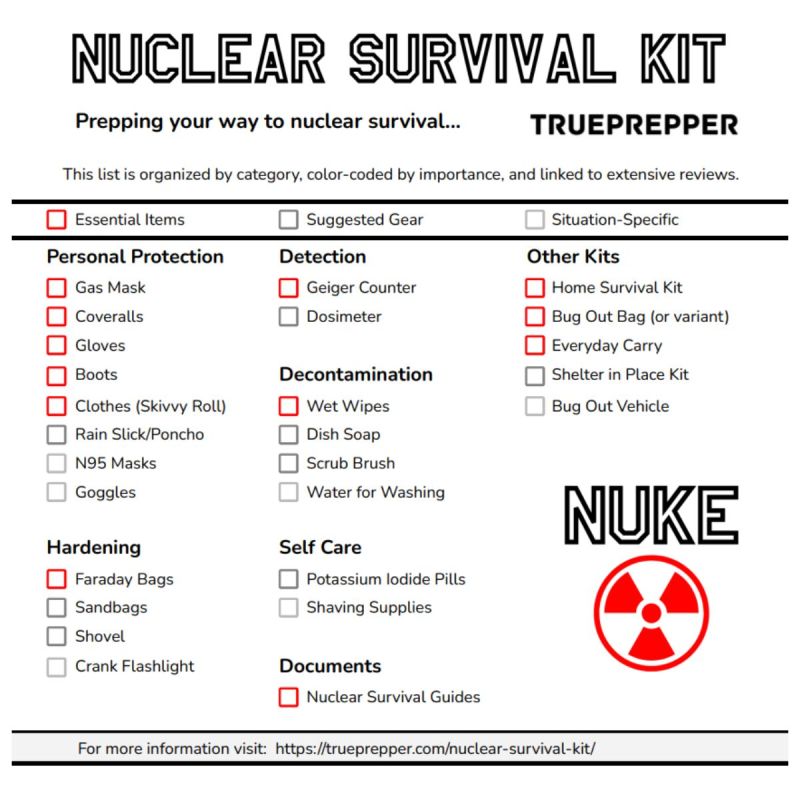
Imagine facing an emergency where every second counts, and you need quick access to the right tools to help yourself or others. Having a well-prepared survival first aid kit can make all the difference between staying safe and facing serious risks.
But how do you build one that truly covers your needs without overpacking? In this guide, you’ll discover simple steps and must-have items that will empower you to create your own reliable survival first aid kit. Keep reading to make sure you’re ready for whatever comes your way.

Credit: www.servpro.com
Choosing The Right Container
Choosing the right container for your survival first aid kit is more important than many realize. It’s not just about holding supplies; it’s about protecting them and making sure you can carry them easily when needed. The container you pick affects how quickly you can access your items and whether they stay safe from damage.
Durability And Portability
Your first aid kit container must be tough enough to handle rough conditions. Look for materials like hard plastic or metal that resist cracks and dents. Portability is equally important—can you comfortably carry it on your person or stash it in your backpack without hassle?
Imagine trying to grab bandages from a flimsy pouch after an injury. It slows you down. A sturdy container ensures quick access and peace of mind, especially when every second counts.
Waterproof Options
Water can ruin your medical supplies faster than you think. Choosing a waterproof container keeps your bandages, medications, and tools dry no matter the weather. Sealed cases with rubber gaskets or waterproof zippers provide excellent protection.
Have you ever opened a soggy first aid kit? It’s frustrating and could be dangerous if you need sterile items. Investing in a waterproof container means your supplies stay effective and ready.
Size Considerations
Finding the right size container can be tricky. It needs to be large enough to hold all your essential items but small enough to carry conveniently. Overpacking can make the kit bulky and hard to use quickly.
Think about your typical activities and how much space you can realistically dedicate to your first aid kit. A compact kit for a day hike differs from one designed for extended survival situations. What’s the balance between capacity and convenience for you?
Essential Medical Supplies
Building a survival first aid kit means focusing on the essential medical supplies that can handle common injuries and emergencies. You want items that are reliable, easy to use, and cover a range of needs from minor cuts to more serious wounds. Think about what you might face outdoors or during unexpected situations and pack accordingly.
Bandages And Dressings
Bandages and dressings are the backbone of any first aid kit. You should include various sizes of adhesive bandages to cover small cuts and scrapes quickly.
Also, add sterile gauze pads and rolls to control bleeding and protect larger wounds. Elastic bandages help with sprains and support injured joints.
Remember, having a few butterfly closures or wound closure strips can make a big difference when stitches aren’t available. Have you ever tried managing a deep cut without proper dressings? It’s tough and painful.
Antiseptics And Ointments
Keeping wounds clean prevents infection, so antiseptics are a must-have. Include alcohol wipes, iodine swabs, or antiseptic sprays to disinfect the skin before dressing a wound.
Antibiotic ointments like Neosporin or Bacitracin speed up healing and reduce the risk of infection. You might also want to add burn cream or aloe vera gel for soothing burns.
Think about how quickly a small infection can turn serious if left untreated. Would your kit help you avoid that?
Tools And Instruments
Having the right tools makes treatment easier and more effective. Pack a pair of sharp scissors for cutting tape or gauze and tweezers for removing splinters or debris.
A digital thermometer helps you monitor fevers, while a pair of disposable gloves protects you and the injured person from germs.
Include a CPR mask or face shield to safely perform rescue breathing if needed. Do you have these tools ready to use in an emergency, or would you scramble to find them?
Medications To Include
Building a survival first aid kit means thinking beyond just bandages and antiseptics. Medications play a crucial role in managing pain, allergic reactions, and other common issues that can arise unexpectedly. You want to prepare for a variety of situations by carefully choosing what drugs to include.
Pain Relievers
Pain relief is essential in any first aid kit. Include both acetaminophen and ibuprofen to cover different types of pain and inflammation.
- Acetaminophen:Effective for headaches, fever, and mild to moderate pain.
- Ibuprofen:Helps reduce inflammation and swelling, which acetaminophen does not address.
Consider adding aspirin if you have space, especially if someone in your group has a heart condition. Always check expiration dates and store medications in a cool, dry place.
Allergy Medications
Allergic reactions can escalate quickly, so having antihistamines on hand is critical. Diphenhydramine (Benadryl) is a staple for treating severe allergic reactions and itching.
- Loratadine or Cetirizine:Non-drowsy options for daily allergy relief.
- Epinephrine Auto-Injector (EpiPen):If anyone is at risk for anaphylaxis, this is a lifesaver and must be included.
Ask yourself: Do you or your family members have specific allergies? Tailoring your kit to those needs could prevent serious complications.
Other Useful Drugs
Beyond pain and allergy meds, some other drugs can make a big difference. Antidiarrheal medication helps maintain hydration and comfort during gastrointestinal issues.
- Antacids:Relieve heartburn and indigestion, which can be common under stress.
- Antibiotic ointment:For preventing infection in minor cuts and scrapes.
- Hydrocortisone cream:Reduces itching and inflammation from insect bites or rashes.
Think about your environment and potential health risks. Could you face insect bites, stomach issues, or skin irritations? Preparing for these will give you peace of mind.

Credit: premierbodyarmor.com
Personal Items And Extras
Building a survival first aid kit means thinking beyond just bandages and antiseptics. Personal items and extras can make a big difference when you face an emergency. These elements provide crucial information, guidance, and tools that can help you stay calm and act effectively.
Emergency Contact Information
Keep a waterproof card or paper with emergency contacts in your kit. Include phone numbers for family members, close friends, and your doctor. Also, add local emergency services like fire, police, and poison control.
Having this info ready saves time when you’re stressed or injured. Imagine trying to remember a phone number in a panic—it’s easier to have it right there. You might also want to add any important medical information like allergies or chronic conditions.
Instruction Manuals
Simple guides on first aid procedures can be lifesavers when you don’t have medical training. Include clear, easy-to-follow instructions on how to handle common injuries such as cuts, burns, or sprains. Visual aids like pictures or diagrams help you act quickly and correctly.
Think about a time you had to help someone but weren’t sure what to do. A small manual could give you the confidence to provide proper care. Keep these guides compact and waterproof to ensure they stay readable.
Additional Safety Items
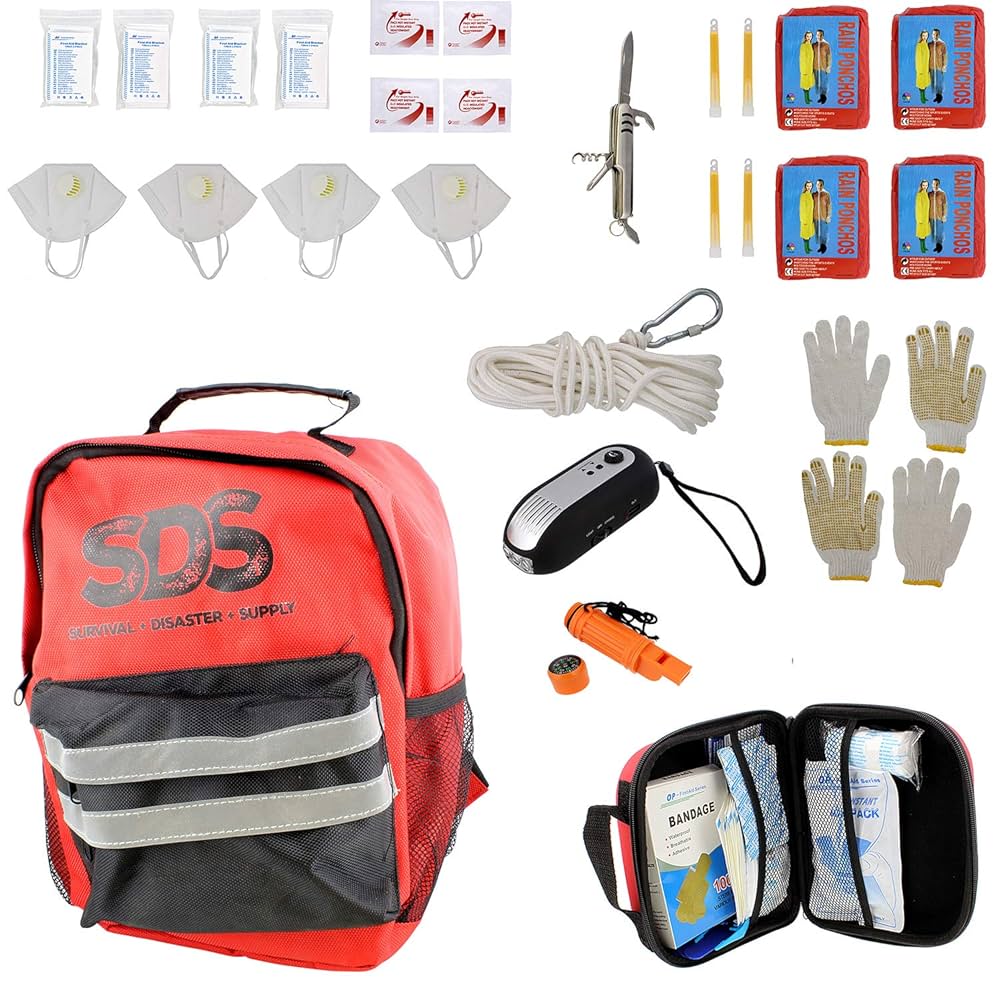
Extras like a whistle, emergency blanket, or gloves add layers of protection to your kit. A whistle can attract attention if you’re trapped or lost. Gloves protect you and the injured person from infections during treatment.
Consider adding a small flashlight or glow sticks for visibility at night. These items don’t take much space but can improve your safety dramatically. What small tool could make your kit more useful in an unexpected situation?
Maintaining Your Kit
Keeping your survival first aid kit ready is crucial. A well-maintained kit ensures quick and effective help during emergencies. It needs regular care to stay useful and safe. Small efforts in maintenance can save lives and avoid panic.
Regular Inspections
Check your kit often, at least every three months. Look for damaged or missing items. Make sure all supplies are clean and dry. Close containers tightly to prevent spills. Keep the kit in a cool, dry place to avoid damage.
Replacing Expired Items
Medicines and ointments lose strength after the expiry date. Replace expired items immediately to maintain effectiveness. Note the expiration dates on all products. Write the replacement date on a small label for tracking. Use fresh bandages and sterile wipes to ensure safety.
Adapting To Changing Needs
Update your kit as your needs change. Add supplies for new family members or health conditions. Include items for different seasons or travel plans. Consider extra water purification tablets or allergy medicines. Customize the kit to fit your lifestyle and environment.

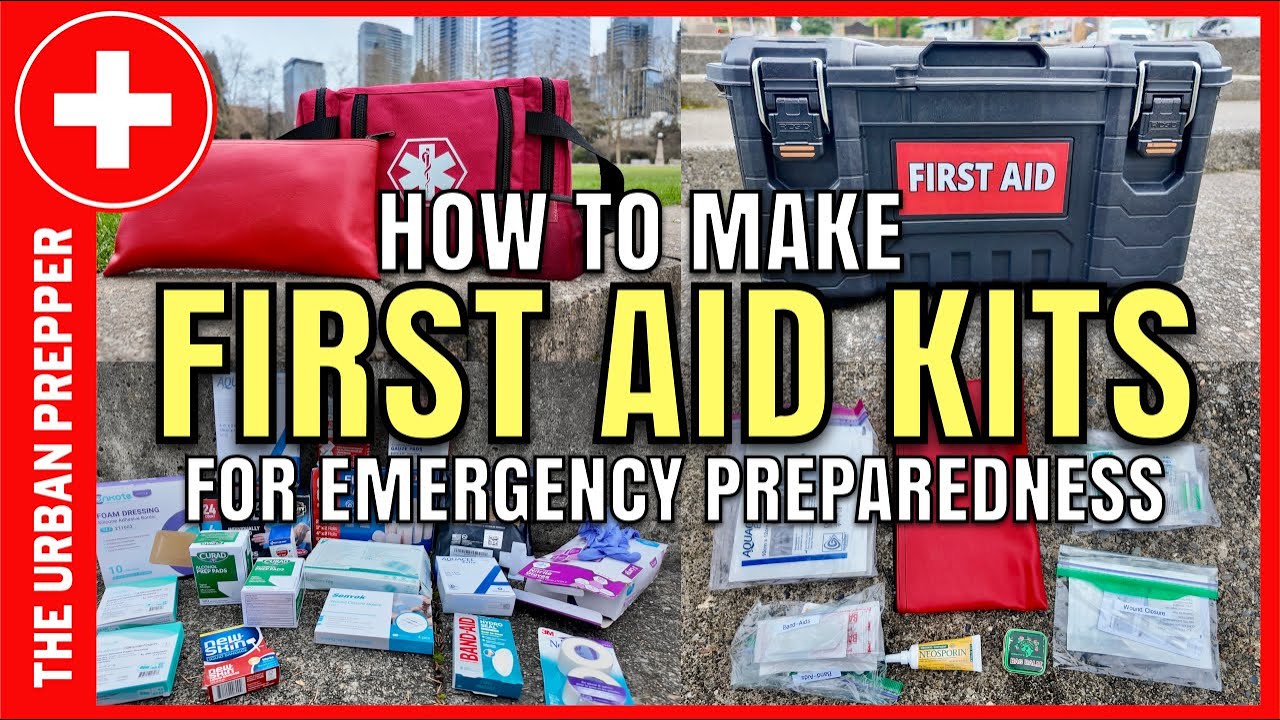
Credit: www.youtube.com
Packing Tips For Efficiency
Packing a survival first aid kit requires careful planning. Efficiency saves time during emergencies. Every item must be easy to find and use. Thoughtful packing reduces stress and improves response.
Organizing Supplies
Group similar items together for quick access. Use small pouches or zip-lock bags to separate categories. Keep bandages, antiseptics, and tools in different sections. This way, you avoid digging through everything.
- Place frequently used items at the top or front.
- Store less critical items toward the bottom.
- Use clear bags to see contents without opening.
Labeling And Accessibility
Label each pouch or container clearly. Use simple words or symbols for easy recognition. Labels help identify items fast, especially in stressful moments. Make sure labels are waterproof or laminated to last.
- Use large, readable fonts or icons.
- Place labels on both sides of pouches.
- Keep the most urgent supplies fully accessible.
Weight Distribution
Balance the kit to avoid strain during carrying. Place heavy items near the center of the pack. Distribute weight evenly between sides if using a bag. This prevents discomfort and helps maintain stability.
- Use lightweight containers to reduce overall weight.
- Keep bulky items low and close to the back.
- Regularly check and adjust the load for comfort.
Frequently Asked Questions
What Essential Items Go In A Survival First Aid Kit?
A survival first aid kit should include bandages, antiseptics, pain relievers, tweezers, scissors, gloves, and a CPR mask. Adding a first aid manual and any personal medications enhances preparedness. These items address common injuries and emergencies effectively.
How Do I Choose The Right Container For My Kit?
Choose a waterproof, durable, and compact container for your survival first aid kit. It should be easy to carry and protect contents from damage. A clear or labeled container helps quickly find items during emergencies.
How Often Should I Check And Update My First Aid Kit?
Check your survival first aid kit every six months. Replace expired medications, used items, and damaged supplies. Regular updates ensure your kit remains effective and ready for any emergency situation.
Can I Customize A First Aid Kit For Specific Survival Needs?
Yes, customize your kit based on your environment, health conditions, and activities. Include insect repellent for outdoor use or allergy medications if needed. Tailoring your kit increases its usefulness in unique survival scenarios.
Conclusion
Creating a survival first aid kit is essential for safety. Gather necessary items like bandages and antiseptic wipes. Keep it compact and organized. This ensures quick access during emergencies. Regularly check and update your supplies. Replace expired or used items promptly.
Store your kit in a waterproof container. Ensure it is easily accessible in your home or vehicle. Practice using your kit to build confidence. Being prepared can make a big difference. Your safety and your loved ones’ safety depend on it.
Stay ready, stay safe.