Are you searching for older Gerber survival knives but don’t know where to start? Finding these classic tools can feel tricky, especially with so many options and sellers out there.
But don’t worry—this guide will help you discover the best places to look and what to watch for. Whether you want one for your collection or your next adventure, you’ll learn how to spot authentic, quality knives and avoid common mistakes.
Keep reading to unlock the secrets of finding those reliable, vintage Gerber survival knives you’ve been after.
Credit: oldpocketknives.com
History Of Gerber Survival Knives
The history of Gerber survival knives offers a fascinating glimpse into how innovation meets rugged practicality. These knives have evolved alongside outdoor adventurers, military personnel, and survival enthusiasts, making them more than just tools—they are a part of survival culture. Understanding their roots can help you appreciate why older models are so sought after and how to identify them.
Origins And Evolution
Gerber knives started in 1939 in Portland, Oregon, founded by Pete Gerber. Initially, the company focused on kitchen cutlery, but it quickly expanded into outdoor and survival gear as demand grew.
By the 1960s and 70s, Gerber had developed a reputation for durable, reliable knives designed specifically for survival situations. These early designs combined innovative materials and practical features that set the standard for what a survival knife should be.
Over the decades, Gerber knives evolved in response to user feedback and advances in materials. You might notice changes in blade steel, handle design, and sheath construction when comparing older models with newer ones.
Iconic Models Through The Years
Some Gerber survival knives have become true icons, prized by collectors and users alike. The Gerber Mark II, introduced in the 1960s, is one such model. Its robust double-edged blade and solid construction made it a favorite among military personnel.
Another standout is the Gerber LMF II, released in the early 2000s. Though newer, it pays homage to classic design while adding modern improvements like a partially serrated blade and ergonomic handle.
- Gerber Mark II:Known for its combat-ready design and balanced feel.
- Gerber LMF II:Combines survival features with modern comfort.
- Gerber Bear Grylls Series:Designed with input from the survival expert, blending practical features with user-friendly design.
Do you think the value of older Gerber knives lies in their craftsmanship, their history, or the stories they carry? Reflect on what makes these knives more than just tools to truly understand their appeal.
Identifying Older Gerber Knives
Identifying older Gerber survival knives requires careful observation. These knives have unique features that set them apart from newer models. Knowing what to look for helps confirm authenticity and value. Focus on blade markings, handle materials, and sheath types for clues.
Blade Markings And Logos
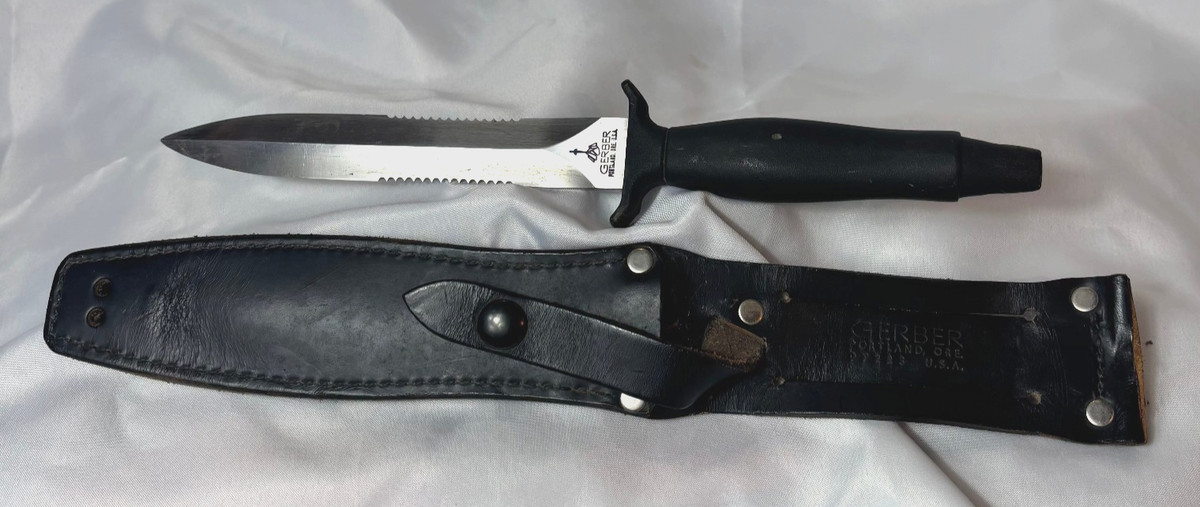
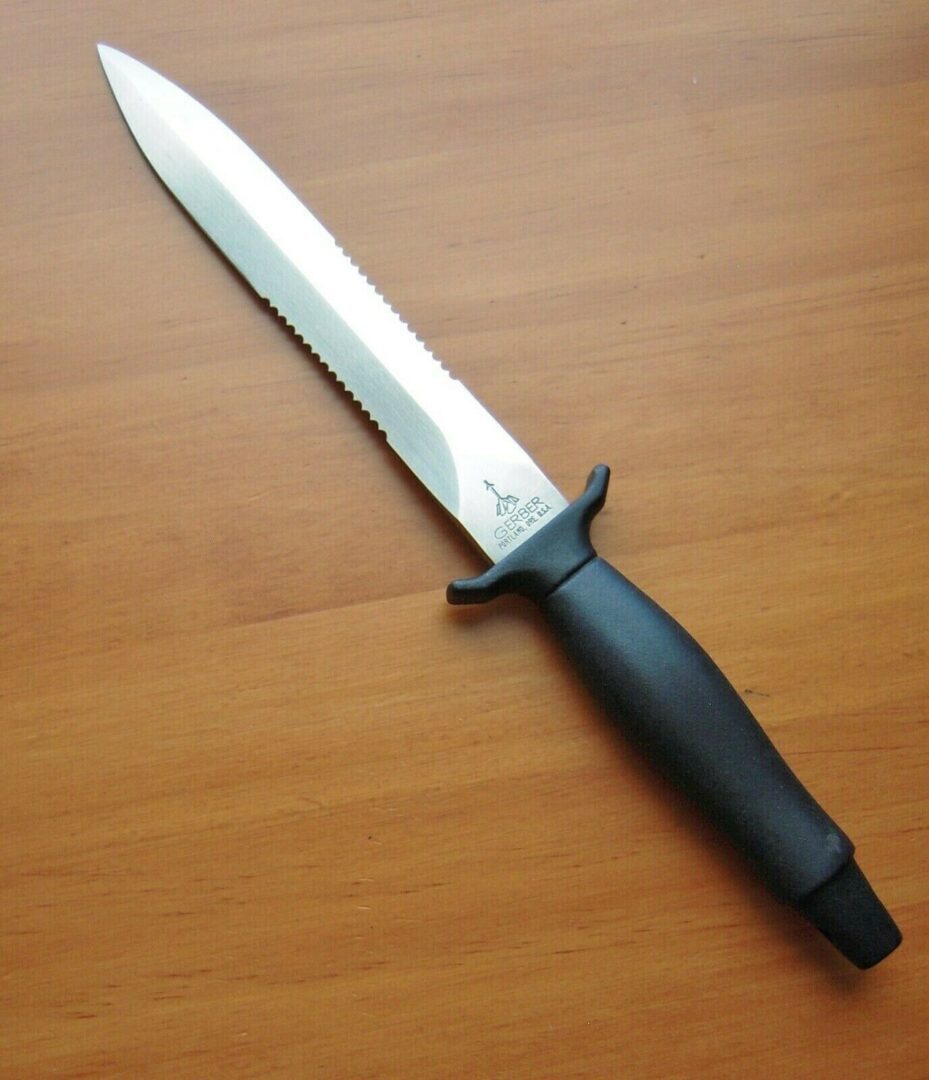
Older Gerber knives often have distinct blade markings. Check for the classic Gerber logo, which may differ from modern designs. Some blades show the company name etched in simple fonts. Serial numbers or model numbers might be present near the handle. Faded or worn markings can indicate age but still prove authenticity.
Handle Materials And Designs
Handles on older Gerber knives usually feature materials like wood, leather, or early plastics. These handles feel different compared to newer synthetic types. Designs often include textured grips or simple shapes. Some handles might show signs of hand craftsmanship. Look for wear patterns that match the knife’s age.
Sheath Types And Features
Older Gerber knives come with varied sheath styles. Leather sheaths were common in earlier models. These sheaths may have hand-stitched seams or metal rivets. Nylon or canvas sheaths appear in later vintage knives. Check for Gerber branding on the sheath’s snap or belt loop. The sheath’s design matches the knife’s overall style and era.
Where To Search For Vintage Knives
Collectors often find older Gerber survival knives at estate sales, flea markets, and online auction sites. Antique stores and specialized knife forums also offer valuable leads for vintage models. Exploring these places increases chances of discovering rare, authentic Gerber knives from past decades.
Searching for vintage Gerber survival knives can be an exciting journey. These pieces not only carry historical value but also a unique charm that modern knives often lack. If you’re a collector or just someone who appreciates craftsmanship, knowing where to search can make all the difference. Here are some prime locations to start your hunt for these timeless treasures.Online Marketplaces And Auctions
The digital age has made it easier than ever to find rare items, and vintage knives are no exception. Websites like eBay and Etsy often list older Gerber survival knives. Make sure to set alerts for specific models you’re interested in. Auction sites can also be goldmines. Many collectors use platforms like Heritage Auctions to list and bid on vintage knives. Keep an eye on auction dates and set a budget to avoid overspending.Knife Shows And Collector Events
Attending knife shows can be both educational and rewarding. These events are gatherings for enthusiasts and collectors, offering a chance to see rare pieces up close. You can often find Gerber knives displayed, alongside experts who can share valuable insights. Networking at these events can open doors to private collections. Don’t hesitate to strike up conversations—many collectors are happy to share stories and tips. Who knows, you might even make a new friend with a shared interest.Pawn Shops And Estate Sales
Pawn shops are unpredictable but can be treasure troves for vintage items. Regular visits increase your chances of stumbling upon a rare Gerber knife. Always inspect items carefully and don’t shy away from negotiating. Estate sales are another avenue worth exploring. Often, these sales feature personal collections, including vintage knives. Arrive early for the best selection and be prepared to make quick decisions, as these items can sell fast.
Credit: www.coltelleriacollini.com
Evaluating Condition And Authenticity
Evaluating the condition and authenticity of older Gerber survival knives is crucial before making a purchase. These knives carry history and value, but wear and fake models can mislead buyers. Knowing what to look for helps protect your investment and ensures you get a genuine piece.
Common Signs Of Wear And Damage
Look closely at the blade edge and handle for chips, rust, or deep scratches. A knife with excessive rust or pitting may need extensive restoration, which can reduce its value. Check if the handle material shows cracks or discoloration, especially if it’s made from wood or early composites.
Pay attention to the locking mechanism and pivot pins. If they feel loose or overly stiff, it might signal wear or improper repairs. Ask yourself: can this knife still perform as intended, or is it mostly a display item?
Verifying Manufacturer Details
Examine stamps, logos, and serial numbers carefully. Genuine older Gerber knives often have specific markings that changed over the years. Cross-reference these details with trusted online guides or Gerber catalogs to confirm the production era.
Consider the knife’s packaging or any included paperwork. Original boxes or manuals add credibility and can help date the knife accurately. If these are missing, detailed photos of the knife’s markings become even more important.
Avoiding Counterfeits
Counterfeit Gerber knives can look surprisingly authentic at first glance. Look for inconsistencies in font styles, logo placement, or blade finish. Cheap materials, uneven machining, and poor fit and finish are red flags.
Buy from reputable sellers with positive reviews and return policies. Never rush your decision; take time to compare multiple listings and ask detailed questions. Are you willing to risk buying a fake, or would you rather invest time verifying before buying?
Pricing And Value Trends
Understanding the pricing and value trends of older Gerber survival knives helps collectors and buyers make smart choices. Prices can vary widely based on many factors. Knowing these trends gives a clearer picture of the market and potential worth.
Factors Influencing Price
- Condition: Knives in excellent condition fetch higher prices.
- Age: Older models often hold more value than recent ones.
- Original Packaging: Having original boxes or manuals increases worth.
- Blade Material: High-quality steel blades usually command better prices.
- Handle Design: Unique or rare handle materials can add value.
Recent Sales And Market Insights
Recent auction results and sales data show steady interest in vintage Gerber knives. Prices for well-maintained pieces have risen over the past few years. Online marketplaces reveal that demand spikes during camping and outdoor seasons. Collectors often pay premium prices for sought-after models.
Rarity And Collectibility
Limited edition knives or those with unique features are highly collectible. Rare Gerber survival knives often appear in specialized collector communities. The fewer the available units, the higher the potential price. Provenance and history behind a knife can also increase its collectibility and value.
Caring For Vintage Gerber Knives
Caring for vintage Gerber survival knives keeps them sharp and lasting longer. These knives hold value beyond their use. Proper care preserves their condition and function. Handle them gently and clean them regularly. Small efforts protect your knife from damage and rust. Follow simple steps to maintain their beauty and strength.
Cleaning And Maintenance Tips
Wipe the blade with a soft cloth after use. Avoid harsh chemicals that damage the metal. Use warm water and mild soap for cleaning. Dry the knife completely to prevent rust. Apply a light coat of oil to the blade. Check the handle for cracks or wear. Sharpen the blade carefully with a fine stone or tool. Regular maintenance keeps the knife ready for use.
Proper Storage Solutions
Store the knife in a dry place to avoid moisture damage. Use a sheath or protective cover to prevent scratches. Keep knives away from direct sunlight, which can weaken handles. Avoid storing knives in leather sheaths for long times. Leather holds moisture and can cause rust. Organize knives separately to stop them from knocking against each other. Proper storage extends the knife’s life and value.
Restoration Considerations
Assess the knife’s condition before starting restoration. Avoid aggressive cleaning that removes original marks. Preserve the knife’s patina as it shows its age and history. Replace parts only if necessary and use original or similar materials. Consult experts for tough repairs or rare models. Restore gently to keep the knife’s vintage charm. Good restoration increases the knife’s appeal and usability.
Building A Gerber Knife Collection
Building a Gerber knife collection can be a rewarding hobby. It connects you with history and craftsmanship. Older Gerber survival knives show unique designs and strong builds. Collecting them requires patience and knowledge. Organizing your approach helps maintain focus and enjoy the process.
Setting Collection Goals
Decide what you want from your collection. Focus on specific models, years, or knife types. Some collectors aim for rare or limited editions. Others prefer knives with historical value. Clear goals guide your search and spending. They make your collection more meaningful and focused.
Networking With Other Collectors
Join online forums and local clubs for Gerber knife fans. Talk with other collectors to share tips and advice. Networking helps discover knives not found in stores. Swap stories about knife conditions and prices. Building relationships can lead to trades or sales. Collectors often share information about upcoming auctions and sales.
Tracking And Documenting Finds
Keep a record of every knife you add. Include details like model name, year, condition, and price. Take clear photos of each knife. Use a notebook or digital app to stay organized. Documenting helps track your collection’s growth. It also makes it easier to sell or trade knives later.

Credit: www.ebay.com
Frequently Asked Questions
Where Can I Buy Older Gerber Survival Knives?
You can find older Gerber survival knives on auction sites, vintage knife shops, and specialized forums. Check eBay, Etsy, and collector groups for authentic pieces. Local knife shows and military surplus stores also offer opportunities to buy these knives. Always verify the seller’s reputation before purchase.
How To Verify Authenticity Of Old Gerber Knives?
Check the knife’s markings, logo style, and serial numbers against official Gerber records. Examine blade quality, handle materials, and construction details. Compare with images from trusted collector websites. Authentic knives usually have consistent craftsmanship and proper branding, unlike counterfeits or replicas.
What Are The Best Models Of Older Gerber Survival Knives?
Popular older Gerber models include the Gerber Mark II, LMF II, and the Bear Grylls series. These knives are valued for durability, design, and historical significance. Each model offers unique features suitable for various survival tasks. Research model specifics to match your needs and collector interest.
How To Care For Older Gerber Survival Knives?
Regularly clean the blade and handle with mild soap and water. Dry thoroughly to prevent rust. Apply light oil to the blade and pivot points to maintain functionality. Store knives in a dry environment, ideally with a silica gel pack to control moisture.
Avoid harsh chemicals that damage materials.
Conclusion
Finding older Gerber survival knives takes patience and careful searching. Check online auctions, vintage shops, and collector forums. Always verify the knife’s condition and authenticity before buying. Knowing the model and its features helps a lot. Remember, these knives carry history and value.
Take your time to find the right one. Your effort will pay off with a unique, reliable tool. Keep your eyes open and enjoy the hunt.