Are you looking for a gluten and dairy free survival kit that won’t break the bank? Finding affordable, safe food options can feel overwhelming, especially when you have specific dietary needs.
But what if you could have a reliable, budget-friendly kit ready for any situation? You’ll discover exactly what items to include, how to keep costs low, and why having this kit is a smart move for your health and peace of mind.
Keep reading to unlock simple tips that make your gluten and dairy free survival kit both affordable and effective.

Credit: goodto-go.com
Budget-friendly Gluten-free Staples
Finding gluten- and dairy-free staples that don’t break the bank can feel challenging. Yet, building a survival kit with budget-friendly ingredients is totally doable. You just need to focus on versatile, affordable basics that keep well and fuel your body without gluten or dairy.
Affordable Grains And Flours
Grains like rice, corn, and oats are naturally gluten-free and usually cost less than specialty gluten-free flours. Buying them in bulk saves even more money and reduces packaging waste.
- White or brown rice offers a filling base for meals.
- Cornmeal can be used for polenta or gluten-free cornbread.
- Oats, labeled gluten-free, work great for breakfast or baking.
For flours, choose options like rice flour, sorghum flour, or chickpea flour. They’re inexpensive, versatile, and perfect for homemade bread or pancakes. Would you try swapping expensive gluten-free flour blends for these single-ingredient flours?
Economical Legumes And Beans
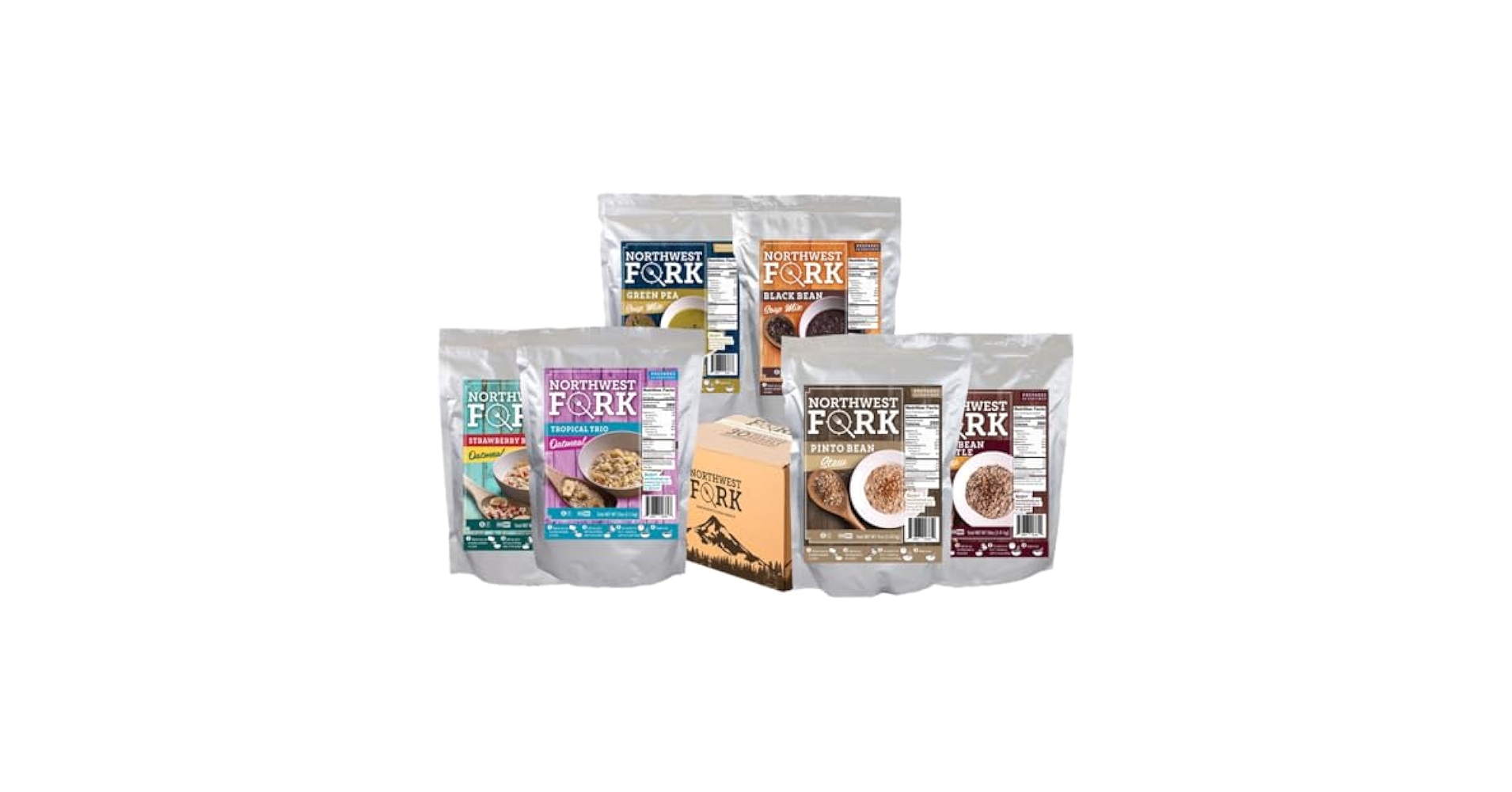
Legumes and beans are powerhouses of nutrition and budget-friendly protein. They store well dry or canned, making them perfect for a survival kit.
- Black beans and lentils cook quickly and add fiber and protein.
- Chickpeas can be roasted for snacks or turned into hummus.
- Split peas are great for soups and stews.
Buying dry beans in bulk cuts costs drastically compared to canned versions. Have you considered how adding more legumes could stretch your meals and your grocery dollars?
Cost-effective Snacks
Snacks often sneak in gluten or dairy, but some options stay budget-friendly and safe. Stocking up on simple, whole food snacks helps you resist costly convenience items.
- Popcorn kernels are cheap and easy to pop at home.
- Rice cakes make a light, gluten-free base for toppings.
- Raw nuts and seeds provide healthy fats and crunch.
Buying nuts and seeds in bulk reduces cost, and you can portion them yourself to avoid overspending. What’s your go-to affordable gluten- and dairy-free snack when hunger strikes?
Low-cost Dairy-free Essentials
Building a low-cost dairy-free survival kit means choosing essentials that nourish without breaking the bank. Focus on foods that store well, offer good nutrition, and suit dairy-free needs. These staples help maintain energy and health during emergencies or busy times.
Dairy-free essentials can be affordable and easy to find. Prioritize plant-based items that replace dairy’s role in meals. This approach saves money and keeps your diet varied and satisfying.
Inexpensive Plant-based Milks
Plant-based milks provide a creamy, dairy-free alternative. Look for options like:
- Oat milk – often cheaper and easy to make at home
- Rice milk – low-cost and mild in flavor
- Almond milk – buy in bulk or make yourself to save
Store shelf-stable cartons for long-term use. Powdered or concentrate forms offer even better value.
Affordable Dairy-free Proteins
Protein is vital for survival kits. Choose budget-friendly dairy-free sources such as:
- Dried beans and lentils – rich in protein and fiber
- Peanut butter – high protein and calorie-dense
- Tofu – versatile and often low-priced at local markets
These items last long and provide necessary nutrients without dairy.
Budget-friendly Cooking Ingredients
Cooking staples help create tasty dairy-free meals. Keep these on hand:
- Vegetable oils – olive or sunflower for cooking and dressings
- Flour and baking powder – for making breads and snacks
- Basic spices – salt, pepper, garlic powder for flavor
These ingredients expand meal options while staying affordable.
Building A Survival Kit On A Budget
Building a gluten and dairy free survival kit on a budget is possible. Careful choices help stretch your money. Focus on essential items that last long and provide good nutrition. Smart shopping and planning reduce costs and waste.
Bulk Buying Tips
Buy gluten and dairy free staples in bulk to save money. Look for dry goods like rice, beans, and gluten free oats. These items store well and cost less per unit in larger amounts.
- Check warehouse clubs or online bulk stores.
- Share bulk purchases with friends or family to lower costs.
- Compare prices per pound to find the best deals.
Storage Solutions To Save Money
Proper storage extends shelf life and prevents spoilage. Use airtight containers to keep items fresh. Label containers with purchase dates to track freshness.
- Store dry goods in cool, dark places.
- Use vacuum seal bags for longer storage.
- Reuse jars and containers to save money on packaging.
Meal Planning For Cost Efficiency
Plan meals using affordable, gluten and dairy free ingredients. Focus on recipes that use similar ingredients to reduce waste. Prepare meals in batches and freeze portions for later use.
- Create a weekly menu based on sale items.
- Include simple meals with rice, beans, and vegetables.
- Use leftovers creatively to avoid throwing food away.
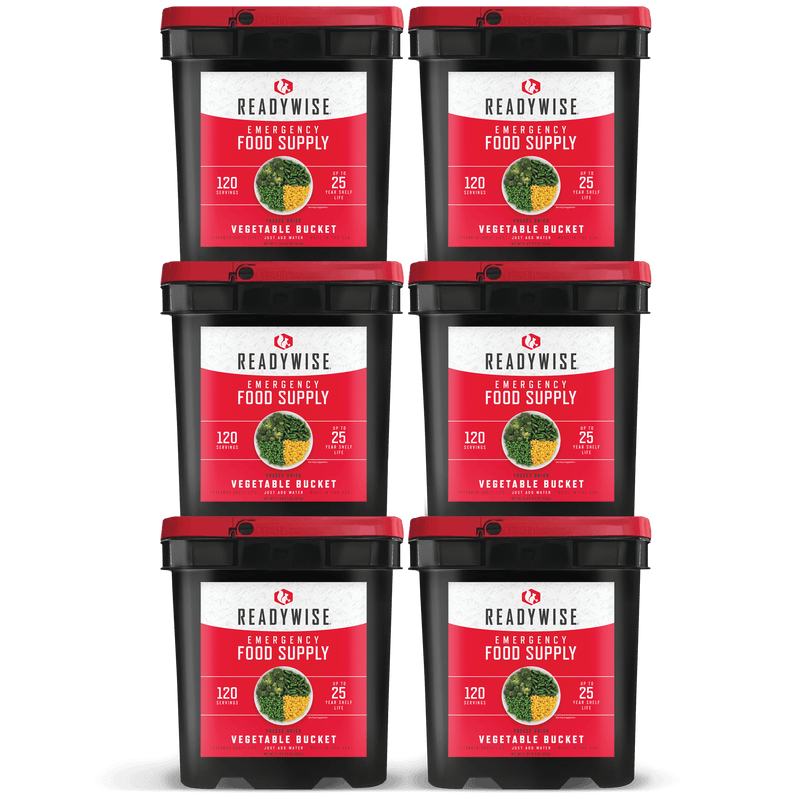
Credit: readywise.com
Where To Shop For Savings
Finding affordable gluten and dairy free products can be a challenge. Knowing where to shop saves money and time. Different stores offer different prices and deals. Some places focus on budget-friendly options. Others provide bulk buying or subscription savings. Choosing the right shops helps build a cheap survival kit without sacrificing quality.
Discount Grocery Stores
Discount grocery stores often carry gluten and dairy free items at lower prices. These stores buy overstock or close-to-expiry products. You can find staples like rice, beans, and canned vegetables. Some brands also offer gluten-free snacks and dairy substitutes. Shopping here means checking labels carefully. Prices here are usually less than regular supermarkets.
Online Deals And Subscriptions
Online stores provide a wide selection of gluten and dairy free foods. Many sites offer discounts on bulk orders. Subscription boxes deliver products regularly at reduced costs. Signing up for newsletters gives access to coupons and flash sales. Compare prices from multiple websites before buying. Online shopping saves travel time and often offers free shipping.
Local Markets And Bulk Stores
Local markets often sell fresh, naturally gluten and dairy free foods. Farmers sell fresh vegetables, fruits, and nuts at fair prices. Bulk stores let you buy exact amounts needed. Buying in bulk reduces packaging waste and saves money. Look for gluten-free grains like quinoa and millet. Local sources can provide fresh and affordable food options.
Diy Gluten And Dairy-free Recipes
Creating your own gluten and dairy-free recipes saves money and ensures safety. Homemade meals let you control ingredients and avoid allergens. Simple recipes reduce stress and keep your diet healthy.
Homemade Snacks And Bars
Prepare snacks using nuts, seeds, and dried fruit. Mix oats with honey and peanut butter for energy bars. Use coconut flakes or rice cereal for texture and flavor. Store snacks in airtight containers for freshness.
Simple Meal Prep Ideas
Cook large batches of rice or quinoa for base meals. Roast vegetables like carrots, zucchini, and sweet potatoes together. Use canned beans for protein in salads or stews. Portion meals in containers for easy grab-and-go options.
Affordable Baking Alternatives
Replace wheat flour with rice flour or oat flour. Use applesauce or mashed bananas instead of butter. Coconut milk or almond milk work well in recipes. Baking at home cuts costs and avoids hidden gluten or dairy.
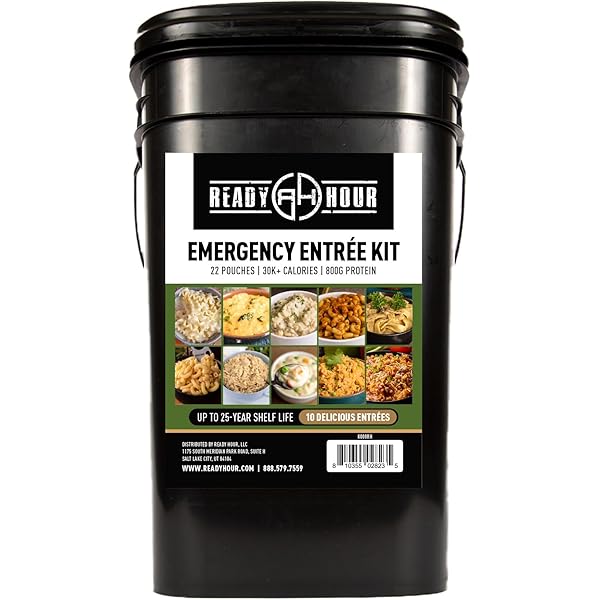
Credit: www.amazon.com
Frequently Asked Questions
What Items Are In A Gluten And Dairy Free Survival Kit?
A gluten and dairy free survival kit typically includes non-perishable foods like canned beans, rice, quinoa, nuts, seeds, and dried fruits. It may also have gluten-free snacks, dairy-free milk alternatives, and essential cooking items like olive oil and spices. These ensure nutritious meals during emergencies or outdoor adventures.
How To Choose A Budget-friendly Gluten Free Kit?
To select a budget-friendly gluten-free kit, compare prices and prioritize essential items. Look for bulk purchasing options or discount deals. Focus on versatile ingredients that can be used in multiple meals. Consider homemade kits to control costs. This approach ensures you get the best value without compromising dietary needs.
Are Gluten And Dairy Free Kits Healthy?
Yes, gluten and dairy free kits can be healthy when well-balanced. They often include whole grains, protein-rich beans, nuts, and seeds. These kits emphasize nutrient-dense foods, providing essential vitamins and minerals. By avoiding processed foods, they can support a healthy diet, especially for those with sensitivities.
Can I Customize My Survival Kit?
Yes, you can customize your survival kit to meet specific dietary needs. Include your favorite gluten and dairy free foods, ensuring they are non-perishable and nutrient-rich. Tailor the kit with your preferred snacks, meals, and essentials. This personalization ensures your survival kit is both satisfying and suitable for emergencies.
Conclusion
Choosing a cheap gluten and dairy free survival kit is smart. It helps you stay safe and healthy without spending too much. Pick foods that last long and meet your needs. Simple items like rice, beans, and canned veggies work well.
Store them in a cool, dry place. Check your kit often and replace what you use. Being prepared does not have to be expensive or hard. Small steps make a big difference in emergencies. Start your kit today and stay ready for tomorrow.