Are you ready to face the unexpected? Whether you’re a fan of zombie movies or just want to be prepared for any emergency, having a zombie survival kit can make all the difference.
But how do you create one that’s practical and effective? In this guide, you’ll discover simple steps to build your own survival kit, with tips straight from popular YouTube creators who know exactly what you need. Keep reading, and by the end, you’ll have a clear plan to protect yourself and your loved ones when the undead rise—or when any disaster strikes.
Don’t wait until it’s too late; your survival starts here.

Credit: www.youtube.com
Essential Supplies
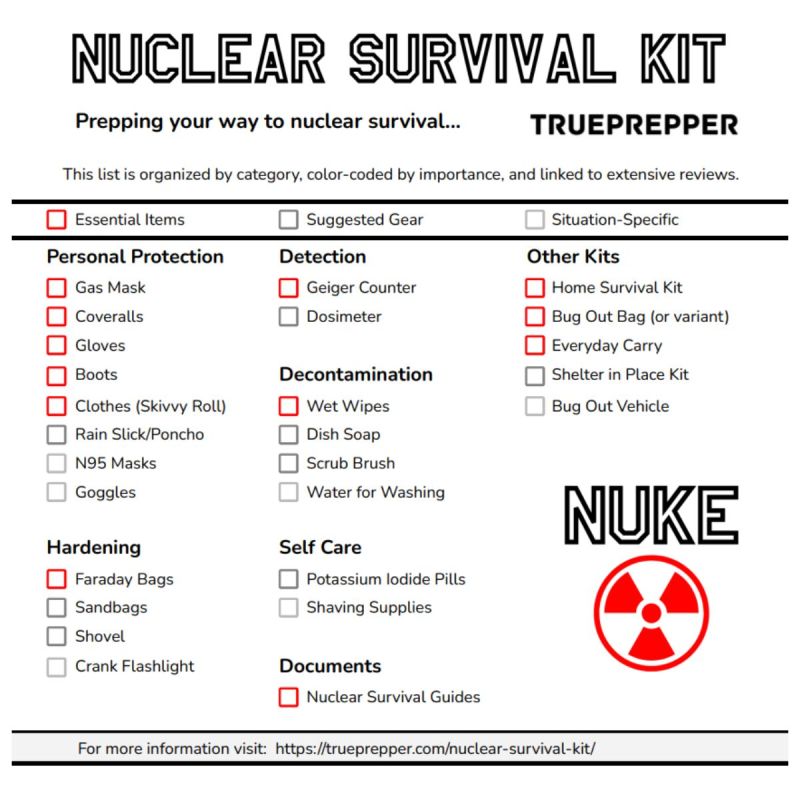
Building a zombie survival kit means focusing on the essentials that will keep you alive and ready. Your supplies must cover basic needs like nutrition, health, and practical tools. Without these, your chances of survival drop quickly.
Food And Water
Food and water are the foundation of your kit. Pack non-perishable items such as canned beans, nuts, and dried fruits. These last long and provide energy when you need it most.
Water is even more critical. Carry at least one gallon per person per day and include water purification tablets or a portable filter. This ensures you can drink safely from natural sources if supplies run low.
First Aid Items
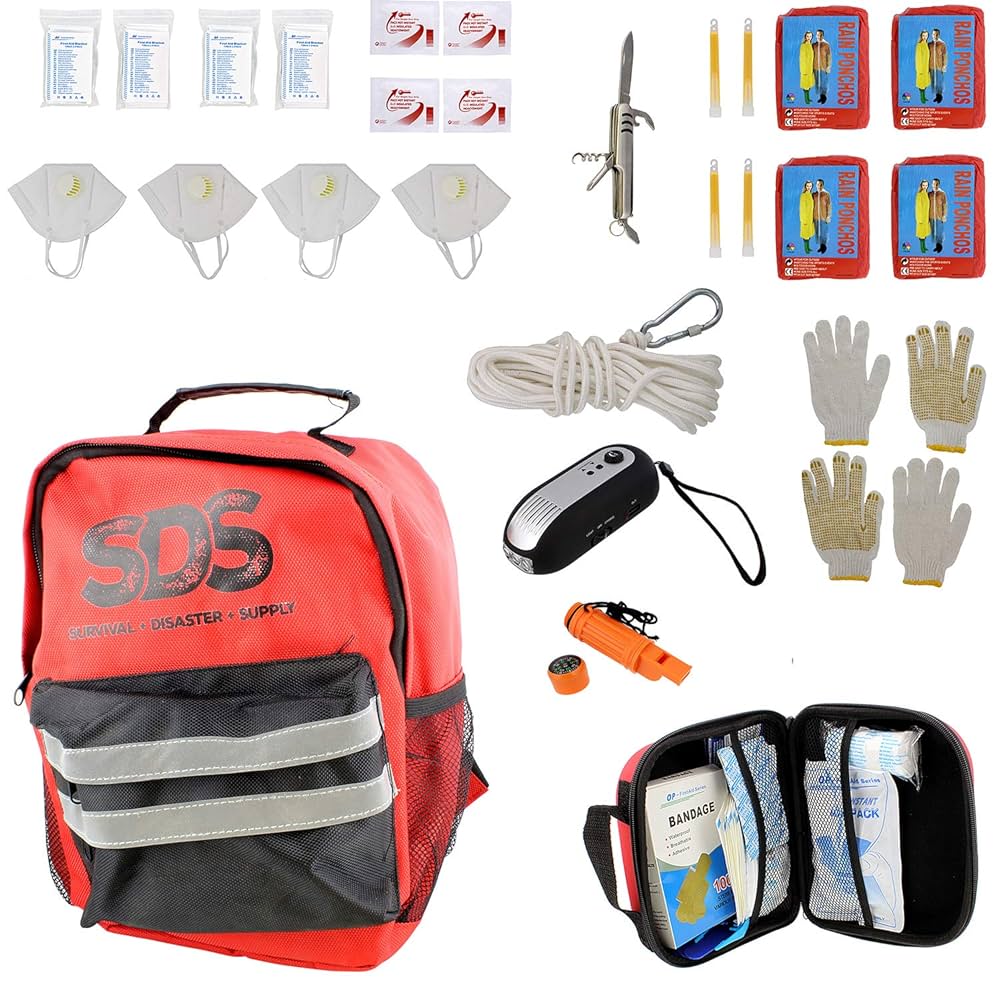
Your health can deteriorate fast without basic medical supplies. Include bandages, antiseptic wipes, pain relievers, and allergy medicine. These small items can prevent infections and manage injuries in the field.
Don’t forget tools for wound care like tweezers and scissors. I once had to clean a deep cut during a camping trip, and having these saved me from a trip to the ER.
Tools And Equipment
Tools make survival practical. Pack a sturdy multi-tool with knives, screwdrivers, and pliers. A reliable flashlight with extra batteries is a must for dark or enclosed spaces.
Consider adding a compact fire starter and a whistle for signaling. These can help you stay warm and call for help if you get separated from your group.
Protective Gear
Protective gear is essential when assembling your zombie survival kit on YouTube. It safeguards you from bites, scratches, and hazardous environments. Choosing the right gear can mean the difference between survival and disaster.
Clothing And Footwear
Wear durable, long-sleeved clothing made from thick materials like denim or leather to reduce the risk of bites. Layering helps protect your skin and adds insulation in colder weather.
Sturdy boots with good ankle support and slip-resistant soles are a must. Avoid open shoes or anything that might slow you down or cause injury.
Body Armor Options
Body armor isn’t just for police or military personnel—it’s practical for zombie survival too. Look for lightweight, flexible options like Kevlar vests or padded jackets that protect vital areas without limiting mobility.
Consider adding elbow and knee pads to prevent injury during falls or fights. Remember, comfort and fit are key since bulky armor can exhaust you quickly.
Masks And Respirators
A good mask or respirator protects you from airborne pathogens and dust. N95 masks or respirators with replaceable filters work well and are widely available.
Choose masks that fit snugly around your face without gaps. Testing different types beforehand helps you find one that stays comfortable during extended wear.
Weapons And Defense
Weapons and defense are crucial for any zombie survival kit. They help protect you from threats and keep you safe. Choosing the right tools depends on your skills and the situation. Balancing power, ease of use, and availability is important.
Melee Weapons
Melee weapons do not need ammo and work well for close fights. They include:
- Bats or wooden sticks
- Knives or machetes
- Hatchets or small axes
These weapons are quiet and effective for quick defense. They also last long and are easy to carry.
Firearms And Ammunition
Firearms provide strong defense at a distance. Choose simple and reliable guns like:
- Shotguns for close range
- Rifles for longer shots
- Handguns for easy handling
Keep enough ammunition but avoid carrying too much weight. Practice safe handling and maintenance to avoid accidents.
Improvised Defense Tools
Use everyday items to create defense tools in a pinch. Examples include:
- Heavy flashlights or metal pipes
- Broken glass or nails in a sock
- Furniture pieces like chairs or tables
Improvised tools help when traditional weapons are unavailable. Creativity and quick thinking can save your life.

Credit: www.youtube.com
Communication Devices
Communication devices are vital in any zombie survival kit. They keep you connected with your group and alert you to nearby dangers. Without reliable communication, you risk being isolated and vulnerable.
Radios And Walkie-talkies
Radios and walkie-talkies are essential tools for staying in touch across distances without relying on mobile networks. Choose models with long battery life and a decent range, so you can communicate even when separated by obstacles or terrain.
Look for features like multiple channels and privacy codes to avoid interference. I’ve found that having a compact, durable walkie-talkie can make all the difference during drills or actual emergencies.
Signal Flares
Signal flares are a simple but powerful way to send a distress call or mark your location. They can be seen from miles away, especially at night or in low visibility conditions.
Keep a few waterproof flares in your kit, and know how to use them safely. Have you ever thought about how many flares would be enough if you needed to signal help repeatedly?
Emergency Beacons
Emergency beacons like Personal Locator Beacons (PLBs) or Satellite Messengers provide direct contact with rescue services. They work even when there’s no cell signal, sending your GPS coordinates to emergency responders.
Though pricier, these devices can save lives. Consider whether investing in an emergency beacon fits your budget and survival plan—it might be the key to getting help when you need it most.
Survival Skills
Survival skills are essential to stay safe in a zombie apocalypse. These skills help you handle injuries, find your way, and create a safe place to rest. Knowing basic survival skills improves your chances of living longer and staying healthy.
Basic First Aid
First aid knowledge is critical in any survival situation. Learn how to clean wounds to prevent infection. Know how to stop bleeding using pressure or bandages. Understand how to treat burns and fractures. Keep essential first aid items in your kit like antiseptic wipes, bandages, and pain relievers.
Navigation Techniques
Finding your way without modern tools is vital. Learn to use a compass and read maps. Recognize natural signs like the sun’s position and stars for direction. Practice using landmarks to avoid getting lost. Carry a compass and a simple map in your survival kit.
Shelter Building
A strong shelter protects you from weather and zombies. Use natural materials like branches, leaves, and rocks. Build a shelter that blocks wind and rain. Choose a hidden spot to avoid detection. Practice quick shelter building using simple designs such as lean-tos or debris huts.
Packing And Storage Tips
Packing and storing your zombie survival kit correctly saves time and effort. It also ensures quick access to essentials during emergencies. A well-organized kit makes a big difference in stressful situations. Concentrate on choosing the right backpack, organizing your supplies, and managing the weight for easy carrying.
Backpack Selection
Choose a durable backpack with enough space for all your items. Look for water-resistant materials to protect contents from rain. Multiple compartments help separate gear for faster access. Padded straps and back support increase comfort during long walks. Pick a size that fits your body well and holds everything you need without being too bulky.
Organizing Supplies
Sort items by type and use. Place first aid kits, food, and tools in separate pouches or bags. Use clear plastic bags or small containers for tiny items like batteries or medication. Label each compartment or bag for quick identification. Keep frequently used items near the top for easy reach. Avoid mixing wet and dry items to prevent damage.
Weight Management
Distribute weight evenly inside the backpack to avoid strain. Place heavier items close to your back and near the center. Keep lighter supplies toward the outside and top. Remove any non-essential items to reduce load. Test your packed backpack by wearing it for short walks. Adjust contents until the weight feels balanced and comfortable.
Customizing Your Kit
Customizing your zombie survival kit is key to making it truly effective for your unique situation. A one-size-fits-all approach won’t cut it when facing different challenges and personal needs. Tailoring your kit ensures you’re prepared, comfortable, and confident.
Adapting To Environment
Where you live changes what you need in your kit. In a cold climate, pack extra thermal blankets, hand warmers, and waterproof gear. If you’re in a hot or humid area, focus on lightweight clothing, plenty of water purification options, and sun protection.
Think about local wildlife and terrain too. Carry insect repellent for swampy areas or snakebite kits if you’re in a region with venomous snakes. Your kit should reflect the environment you expect to survive in, not just a generic zombie apocalypse scenario.
Personal Preferences
Your kit should feel like an extension of yourself. If you’re more comfortable using certain tools or brands, include those instead of generic items. For example, if you trust a particular multitool, make that a staple in your kit.
Consider your skills and habits. If you’re good at starting fires with a specific method, add those materials. If you have dietary restrictions, pack snacks that suit your needs. Customizing to your preferences keeps you mentally and physically prepared.
Budget Considerations
Survival kits don’t need to break the bank. Prioritize essentials and upgrade items over time. Start with basics like water, food, and a first aid kit, then add specialized gear as funds allow.
You can find budget-friendly alternatives without sacrificing quality. For example, a sturdy backpack from a discount store can hold your supplies just as well as a pricey one. Ask yourself: what’s essential now, and what can wait?

Credit: www.youtube.com
Maintaining And Updating
Keeping your zombie survival kit ready is key for any emergency. Regular maintenance ensures every item works when you need it most. Updating your kit means adding new tools and replacing worn-out supplies. This effort saves time and stress during a crisis.
Regular Checks
Check your survival kit at least once every three months. Look for broken or missing items. Make sure everything is clean and stored properly. Test electronics and flashlights to confirm they still work. Keep a checklist to track what you have and what is missing.
Replacing Expired Items
Food and medicine expire fast. Check expiration dates carefully. Replace old canned food, water, and medicine immediately. Use a clear system to spot expired items easily. Keep backup supplies ready to swap in at any time.
Upgrading Gear
Technology and gear improve over time. Add new tools that increase your survival chances. Upgrade old gear for better performance and durability. Choose lightweight and multi-purpose items to save space. Stay informed about new survival products through trusted sources.
Sharing Your Kit On Youtube
Sharing your zombie survival kit on YouTube can help others prepare for emergencies. It also lets you show your creativity and knowledge. A clear and engaging video can reach many viewers interested in survival tips. This section covers how to film your kit, keep your audience interested, and generate fresh content ideas.
Filming Tips
- Use natural light for clear and bright shots.
- Keep the camera steady with a tripod or stable surface.
- Film close-ups of important kit items to show details.
- Speak clearly and slowly to help non-native speakers.
- Keep videos short, around 5 to 10 minutes.
- Edit out mistakes and add simple text labels.
Engaging Your Audience
- Ask viewers questions to invite comments.
- Share personal stories or experiences with your kit.
- Respond to comments to build community.
- Use simple and direct language for easy understanding.
- Show enthusiasm to make your video lively.
Content Ideas
- Unbox your survival kit and explain each item.
- Demonstrate how to use key tools or supplies.
- Compare different types of kits or gear.
- Share tips on packing and organizing your kit.
- Create a checklist viewers can download or screenshot.
- Show how to update your kit for different seasons.
Frequently Asked Questions
What Essentials Are In A Zombie Survival Kit?
A zombie survival kit should include water, non-perishable food, first-aid supplies, and a flashlight. Include a multi-tool, batteries, and emergency blankets. A reliable map and compass are also crucial. Don’t forget hygiene items and a whistle for signaling.
How To Make A Diy Zombie Survival Kit?
Start with a sturdy backpack for easy carrying. Gather essentials like water, food, and first-aid supplies. Add tools, a flashlight, and batteries. Include personal items like medications and hygiene products. Customize based on your needs and environment.
Why Is Water Important In A Zombie Kit?
Water is vital for survival, preventing dehydration and maintaining health. It’s crucial for cooking and hygiene. Include water purification tablets to ensure a safe supply. Store enough water to last several days, as access to clean water may be limited.
How To Choose Food For A Zombie Kit?
Select non-perishable, high-energy foods like canned goods and protein bars. Opt for items with long shelf lives. Include a variety of foods to maintain nutrition and morale. Consider dietary needs and allergies when packing your kit.
Conclusion
Building a zombie survival kit is smart and fun. It helps you stay ready for any emergency. Focus on simple, useful items everyone can use. Keep your kit easy to carry and check it often. Practice using your supplies so you feel confident.
Sharing your kit ideas on YouTube can help others too. Stay safe, stay prepared, and enjoy the process. Survival skills matter, even in a zombie world.