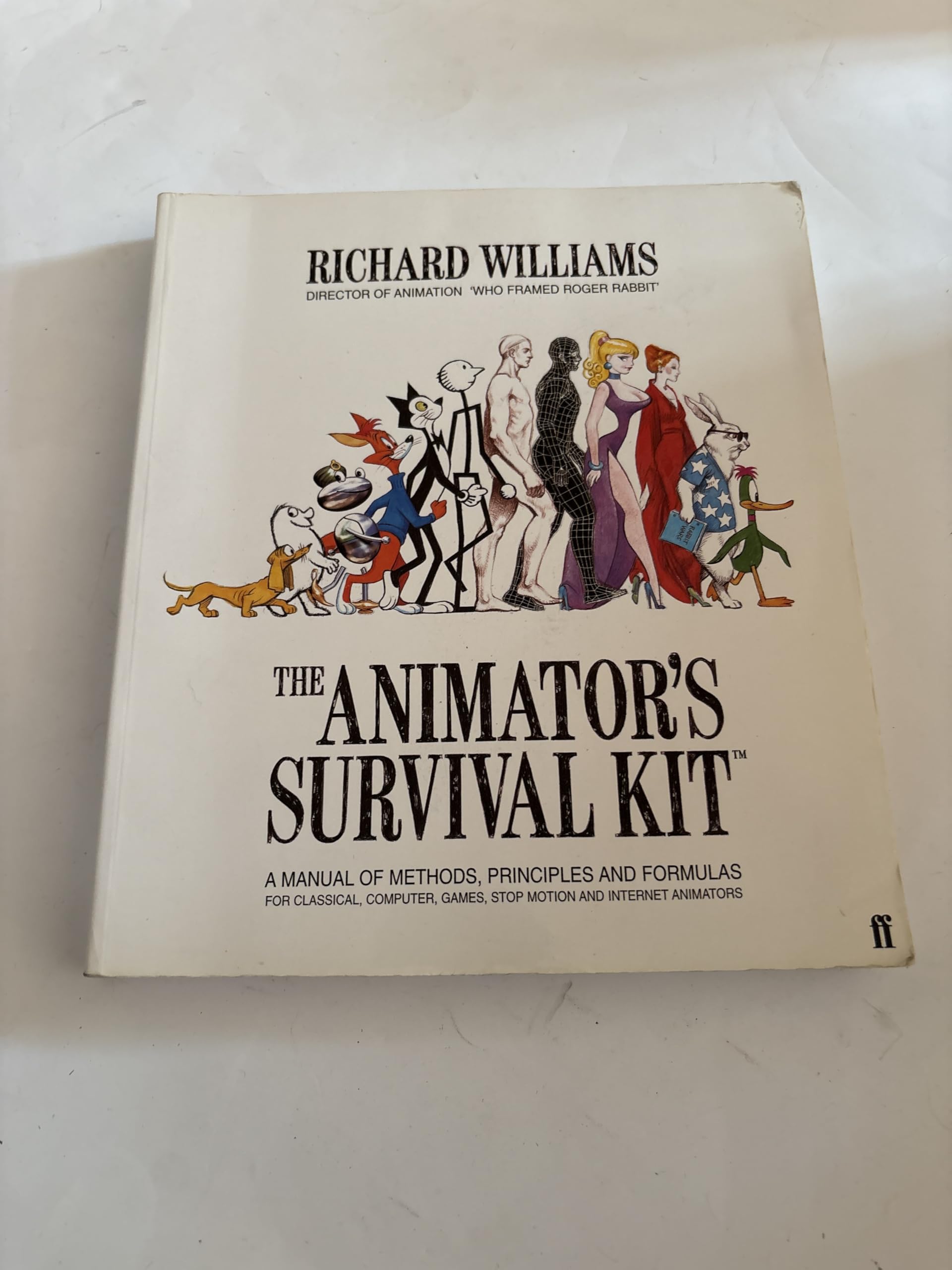
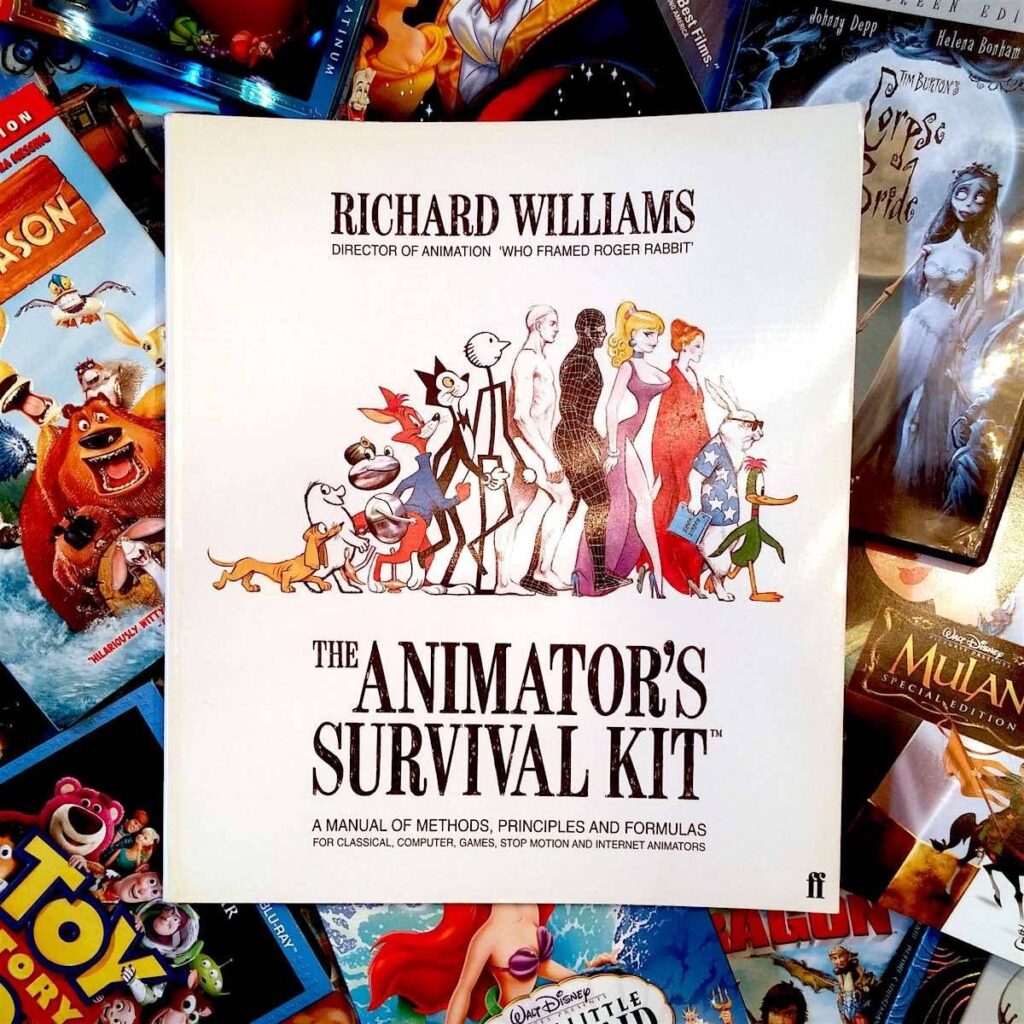
If you want to bring your drawings to life and create animations that truly captivate, mastering the right tools is key. The Animator’s Survival Kit is one of the best resources out there to help you do just that.
But how do you use it effectively? This guide will walk you through simple, practical steps to unlock its full potential. Whether you’re a beginner or looking to sharpen your skills, you’ll discover tips that make your animation smoother, more believable, and more exciting.
Ready to take your animation to the next level? Let’s dive in.

Credit: www.amazon.ca
Getting Started With The Animator’s Survival Kit
Starting with the Animator’s Survival Kit can feel overwhelming, but breaking it down makes the process manageable. This guide helps you build a strong foundation by focusing on the right tools and key principles. You’ll gain confidence by understanding what you need and how animation really works.
Essential Tools And Materials
Before you dive into animation exercises, gather the right materials. The Animator’s Survival Kit isn’t just about drawing; it’s about creating movement.
- Sketchbook or Animation Paper:Choose paper that suits your style. Many animators prefer light, smooth paper to make repeated drawing easier.
- Pencils and Erasers:Use pencils with different hardness levels for sketching and refining. A good eraser helps you clean up without damaging the paper.
- Lightbox or Animation Desk:These tools let you see previous frames while you draw new ones, keeping motion fluid and consistent.
- Software (Optional):Programs like Toon Boom or Adobe Animate can complement your hand-drawn work. Don’t rush to digital; mastering basics by hand builds a stronger skill set.
Having the right tools ready removes distractions. You’ll focus more on practicing animation techniques than fixing technical problems.
Basic Principles Of Animation
The Animator’s Survival Kit teaches you to think about movement, not just pictures. Understanding the basic principles is your first step toward creating believable animation.
- Timing:How long something takes to move affects its feel. Fast movements can show excitement; slow ones might suggest weight or hesitation.
- Spacing:This controls the smoothness of motion. Close drawings create slow movement; wider spacing makes actions appear quicker.
- Squash and Stretch:These add life by exaggerating shapes while keeping volume. Think about a bouncing ball—how it flattens when it hits the ground and stretches when it moves up.
- Anticipation:Preparing the viewer for an action makes movement clear and believable. Before jumping, a character might crouch slightly.
Have you noticed how a simple change in timing can completely change the emotion of a scene? Playing with these principles sharpens your eye and hand coordination.
Starting with these essentials sets you up for success. Focus on tools that fit your workflow and principles that bring your drawings to life.
Credit: kk.org
Key Techniques From The Kit
The Animator’s Survival Kit offers essential techniques that can dramatically improve your animation skills. These key techniques focus on making your characters feel alive and believable. Understanding and applying them will help you breathe life into your work.
Timing And Spacing
Timing controls how long an action takes, while spacing determines the distance covered between frames. Together, they create rhythm and pace in your animation.
Think about a bouncing ball. If you speed up the timing as the ball hits the ground and slow it down as it rises, you create a natural, convincing motion. Adjusting timing and spacing can also convey different emotions—fast movements might show excitement, while slow ones suggest weight or tension.
Squash And Stretch
Squash and stretch give your characters flexibility and weight. Squashing compresses the object, while stretching elongates it, emphasizing the force behind movements.
Imagine a character jumping—when they land, their body squashes slightly to show impact. When they leap, stretching elongates the figure to enhance the sense of energy. Using this technique carefully avoids stiffness and adds expressiveness.
Anticipation And Follow-through
Anticipation prepares the audience for an action, creating a build-up that makes movements believable. Follow-through ensures that parts of the body continue moving after the main action stops, adding realism.
Before a character throws a punch, they usually pull back first—this is anticipation. After the punch, their arm and body may continue to move slightly, which is follow-through. Skipping these steps can make your animation feel abrupt and lifeless.
Applying The Kit To Your Projects
The Animator’s Survival Kit offers practical tools to enhance your animation projects. Applying its principles makes your work more natural and believable. It guides you through essential techniques for character movement and expression.
Using this kit helps you understand timing, spacing, and weight in animations. It breaks down complex actions into simple, manageable parts. This approach improves both the quality and flow of your animations.
Creating Smooth Character Movements
Smooth movements are key to engaging animations. The kit teaches you how to plan actions with clear poses. It emphasizes the use of keyframes and in-betweens to create fluid motion.
Follow principles like easing in and out to avoid stiff movements. Study how weight shifts during walking or jumping. Practice drawing arcs to make movements natural and consistent.
Animating Expressive Facial Features
Facial expressions bring characters to life. The kit shows how to exaggerate emotions without losing realism. Focus on eyes, eyebrows, and mouth shapes to convey feelings clearly.
Use subtle changes to reflect different moods. Break down expressions into simple shapes to animate easily. Remember, small adjustments make a big impact on viewer connection.
Using Reference And Practice Exercises
References improve accuracy and help understand real-life motion. The kit encourages studying videos and observing people. Record yourself performing actions for direct comparison.
Practice exercises build muscle memory and sharpen timing skills. Repeat drills focusing on bounce, anticipation, and follow-through. Consistent practice leads to better control and creativity in your animations.
Tips For Faster Mastery
Mastering the Animator’s Survival Kit faster requires smart learning habits. Focus on simple, clear steps to improve your skills. Use practical techniques that fit your pace. This section shares key tips to learn more effectively.
Breaking Down Complex Motions
Start by separating big movements into smaller parts. Study each part slowly. Watch how the body moves step by step. This makes hard animations easier to understand. Repeat each segment until it feels natural. Use sketches or notes to track progress.
Consistent Practice Strategies
Set a daily routine for animation practice. Short, regular sessions work better than long, rare ones. Practice the same motions often to build muscle memory. Try different exercises from the book. Keep a practice journal to note improvements and challenges.
Learning From Animation Masters
Study works from famous animators for real examples. Compare their techniques with the book’s lessons. Watch videos or tutorials to see their process. Imitate their style to understand animation flow. Discuss with other animators to gain new ideas.
Common Challenges And Solutions
Using the Animator’s Survival Kit presents some common challenges. These can slow down your progress or affect your animation quality. Knowing how to face these problems helps keep your work smooth and effective.
Overcoming Stiff Animations
Stiff animations often lack natural flow. The Animator’s Survival Kit shows how to add ease and weight to movements. Focus on creating smooth transitions between poses. Use timing charts from the book to plan your in-betweens. Loosen up joints and exaggerate actions slightly to avoid rigidity. Practice drawing arcs to follow natural motion paths.
Avoiding Timing Mistakes
Timing errors make animations feel off or jumpy. The kit teaches how to use timing charts for correct frame spacing. Pay attention to slow in and slow out principles. Test your animation by playing it back at different speeds. Count frames carefully to keep consistent rhythm. Use simple exercises from the book to build timing sense step by step.
Balancing Detail And Efficiency
Adding too much detail can waste time and confuse the motion. The Animator’s Survival Kit advises focusing on key poses first. Add details only after the main action feels right. Use rough sketches to plan before finalizing drawings. Keep your workflow flexible to make quick changes. This balance helps finish animations faster without losing quality.

Credit: www.amazon.ca
Frequently Asked Questions
What Is The Animator’s Survival Kit?
The Animator’s Survival Kit is a comprehensive guide for animators. It provides techniques and principles for creating fluid and expressive animations. Authored by Richard Williams, this book is a valuable resource for both beginners and professionals. It covers everything from basic animation principles to advanced techniques, helping animators enhance their skills.
How Can Beginners Benefit From It?
Beginners can learn foundational animation techniques from the Animator’s Survival Kit. It offers step-by-step guidance on creating believable motion. The book simplifies complex concepts, making them accessible to novices. By following its instructions, beginners can develop a strong understanding of animation principles, improving their skills and confidence.
Why Is It Essential For Professional Animators?
Professional animators find the Animator’s Survival Kit essential for its advanced techniques. It offers insights into refining motion and character expression. The book serves as a reference for solving complex animation challenges. Its comprehensive coverage ensures that even experienced animators can enhance their skills and remain competitive in the industry.
What Topics Does The Book Cover?
The Animator’s Survival Kit covers a wide range of topics, including animation principles, timing, spacing, and character movement. It also discusses advanced techniques such as walk cycles, lip sync, and expressive character acting. The book provides detailed illustrations and examples, making it a valuable resource for animators at any level.
Conclusion
The Animator’s Survival Kit offers clear steps for better animation. Follow its tips to create smooth, lively movements. Practice often to build strong skills and confidence. Remember, animation takes time and patience. Use the book as a guide, not a rulebook.
Keep experimenting and enjoy the creative process. This approach helps your work stand out and grow. Embrace learning, and your animations will improve steadily.