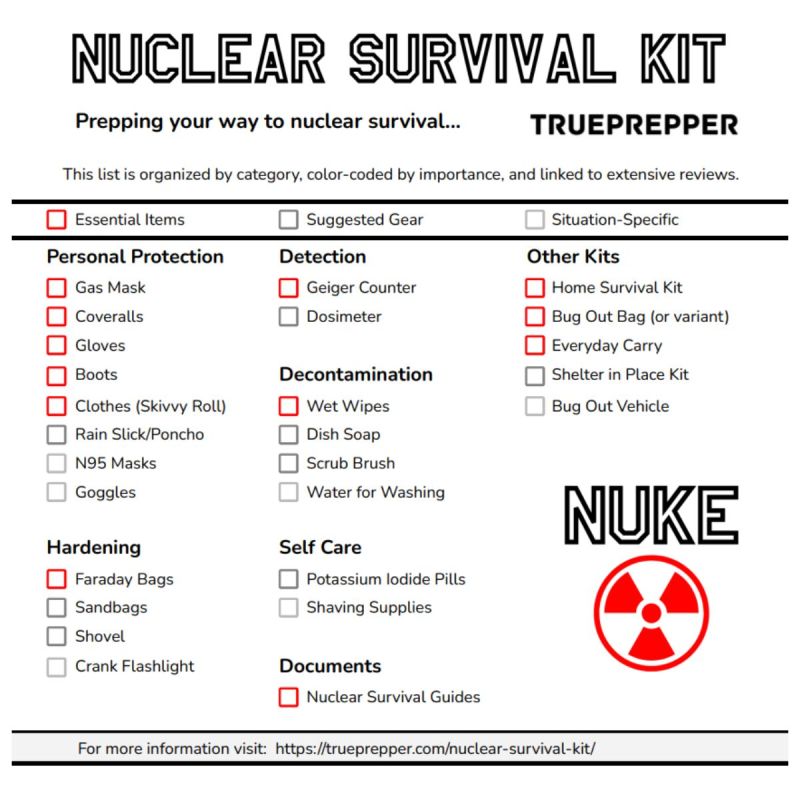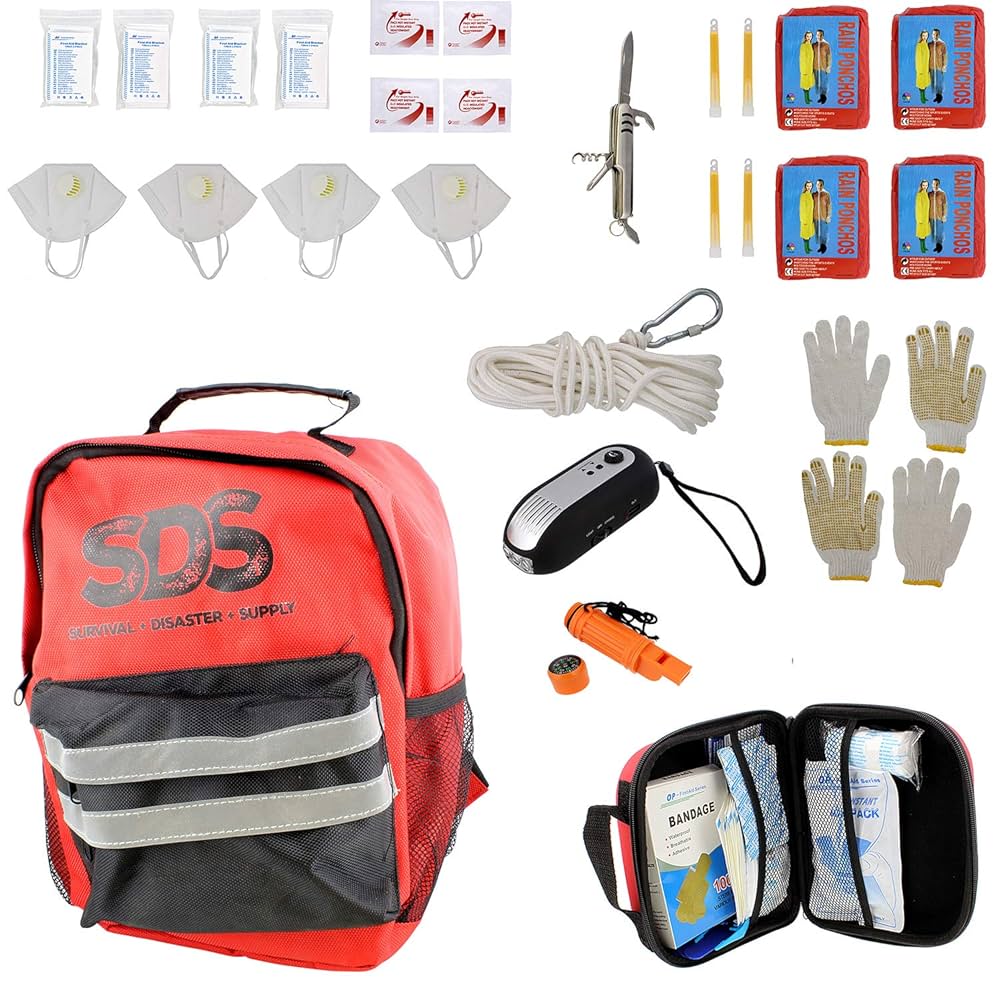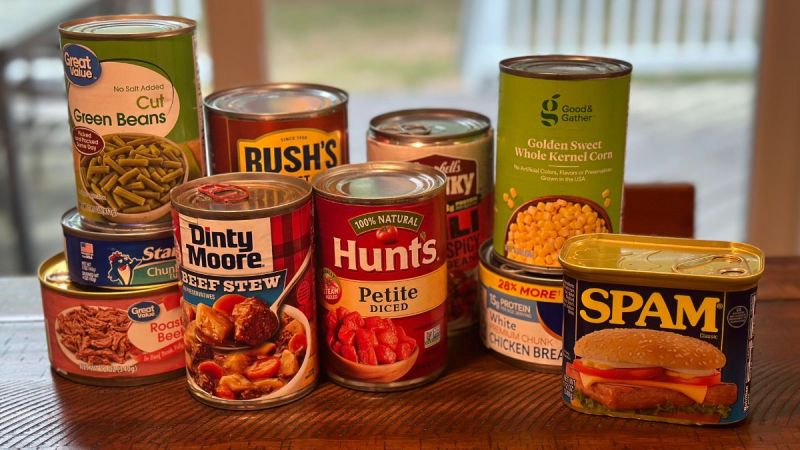
When you’re preparing a survival kit, every item you include can make a big difference. But have you ever stopped to think about the power of canned foods?
These simple, shelf-stable items could be the key to keeping you nourished and energized when it matters most. You’ll discover why canned foods are a smart, reliable choice for your survival kit—and how they can help you stay strong in tough situations.
Keep reading to find out how to make your kit smarter, safer, and more effective.

Credit: trueprepper.com
Advantages Of Canned Foods
Canned foods hold a special place in any survival kit due to several clear advantages. They offer a reliable food source when fresh options are unavailable. Understanding these benefits can help you make smarter choices for your emergency preparedness.
Long Shelf Life
Canned foods are designed to last for years without spoiling. This means you can store them safely in your kit without worrying about frequent replacements. Have you ever opened a forgotten can from years ago and found it perfectly edible? That’s the power of proper sealing and preservation.
Nutrient Retention
Many people assume canned foods lose all their nutrients, but that’s not true. The canning process often locks in vitamins and minerals, keeping the food nutritious. For survival situations, this means you get the energy and nutrients you need to stay strong and alert.
Variety And Convenience
Canned foods come in a wide range of options—from vegetables and fruits to meats and soups. This variety allows you to create balanced meals even when you’re limited to your survival kit. Plus, canned foods require no refrigeration and are easy to prepare, saving you precious time and effort in critical moments.
Key Benefits In Survival Situations
Canned foods hold vital advantages in survival kits. They offer reliable nutrition when fresh food is scarce. Their properties make them ideal for emergency and outdoor situations. Understanding these benefits helps in better preparation and safety.
Easy Storage And Portability
Canned foods have a long shelf life. They resist spoilage and keep well without refrigeration. Their compact shape fits easily in backpacks or storage boxes. The sturdy metal cans protect food from damage and pests. This makes them perfect for carrying on trips or storing for emergencies.
Ready-to-eat Meals
Most canned foods can be eaten straight from the can. This saves time and effort in survival situations. Ready-to-eat meals provide instant energy and nutrients. They reduce the need for cooking tools and fuel. This simplicity supports quick nourishment when conditions are tough.
Minimal Preparation Required
Canned foods usually need little to no preparation. Heating is optional but can improve taste and safety. This feature is important when fire or cooking equipment is unavailable. It allows focus on other survival tasks without worrying about complex meal prep.
Types Of Canned Foods For Kits
Canned foods are essential for survival kits. They last long and provide vital nutrients. Including various types ensures a balanced diet during emergencies. Each type serves a unique purpose and adds variety to your meals. Here are the main types of canned foods to consider for your survival kit.
Proteins And Meats
Proteins keep your body strong and help repair tissues. Canned meats like chicken, tuna, and beef are great choices. They provide energy and are easy to prepare. Beans and legumes also offer plant-based protein. These options stay fresh for years and require no refrigeration.
Fruits And Vegetables
Fruits and vegetables supply essential vitamins and minerals. They help maintain health and boost the immune system. Choose canned fruits like peaches, pineapples, or mixed fruit. For vegetables, consider corn, green beans, or peas. These cans add color and flavor to meals while preserving nutrients.
Soups And Stews
Soups and stews offer warmth and comfort in tough situations. They combine proteins, vegetables, and broth in one can. These meals are easy to heat and eat. Look for low-sodium options to stay healthy. They provide hydration and energy, making them ideal for survival kits.

Credit: mountainhouse.com
Safety And Preservation
Safety and preservation are the backbone of why canned foods are essential in any survival kit. You rely on these foods not just for nourishment but also for assurance that they remain safe to eat over long periods. Understanding how canned foods stay protected helps you choose the right items and avoid risks during emergencies.
Sealing And Sterilization Process
The magic behind canned food safety lies in its sealing and sterilization. After placing food in the can, manufacturers remove air and seal it tightly to block bacteria and mold. Then, the cans undergo heat sterilization, which kills harmful microorganisms without damaging the food’s nutrients or flavor.
This process ensures your canned goods can last for years without spoiling. Have you ever wondered how these foods maintain their freshness without refrigeration? It’s all thanks to this airtight, heat-treated environment.
Avoiding Contamination
Even with perfect sealing, contamination can happen if cans are damaged or stored improperly. Avoid cans with dents, rust, or swelling, as these can let in bacteria. Keep your survival kit in a cool, dry place to prevent the seal from weakening or the food inside from spoiling.
Think about how often you check your supplies. Regular inspection can save you from unpleasant surprises when you need your survival kit the most.
Signs Of Spoiled Canned Foods
Spotting spoiled canned food is critical for your safety. Watch for bulging cans, foul smells, leaking liquid, or any rust and corrosion. If the can spurts liquid or gas when opened, it’s a clear warning sign.
Eating spoiled canned food can cause serious illness. Why risk it when a quick look can protect your health? Always trust your senses and discard anything suspicious.
Tips For Including Canned Foods
Including canned foods in your survival kit can be a smart move, but it requires some planning. You want to make sure your canned goods not only last but also keep your energy and health in check. Here are some practical tips to help you add canned foods effectively to your kit.
Balancing Nutrition
Not all canned foods are created equal. You should aim to include a variety of options that cover different nutritional needs.
- Choose canned beans or lentils for protein and fiber.
- Add canned vegetables for essential vitamins and minerals.
- Include canned fruits to satisfy sweet cravings and provide antioxidants.
- Consider canned fish or chicken for lean protein and healthy fats.
Think about how these items work together to keep your body fueled. Have you checked if your canned foods provide enough protein and vitamins?
Rotating Supplies
Canned foods have expiration dates, so it’s important to rotate your stock regularly. This keeps your survival kit fresh and reliable.
- Mark cans with purchase or expiry dates using a permanent marker.
- Use older cans first and replace them with new ones.
- Set a reminder every six months to review your supplies.
I once discovered a batch of expired canned tomatoes just before an emergency drill. That experience taught me to stay on top of rotation. What system will you use to keep your supplies fresh?
Packaging And Storage Conditions
How you store canned foods affects their shelf life and safety. Proper packaging and environment are key.
- Keep cans in a cool, dry place away from direct sunlight.
- Store them off the floor to avoid moisture damage.
- Check cans regularly for dents, rust, or swelling—these are signs to discard them.
Think about your current storage space. Is it suitable for long-term canned food storage? Small changes can make a big difference in how long your food lasts.
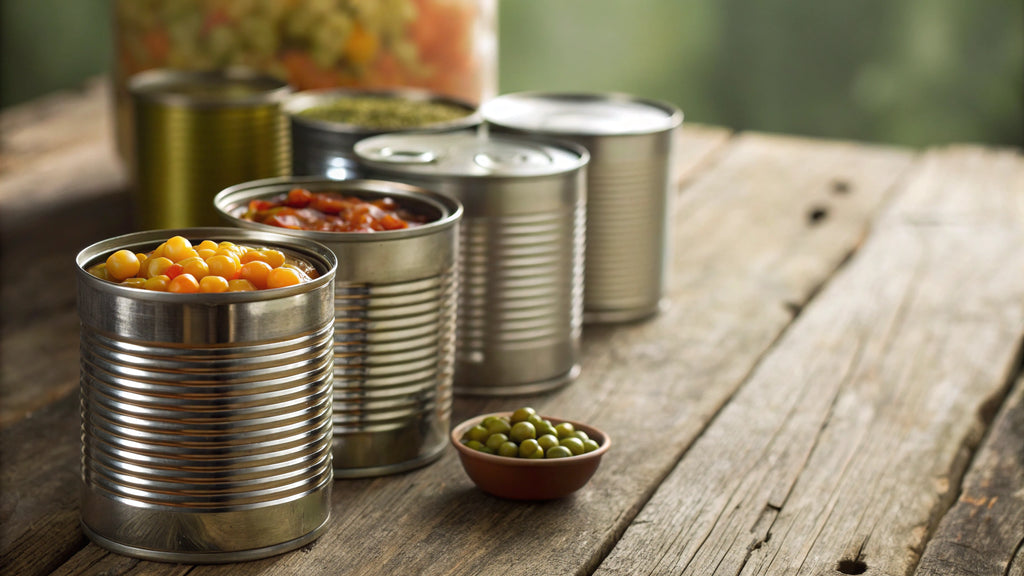
Credit: www.battlbox.com
Frequently Asked Questions
Why Include Canned Foods In A Survival Kit?
Canned foods are essential for survival kits due to their long shelf life. They offer a nutritious, ready-to-eat food source. This makes them ideal during emergencies. Canned foods are also easy to store and carry. Their durability ensures they remain safe to consume for extended periods.
How Long Do Canned Foods Last In Storage?
Canned foods can last for years when stored properly. Most have a shelf life of 2 to 5 years. It’s crucial to store them in a cool, dry place. Regularly check expiration dates to ensure freshness. Proper storage extends their usability during emergencies.
Are Canned Foods Nutritious For Survival Situations?
Yes, canned foods provide essential nutrients required during emergencies. They often contain proteins, carbs, and vitamins. This makes them a balanced choice for survival kits. Additionally, they help maintain energy levels. Choosing a variety of canned foods ensures a diverse nutrient intake.
What Types Of Canned Foods Are Best For Survival?
Canned beans, meats, and vegetables are excellent for survival kits. They offer essential nutrients and energy. Canned soups and fruits are also beneficial. These options are versatile and can be consumed directly. Ensure to choose low-sodium options for better health during prolonged use.
Conclusion
Canned foods stay fresh for a long time. They provide important nutrients in emergencies. Easy to store and carry, they fit well in survival kits. You can eat them without cooking. They help keep energy and strength when needed. Choosing a variety of canned foods adds balance to your diet.
Always check expiration dates and rotate your supplies. Being prepared means having reliable food sources at hand. Canned foods are a smart, simple choice for survival kits.